avatarJess the Avocado

Free AI web copilot to create summaries, insights and extended knowledge, download it at here

2277

Abstract

ef="undefined">Sadie Seroxcat</a>’s review:</p><p id="56ea"><a href="https://readmedium.com/only-once-in-a-blue-moon-7713db975b2d">To Stop Reading a Book. Only Once In A Blue Moon | by Sadie Seroxcat | Counter Arts | May, 2022 | Medium</a></p><p id="235c">For now, I pass the keyboard to the writer we want to hear from:</p><p id="8468"><a href="undefined">yesnodunno</a></p><figure id="4042"><img src="https://cdn-images-1.readmedium.com/v2/resize:fit:800/0*YJziFpuHygA2ggcO"><figcaption>Photo by <a href="https://unsplash.com/@raysontjr?utm_source=medium&amp;utm_medium=referral">Rayson Tan</a> on <a href="https://unsplash.com?utm_source=medium&amp;utm_medium=referral">Unsplash</a></figcaption></figure><p id="c983">When <a href="undefined">Jess the Avocado</a> implored, or rather, guilt-tripped me (in) to take the reins on reviewing <i>How We Disappeared</i> — because of the affinity that is our nationality that Jing-Jing Lee and I share — I was hesitant.</p><p id="f0c6">Why should I be the one to speak about the readerly experience of <i>How We Disappeared</i>, simply because the author and I hold (or once held) the same eye-piercingly red, communist-adjacent passport, simply because I too, call Singapore “home”, simply because I too, share anecdotal, ancestral experiences with the characters?</p><p id="b328">Do I feel a kinship with Jing-Jing Lee, or her characters? Yes, no, dunno. Maybe.</p><p id="d404">Simply because I too, understand the linguistic quirks or dialect — that Lee has shown sufficient proficiency in translating — that would other wise sound like a series of mumbles or jumbled sounds to others? Or perhaps because Wang Di’s, the Old One’s, and Kevin’s experiences <a href="https://oneworld-publications.com/2020/03/24/jing-jing-lee-why-i-wrote-how-we-disappeared/">reflect that of my own family’s</a>?:</p><p id="cb60">Sweet potato grown from shoots in the backyard in a <i>kampong</i>, to supplement the meagre 17–25 grains of rice, to be split amongst siblings? Check.</p><p id="99b3">Pawned off in marriage to an older man? Check.</p><p id="8256">Hiding in bomb shelters? Check.</p><p id="28c5">Losing family to Japanese massacres? Check.</p><p id="8830">Living in utter poverty, and being forcibly relocated to an unfamiliar “suburb”?

Options

Check.</p><p id="61f8">Abused and mistreated? An appalling check.</p><p id="315e">Haunted by your past? Check.</p><p id="ca76">Living your own death? Check.</p><p id="0075">Does Wang Di — I mean my grandmother — still collect items, hoarded in plastic bags at the back of her cupboards? Yes.</p><p id="2504">Does my grandmother still believe that the Japanese are the spawns of the Devil? Yes.</p><p id="b8c3">Do we have bomb shelters built into public housing? Yes. Why? Trauma-resonate, of course.</p><p id="6e65">Understandably, the shared history is my burden to bear, mine to bare to curious strangers on this platform.</p><p id="ac6d">Begrudgingly, I agreed. Yet this is without mild annoyance, derived from discomfort.</p><p id="6c7e">Perhaps I have unwittingly carried on the jarring tradition of holding your tongue, and sweeping the taboo under the rug by avoiding baring my thoughts and feelings about the book. Or perhaps the barren truth of the horrors of war experienced by my own grandparents, and passed on to their descendants — manifested in my incapacity to speak about it unperturbed — is reason enough for this review:</p><p id="4414">Jing Jing Lee’s apparent nonchalance at recounting the horrors of war-time Singapore through Wang Di’s lived experience is unimpassioned, haunting, yet confrontational; a characteristic juxtaposition with the deliberate concealment and forced disappearance of the utter horror, indignity, and trauma haunting victims of war by society.</p><p id="2272">Read it, review it yourselves. War is shit.</p><div id="cc78"><pre><span class="hljs-attribute">References</span></pre></div><div id="1f78"><pre>Jing-Jing Lee — Why I Wrote How We Disappeared | Onew<span class="hljs-type">orld</span> (onew<span class="hljs-type">orld</span>-publications.com)</pre></div><p id="ee3e">To read more stories about the book club (and the charity we will be donating the revenue of all stories in June and December):</p><p id="8f93"><a href="https://avocadoforbrunch.medium.com/list/book-club-04342d9b2130">9 stories about Book Club curated by Jess the Avocado — Medium</a></p><figure id="64ed"><img src="https://cdn-images-1.readmedium.com/v2/resize:fit:800/1*KB18l7vLqTF8V8ipKdSC-A.jpeg"><figcaption></figcaption></figure></article></body>

Book Review

How We Disappeared: Tragic, Compelling, and Overall The Best Book I Have Read in Years

About the scars the Japanese invasion of Singapore left
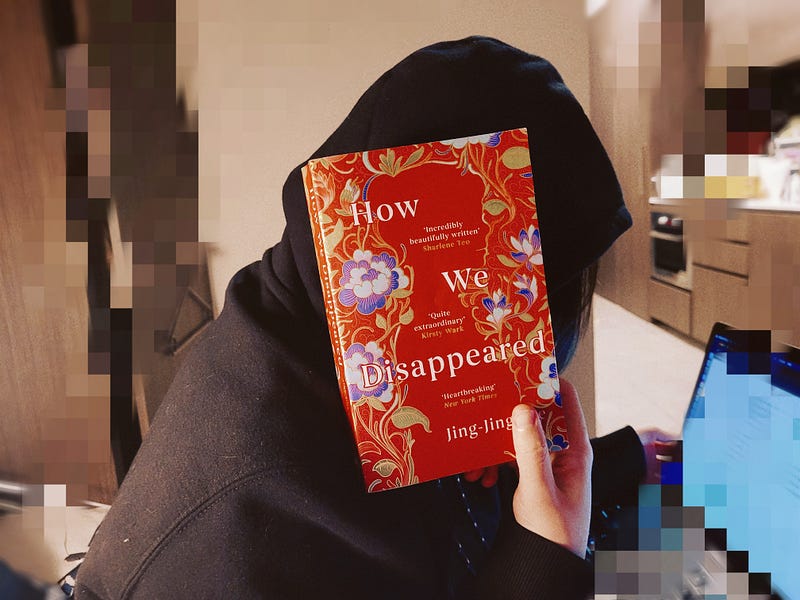
yesnodunno and the book

How to start writing about something after it has shaken you? Imagine this: emotions, thoughts, questions. How to put them all in order when they occur all at once? Finally, I decided to ask my partner, Singaporean (important detail given the context of this book) yesnodunno to review the book with me. Also, it is arguably more important to know her thoughts and feelings about the book, and the history it entails, than mine.

How We Disappeared was written by Jing-Jing Lee, a bit as fiction, a bit as historical retelling. See, while we — Eurocentric westerners — remember the war in relations to the horror perpetrated by the Nazi, other parts of the world too were shaken to their core.

In Singapore, people were by that point not free, but secure enough under the supervision of the colonialist Brits to not fear daily for their lives. As the book narrates following different timelines and two characters, everything was turned upside down when the Japanese invaded the island (and changed its name and even time zone) and the British forfeited to go fight a battle more close to their heart, or interests. This is the general setting of the book.

However, there is so much to unpack. I shall start by noting that even before reaching the fulcrum of the drama, I had already cried multiple times. The writing is just so perfect. Eloquent, but never too much. And the story, the little details of Wang Di’s life (main character), are written with so much care and professionalism that I felt lost in the book for whole reading sessions.

Mind you, it is not an easy read. The writing yes, can go down your mind as smooth as butter. But it evokes a world, a history, actions that are surely not easy to digest. In fact, I recommend you read Sadie Seroxcat’s review:

To Stop Reading a Book. Only Once In A Blue Moon | by Sadie Seroxcat | Counter Arts | May, 2022 | Medium

For now, I pass the keyboard to the writer we want to hear from:
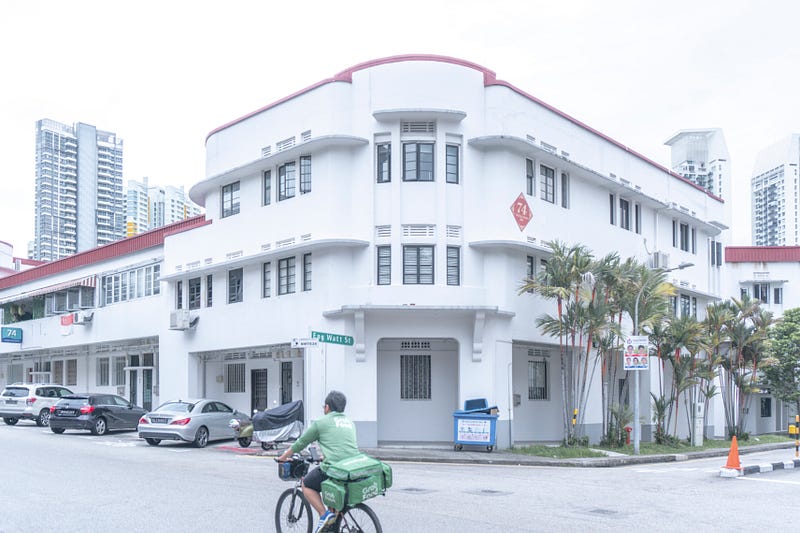
yesnodunno

Photo by Rayson Tan on Unsplash

When Jess the Avocado implored, or rather, guilt-tripped me (in) to take the reins on reviewing How We Disappeared — because of the affinity that is our nationality that Jing-Jing Lee and I share — I was hesitant.

Why should I be the one to speak about the readerly experience of How We Disappeared, simply because the author and I hold (or once held) the same eye-piercingly red, communist-adjacent passport, simply because I too, call Singapore “home”, simply because I too, share anecdotal, ancestral experiences with the characters?

Do I feel a kinship with Jing-Jing Lee, or her characters? Yes, no, dunno. Maybe.

Simply because I too, understand the linguistic quirks or dialect — that Lee has shown sufficient proficiency in translating — that would other wise sound like a series of mumbles or jumbled sounds to others? Or perhaps because Wang Di’s, the Old One’s, and Kevin’s experiences reflect that of my own family’s?:

Sweet potato grown from shoots in the backyard in a kampong, to supplement the meagre 17–25 grains of rice, to be split amongst siblings? Check.

Pawned off in marriage to an older man? Check.

Hiding in bomb shelters? Check.

Losing family to Japanese massacres? Check.

Living in utter poverty, and being forcibly relocated to an unfamiliar “suburb”? Check.

Abused and mistreated? An appalling check.

Haunted by your past? Check.

Living your own death? Check.

Does Wang Di — I mean my grandmother — still collect items, hoarded in plastic bags at the back of her cupboards? Yes.

Does my grandmother still believe that the Japanese are the spawns of the Devil? Yes.

Do we have bomb shelters built into public housing? Yes. Why? Trauma-resonate, of course.

Understandably, the shared history is my burden to bear, mine to bare to curious strangers on this platform.

Begrudgingly, I agreed. Yet this is without mild annoyance, derived from discomfort.

Perhaps I have unwittingly carried on the jarring tradition of holding your tongue, and sweeping the taboo under the rug by avoiding baring my thoughts and feelings about the book. Or perhaps the barren truth of the horrors of war experienced by my own grandparents, and passed on to their descendants — manifested in my incapacity to speak about it unperturbed — is reason enough for this review:

Jing Jing Lee’s apparent nonchalance at recounting the horrors of war-time Singapore through Wang Di’s lived experience is unimpassioned, haunting, yet confrontational; a characteristic juxtaposition with the deliberate concealment and forced disappearance of the utter horror, indignity, and trauma haunting victims of war by society.

Read it, review it yourselves. War is shit.

References
Jing-Jing Lee — Why I Wrote How We Disappeared | Oneworld (oneworld-publications.com)

To read more stories about the book club (and the charity we will be donating the revenue of all stories in June and December):

9 stories about Book Club curated by Jess the Avocado — Medium
Book Review
Singapore
Literature
War
History
Recommended from ReadMedium