
How trauma changes the brain
It’s a lot more complicated than you think.
by: E.B. Johnson
Unless you’ve been living under a rock, you’ve seen the world “trauma” slathered across the internet. Everyone claims to have trauma. But the world has become overused and misunderstood in the process. To be traumatized is not simply to be yelled at, or disappointed in a Starbucks. True trauma leaves lasting mental and emotional scars that actually change the physiological landscape of our brains.
How trauma changes the brain.
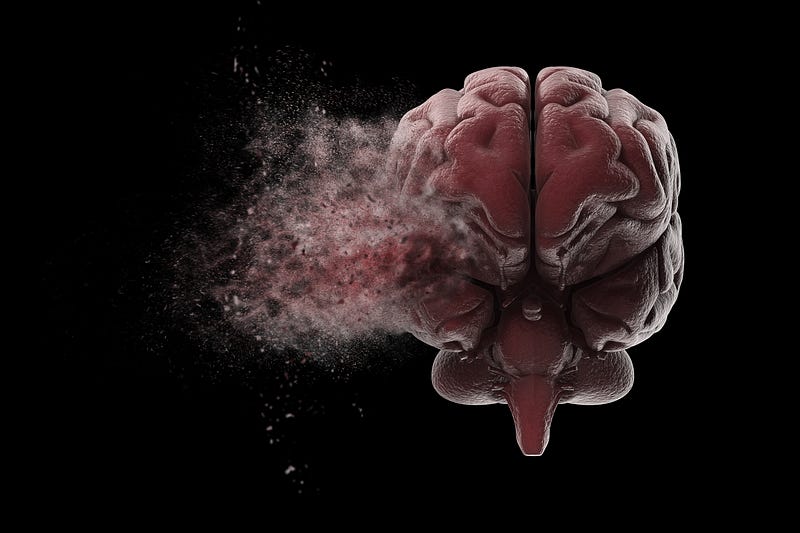
Trauma isn’t just something that hurts our feelings (despite what some popular internet definitions would have you believe). In fact, it’s a deep scar which actually changes the physical layout — and operating ability — of our brains. From smaller and even under-developed prefrontal cortexes to a struggling hippocampus — there’s a reason our nervous systems struggle to cope in the wake of a debilitating emotional experience.
The prefrontal cortex
Our prefrontal cortex is the part of the brain that helps us to make rational decisions. Victims of trauma, though, generally have less active prefrontal cortexes than those without a lot of traumas. As a result, those with PTSD and C-PTSD can find that they struggle to learn new information. They may also struggle to control their fear — which takes a serious toll on their ability to think logically and make sensible decisions.
The hippocampus
The hippocampus is located at the rear of the brain. Generally considered the “learning center” of the brain, studies have shown that this cognitive core is smaller and less active in those with a history of trauma. This can affect their memory, as well as other cognitive functions like learning, understanding, and critical thinking. Damage to the hippocampus can make it hard to distinguish between past and present, resulting in a state of hyper-vigilance.
The nervous system
When the above parts of the brain are whirring, damaged, and out of control, our nervous system is generally what pays the price. Kicked into overdrive, victims of trauma go into a permanent fight-or-flight state, in which they become hyper-aroused (in a non-sexual way) and hyper-aware of potential dangers. It’s like being on edge at all times, always ready to flee. This narrows the “window of tolerance” that these individuals have for stress. Which, imaginably, takes a toll on their physical health and relationships.
How it manifests in your life.
The above effects mean little if you don’t also understand how these things manifest in your life. Under-developed and damaged areas of our brain affect our behavior and the outward manifestations of our lives and relationships. You’ll struggle to regulate your moods, you can struggle to sleep. You may even be unable to make stable and healthy decisions for yourself.
Mood regulation
Common to trauma survivors (both because of learned patterns and neurological delays and damage) mood swings become one of the most debilitating side effects of their pain. They can find that they exist in a state of rage, grief, and irritability. Perpetually raw, they can leap from one emotional state to the other with little awareness of the over-arching effects. Mood dysregulation is just a part of the game when you’re someone with PTSD or C-PTSD.
Difficulty sleeping
Do you have difficulty sleeping? Struggling to fall asleep, are you plagued by nightmares and memories when you do? This probably causes problems staying asleep — even if you can’t remember your dreams or the emotional restlessness they cause. All of this is common in those who are survivors of trauma that leaves its lasting mark upon them.
Cognitive issues
The hippocampus bears a heavy hand in our ability to think, concentrate, and even learn valuable information. These cognitive issues can affect everything from the careers that we’re able to build for ourselves to the relationships that we form. You can end up with low self-esteem as you struggle to remember things or focus on things that are deemed important markers of growth. This turns into an internalized shame which spirals through your life; ripping it apart.
Bad decision making
Because the pre-frontal cortex is affected by trauma (at any age of life) it can take a serious toll on our ability to make sound decisions. This means you can be impulsive — in your careers, in your relationships, and even in the way you interact with others. On top of that, you can wind up becoming irrational and self-destructive. Loathing yourself, you use poor decisions to manifest a negative like that reflects your negative sense of self-worth.
Mental wellness
Unsurprisingly, mental wellness is heavily affected by trauma. When you’re the victim of trauma, you may struggle to deal with anxiety, depression, hopelessness, and even a lack of ability to feel pleasure. For some, this includes a total dissociation. It can also include personality disorders which create excess turbulence in the lives of those who are dealing with their trauma.
Risky behavior
One of the most common side-effects of trauma (and the subsequent brain damage and delays) is increased risky behavior. This can look different in every victim, and in some it may manifest in the opposite direction (an extreme cautiousness). Those who decided to go the risky route usually engage in substance abuse, promiscuity, gambling, and anything else that can give them thrills, endorphin hits, or the punishment that validates their self-hatred.
Tips for coping with your trauma.
While you are never responsible for the damage inflicted on you by the world, you are certainly responsible for dealing with your trauma. Make no mistake, the wounds will never go away. But you can create a balm which soothes them, and allows you to take their lessons with no further pain or wounding. You have to double-down on a commitment to self, however.
1. Accept the glaring reality
The world is rife with trauma. Most of the people that you know have experienced some sort of trauma in their life that has left an indelible mark on them (whether or not they know it). When you look around and accept that most people are reacting from the place of a broken inner child, it shifts your perception of self and reality. You’re not some freak of nature. You’re just trying to figure it out like everyone else around you.
Accept your reality and where you’re at in your journey — whether that’s Day 1 or Day 3,654. You are not broken. And you are not “damaged goods,” and you certainly aren’t unworthy. What you are is in pain; just like millions of other people walking around now in this second. You are no better or worse, and your journey is no less valuable or transformative than theirs.
Once you move into a more accepting reality, your healing journey opens up. You will discover the courage to open up to others, and even to acknowledge what happened to you. Acceptance is the first step in removing the shame and celebrating the person we’ve managed to become despite the pain that we’ve been in. Instead of running from the truth (and wearing yourself down) stop and confront it. From there, you can figure out where you need to go in order to heal and find your peace.
2. Open up to those you trust
The burden of healing is heavy. There are so many emotional difficulties, and at times, you will feel like you can’t go on. That’s the nature of shadow work. Not all of it has to happen alone, however. You can open up to others. You can share your pain with them and ease the tremors that you’re going through. Opening up has to happen first, though. You must find the power to verbalize what you’re feeling and the character to judge the right people.
Open up to those you trust. Sit them down and share your experiences with them. Choose wisely, though. You don’t need an audience. You need a support system. That means caring and compassionate people that want to hear you because they want to help you — not because they want to be entertained or encouraged about their own lives.
Keep the circle small, and limited to those you have a proven track record with. This is also the point when it’s wise to get involved with therapists, counselors, and even coaches with experience dealing with your specific needs. Allow others to see where you’re at and they will be able to lift you up and show you better sides of yourself. There is no longer any shame in what happened to you or who you were. You are shedding those things and, in opening up to others, you are letting them go.
3. Take time to forgive yourself
Let’s be clear: You don’t have to forgive the people who hurt you. Not now, and not later on in your healing journey. That’s not necessary. Sure, you need to detach from the anger, but you don’t have to give them anything else. What you are required to do, however, is to forgive yourself. You’ve got to extend this forgiveness to get beyond the mistakes and the resentment.
Take time to forgive yourself. You can’t move forward if you keep holding on to all that anger and resentment. You know you were broken — so why are you holding a grudge? You were always working with the best knowledge that you had. So you got it wrong? We all get it wrong from time-to-time.
Stop beating yourself up. Stop punishing yourself or allowing yourself to slip back into those self-destructive places. None of this self-flagellation will change what happened — or how you feel about yourself. It won’t bring them back, or change any of the decisions that you made. All you can do is to turn your vision forward and make space for the person who you’re becoming. Love that person, and learn to love who you were, and you’ll find a happier self in the middle of it all.
4. Come to love your inner child
Incorporating your inner child is a must on the road to healing your trauma — especially if your trauma is rooted in your childhood. That little being is still inside of you, trapped at the point of their pain and reliving that fear over-and-over again. For the healing process to come full circle, you have to scoop that child up and give them the love, support, acceptance, affection, and structure that they were denied all these years.
Take your inner child by the hand and lead them out into the open. Pull them right up out of that pain and show that little girl all the love and compassion she was denied. Accept her for exactly who she is and encourage to embrace a new life by your side.
That hurting inner child can’t be ignored if you’re focused on healing. They have to be incorporated into who you are, and when that happens, it transforms your life. You can rediscover a new sense of joy and wonder in life. Your future will literally shift. It’s like coming out of light into darkness. Embracing our inner child is where we find those soft and vulnerable sides of ourselves. Love her and she will teach you how to trust and build hope again.
5. Manifest a different future
There’s a lot of talk out there about manifestation. Especially in the healing / pseudo-spirituality space. The problem, though, is that must have come to both see manifesting as an act of positive thinking alone. Nothing could be further from the truth. True manifestation is a crossroads between our faith in self and the action that we take day-in and day-out. Do you actually want to manifest something better? You have to know yourself and have faith to act.
Manifest a different future for yourself. You don’t have to live tied to that pain. You don’t have to exist in a state of fearful expectation. You can break out of the patterns and traditions that have been set. The future can look exactly as you dreamed of it.
You must make different choices for yourself. You have to make changes. Looking at what happened to you as an excuse for staying small won’t work anymore. Your needs have transcended that point in your life. From this moment, you must stand in the full truth of your glory and your worth. Choose different partners. Choose to heal. Consciously choose better things for yourself in every respect of the phrase. Don’t settle for another second. Don’t sell yourself short. Manifest a different future with mindfulness and compassion toward who you are becoming.
Putting it all together…
Trauma doesn’t just create emotional wounds. It can change the landscape of our brain. This has a serious effect our ability to self-actualize, and our ability to build and sustain stable relationships. If you’re serious about moving forward, then you have to take a step back and re-evaluate your pain. Acknowledge how your behaviors and abilities have been shaped so that you can heal with understanding and compassion.
Accept what happened to you and the person you’ve become in the wake of your trauma. You are not alone. Millions of us around the world have experienced the same trauma. Use this to encourage yourself. Open up to those you can trust and find the help you need to get on a path to healing. Take time to forgive yourself. Don’t rush it. You were only doing the best that you could with the tools that you had. Pull back the layers and rediscover your inner child. Embrace them and love them for all that they are. Loving our inner child allows us to move past the pain that was inflicted on us in the past. Manifest a different future for yourself so that you don’t have to live tied to things you could never control. Now is your moment to rise above.