
What’s your childhood trauma archetype?
Broken children grow up to be broken adults. If you want to let go of that pain, start by identifying your archetype.
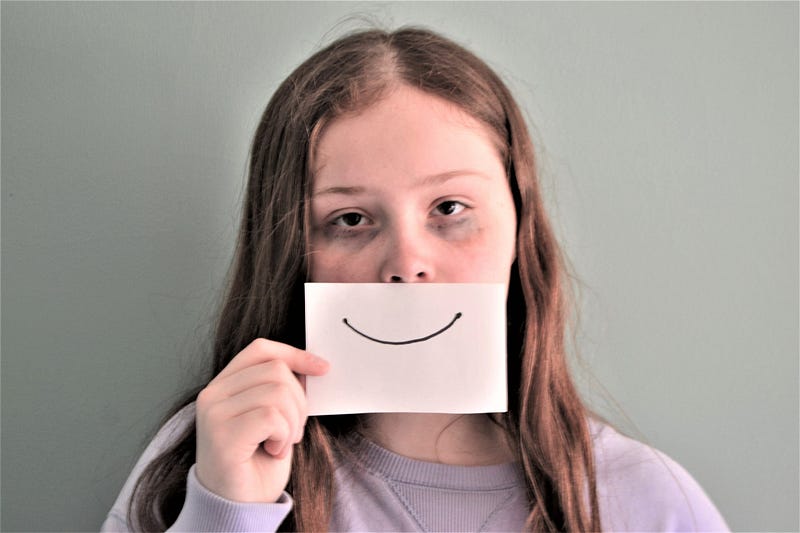
by: E.B. Johnson
The experiences of our childhood do more than just form faint memories. They implant on us in transformative ways that go on to impact our adult lives for decades to come. When you grow up in the middle of trauma, chaos, or fear it creates crucial baselines that inform everything from how we process stress on how we form relationships. Our childhood experiences shape us more than perhaps any other events in our lives, yet so many of us fail to fully explore and resolve them.
By identifying your child trauma archetype, you can empower yourself to heal as an adult. This means going deep, though, and confronting memories, moments, and people who might otherwise give you a strong emotional response. The more we understand where we’ve come from, the more effective we can be at determining where we go. Stop running from the pain of your dysfunctional childhood and embrace it. Identify your broken child archetype, then use that knowledge to empower yourself to move on.
What happens in childhood lingers for a lifetime.
The experiences of our childhoods don’t just linger for a moment — they linger for a lifetime. As children, we are blank slates; dry sponges soaking up every ounce of information in our environments. We see everything. We hear everything. We feel everything (even when we don’t realize it). These events shape the decisions we make in adulthood, the partners we choose, the careers we gravitate toward. While these lessons can be good, they can also be toxic. Either way, it’s up to us to find the power to resolve them from within.
Emotionally broken children are rarely born that way. More often than not, they are created by ill, negligent, or self-centered adults who are doing their best only for themselves. Caught up in the pain and dysfunction, their children squeeze themselves into the most comfortable roles they can fill and begin to shape their worldview.
From the necessary hero to the lost child — there are very specific archetypes we can find ourselves falling into as the adult children of broken homes. Whether we make the conscious decision to fill these roles or not, they all take a serious toll on our outlooks later on in life. They undermine our happiness, they can prevent us from forming healthy relationships, and they can prevent us from reaching our full potential. Understanding these archetypes is the first key in the first gate to freedom when it comes to the journey of letting the past go.
The adverse experiences that shape us in childhood.
There is no event in childhood that is not a learning experience, or a chance to form an idea. When those events are good, they form good memories, good feelings and good patterns. When they’re bad, the opposite comes true. Adverse experiences in childhood shape us well into our adulthoods, and they must be confronted in order to be defeated.
Abuse and neglect
Abuse and neglect are two of the most common forms of adverse childhood experiences. This wide breadth of situations can encompass mental abuse (mind games), physical abuse (hitting, punching), sexual abuse (rape, molestation) and emotional and physical abandonment by the caretaker. While each experience is unique, they instill in the child fear, guilt, shame and other negative feelings that can create additional feelings of hopelessness and anxiety.
Parental coping patterns
Did you grow up in a household full of addicts? Did you watch your parents eat themselves to death, or gamble away their paychecks? The coping patterns our parents use — even when not directed at us — have a direct impact on us as children. We see these patterns and later mimic them in our own lives (in a morbid game of “monkey-see-monkey-do”). Likewise, negative fallout caused by their behavior can also have a direct impact on our emotions and mental health in childhood and adulthood.
Natural disasters
Though we don’t often think of it until it happens to us, natural disasters can be a formative moment in a child’s life. Losing your home to a natural disaster, or finding your family catastrophically displaced creates a massive instability, while warping entirely the child’s idea of safety. When we lose our homes (or even family members) to an act of nature, those memories follow us for life and leave an indelible scar.
Civil unrest
If you think the unfolding civil unrest isn’t having an impact on the children of right now, you are highly mistaken. Polarizing images of violence and unrest leave their mark on a child. Encountering ravenous extremists on a trip to the grocery store does a lot to inform a child what is and isn’t acceptable behavior. While we might get much of our information on self from our homes and families, we also get a great deal of that identity from society and the examples that are set for us there.
Emotional turmoil
The emotional turmoil and emotional upset that plagues our homes also plagues our childhood. A parent dealing with complex emotional and mental health needs can find that their behaviors and outlooks have a serious impact on their children. Likewise, caretakers who suffer a revolving door of emotionally upsetting relationships can find that their children (even if not directly involved in the emotional fallout) perpetuate those same patterns later in life…much to their own detriment.
The different childhood trauma archetypes.
There are 5 archetypes that the emotionally broken children of dysfunctional homes generally fall into. When we understand these roles, we can start to notice the patterns in our adult lives that are keeping us chained to the traumas of our pasts. We don’t have to repeat the past. We’re free to release it when we’re ready and equipped with the right knowledge.
The Necessary Hero
The Necessary Hero — in many ways — is one of the most tragic archetypes because the role is forced and comes with a heavy burden (and few exits). This role is generally taken on by the oldest child, and forces them to overcompensate in ways that exhaust and deny them. They never get to know who they truly are, as they are always working hard to make the family look as good as possible to the outside world. They are overachievers who generally come to believe that the better they look on the outside, the less things will hurt on the inside.
The Jester
Traditionally assumed by the youngest in the family, The Jester is an archetype whose primary aim involves covering up the issues or reshaping the family; but in a much different way. The Jester uses comedy to heal the wounds of others and antics to mask their own insecurities and shortcomings. When things get volatile they strive for peace, but their greatest weapon is often their greatest weakness. While their humorous approach to life might make others feel at ease, it does little to address their own pain and suffering.
The Wild Child
Sometimes known as the “scapegoat”, The Wild Child is the child who generally fills the role of the family’s outcast or fringe-dweller. They are always getting into trouble and constantly acting without thinking about what they’re doing. They’re impulsive, emotional, and regularly find themselves at odds with authority figures and even law enforcement. In many ways, though, they take a big bullet for the family. Because of their antics, they get blamed for everything that goes wrong — so they’re usually the first to flee the nest. They crave attention more than anything else, and that can lead to serious trouble.
The Substitute
The Substitute comes into the picture when our caretakers fail to provide us with the safety and security that we need. This occurs when this child steps up and takes a protective role over an out-of-control parent, or even their siblings. They might be wise beyond their years, and spend a great deal of time “picking up the pieces” after a blow-up, or a breakdown in family connections. Rather than allowing the real caretakers of the family to step up and confront their shortcomings, The Substitute does the extra work themselves in order to shield the failed caretaker.
The Aimless Wanderer
The Aimless Wanderer is the most typical archetype, and one that many of us might find ourselves moving between or experiencing aspects of. Rather than acting out, this lost child reverts inward. They can also be referred to as the “invisible” child, retreating to their rooms, or finding solace in books, music, and their imagination over the chaos of their family units. Aimless Wanderers don’t like to stand out, but they don’t like to spend a lot of time analyzing their discomfort either. They’re almost non-existent in the family, and they keep things that way in adulthood; wandering lost and without purpose.
How to overcome your childhood and heal yourself as an adult.
So, how does this knowledge help us to overcome our pain in adulthood? Archetypes are a great starting point with which to position ourselves toward healing. The more we know about our pain and how we express it, the more effectively we can take the tools below and shift them to fit our needs, right here and right now.
1. Write yourself a new narrative
As children, we have an almost god-like sense of awe, love and respect for our parents and caretakers. We see them as omnipotent beings, the sole reason for our survival and existence — but when those feelings extend past childhood, we often forget to extend that same love and respect to ourselves. In order to find true happiness, we have to learn to write a new narrative for ourselves. We have to learn to slip out of the roles they assigned us, and into new ones that fit.
No matter what happened in your past, or what is happening in this current moment, it’s all moot if you can’t love yourself for who and what you are. In order to find happiness, you have to find a way to love yourself — the good and the bad — and you have to find a way to forgive yourself for the missteps and mistakes that led you to where you are today.
Do this by writing a new story for yourself. Establish your boundaries and stop looking for outward guidance. You are strong enough and capable enough to decide for yourself who and what you want to be. We are the masters of our own destinies, but that can be hard to accept when you have a mountain of childhood pain resting behind you. Let go of the darker influences in your past and lean into embracing the destiny you want for yourself and the chosen family you’re building.
2. Embrace a new level of self-worth
Self-worth is the powerful foundation on which we build the futures that bring us peace, prosperity and fulfillment. Escaping the shackles of a judgmental or ridiculing parent starts with loving yourself radically and unashamedly — and that means seeing your value for what it truly is. The most explosive rebellion you can engage in, when it comes to dealing with poor caretakers, is owning your right to respect and self-love in every single aspect of your life. Honor your value in every aspect of life as revenge.
As humans living and breathing on this planet, we have a sacred right to be loved, but that love can only come to us when we cultivate an environment of kindness, generosity and respect around ourselves. By surrounding ourselves with those conditions, we can build those qualities in ourselves, but it takes shutting out the things that suck those things out of our lives.
Part of realizing that you are worthy of love and respect is also realizing that you are allowed to slam doors on the people that do not attract these things in your life. When the conditions you need to thrive aren’t meant, leave behind those people who leave you stuck to the past. While your parents might have made your journey to enlightenment harder, the only person keeping you from soaring is yourself. You have to make the decision whether to stay stuck or move forward.
3. Find professional help
Facing and resolving the pain of the past is not something that we can always do alone, and it’s not something that can be managed simply with the help of a few good friends. Sometimes, it’s necessary to find a specialist when dealing with childhood trauma; but it’s important to make sure you’re finding the right person to help you resolve past issues.
Trauma symptoms vary from case to case and as such need to be assessed by qualified and experienced trauma professionals. Finding a therapist who has experience treating trauma like yours can take time, but cognitive-behavioral therapists and EMDR professionals are a good place to start. Take your time and don’t rush into anything that doesn’t feel right.
A professional can help you get to the root of your problems, but you have to open up and you have to know what direction you want to head in. Healing is hard, but living eternally in pain is harder. If you think you need more serious help, reach out for it. When you feel better physically, you have more strength to engage in the mental and emotional war of healing and resolution. This puts our overall wellness in clearer focus and makes our efforts to heal more effective and less costly in the long run.
4. Put the patterns to bed
When we grow up with domineering or abusive parents, we often find ourselves attracted to those types of people later on in life. There’s some pretty compelling reasons for this. We all seek resolution, whether we realize it or not. When we’re hurt by our parents, those hurts linger for a long time and it leaves us searching for the warmth and nurturing we didn’t receive at critical points in our childhood development.
So, we are driven to find a resolution for that need and it usually ends with us falling into similar relationships with people that are just as toxic for us as our controlling, judgmental parents. We look to receive what we didn’t get from our parents with other people (when we should be looking to get it from within). You have to learn to recognize these patterns and break them before they become inescapable.
Living with feelings of hurt and rejection causes us to live in a gray state, where we allow ourselves to be taken over by autopilot. Automatic thoughts and feelings drive us into poor choices and cause us to gravitate toward people that feel comfortable to us — even when they’re toxic. Start with embracing the hurts you don’t want to face. These decisions aren’t conscious ones, but they’re harmful ones, and stopping them starts with identifying your emotional triggers that make you numb yourself to the reality of the world around you.
5. Let go of outdated expectations
Implanted expectations are messages we absorb which form our “baseline” on everything from school to relationships and society. These “shoulds” guide our behavior in an almost reactive way and have to be analyzed often for their value in our lives. (or their detriment). When you take a closer look at your shoulds (especially the ones formed in childhood) you’ll often find that you’ve swallowed a spoonful of poison along with all that idealized sugar and fluff.
These beliefs come from years of cultivating and reinforcement. They can help us move forward or they can keep us stuck; they’re all the little quiet messages we receive in the in-between. Believing these messages when we’re young might steer us in the right direction, but they can also be diabolical in our adulthood; so it’s important to correct where correction is needed.
Parents can raise us to feel indebted to them, and while this might work as a child, it doesn’t serve an adult who knows their own mind and life. You might feel like you owe the people that gave you your life, but you can cope now — with or without them. Remember that you’re older now and the circumstances are different. If you’re dealing with a toxic or abusive parent that makes you feel bad about yourself — stop it. You’re an adult, and adults don’t owe anything to other adults; no matter what we pretend otherwise.
Putting it all together…
Adverse childhood experiences aren’t just hard, they have long-term consequences on our adult lives. When we grow up being abused, or suffering under the stress of a neglectful or mentally unwell parental figure — it can lead to our own abuse of substances, cognitive dysfunction, and even prolonged mental health struggles. Understanding our broken child archetype can better help us to understand this pain and identify effective ways to start dealing with our trauma.
Write a new narrative for yourself and drop the old stories of broken families and disappointing parents. You don’t have to star in their story anymore. You can write your own. Embrace your self-worth and use that to instill confidence and faith in self and the things you want from your future. If you’re struggling with particularly large shadows, invest in some professional help and allow someone to help guide you on the path to healing. Put the old patterns of your parents to bed and embrace new and healthier ways of connecting and engaging with life and with love. All that aside, ensure that you’re letting go of outdated expectations and all the “shoulds” that shouldn’t be. The darkness of a dysfunctional childhood is a burden you shouldn’t have to bear. So shed it and become the person you were always meant to be.


