How to Write - 9: Mastering the Art of Character Creation in Fiction
Introduction
Hey there, future master of the fictional universe! You’re about to embark on an adventure where characters come alive, right under the tip of your pen. These aren’t just words on paper; they’re living, breathing entities in a world you’re about to create.
They’re the heartbeat of every tale, the ones who invite readers into their world, make them feel at home, or sometimes, make them want to leave the lights on at night. Think of Sherlock Holmes, with his pipe and his sharp eye for detail, a man who can unravel mysteries from the comfort of his armchair. Or consider Hermione Granger, with her quick wit and quicker spells, a girl who shows us that bravery comes in many forms.
These characters are more than just figments of imagination; they’re the friends we find in the pages of a book, the heroes and heroines of our bedtime stories. Now, it’s your turn to weave such magic. Are you ready to breathe life into characters that will leap off the page and into the hearts of your readers?
Let’s roll up our sleeves and start this journey into the art of character creation. Let’s make your characters so vivid, so real, that they stay with your readers long after the last page is turned. Let’s create a world so rich in personality that your readers will wish they could book a one-way ticket there.
Welcome to the world of character creation — where every name has a story, and every story needs a hero (or a villain, or a sidekick, or all of the above). Let’s make some magic happen!
Section 1: Understanding the Role of Characters
Picture your story as a big, delicious pie. Now, think of your characters as the ingredients that give it all its flavor. You’ve got the bold protagonists, the heroes of your story who lead the charge. They’re like the main filling, essential and satisfying. Then there are the sly antagonists, the ones who stir the pot and make things interesting. They’re like a dash of spice, adding that necessary kick to the mix.
But wait, there’s more! Let’s talk about those delightful sidekicks. They add their own unique flavor, often bringing humor or a different perspective. They’re like the herbs and seasonings that round out the flavor of your pie. These characters aren’t just there to take up space. No, they’re actively driving your plot forward, shaping the themes of your story, and taking your readers on an emotional rollercoaster. It’s their actions and reactions that keep your readers turning the pages, eager to see what happens next.
Oh, and let’s not forget about the secondary characters. They’re like the secret sauce of your narrative. Just a little bit of them goes a long way in giving your story the depth and complexity it needs. They’re the ones who fill out your fictional world, making it feel lived-in and real.
Types of Characters — A Deeper Look
Now, let’s consider the side characters, those unsung heroes of your tale. They’re the trusty sidekicks who support the protagonist, the wise mentors who provide guidance, or that quirky neighbor who has a habit of mowing their lawn at 7 AM, much to everyone’s chagrin. They add a depth to your main characters by contrast and interaction, showcasing different facets of your protagonist’s personality.
And we can’t overlook those background characters. Even though they might have just a line or two, they’re crucial. They’re like the brushstrokes in a painting, adding texture and color to the world you’ve built. A well-placed comment from a passerby or a brief interaction with a bartender can add a whole new layer of realism to your story. These characters make your fictional world breathe with life, giving it a richness that main characters alone can’t achieve.
Section 2: The Anatomy of a Compelling Character
Think of creating characters as if you’re a master barista crafting the perfect latte. It’s an art form where balance is key. You want your characters to have depth — layers upon layers of personality, just like an onion. But unlike an onion, your goal is to make them less likely to bring tears (unless that’s part of your master plan).
Take Frodo Baggins, for example. He’s not just a small Hobbit; he’s a small Hobbit with a heart as vast as the Shire itself, brimming with courage and an unyielding spirit. Then there’s Severus Snape, a character as complex as a labyrinth. He’s not just a man in black with a sour disposition; he’s a whirlpool of secrets, regrets, and unspoken love, brewing beneath the surface like a storm.
Character Traits Explored
Now, let’s talk about quirks because they’re the secret ingredient in the character concoction. Quirks are like those little habits or preferences that make a character jump off the page and into reality. Maybe your protagonist has an oddball love for disco music, grooving to the Bee Gees every chance they get. Or perhaps they have a habit of talking to plants, and not just casual small talk, but deep, existential discussions (because who hasn’t questioned the meaning of life with a fern?)
It’s these idiosyncrasies that make your characters more than just words on a page. They transform into someone readers could bump into at the grocery store or sit next to on a bus. They’re the odd friend, the quirky colleague, the neighbor with the weird lawn ornaments. These small, seemingly insignificant details are what breathe life into characters, making them unforgettable.
Section 3: Crafting the Character’s Backstory
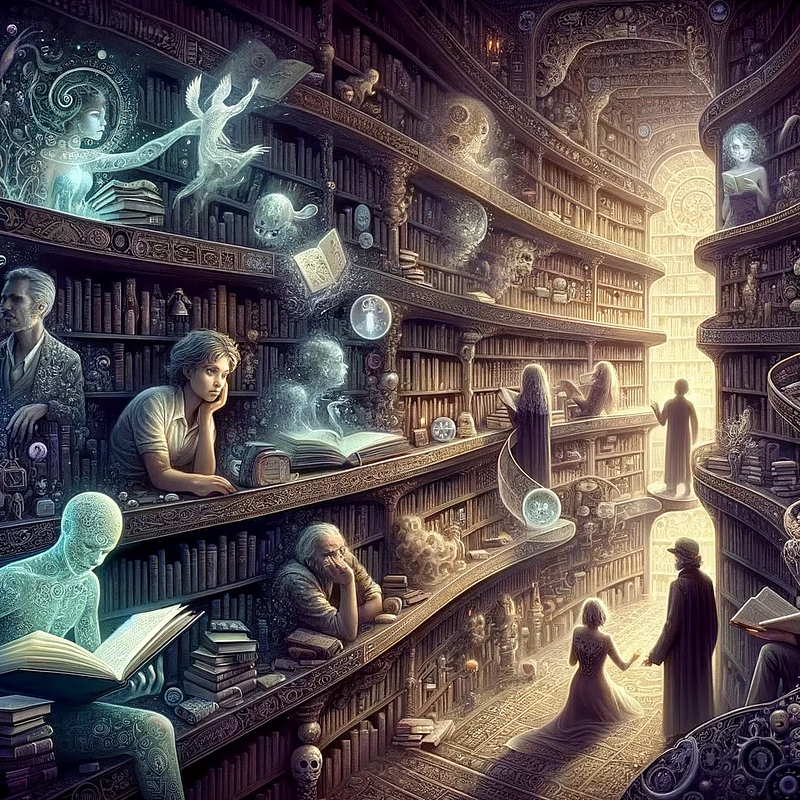
Imagine a character’s backstory as the roots of a mighty oak, hidden deep underground but essential for its grandeur above. It’s the unseen history that has nourished and shaped them into the towering presence they are in your story. Take your hero with their irrational fear of spiders — perhaps as a child, they had an unforgettable encounter with a creepy crawler in their old attic. Or your villain, who turns bitter at the mere mention of lemonade — maybe it harks back to a childhood lemonade stand contest that went sour. Each element of their past is a puzzle piece, crucial in forming the complete picture of who they are.
Weaving in Backstory
When you weave in a character’s backstory, treat it like an expertly crafted mystery or like Easter eggs hidden in a video game, dropping subtle clues and hints along the way. Maybe your character’s hand trembles every time they pass an old, abandoned house, hinting at a haunting past experience. Or perhaps they wear a particular locket, their fingers brushing over it in moments of deep thought, suggesting a cherished memory or a lost love. Or maybe drop subtle hints — a nervous tic when a certain topic comes up, or a wistful glance at an old photo.
These fragments of their past, sprinkled throughout your narrative, invite your readers to lean in, piece together these fragments, and unravel the mystery of your character’s history. It’s a game of connect-the-dots, where each dot is a whispered secret from their past, waiting to be discovered and understood. Let your readers play detective, piecing together the clues.
Section 4: Character Arcs and Development
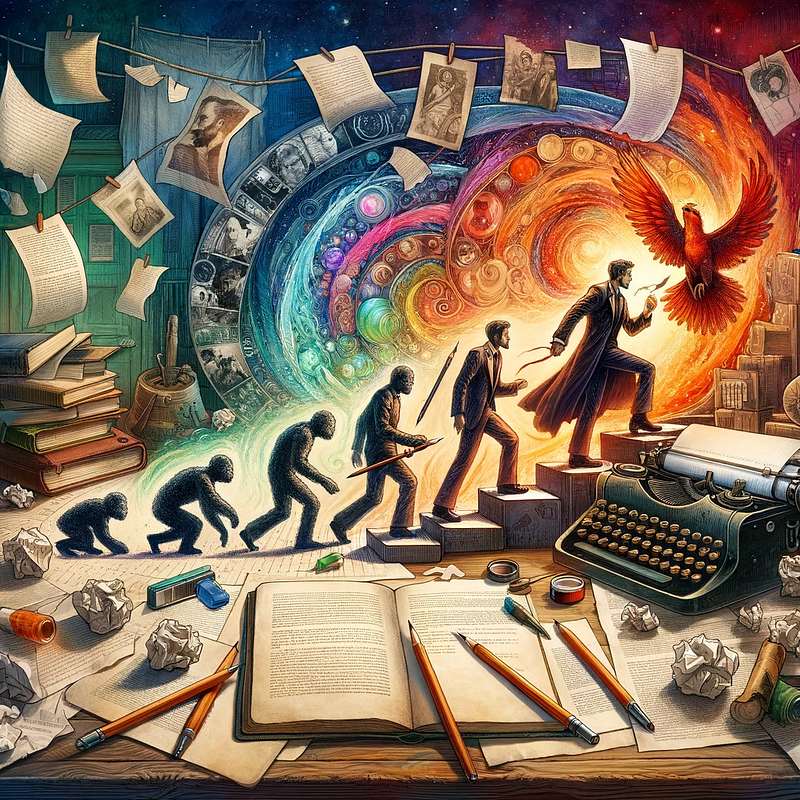
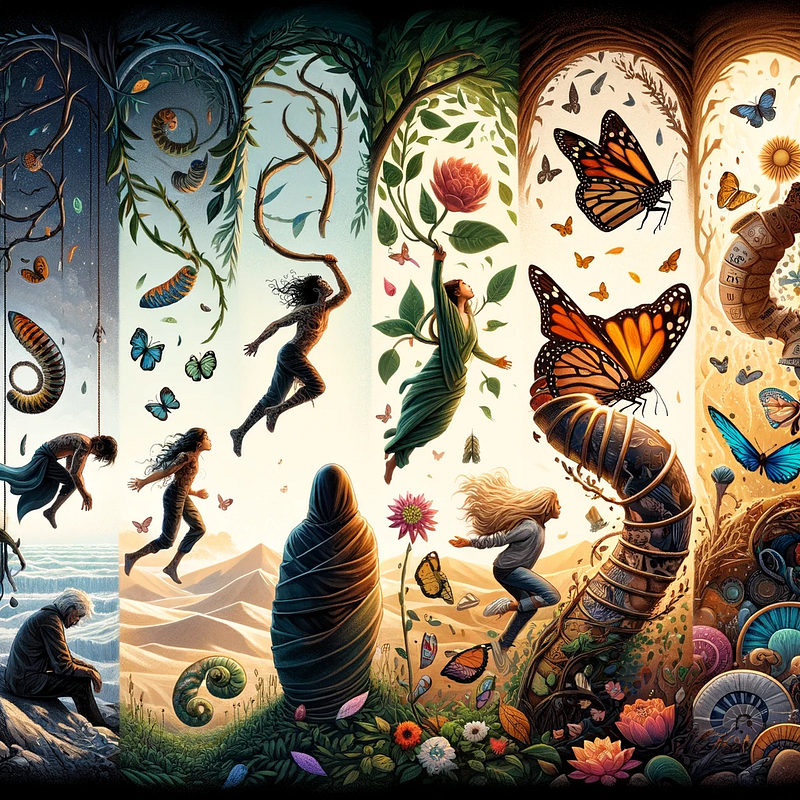
Think of character arcs as the personal journeys that your characters embark on, much like a caterpillar transforming into a butterfly. These arcs are as unique as fingerprints or snowflakes — no two characters should metamorphose in quite the same way. Consider Elizabeth Bennet in “Pride and Prejudice,” for instance. Her journey of self-discovery and overcoming personal biases is not just a change, it’s an evolution — a revelation of inner strength and understanding that unfolds beautifully throughout the story.
Diving into Different Arcs
When diving into different types of arcs, remember that not all character journeys are paved with triumph and confetti. Some of the most compelling arcs are about characters clawing their way out of the trenches they’ve dug for themselves. It could be a story of redemption, like a fallen hero rising to glory, or a tale of self-destruction, where the character spirals down a path of their own making. The beauty of these arcs lies in their authenticity and the raw, often gritty journey of the character. It’s about making the readers believe in the transformation, whether it’s soaring to new heights or tumbling into the abyss. These arcs should feel as real as the characters themselves, resonating with the struggles, triumphs, and failures that define human experience.
The key to nailing these character arcs is in the craft of showing their progression. It’s not enough to tell the readers that a character has changed; you have to show them the moments, the decisions, the pivotal points that mark the turning of the page in the character’s life. Whether it’s through a series of small, subtle shifts or a few significant, earth-shattering events, these arcs should be a journey that the readers are invested in, rooting for every step of the way. Remember, the most memorable character arcs are those that leave a lasting impression, making your readers think, feel, and perhaps even see a reflection of their own journeys in them.

Section 5: Dialogue and Voice
Imagine dialogue as the seasoning sprinkled over the meal of your story — it needs to be just right to tantalize the taste buds of your narrative. Picture a teenager in your story, their language peppered with emojis, a modern hieroglyphic that speaks volumes in smiling faces and thumbs up (😂👍). In contrast, visualize your old wizard, whose language is a treasure trove of archaic and rich phrases, echoing the wisdom of ages past. Each character’s way of speaking should reflect their personality and background, adding layers of depth and authenticity to your story.
Mastering Dialogue
Mastering dialogue is akin to conducting an orchestra — every word, pause, and expression plays a crucial role in the symphony of conversation. It’s not just about the words spoken; it’s about the silence between them, the sighs that convey weariness, the sharp inhales of surprise, and the words that linger unsaid, heavy in the air. This unspoken language often says more than the dialogue itself. It’s in the way a character hesitates before answering a question, the way their voice cracks on a particular word, or how their eyes avoid contact during a lie.
Dialogue is also about what’s said between the lines. It’s the subtle hints dropped in casual conversation, the double meanings, and the irony that characters themselves might not even be aware of. It’s the heated argument where the real issue isn’t even mentioned, or the declaration of love hidden in a simple, everyday question. As a writer, your task is to weave this tapestry of spoken and unspoken words, creating conversations that not only move the plot forward but also reveal the depths of your characters’ hearts and minds. Remember, in the world of your story, every word spoken is an opportunity to reveal a little more about the characters who inhabit it, making them come alive in the minds of your readers.
Section 6: Showing vs. Telling in Characterization
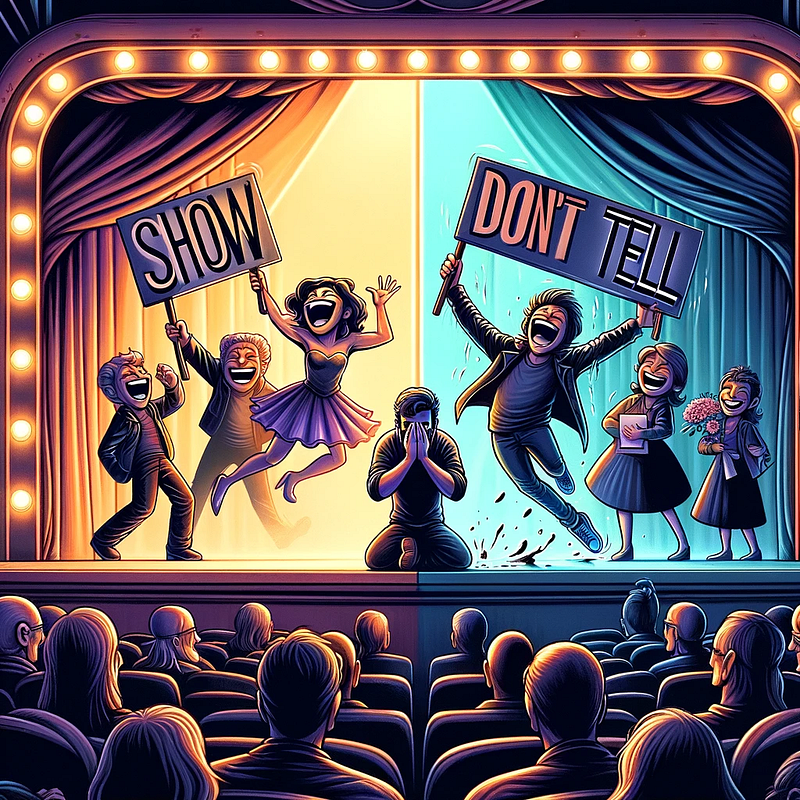
In the art of storytelling, it’s always better to show than just tell. Imagine saying, “Sally is sad.” That’s telling. Now, picture Sally curled up on her couch cocooned in a blanket, endlessly scrolling through romantic comedies with a box of tissues and ignoring the endless stream of calls and concerned texts from her friends. That’s showing. By showing her actions, you let your readers see Sally’s sadness for themselves. It paints a much more vivid and relatable picture in their minds.
The Art of ‘Show, Don’t Tell’
Think about your story as if it were a movie playing out on the big screen. In movies, there isn’t a narrator describing every little detail. Instead, the story unfolds through the characters’ actions, their expressions, and the things they say (or don’t say). Apply this to your writing. Let your characters’ actions speak for themselves. If Jack is nervous, maybe he’s pacing back and forth or fidgeting with his tie. If Mary is angry, perhaps she’s clenching her fists or her voice is sharp like a knife cutting through the air. Or the way their eyes dart away in a difficult conversation, the nervous tapping of fingers on a table, the forced smile that doesn’t quite reach their eyes.

Let your characters’ dialogues be more than just words exchanged; let them be a dance of hidden meanings, unspoken truths, and emotions that bubble under the surface. Picture a scene where the tension isn’t spelled out in exposition but is palpable in the terse exchange of words, the long pauses filled with unvoiced thoughts, the hurried change of subject to avoid uncomfortable truths.
This approach makes your story more engaging and dynamic. It invites your readers to be active participants, piecing together the clues you drop through your characters’ actions. It’s like giving them a puzzle where each piece is an action or a line of dialogue that, when put together, reveals the full picture of your characters’ emotions and personalities. So, ditch the straightforward declarations and let your characters show your readers who they are through their actions. This way, your readers get to discover and connect with your characters on a deeper, more personal level.
Section 7: Character Consistency vs. Evolution
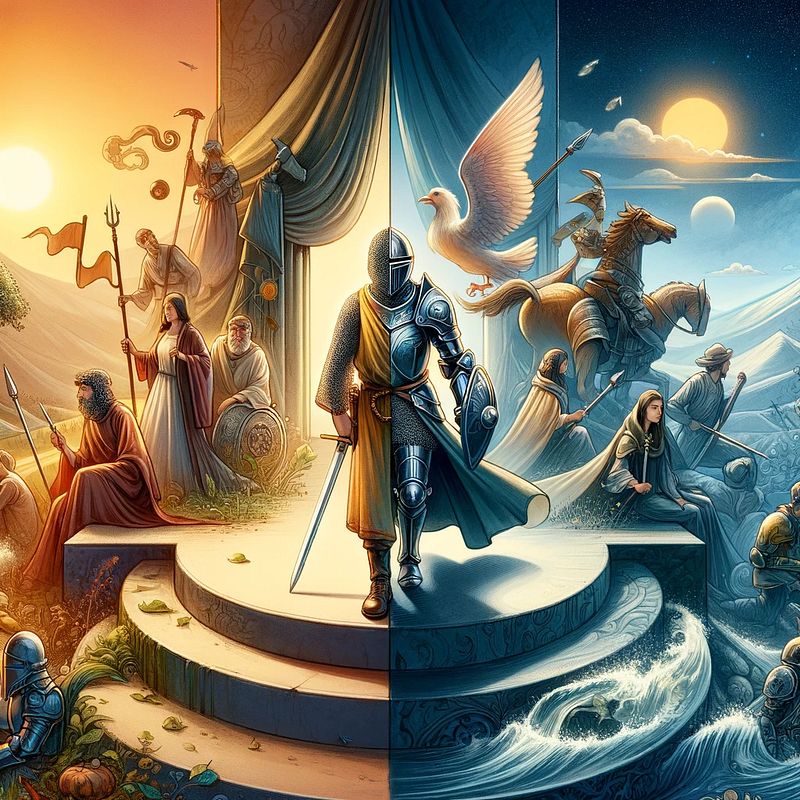
Think of your characters as trees in a vast, ever-changing forest. Just like these trees, your characters should grow and reach new heights, yet their roots — the core of who they are — should remain firmly planted in the ground. This growth should be as natural as the seasons changing, maintaining the essence of their being.
Imagine this: a character in your tale who suddenly starts rocking cowboy boots, yet they haven’t lost their taste for their all-time favorite vegan sushi. This mix of the new and the familiar is what makes your characters feel both exciting and real. Their foundational traits, the things that make them uniquely them, should stay recognizable even as they face and overcome the challenges you set before them.
Managing Character Evolution
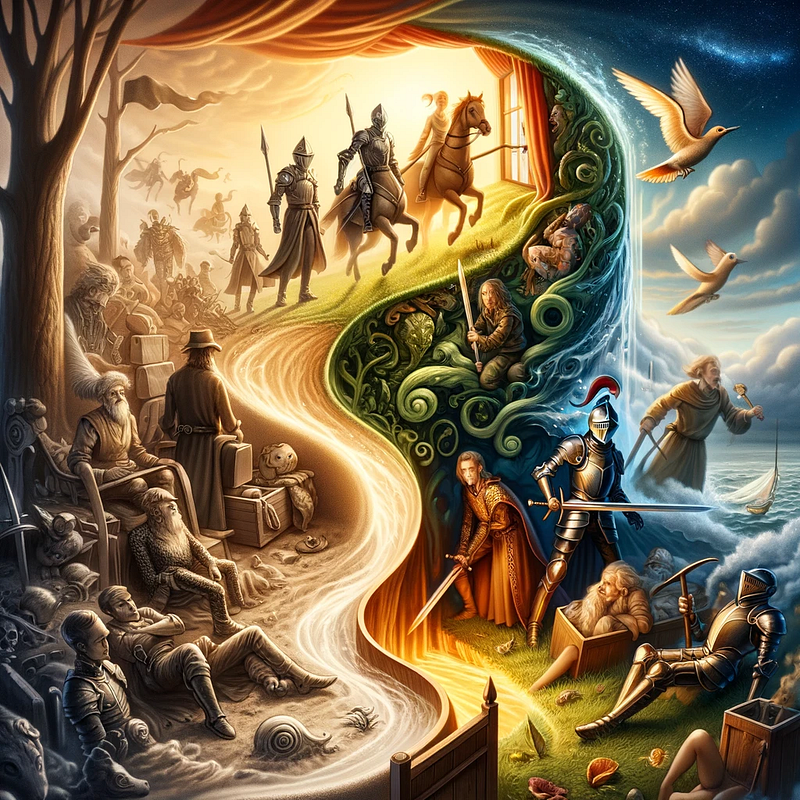
When you’re guiding your characters through their journey of change, it’s important to make it feel real and believable. You don’t want your readers to be jolted by a sudden, unexplained transformation.
Consider a character in your story who is shy and reserved. If you plan for them to transform into a social butterfly, this change should be gradual and believable. Maybe they start by pushing themselves to attend social gatherings, or they make a new friend who helps them open up. Perhaps they join a club or take up a hobby that builds their confidence. This journey should be sprinkled with setbacks and triumphs, moments of doubt, and bursts of bravery. It’s this journey, with all its twists and turns, that makes the evolution compelling and satisfying for the reader.
A character’s evolution should be like a dance, where each step is carefully choreographed to the rhythm of the narrative. It’s about finding the balance between who the character was and who they are becoming. This evolution is not just about reaching a destination; it’s about the journey they undertake to get there. Each experience, each decision, shapes them, carving out their path in the story. As a writer, your role is to guide this dance, ensuring that each step, each turn, feels true to the character, adding depth and dimension to their journey. Remember, the characters that linger in our minds long after we close the book are the ones who experience growth and change in ways that mirror the complexity and unpredictability of real life.

Section 8: Research and Realism in Character Creation
Imagine you’re painting a picture of someone you’ve never met. To make them look real, you’d want to know all the little details about them, right? That’s what research does when you’re creating characters. Say you’re writing about a pilot. It would be a good idea to actually talk to a real pilot. They could tell you about how they handle long flights, what they think about when they’re up in the sky, or even what they eat during their breaks. These small details add up to make your pilot character feel like a real person.
Ensuring Authenticity
And what if your character is from a culture that’s different from your own? Well, it’s like trying to cook a dish from another country. You’d want to make sure you get the ingredients right. So, dive deep into learning about that culture. Read books, watch documentaries, and if you can, chat with people who are from there. They can tell you about their traditions, what a typical day looks like for them, or even their favorite jokes. This helps you paint a fuller, more accurate picture of your character in your story.

When you’re building your characters, you want to steer clear of stereotypes. Stereotypes are like using the same basic template for everyone from a particular group. But in real life, people are more complex. They have different likes and dislikes, hopes, fears, and dreams. Just like no two friends you have are exactly the same, your characters should also be unique. They should feel like real people, each with their own story, just like the people you meet every day. This approach makes your characters relatable and your story much more engaging.
Section 9: Overcoming Character Writing Challenges
Picture yourself on a writing journey, cruising along the highway of your story. But, as with any road trip, sometimes you hit a bump or find yourself at a crossroads. Maybe you’ve noticed that all your characters sound a bit too much like echoes of each other, or they’re about as deep as a puddle after a light rain. It’s a common hurdle, but don’t worry — it’s nothing you can’t overcome with a bit of creativity and attention to detail.
The key to differentiating your characters is to infuse each one with a unique essence. Imagine each character as a different instrument in an orchestra. One might be a bold trumpet, blasting its presence for all to hear, while another could be a delicate violin, adding subtlety and depth to the symphony. Give each character a distinct voice — maybe one speaks in short, clipped sentences, while another loves long, flowery monologues.
Infusing Life into Your Characters
Next, dive into their dreams and fears. Perhaps one character dreams of sailing around the world but is terrified of deep water. Another might yearn for the spotlight but is petrified of public speaking. These aspirations and anxieties are what make your characters more than just names on a page — they become living, breathing entities with desires and obstacles, just like us.
But what if your characters still feel a little flat, like cardboard cutouts in a 3D world? It’s time to add some layers. Let’s revisit the idea of a character’s backstory, which we touched on earlier. Backstories are like the soil from which your characters grow. For instance, imagine one of your characters who had a nomadic childhood, constantly moving from place to place. This experience could ignite a restless spirit of wanderlust in them, or conversely, instill a deep yearning for a stable, permanent home. Another character might have grown up in a boisterous, bustling family, teaching them to treasure moments of solitude and silence. These backstories influence who your characters are in your story’s present, shaping their desires, fears, and actions.
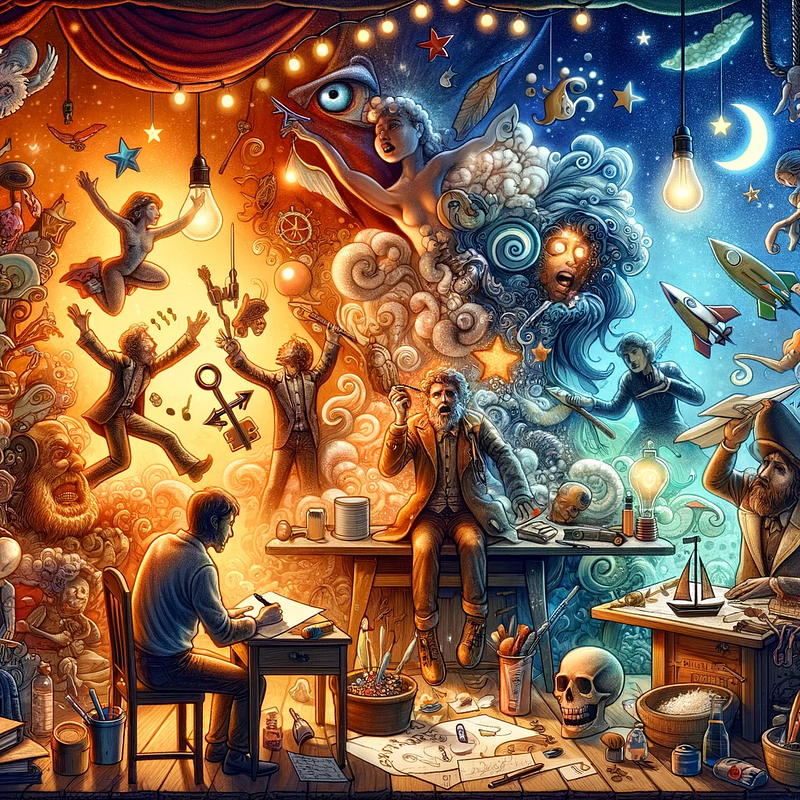
Creating memorable characters is like preparing a complex, flavorful dish. You need to blend various elements to achieve a harmonious balance — a pinch of quirkiness here, a dash of depth there, and perhaps a spoonful of secrets for good measure. Mix these ingredients carefully, and you’ll create characters that not only stand out but also feel as real and complex as the person next to you on the bus or in line at the grocery store.
So, go ahead and sprinkle in those unique traits, those little details that make each character distinct. Watch as your characters evolve from flat, one-dimensional figures into vibrant, lively personalities that jump off the page and capture the hearts and imaginations of your readers. Remember, the key to great character writing is to make each one as individual and distinct as the people in our own lives.
Section 10: Advanced Character Development Techniques
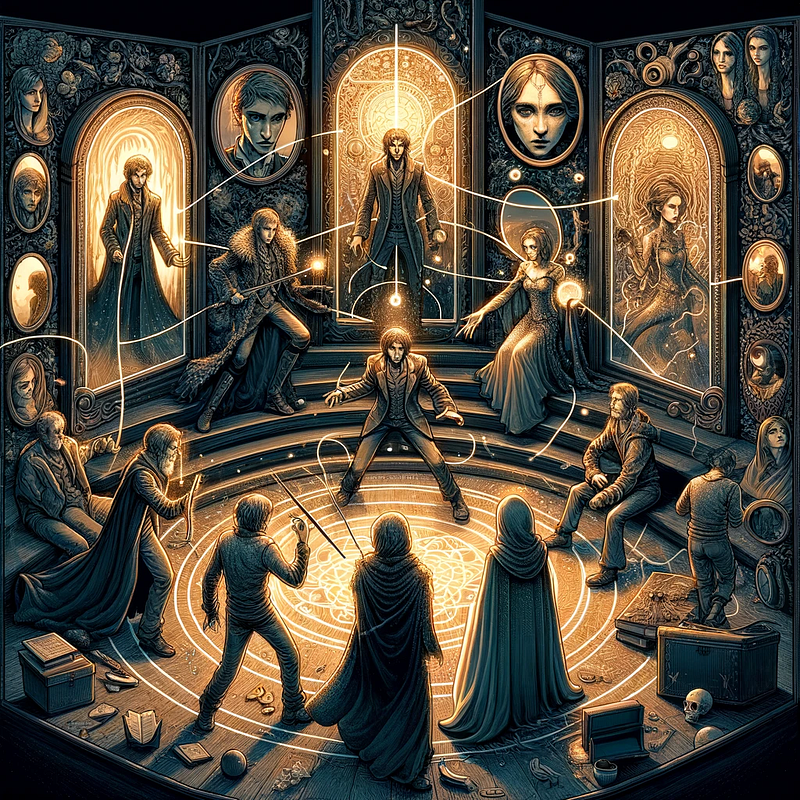
As you become more comfortable with creating characters, it’s time to play around and get a bit more inventive. This is where you can start using some clever literary tricks to add more layers to your story. Think about using foils and mirrors as tools to enhance your characters. A foil is a character who contrasts with another character, usually the protagonist, to highlight particular qualities of the other character. Picture the steady, practical Watson standing next to the brilliant, erratic Sherlock Holmes. Their contrasting personalities not only make each other more interesting but also deepen our understanding of both characters.
Then there are mirrors — characters who reflect each other in some way. Their parallel journeys can be a powerful way to explore different aspects of a theme or issue. Take Frodo and Gollum from “The Lord of the Rings.” Their mirrored struggles with the power of the One Ring offer a fascinating exploration of temptation and corruption versus resilience and hope.
Breaking New Ground in Characterization
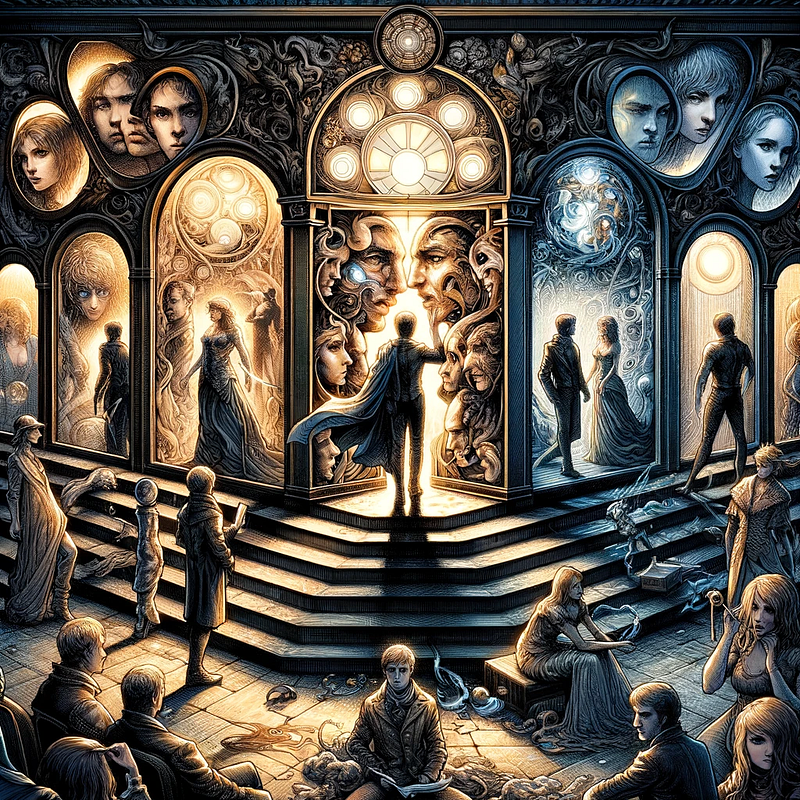
But why stop there? It’s time to break the mold and really let your creativity fly. Why not experiment with unique character traits or unexpected developments in your story? Maybe you create a character who speaks only in poetic verse, or one who experiences the world entirely through sound. You could even play around with the idea of an unreliable narrator — someone whose version of events might not be the whole truth, adding a layer of intrigue and mystery to your narrative.
The goal here is to keep both your readers and yourself on your toes. Surprise them with a character who defies expectations, who takes a left turn when everyone else is going right. Perhaps your most feared villain shows a moment of unexpected kindness, or your hero makes a questionable decision. These moments of unpredictability can make your story more engaging and thought-provoking.
So go ahead, push the boundaries of your characters. Play with different personalities, backstories, and choices that challenge both your readers’ and your own expectations. The beauty of writing is that there are no limits to where your imagination can take you. By exploring unconventional character development techniques, you’re not just telling a story; you’re creating an experience that can resonate deeply with your audience. Remember, some of the most memorable characters in literature are those who defy easy categorization, who surprise us, challenge us, and ultimately, reveal to us the complexities of the human spirit.
Conclusion
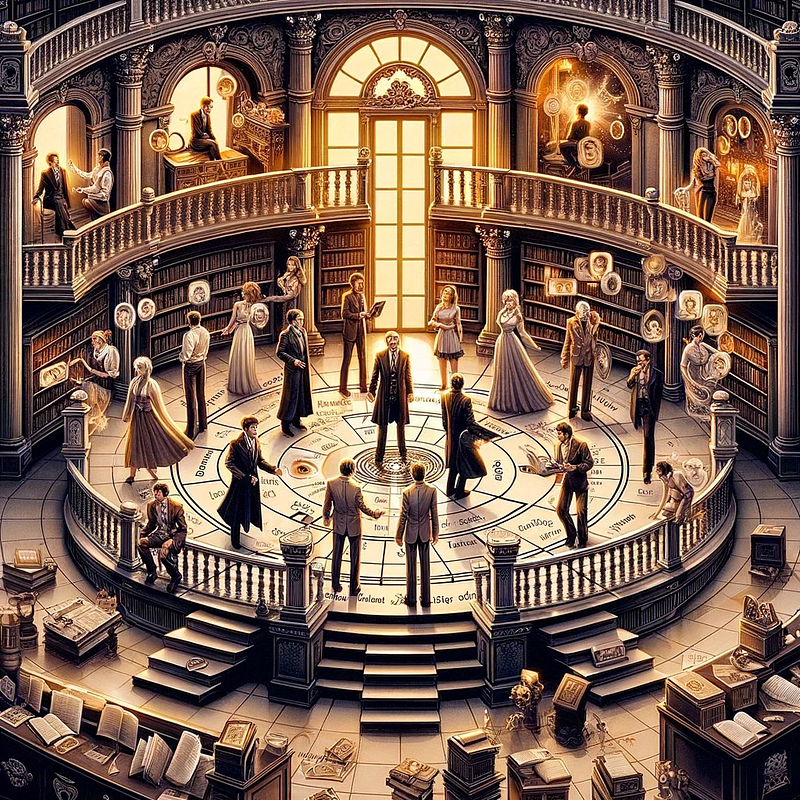
Imagine yourself as the mastermind behind the ultimate imaginary dinner party. You’re the gracious host, and your characters are your eclectic, vibrant guests, each one bringing their own unique flavor to the gathering. Imagine them seated around the table: the bold protagonist exchanging witty banter with the sly antagonist, the quirky sidekick cracking jokes, and the mysterious secondary characters adding intrigue to the mix. Each character, with their distinct personality and backstory, contributes to the lively atmosphere of your narrative feast.
As you mix and match these diverse personalities, watch the dynamics unfold in your story. It’s like observing an intriguing dance of interactions, where alliances are formed, conflicts arise, and secrets are revealed. This is where the magic happens — in the spontaneous, unexpected moments that arise from the complex web of relationships you’ve created. Your characters might surprise you, taking the story down paths you hadn’t anticipated, but that’s the beauty of character creation. It’s an adventure, a journey of discovery not just for your readers, but for you as the writer.
And most importantly, remember to have fun with it. Creating characters shouldn’t feel like a chore; it should be an exciting and enjoyable process. It’s your chance to play god, to breathe life into a cast of characters who will live on in the minds and hearts of your readers. Embrace the creativity, the chaos, and the joy that comes with crafting a world and the people who inhabit it. After all, these characters are the heart and soul of your story — they are the ones who will make your readers laugh, cry, and yearn for more. So, go ahead, stir the pot, spice things up, and watch as your dinner party of characters transforms into a memorable, enthralling story that captivates everyone who comes across it.
Further Reading and Resources
If your appetite for character creation is still not satisfied, there’s a whole buffet of resources out there. Start with “The Anatomy of Story” by John Truby, a masterclass in crafting compelling narratives and unforgettable characters. This book is like a roadmap, guiding you through the intricate process of weaving complex characters into your story. Then, feast your mind on “Characters & Viewpoint” by Orson Scott Card. It’s like having a conversation with an old friend who happens to be an expert in character development. Card offers insights and techniques that can transform your approach to creating characters, making them more than just names on a page.
But don’t stop there. The world around you is an endless source of inspiration. It’s like a garden blooming with potential characters. Observe the people you meet, the conversations you overhear at the coffee shop, the interactions in the grocery store. Each person you encounter has their own story, quirks, dreams, and fears. They’re living, breathing examples of complex characters. Watch their mannerisms, listen to their speech patterns, and imagine their backstories. These real-life muses can spark ideas for your own fictional creations.
Also, consider joining writing groups or online forums where you can discuss character development with fellow writers. Sharing ideas and getting feedback can be incredibly valuable. It’s like having a team of co-creators, offering different perspectives and suggestions that can refine and enrich your characters.
Lastly, don’t forget to keep reading widely. Every book you read, every story you immerse yourself in, is an opportunity to learn from other authors. Pay attention to how they introduce characters, how they reveal backstories, how they handle dialogue. It’s like being an apprentice, learning from the masters of the craft.
In the end, remember that creating characters is an ongoing journey of learning and experimentation. Keep exploring, keep observing, and keep writing. The next great character you create could be just a people-watching session or a page-turn away.
To access other articles in the ’How to Write’ series, check out the links below:
If you found this article helpful, consider leaving me a tip! Your support helps me continue to create valuable content. To leave a tip, click here to securely process your payment through Stripe. Thank you for your generosity!
Click here to get an email whenever Zoran Rogic publishes: https://medium.com/@Zokimaster/subscribe
#CharacterCreation, #WritingFiction, #FictionalCharacters, #Storytelling, #CharacterDevelopment, #CreativeWriting, #LiteraryCharacters, #CharacterArcs, #DialogueWriting, #CharacterBackstory, #WritingTips, #CharacterConsistency, #CharacterEvolution, #NovelWriting, #UnconventionalCharacters
(Just so you know, the two Amazon links above are my affiliate links. This means I get a small commission if you purchase through them, at no extra cost to you. Your support is much appreciated!)


