
How to Survive Domestic Abuse: The Ultimate Guide

Are you or someone you know living in a domestic abuse situation?
If so, this post is for you. Domestic violence can be incredibly isolating and scary, but you are not alone.
If you are a victim of domestic abuse, know that you are not alone. Domestic abuse can happen to anyone, regardless of age, race, or gender.
The purpose of this blog post is to provide victims with information on how to survive domestic abuse. The ultimate goal is to help victims find safety and escape the abusive situation.
It is never okay for someone to hit you. It doesn’t matter if it’s a man hitting a woman, or a woman hitting a man; abuse is abuse, and people who lash out with violence should not be in relationships.
What many victims of domestic assault do not know is that they have options. There are many different things they can do to help themselves stay safe and protect themselves from further harm.
What You Need to Know About Domestic Abuse
Domestic abuse isn’t always physical — it can also be mental or emotional. If someone is putting you down on a regular basis, making you feel small or worthless, that is mental abuse. If your significant other threatens to harm himself or herself if you leave them, that’s emotional abuse.
It can also be financial abuse. Financial abuse occurs when one person in the relationship has full control over all of the money and forces their partner to only spend the money they give them.
There are three different types of abuse: physical, sexual, and emotional. While it can be hard to find out if you’re in an abusive relationship, there are definitely telltale signs that should not be ignored.
Being abused is not your fault — your abuser is 100% responsible for their actions. No one should ever tell you that it’s your fault.
Warning Signs of Domestic Abuse
- Fear of their partner; the victim doesn’t feel comfortable expressing themselves around their significant other
- Being constantly watched or followed, even when in public
- Extreme jealousy or insecurity; the abuser accuses the victim of cheating on them multiple times throughout the day
- Inability to make decisions without the approval of their significant other
- Being hit or shoved, even in a minor way
- Threats of self-harm if the victim leaves them
- They are often put down by their abuser and made to feel small and worthless
If you recognize any of these signs, there is a strong chance that you are in an abusive relationship.
What Are the Dangers of Being Abused?
There are many dangers associated with being in an abusive relationship. Some of these include:
- Danger to your physical health — victims who experience abuse often wind up injured or dead due to their abuser’s actions
- They may be threatened with weapons, even ones that aren’t typically used as weapons (such as household objects)
- Oftentimes, abusers will use technology against their victims; monitoring phone calls, emails, social media accounts, and other digital behavior to find out what they’re doing online
- If there are children involved, the child may be abused as well. In over half of all domestic abuse cases, children are also abused in some way.
- Victims of abuse may wind up homeless or living in shelters if they finally leave their abuser.
- They could lose custody of their children if they do not protect themselves.
- If the abuser is a family member (sibling, parent, etc.), leaving them means you will no longer have a relationship with them.
- The victim will be stalked and harassed after leaving their abuser, even if they move to another state or country.
There are so many more dangers associated with being in an abusive relationship. We’ve only gone over some of the most frightening ones here. If you believe that your situation is too dangerous to handle, you should definitely take all precautions to keep yourself safe.
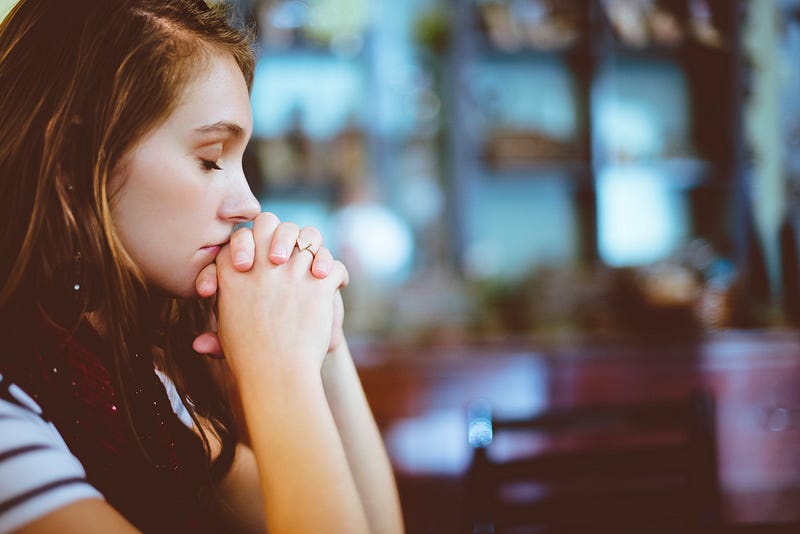
What If You’re Being Abused?
It can be difficult for someone who is being abused to recognize the problems in their relationship, let alone decide if it’s time to leave. There are a few situations that indicate a need to seek help:
- The abuser becomes increasingly more aggressive
- Threats of violence
- The abuser tries to choke you or strangle you
- Any harm done to your children (whether by accident or on purpose)
If any of these apply to your situation, it is time to get help. There are a number of resources available for victims of abuse, including hotlines and shelters.
Why Is It So Hard to Leave an Abusive Relationship?
Leaving an abusive relationship is hard for a number of reasons. Some victims of abuse have been with their abuser since they were young, so being without them feels like being without a support system in general.
Victims may also feel that they are in love with their abuser and worry about what will happen if they leave. They may also worry about not having a place to live or finances after leaving their abuser.
Why Is It Hard to Recognize Abuse?
Abuse is often hard to recognize because of how it can manifest itself. Some abusers are very kind and sweet all the time, which makes it difficult for people to recognize the abuse.
Emotional abuse is also hard to recognize because it can be disguised as compliments or kind words. Those who are not in an abusive relationship often have a difficult time recognizing what is considered a normal behavior and what is abusive behavior.
What Can You Do If You Think You’re Being Abused?
It’s important for you to understand that you are not at fault for the abuse. You should also remember that you do have options, and it is never too late to leave an abusive relationship.
If you’re a victim of domestic abuse, there are several things you can do to protect yourself and get help. Here are seven things you can do:
1. GET AWAY FROM YOUR ABUSER AS SOON AS POSSIBLE.
If you’re being hurt by someone close to you, get away from that person as soon as possible — the sooner the better! By seeking help when there’s still time, you can prevent your situation from becoming worse. You also have more legal options available to you, which can help get protection or peace of mind.
2. TALK TO SOMEONE YOU TRUST ABOUT WHAT’S HAPPENING.
When someone hurts us, it’s sometimes hard to admit what’s really going on. Talking with trusted friends and family members is one way to get support if you are hurt.
3. SEEK MEDICAL ATTENTION IF YOU’VE BEEN INJURED.
If you’ve been injured as a result of domestic abuse, see your doctor or health care provider and get any serious injuries treated. Then keep copies of the medical records just in case it becomes necessary to show that you were injured as a result of domestic abuse.
4. FILE A POLICE REPORT.
If you’re in immediate danger, call 911 right away. One of the most helpful things you can do to protect yourself is to file a police report whenever you feel safe enough to do so.
Keep copies of any reports for your records and bring them with you if you need to show the police or others that you are a victim of domestic violence.
5. CONTACT A DOMESTIC VIOLENCE SHELTER OR ADVOCACY GROUP.
If you need help, there are organizations out there to assist you. Contact your local women’s center, health care agency, town/city hall, county clerk’s office, or state domestic violence coalition to get more information on shelters and groups in your area.
6. GET A RESTRAINING ORDER IF NECESSARY.
If you’re really worried about your safety and the police refuse to file a report or arrest the abuser, you still have options under New York law — including getting a restraining order that requires the abuser to stay away from you.
7. SEEK COUNSELING OR THERAPY TO HELP YOU DEAL WITH THE EMOTIONAL EFFECTS OF DOMESTIC ABUSE.
Remember that dealing with domestic violence can be very difficult. Many people find it helpful to talk with someone about their feelings, both the good ones and the bad ones. There are counselors who are trained to help people through this painful time.
SAFETY ALERT
If you are in danger, please call The National Domestic Violence Hotline at 1–800–799–7233 / TTY 1–800–787–3224 or the StrongHearts Native Helpline at 1−844–762–8483 (call or text) are available to assist you.
Takeaway
If you are a victim of domestic abuse, know that you are not alone. Domestic abuse can happen to anyone, regardless of age, race, or gender.
If someone is being abused, please remember the dangers listed here, as well as other dangers not listed here. Do not be afraid to reach out if you need help.
Thank you so much for your time. I hope that this article was helpful for you to read and consider, and I’d love to hear what you have to say.
Thanks for reading. I hope you enjoyed reading this. Feel free to join my newsletter. Grab our free e-book on how to create a better version of yourself.
If you’d like to support me as a writer, consider signing up to become a Medium member through my referral link. It’s $5 per month. You will get unlimited access to stories on Medium. Click here to sign up. If you sign up using my link, I’ll earn a small commission.