
How to Start The Semester The Right Way
Tips on how to set up yourself for a successful semester in college
I remember the days when I was a college undergraduate student in Computer Science. When the semester started, filled with new courses, classmates, and challenges.
Through the years, I learned that the way you start your semester would most likely influence your chance of success when finishing the term.
This was because as students, we have different kinds of commitments, such as jobs, children (in some cases), extracurricular activities, and so on. Not to forget our needs as human beings, such as proper sleep and nutrition, which, in my opinion, are essential to achieving excellent grades.
So, today I am going to share some tips I used as a Computer Science students that helped me graduate with one of the highest GPA’s in my class. This way, you can do it too and achieve academic success as well.
Organize your schedule and make adjustments if needed
I know this advice may seem common sense, but through the years, I have seen that it is not so common after all. Working as a Computer Science tutor, I have worked with students that have these packed schedules with classes, work, and other commitments.
In the long run, I have seen them burn out, get completely frustrated, fail, and drop out of some courses. Which later on impacts their GPA negatively. Hence, my suggestion is that right at the beginning of the semester, organize your schedule.
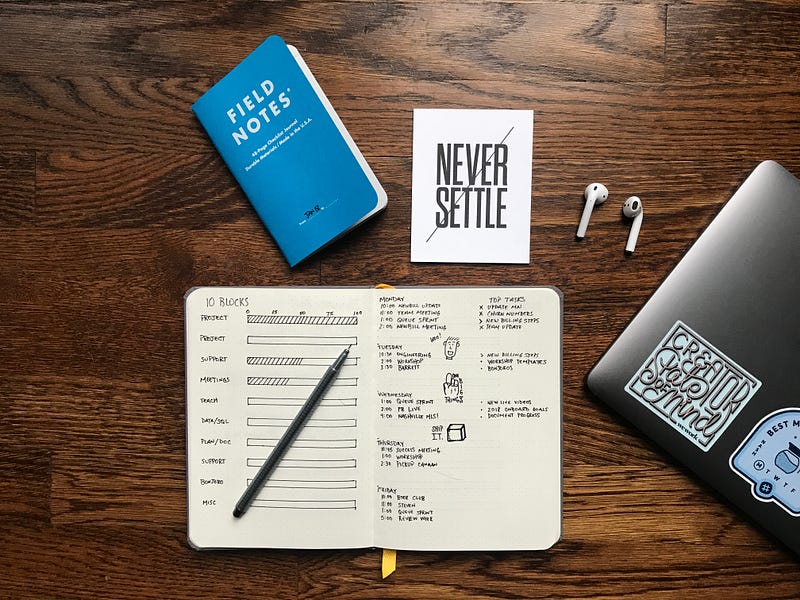
Get a calendar, write down your courses, separate your in-class time from the time you will have to dedicate to your classes outside of the classroom, such as doing your homework assignments and studying for your exams. Also, allocate the time you have to invest in other commitments such as a job, extracurricular activities, among other things.
Right at the beginning of the semester is the ideal time to do this, because it is easier to make adjustments. So if you feel you are not going to have time to dedicate to all these commitments, start making changes to your schedule. Maybe reduce the number of credits for this semester or the hours you can work per week.
Be honest with yourself. We are human; we all have our limitations. Remember, college can get pretty hectic sometimes, such as the weeks when you have mid-term and final exams. The goal is to get the best grades as possible and conserve your mental and physical wellbeing. I know you will thank me for this later.
Get the syllabus
In my experience, using the syllabus to prepare for my courses was one of the keys to success in passing the courses and achieving excellent grades in them. The syllabus is a document that contains all the information that is going to be covered in the course during the semester.
Most of the time, the syllabus includes assigned practice problems and the dates of your exams. Also, it contains how the class is going to be graded, how many tests you are going to have. Alongside any significant assignments such as projects, among other ways, the professor is going to evaluate if you can pass the course.
Thus, get the syllabus and all the materials you are going to need during the semester for this course. This can be the textbook or any other required materials to help you succeed in this course. Then, get a planner and put the dates of the exams.
Start preparing as soon as you can. Don’t leave this to the last minute, so you don’t get caught off guard when you have weeks that have an increased amount of workload.
The key to surviving these weeks is organization and preparation, and the syllabus will help you do that, in my opinion, of course. I know it did wonders for me.
Find out where to ask for help
Before the semester gets hectic and busy, find out where you can ask for help if you get stuck in a particular subject. Ask for the office hours of your professors, and if there are resources on campus that can help you in case you don’t understand a concept. Or you can also verify resources outside of school, such as hiring a tutor.
Doing this at the start of your semester will help you have resources ready in case if you need them. The faster you ask for help, the most likely you will be able to find the solution to your problem. I know I did this, and it helped me a lot.
There you have it, tips and strategies I have used to prepare for the semester ahead as a Computer Science student.
Remember, starting the semester with the right foot, that is, proper tools, mindset, and preparation will increase your likelihood of success during the semester.
I hope this helps!
If you liked this article, I think you might be interested in these articles as well:
Disclaimer: Results may vary. I am not a professional guidance counselor, I am just sharing what has helped me in my experience as a Computer Science student. These tips and advice are based on my experience and opinion as a student, tutor, teacher, and software developer. Everyone is different, so, the advice shared in this article may or may not work for you.
Originally published at yadielcabrera.com


