
Life | Adult Development
Seeing the Unseen in Your Life
What does being subject really mean?
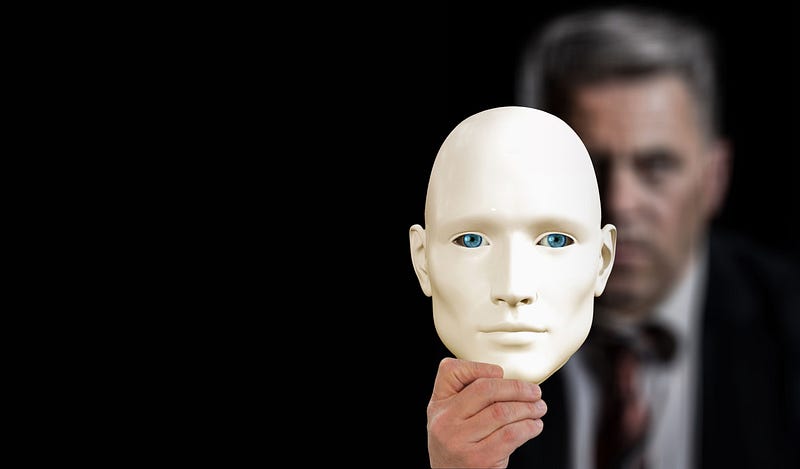
How you develop as an adult and continue to progress is one of life’s most important things. Are you aware of the essential truths that allow you to grow? These truths are easily overlooked but necessary to understand if you wish to live a worthwhile life. I believe we must not neglect the dictum given by Socrates more than two millennia ago:
“The unexamined life is not worth living” Socrates (399–470 BC)
Adult Development
Let’s examine a subject some brilliant people have been studying for years now. It is called Constructive Developmental Theory or Adult Development Theory — Erikson, Levinson, Keagan et.al.
Adult Development can open your understanding in tremendous ways. If you want to learn more about growing, you do not want to pass over this subject. Instead of laying out the entire theory, let’s look at one of the revelations it provides to many who study it, something called Subject-Object Theory. Understanding this theory will significantly enhance your ability to “see the unseen.”
Subject-Object Theory
An easy way to look at the terms subject and object in this theory is:
- When you are subject to something, it has you.
- When something is object to you, you have it.
In a nutshell, the premise of subject-object theory is that if you are subject to something, you are unaware of it, but when that same thing becomes object, you are aware of its existence.
Subject
When you are subject to something, it is such an integral part of you that you cannot see it. It’s hidden beneath your consciousness.
Sometimes, this can be good. For example, you are subject to the process that allows you to breathe. That’s a good thing, as you normally don’t want to think about breathing and prefer it just happen. Like many bodily functions, your autonomic nervous system controls your breathing. Most autonomic functions are beneath our conscious thought. However, you can make some of them object and control them by bringing them into your awareness.
Object
When something is object to you, you can see it, think about it, and examine it. Because you are aware of it, you can objectively look at and understand it. You can stand back, reflect, and ask questions about it.
In the example of breathing, you are normally subject to it, yet you can make it object. When I run hard, I pay attention to and control my breathing. When I’m under stress, I catch myself breathing shallowly and correct it by taking a few deep breaths. When I focus careful attention on breathing mindfully, I can create a great calmness within myself. This is possible because of bringing a normally subconscious act into conscious awareness.
Making the Invisible Visible
To further elaborate on subject-object theory, you can say:
- When you are subject to something, it is in your unconscious mind, is unseen, and controls you.
- When something becomes object to you, it is in your conscious mind, can be seen, and you can control it.
It goes from being invisible to visible. You move from being blind to it to becoming enlightened about it.
Example 1
When I began doing triathlons, I started to swim freestyle. I had to learn to control my breathing consciously. Water in the lungs isn’t fun. Eventually, I could swim and breathe more automatically, but this did not happen without much practice.
Example 2
Before I understood a profit and loss statement, I was at the mercy of the business. Because I did not realize what was in a P&L, I had no control over it. But once I understood the P&L line item by line item, it became an invaluable tool (an object) that allowed me to control the business and no longer be blind to it.
Example 3
Do you have a personal budget? You can control your spending, making it object to you by creating one. Or you can let your spending control you, making you subject to it. If you ever ask, “Where does all my money go?” you are subject to your spending. It is better to have a budget to see where the money is going instead of being blind or ignorant of where it all goes!
Subject-Object Theory opens new worlds
Two of the many opportunities to open new worlds to yourself include habits and skills, along with internal voices and beliefs. While there is far more to study in Adult-Development and Subject-Object Theory, these have particularly affected my understanding and life.
Habits and skills
Habits and skills are a world unto themselves. There is a great deal to learn about them, and they are invaluable to growing. Much of this learning will translate into what you can see or cannot see.
Habits, for example, can start as object but become subject over time. This can be good or bad, depending on the habit. Skills are similar. Playing an instrument takes great concentration initially but becomes second nature with enough practice. The same is true for practically any habit or skill you develop.
Internal voices and beliefs
Think about the many parts of yourself — internal voices and self-defeating, self-imposed, self-limiting beliefs. Perhaps you have never thought about or heard of them before. In this case, you are subject to them. Once they are exposed, and you can see them, you can think about them and make them object (put them under your control).
Wouldn’t you be better off moving from a position of unawareness to seeing these internal voices? To act on them, rather than them doing their act on you. This major shift occurred in my life and continues to progress.
For years, I did not realize how invisible things like my beliefs held me back, greatly affecting my behavior, the amount of stress I put on myself, my confidence, and more.
When my eyes opened to the concept of making the invisible visible through subject-object theory, I began to change dramatically. For the first time in my life, I started seeing things I had no idea existed.
For example, as I thought about my critical inner voices and came to understand them, they ceased to control me. Many of my thoughts, to which I was once subject, became object.
As these voices and beliefs became object, I could finally take control of them and change my behaviors.
As said earlier, when things become object to you can see/understand, reflect, think, question, and act on them. The more you make object, the more you can change your results. Is it worthwhile? You bet!
If you wish to learn more about internal voices, check out this brief article: Learning to Better Understand Who You Are
If you wish to know more about beliefs that limit you in life, check out this short article: Self-Limiting Beliefs
Final thoughts
Why not learn more about Adult Development and Subject-Object Theory today. It will astound you to find how little we see and what controls us in this world. You will make the invisible visible and take control of your life in a way you never could otherwise.
I challenge you to give the two theories serious thought, especially Subject-Object. You can find an abundance of information online to study it further. Why not put some time on your calendar to keep it in front of you so you can learn more? I promise you, if you develop some curiosity around the subject, you will not regret it!
LinkedIn |Twitter| Medium| UncommonSense| AmazonAuthorPage
Bill Abbate Leadership Writer and Editor in ILLUMINATION
Thank you for reading this article! If you enjoyed it, please check out the others below!


