
How To Recover From Failure
Love is more powerful than hate
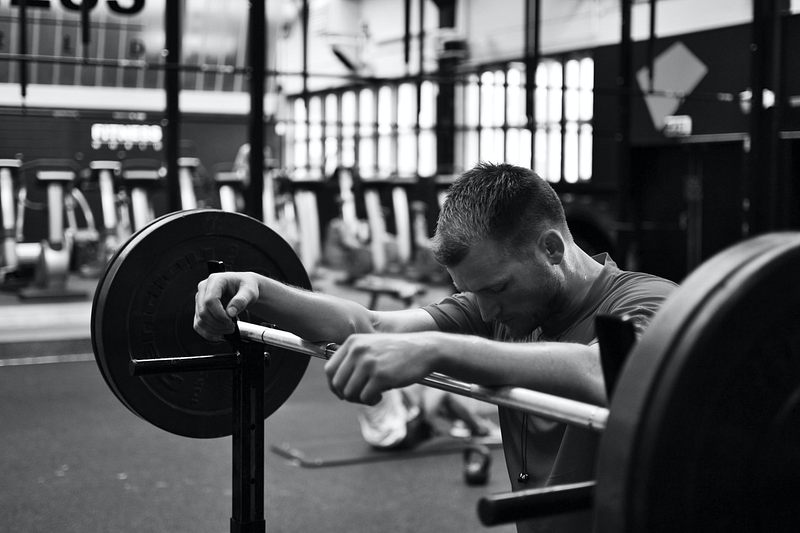
The Real Reason We Quit
We quit our goals not because of a mistake but because of the shame about the mistake.
A failed test, cheating on your diet, missing a day at the gym, or writing is objectively an event. The shame we attribute to the event causes us to lower our self-esteem, fear the goal, and quit.
In other words, we don’t fear the event; we fear the coupled feelings.
How To Recover From Failure
To bounce back from a blunder, you have to change your internal dialogue. Instead of beating yourself up, you have to be compassionate.
“It’s OK.
I made a mistake, but it’s OK.
I can rebound from this.
I know what I did wrong and will adjust and accomplish my goal.
I’m not a bad person.
I’m not broken or inadequate.
I’ve accomplished a lot in my life.
I can do this.”
Self-compassion doesn’t mean letting yourself off the hook. You’re acknowledging or accepting your mistake, but instead of punishing yourself, you’re positively encouraging yourself to move forward.
Are you more likely to continue if you told yourself, “I can do it” or “I suck. I’m a failure. I can’t do it”?
Kindness and love are more potent motivators than fear and hate.
Real-Life Examples
I want to make a full-time income writing. To do this, I told myself I have to write every day.
After weeks of sitting my butt in a chair and tap dancing my fingertips atop a keyboard, I missed a day of writing a couple of days ago.
I got home late from work and was tired. I usually try and write before work because I know I’m going to be tired, but I procrastinated.
I was having trouble sleeping despite my exhaustion because my mind was churning thoughts of insecurity, doubt, and shame.
When I caught my self-deprecating loop, I told myself, “it’s OK. I should’ve written before work, but it’s OK. Today was the first day I missed in weeks. I’ll write tomorrow. I got this.”
A smile sprawled across my face while my head was lying on the pillow, and I was fast asleep.
I got fired from my favorite job in May of this year. Probably one of the biggest regrets of my life.
I lost my closest friends and a job that didn’t feel like work.
I spent weeks upset about it. To lighten my mood, I’d go on walks and listen to music.
Whenever I caught myself reminiscing, replaying my mistake, and worrying about finding another job I’d tell myself “it’s OK. You messed up but it’s OK. Those moments — good and bad are over. You’ll find a job you like more or is a better fit for your goals.”
If it weren’t for me losing my job and believing I could find something better, I wouldn’t have discovered I wanted to be a writer.
I still have moments where the pain of losing my favorite job stings but I do feel more alive and excited than I’ve ever felt.
I’m currently recovering from a binge eating disorder. Part of the journey is allowing yourself to eat unconditionally. Weight gain is inevitable.
I’m the heaviest I’ve ever been. It’s not comfortable seeing your gut bulge from your shirt or having trouble buttoning your pants.
At times I hate what I see in the mirror and want to diet again. But during these moments I have to be kind to myself because dieting would be the ultimate form of self-hate.
“It’s OK. You’ve put on some weight, but it’s OK. This is part of the process. You’ll lose it eventually. You got this.”
The comfort and reassurance I give myself allow me to have faith I’ll lose the weight and become a normal eater again.
I used to have terrible social anxiety in high school. A significant cause of my anxiety was self-judgment.
I used to overanalyze everything I’d say or do and think everyone was passing judgment on me.
I was funny and charismatic around friends, family, and coworkers, but I was mute in new social situations.
I spent years reading books and tackling my fears head-on. I’ve come along way but continue to get struck by anxiety and freeze.
When I notice myself getting uneasy, I calm myself down: “It’s OK. The way you’re feeling is normal. Everything’s going to be OK.”
The act of validating my inner experience and being able to stabilize my emotions instantly boosts my confidence.
From this place of strength and contentment, I’m more able to fulfill a human necessity — to find and connect with the people I’m meant to connect with.
Before writing this article, I was doing yoga and meditating. I do yoga and meditate to help rid my body of trauma and practice self-compassion.
While I was meditating, my concern about my weight gain and what I was going to write about captured my attention. I began to get frustrated by the fact I didn’t remain focused on my breath.
“It’s OK. Breathe. Relax. Everything’s going to be OK. You’ll figure it out, write a good piece, and get one step closer to achieving your goal.”
I immediately sat down and finished this story quicker than I’ve finished a story before.
Keep Going No Matter Your Imperfection
You’ve made a mistake. Not the end of the world.
Comfort your hurt.
Ease your shame.
Be nice to yourself and move forward.
The Inside & Out email list will help you achieve your internal and external goals.


