
How to Protect and Clean Your Self-Harm Wounds
First of all, I must clearly state that I do not recommend self-harm to anybody and I will strongly urge anybody with those thoughts to strongly consider the consequences of such actions. Please seek alternatives, such as talking to a trusted individual or mental health professional about your thoughts and feelings. If you have decided that you are going to self-harm, or you already have. Please take note of the instructions in this article. This article is designed to help parents and individuals who are faced with the task of self-harm.
- Tips for if you are an active self-harmer:
1. Always make sure to cover open wounds with a bandage, if a wound becomes infected, seek medical help from a GP or other Health Professional.
- 2- Avoid mood-altering substances. By taking these substances, such as alcohol or marijuana, you may cause more damage and increase the risk of sepsis. Sepsis is a potentially fatal condition where an infection attacks the central nervous system. A lot of the time, once the symptoms of sepsis are present, it is too late. Do not risk your life over a blood rush. You are cared for, you are special.
- 3- Be kind to yourself. Remember that a lapse and a relapse are separate. Just because you’ve had a stumble doesn’t mean it is a fall. Keep going, we’re all so proud of you.
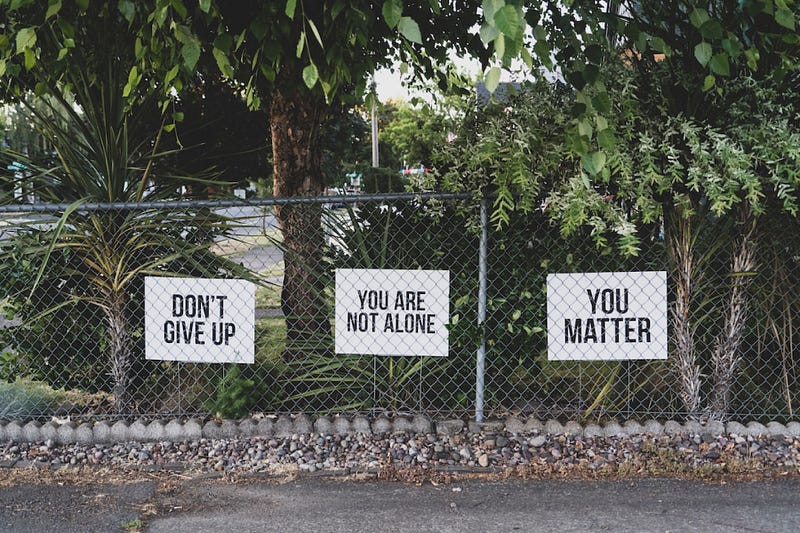
(Please keep in mind that if you are in an emergency and need immediate medical assistance you can call 999 (UK) or 911 (US) and ask for the ambulance service. The operator will stay on the line with you until you have sufficient medical help.)
- If the situation is less serious, call 111 (UK) or book an appointment with your GP or Health Professional
- When to seek medical attention:
Please seek medical attention if blood is pumping from your veins. If blood is pumping, continue to apply pressure on the wound and make a call to emergency services.
- - If you have been applying pressure for over ten minutes and the blood hasn’t stopped, call emergency services.
- - If you believe your cut may need stitches, seek immediate help.
- - If something is stuck in the wound. Call 111 (UK).
- - If the cut doesn’t heal properly, contact your GP or Health Professional.

- General advice:
Please make sure that the blade you are using is clean. By using a dirty or used blade, you increase the chance of contracting sepsis, with the probability increasing each time you use the same blade. Also, remember to think carefully where you cut. The emotion you feel is temporary, and regret can lead to a future lapse, causing unintentional damage and unrecoverable scars. It is essential that you do not cut quickly and deep. Slow and shallow will help reduce the chance of sepsis and reduce the chance of permanent scarring.
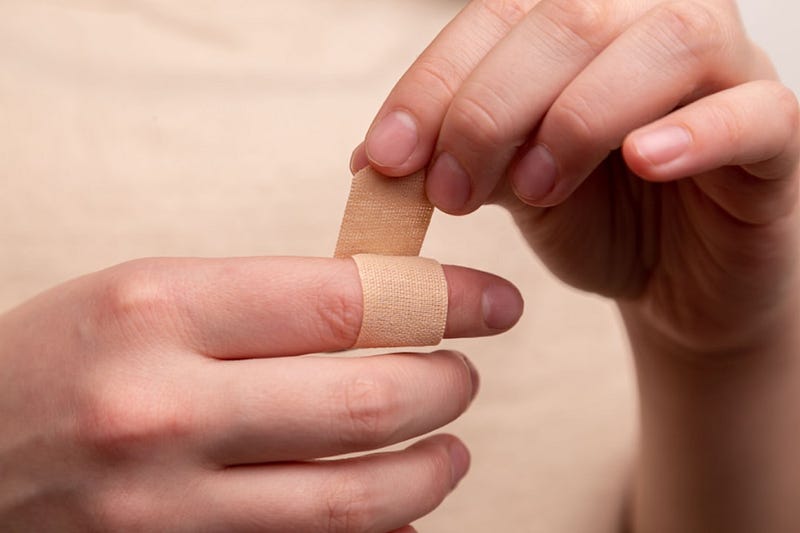
- For small cuts, scratches, or grazes:
- Clean the wound with cool running water. Avoid the use of antiseptic lotions or creams.
- Dab the area with a material like a toilet paper or a wet wipe. Make sure not to use a material where fluff can easily get in the wound.
- Cover the cut completely with a plaster or bandage
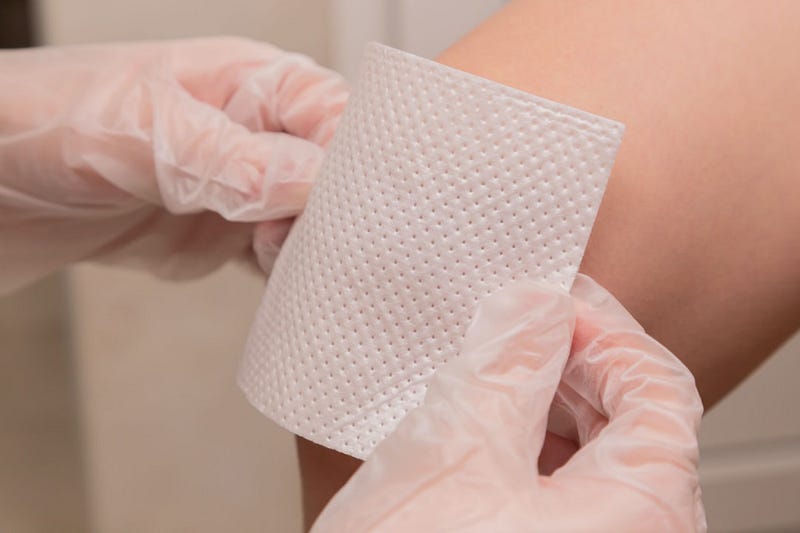
- For more serious wounds:
- Apply direct pressure to the wound for ten minutes. Avoid lifting up the pad until the ten-minute timer has elapsed.
- Make sure that when you apply a bandage, the bandage isn’t on too tight. If the bandage is too tight, the wound will not have enough breathing space to heal and infection may occur.
- If the bleeding seeps through the first bandage, make sure to wrap a second bandage around the wound. If bleeding continues to seep, remove both bandages and reapply.
- If you go into shock. Call emergency services as quickly as you can.
Editorial Note: If you are experiencing thoughts of suicide or self-harm, we encourage you to contact the National Suicide Prevention Lifeline 1–800–273-TALK (8255). This lifeline is free and confidential. It is open 24 hours a day and provides support, information, and local resources to anyone in suicidal crisis or emotional distress and those around them. Call for more information or visit www.suicidepreventionhotline.org.
Thank you for reading my latest article, I am more than welcome to feedback both negative and positive. I hope that even one person who reads this article will feel more comfortable and safer in reaching out for help if they are struggling. I invite you to join my mailing list for instant updates on when I post a new article. Keep fighting.


