
Enrich. Entice. Enthrall.
How to Infuse Your Stories with Earth, Air, Fire, and Water?
A Guide to Elemental Storytelling for Content Creators
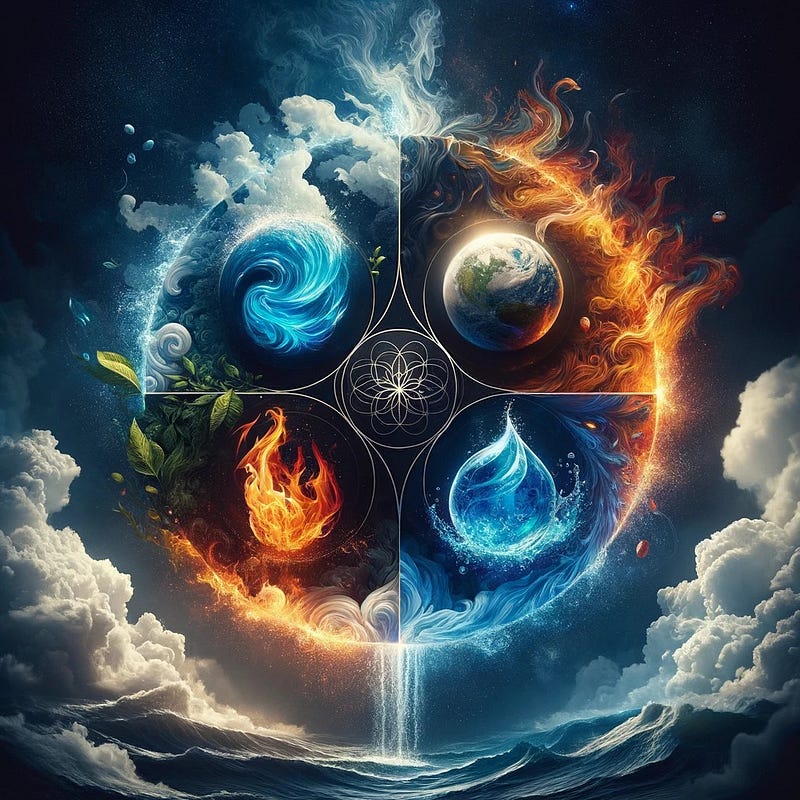
This is for @docdreamer522
Dive into the heart of storytelling where the primal forces of nature intertwine with the art of narrative. In this realm, Earth, Air, Fire, and Water are not mere elements; they are storytellers, each whispering secrets of creation into the writer’s ear. Embark on an elemental odyssey, where these ancient forces breathe life and passion into your words, transforming the mundane into the magical. Uncover how each element shapes characters, twists plots, and colors worlds in its unique hue. Prepare to be captivated; this journey is a writer’s awakening to the symphony of nature in storytelling.
Earth:
The Foundation of Stability and Growth
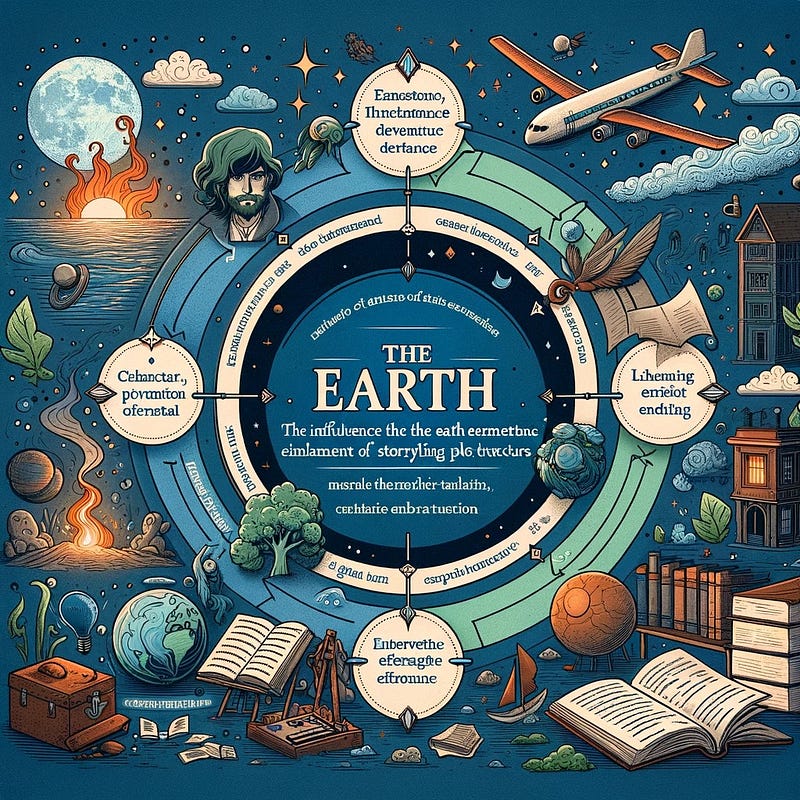
Earth is the steady drumbeat in the orchestra of storytelling. It represents the solid ground upon which tales stand, embodying themes of resilience, endurance, and growth. Envision narratives deeply rooted in the Earth element, where characters embody the steadfastness of mountains, and plots are as rich and fertile as the soil. Earth-style storytelling brings a sense of realism and groundedness, nurturing tales that grow organically from the seeds of character and setting.
Elemental Character Archetypes:
- The Earthy Protector, is grounded and resilient.
Elemental Setting Descriptions:
- Lush forests, ancient mountains, sprawling landscapes.
Elemental Plot Twists:
- Earthquakes of change, revelations unearthed.
Historical and Cultural Perspectives on Earth:
The Earth element has been a cornerstone in storytelling across various cultures. In Greek mythology, Gaia, the personification of Earth, is depicted as the mother of all life, symbolizing fertility and abundance. Native American tales often speak of Earth as a sacred, life-giving force, integral to the creation stories and moral lessons. These cultural narratives highlight Earth’s nurturing and sustaining qualities, emphasizing its role as the foundation of life and storytelling.
Expert Insights on Earth in Writing:
Renowned environmental writers like Terry Tempest Williams and Barry Lopez emphasize the importance of connecting with the Earth in storytelling. They advocate for narratives that respect and reflect the natural world, highlighting the need for stories that ground readers in the reality and beauty of the Earth.
Air:
The Breath of Imagination and Perspective
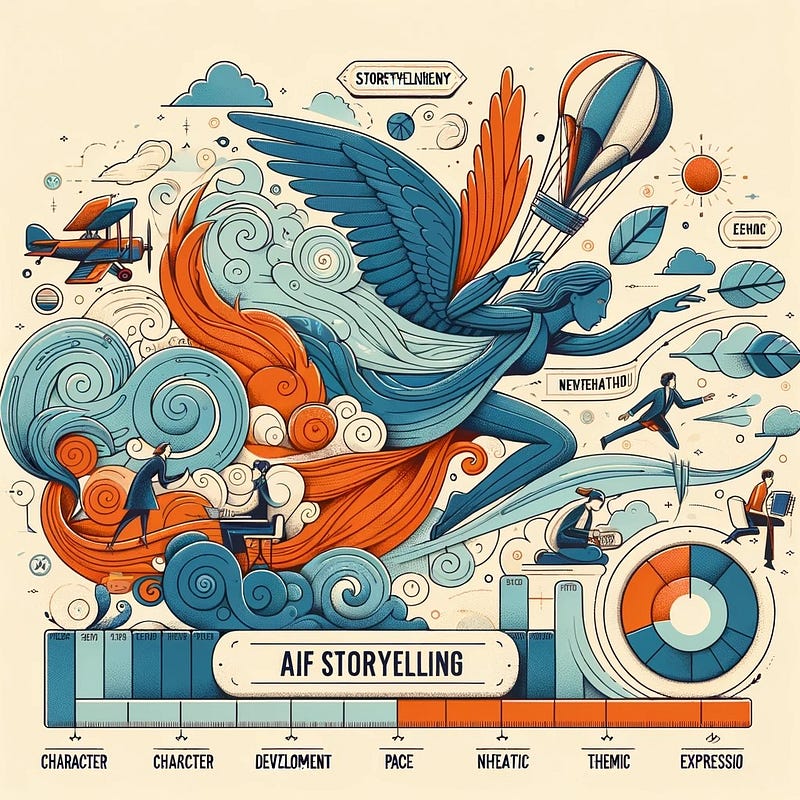
Air is the unseen whisper that weaves through our narratives, symbolizing intellect, communication, and imagination. It fills the sails of stories with breaths of fresh ideas, carrying tales into realms of endless possibilities. Air-inspired writing styles are characterized by their lightness, quick wit, and the flow of thought. They soar high with introspection, exploring the heights of human intellect and the breadth of perspectives.
Elemental Character Archetypes:
- The Airy is Intellectual, curious and insightful.
Elemental Setting Descriptions:
- Open skies, high peaks, bustling cities.
Elemental Plot Twists:
- Whirlwinds of change, breaths of revelation.
Historical and Cultural Perspectives on Air:
In various cultures, the Air element is often associated with the mind, intellect, and spirit. Ancient Greek mythology revered Air for its connection to communication and knowledge, as seen in the figure of Hermes, the messenger god. In Eastern philosophies, Air is viewed as the breath of life and a vital force in meditation and enlightenment. These perspectives illustrate Air’s role in symbolizing intellect, communication, and the spiritual journey in narratives.
Expert Insights on Air in Writing:
Contemporary authors like Haruki Murakami often use the Air element to symbolize freedom and change. Literary critics also discuss Air’s role in creating narratives that are intellectually stimulating and rich in dialogue. These insights highlight the importance of Air in crafting stories that elevate the mind and explore the depths of human thought.
Fire:
The Spark of Passion and Transformation
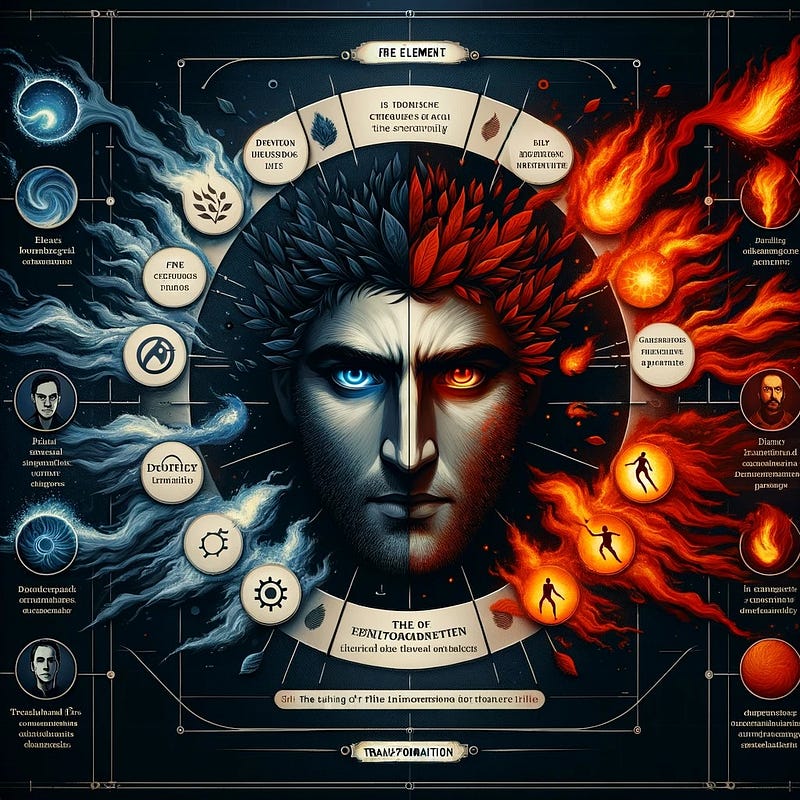
Fire blazes through the narrative like a passionate soloist, igniting stories with its fervor and transformative power. It symbolizes the burning desires, the conflicts, and the dramatic changes that propel characters into action. Fire-infused storytelling is vibrant and intense, often featuring characters who, like flames, are dynamic and unpredictable. Their journeys are illuminated by sparks of inspiration and the warmth of passion.
Elemental Character Archetypes:
- The Fiery Rebel, is passionate and transformative.
Elemental Setting Descriptions:
- Volcanic landscapes, sun-drenched deserts, and scenes of passionate encounters.
Elemental Plot Twists:
- Sudden conflagrations of emotion, transformative revelations.
Historical and Cultural Perspectives on Fire:
Fire, across cultures, is often seen as a symbol of transformation and rebirth. In Greek mythology, it’s associated with Prometheus, who defied gods to bring fire to humanity, signifying enlightenment and progress. In many indigenous cultures, Fire represents cleansing and renewal, as seen in rituals and stories. These narratives highlight Fire’s dual nature of destruction and creation, reflecting its powerful role in personal and societal transformation.
Expert Insights on Fire in Writing:
Contemporary writers often use fire to symbolize passion, anger, or a catalyst for change. Renowned authors like Margaret Atwood discuss how Fire’s intensity can be harnessed to fuel character development and pivotal plot moments, creating stories that burn with emotion and action.
Water:
The Flow of Emotion and Depth
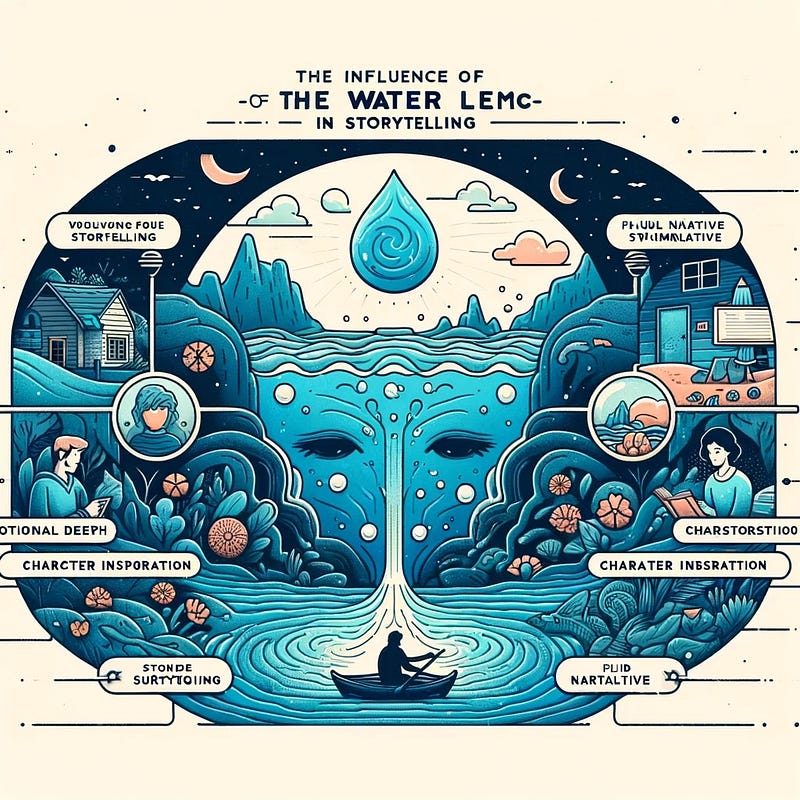
Water, with its fluid grace, flows through stories like a melody, carrying the depths of emotion and the intuition of the subconscious. It represents adaptability, depth, and the flow of life. In Water-styled narratives, characters navigate the ebbs and flows of emotion, their journeys as deep and varied as the ocean. These stories are marked by introspection, emotional connections, and revelations that ripple through the narrative like waves.
Elemental Character Archetypes:
- The Watery Healer, is intuitive and emotionally profound.
Elemental Setting Descriptions:
- Tranquil lakes, roaring oceans, rain-soaked streets.
Elemental Plot Twists:
- Tidal waves of emotion, undercurrents of hidden truths.
Historical and Cultural Perspectives on Water:
In various mythologies, Water is revered as the source of life and a symbol of emotion and the subconscious. In Ancient Egyptian mythology, the god Osiris was associated with the Nile River, representing fertility and renewal. In Eastern philosophies, Water’s fluidity symbolizes adaptability and emotional depth. These stories often use Water as a metaphor for emotional journeys and personal growth.
Expert Insights on Water in Writing:
Literary theorists and authors like Virginia Woolf have explored Water’s role in representing the flow of consciousness and the depths of the human psyche. They emphasize how water can be used to craft narratives that delve into characters' emotional landscapes and inner worlds.
The Elemental Symphony in Writing Enriched Section Content:
Our odyssey through elemental writing styles concludes not as separate streams, but as a confluence where Earth’s stability, Air’s intellect, Fire’s passion, and Water’s depth merge into a grand symphony. This journey has been a writer’s enlightenment to the elemental forces that pulse at the heart of storytelling. Harness these elemental energies, and let them infuse your tales with the rich tapestry of life itself.
Embrace the elements in your storytelling. Let the grounding force of Earth, the soaring ideas of Air, the fiery energy of Fire, and the flowing emotions of Water guide your narrative journey. Share your elemental tales with the world, and be part of a community that weaves nature’s raw forces into the art of storytelling. Write on, and let your stories resonate with the elemental harmony of creation.
Subscribe for more here
Journey deeper into the realms of creativity and inspiration with these enlightening articles. From the celestial symphony of the zodiac to the dynamic energies of chakras and numerology, each piece offers a unique perspective on harnessing universal forces in your writing. Dive into these narratives, and let them expand your storytelling horizons. Discover, learn, and be inspired.


