
How to Get Over That “I Can’t Do It” Habit
Just so you “can” do whatever you need to
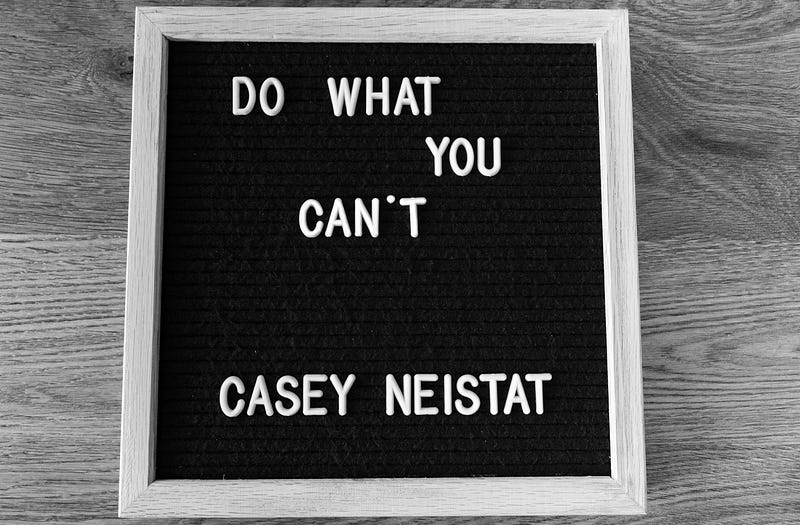
It’s human nature to make excuses. We do it all the time. It’s a natural response to feeling overwhelmed or insecure.
Sometimes we tell ourselves that we can’t do something, and other times we tell our friends and family that we can’t do something to get out of it! But once you find yourself making excuses for why you “can’t,” it becomes a habit.
So instead of telling people that you can’t do something, try these seven steps to stop telling yourself that you can’t do it.
1 — Understand the Excuses You’re Making
The first step is to realize that you are making excuses. Then, try to identify the reasons why. You can feel better by realizing that you are making excuses and letting them get in the way of what you want!
The next step is to then come up with solutions for these problems. Break the task into smaller pieces and execute each piece consecutively throughout the day. This will give you more time in your day for other things!
Finally, don’t forget to take small steps! It’s important not to overwhelm yourself with all these changes at once or else nothing will seem possible anymore.
You want to be able to achieve what you set out for so it’s best if the steps are manageable and achievable for you!
2 — Challenge Your Assumptions
The first step in challenging your excuses is to challenge your assumptions. When you’re telling yourself that something can’t be done, there’s usually one assumption that’s causing the whole thing.
These assumptions are statements or assertions that you believe to be true but aren’t necessarily backed up by anything. They may seem like facts, but they’re really just guesses.
If you discover what your assumption is, it becomes easier to start questioning it and coming up with arguments against it.
Once you’ve done this, you’ll know which excuses are worth fighting and which ones need to go.
3 — Take Action with What You Need to Do
If you really want something, it often helps to make a list of all the things that need to be done in order to get there. What skills do you need to learn? Do you need any supplies? Who can help?
The more specific your list is, the easier it will be for you to take action and start making progress. You might notice that some steps can’t happen until other ones happen first. That’s okay! Just write those out as well and break them down into manageable tasks.
Keeping yourself accountable and motivated is important too. Support groups and accountability partners can help with this.
If someone tells you that they’re going to hold you accountable, then you’ll feel more compelled to follow through on your commitments!
4 — Find Your Strengths
Before you can tell yourself that you “can” do something, figure out what your strengths are. What are the things that you like to do? What are the things that you’re good at?
Chances are, there’s a way in which your strengths can help you accomplish what you want to do next.
5 — Focus on the Positive
The most powerful thing you can do to stop making excuses is to shift your mindset.
There are two types of people in the world: the ones who focus on what they don’t have, and the ones who focus on what they do have. Which one are you?
Your outlook on life can be changed by simply identifying what you’re grateful for. Whenever someone asks me how I am, I say, “I’m so blessed.” That simple shift in perspective makes my day so much better.
You might think it’s corny or cliche to tell everyone about your blessings, but it’s not. It sounds cheesy because it is true!
Start looking for the good things in your life instead of the bad things. It will help you see that you really do have more than enough to be thankful for!
Before You Go
Subscribe to my email list if you want to stay up-to-date on health, productivity, and entrepreneurship.
Thank you for reading this article. If you would like to support me as a writer, please consider becoming a Medium member through my referral link. It’s just $5 a month and you will have unlimited access to Medium.
If you enjoyed this article, you may also like:


