
How to Fall Asleep in 2 Minutes.
A Step-by-Step Guide to Drifting into Dreamland Quickly
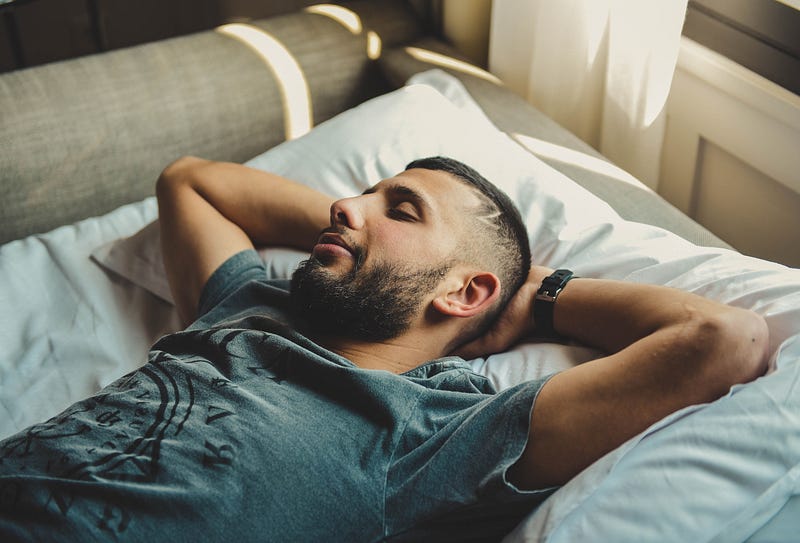
There are a lot of people in the world who battle with personal problems of their own. These days, sleep deprivation is a very prevalent issue that people encounter as a result of stress, an unbalanced daily schedule, or emotional challenges. According to statistics, there are up to 70 million Americans who struggle with sleep disorders. Keeping your bedroom quiet, dark, and cold is no longer effective. Hard circumstances call for extra measures.
You can employ a variety of strategies to get to sleep quickly, but the most crucial thing is to figure out which one is most effective for you. While some people find that journaling or relaxation techniques help them fall asleep faster, others would rather read a book or listen to relaxing music before going to bed.
The military has been using a deep muscle relaxation technique called the “military method to fall asleep in less than 2 minutes” for years to assist soldiers fall asleep fast and comfortably. This easy method doesn’t require any special equipment and can be used anywhere.
Let’s have a look at these steps:
STEP 1:
Take a position that seems comfortable. You should be in a position that allows you to relax your body, whether you choose to sit up or lie down.
STEP 2:
Close your eyes. Breathe in deeply, then out slowly. Next, progressively release each face muscle. Start from the muscles in your forehead and work your way down, if that makes sense. Everything, including your tongue, cheeks, jaw, and mouth, should be at ease. Give them up, including your sight.
STEP 3:
Release any tension. Get comfortable in the chair or bed by relaxing your neck. After that, progressively relax your biceps, forearms, and hands, beginning at the top of your right arm. Repeat on the opposite side. Remember to continue breathing deeply and slowly as well.
STEP 4:
Relax your chest as you exhale. That ought to be simple if you relax your shoulders and arms.
STEP 5:
Your legs should feel comfortable. To begin, let your right thigh sink into the chair or bed. Next, carry out the same action with your ankle, calf, and foot. Use the identical method on your left leg.
STEP 6:
Now clear your mind. It’s very difficult to stop thinking about anything. If you fit that description, try seeing anything. Choose something calming to do. Picture yourself sleeping soundly in the shadows.
- Repeat these steps until you feel yourself relax and fall asleep.
Additional Tips to Fall Asleep Fast
Determine What Keeps You Awake at Night. Numerous factors can keep you awake at night and hinder your ability to fall asleep fast. You can address the issues that keep you awake and improve your ability to fall asleep. Typical things that can prevent you from falling asleep include:
Establish a relaxing sleep environment: Do this by making sure your bedroom is cool, quiet, and dark. If need, think about utilizing white noise and blackout curtains.
Stick to a sleep schedule: Try to go to bed and wake up at the same time every day, even on weekends. This helps regulate your body’s internal clock.
Reduce the amount of time: You should try to limit the time you spend using screens before bed since the blue light they emit can disrupt your body’s melatonin production, which controls sleep. Spend at least an hour away from screens — including TVs, laptops, tablets, and phones — before going to bed.
Exercise regularly: Regular physical activity can help improve sleep quality, but try to finish your workout at least a few hours before bedtime.
Control your tension: Anxiety and stress can prevent you from sleeping. Engage in stress-reduction practices such as yoga, deep breathing, or meditation.
Falling asleep more quickly could be the solution if you’re trying to find a way to enhance your health and wellbeing. You may accomplish a lot of things to aid in falling asleep more quickly. Some people discover that their sleep latency is improved by progressive muscular relaxation or relaxing music before bed.
Some people discover that going without caffeine and having a light dinner in the evening allows them to go to bed earlier and sleep better. And finally, some people find that taking a few deep breaths or trying deep breathing techniques or relaxation techniques like yoga or meditation can help them fall asleep more quickly.
Not only is a restful night’s sleep a luxury, but it is also an essential component of our general health and wellbeing. Our bodies perform vital restorative tasks when we sleep, including tissue healing, memory consolidation, and the regulation of numerous body functions. Sustaining good cognitive performance, stress management, and immune system strength all depend on getting enough sleep. Therefore, prioritizing quality sleep should be a top priority to ensure a healthier, happier, and more productive life.
I am MUSA AYAZ. I write about poetry, tech, business and self-improvement, and interesting trending topics to revolutionize writing in a way you have never seen before.
Runner up on Promptly Written Poetry Competition (2023).
Follow me: Medium.com/@musaayaz
E-mail me [email protected] for work.
My previous article :what-if-you-were-the-last-person-on-earth
MY E-COMMERCE STORE:https://shoplyte.net


