avatarToni Tails

Free AI web copilot to create summaries, insights and extended knowledge, download it at here

3721

Abstract

      <a href="https://readmedium.com/the-stages-of-sexual-grooming-every-parent-should-know-6e98fb444f9f">
        <div>
          <div>
            <h2>The Stages of Sexual Grooming Every Parent Should Know</h2>
            <div><h3>This is knowledge about sexual grooming from someone who experienced it</h3></div>
            <div><p>medium.com</p></div>
          </div>
          <div>
            <div style="background-image: url(https://miro.readmedium.com/v2/resize:fit:320/1*q1eE9nPTd8OXoN17dYma9Q.jpeg)"></div>
          </div>
        </div>
      </a>
    </div><h1 id="84d3">2. Sexual Education</h1><p id="918a">We want our kids to enjoy innocence as long as they can. It’s important to understand that having a working knowledge of sex doesn’t impair a child’s innocent nature. You don’t have to give your child every little detail. Each kid is different, and you are the best judge of what they need to know.</p><p id="fb46">However, kids do need to know general information about sex and that it is an activity for adults. If a child doesn’t know that sex exists, how would they recognize it if it happened to them?</p><p id="a7bb" type="7">My earliest sexual experience was at four-years-old. It was many years later before I realized the experience was sexual. I didn’t know that sex existed or anything at all about the human body if it could be covered in a bathing suit.</p><p id="d9c4">This lack of knowledge can be used by a potential abuser to confuse a child about their own experience.</p><h1 id="cedc">3. Yes touches and No touches</h1><p id="6717">I would suggest avoiding the terms “good” and “bad” touches because that can cause some confusion over time. “Yes” and “No” touches are very straight forward terms. Using a doll or drawing, you can easily demonstrate contacts that are appropriate or inappropriate.</p><p id="3c99">Explain that sometimes, for hygienic reasons or on doctor’s visits, places on the body that are usually off-limits to others may have to be breached. Tell them that you will always explain it to them and let them know when this will happen. Then follow through with that promise.</p><div id="88c9" class="link-block">
      <a href="https://readmedium.com/how-grooming-keeps-abusers-safe-8fc5064144bd">
        <div>
          <div>
            <h2>How Grooming Keeps Abusers Safe</h2>
            <div><h3>I didn’t realize it was sexual abuse until my 30's</h3></div>
            <div><p>medium.com</p></div>
          </div>
          <div>
            <div style="background-image: url(https://miro.readmedium.com/v2/resize:fit:320/1*cvRGu86zXJXA52J4fjpfog.jpeg)"></div>
          </div>
        </div>
      </a>
    </div><h1 id="ba68">4. They won’t be punished</h1><p id="4d20">Let your children know that you won’t punish them if they tell you about abuse. Abusers tend to use intimidation to quiet children. Abusers warn children that authority figures will punish them.</p><p id="d1e5" type="7">My Dad would have little talks about my mom when I was a young teenager. He apologized for hitting me and said Mom put him up to it. He always ended with, “Don’t tell your mom I had this talk with you or we’ll both be in trouble.”</p><p id="17e4">Let your kids know that no matter what, they have a safe place with you, and you will not punish them or be angry at them for anything to do with the abuse if it occurs.</p><h1 id="3b8f">5. Believe them</h1><p id="1754">Believing your child is the most fundamental idea listed here. An abuser’s favorite tool is silence. They will tell your child over and over that no one will believe them.</p><p id="c4f

Options

d">Tell your child again and again that you will believe them.</p><p id="af9e" type="7">When my niece came forward to tell us about the abuse, she’d been told that no one would believe it. However, she had no doubt that we would believe her because we’d told her we would over and over.</p><h1 id="7c61">6. Don’t keep every secret</h1><p id="8ef3">It’s okay to have secrets, but some secrets are like poison. Tell your child not to keep secrets about sexual abuse. Make it clear that this is true about your child’s secrets as well as secrets that are shared with them by another child.</p><p id="6602">My niece repressed the memory of her rape for six years. When she had a nightmare and remembered the details, she shared it with my son.</p><p id="9523" type="7">He wanted to tell, but he didn’t know that it was the right thing to do.</p><p id="16bb">My son knew about the rape for a month before my niece came forward. He still beats himself up over not telling us as soon as he heard, and I tell him, “It’s not your fault. I never told you to tell me this kind of secret.”</p><p id="6a20">Make sure your kids know that any secret about harm to another child isn’t a secret they should keep. Tell them that they can tell you, and you will take care of it.</p><h1 id="c583">7. Talk to them at least once a month about all of the above, and don’t stop talking to them</h1><p id="2b5e">As your children grow older, don’t expect that they’ve learned enough and won’t need to hear it anymore. Adjust it to fit their age and maturity level, but keep talking to them.</p><p id="7e1c">Yes, they will become uncomfortable with it and roll their eyes and tell you they know it all. Keep repeating it anyway.</p><p id="ec34">Kids may know the basics, but they need to hear them. They especially need to understand that you will believe them.</p><h1 id="283a">They still may not come forward</h1><p id="1abe">There is nothing we can do to ensure our children are safe at all times or that they will tell us if they experience abuse. Child sexual abuse is complicated. Abusers know a lot of tricks to keep kids quiet.</p><p id="647e">However, if your child does need help, following the seven steps above will give them the words and tools to ask for it and shield them against some of the weapons abusers depend on to remain in the shadows.</p><div id="3c76" class="link-block"> <a href="https://readmedium.com/this-is-why-i-kept-sexual-abuse-secrets-for-20-years-59c71cc6b20d"> <div> <div> <h2>This is Why I Kept Sexual Abuse a Secret for 20 Years</h2> <div><h3>10 reasons children don’t reveal sex abuse</h3></div> <div><p>medium.com</p></div> </div> <div> <div style="background-image: url(https://miro.readmedium.com/v2/resize:fit:320/1*wsJW2hH88MOzeC-b6GUuvQ.jpeg)"></div> </div> </div> </a> </div> <figure id="ab6a"> <div> <div> <img class="ratio" src="http://placehold.it/16x9"> <iframe class="" src="https://cdn.embedly.com/widgets/media.html?src=https%3A%2F%2Fwww.powr.io%2Fplugins%2Fmailing-list%2Fview%2F21830709&amp;display_name=POWr.io&amp;url=https%3A%2F%2Fwww.powr.io%2Fplugins%2Fmailing-list%2Fview%2F21830709%3Fmode%3Dpage&amp;image=https%3A%2F%2F179463132444-us-east-1-chromeless.s3.amazonaws.com%2Fck60rlbnj000f01ic4x3lbqec.png&amp;key=a19fcc184b9711e1b4764040d3dc5c07&amp;type=text%2Fhtml&amp;schema=powr" allowfullscreen="" frameborder="0" height="400" width="800"> </div> </div> </figure></iframe></div></div></figure></article></body>

Child Sex Abuse: How to Help Your Kid Tell

Sex Abusers count on their victims to keep secrets, but you can give your child the words and security to tell
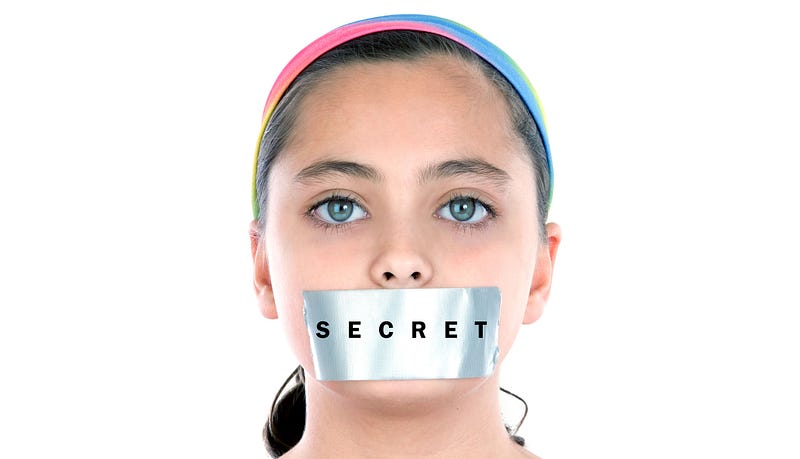
photo by Ulkar- license purchased and edited by the author

My sister and I co-parent our children. I’m Aunt Mama to her kids, and she’s Aunt Mom to mine. We also both experienced sexual abuse as children, so it was essential for us to figure out a way to let our kids know that they could and should tell us if someone abused them. We wanted to do this in a way that would make the kids feel safe to share the information with us.

Six months ago, my thirteen-year-old niece came to my sister and me with the horrifying revelation that her father sexually abused her. Since then, her mother and I have blamed ourselves in so many ways. We both know, logically, that we aren’t at fault- but if you’ve ever played it, you know logic doesn’t have a lot to do with the blame game.

Recently, we’ve acknowledged that while we made mistakes along the way, we did a lot right, as well.

Here is some advice, gleaned from our experiences, about giving your kids the tools and words to tell someone they trust if someone sexually abuses them.

1. Bodily integrity isn’t “Adults Only”

Something I wish we did more of was telling our children, “Your body belongs to you. If someone is touching you in a way you don’t like, you have the right to tell them to stop.”

My niece experienced some touches from her father that made her uncomfortable, but he disguised them as “snuggling.”

She didn’t realize she had the right to say no to snuggles.

Let your child know they don’t have to hug or kiss anyone if they don’t want to. Let them know that they have the right to tell anyone, “No.” when it comes to touches, including you.

One way to practice with younger children is to play a game. Tell them you are going to tickle them in a place they don’t like, such as under their arms or on the bottoms of their feet, and have them practice saying, “No. Don’t touch.” Let them be loud if they want to.

Reinforce these ideas as you go about your day if they say, “No. Don’t touch.” Respect their wishes.

Let them know there may be some people out there who won’t respect their choice when they say, “No.” Encourage them to speak it louder and find someone they can trust if someone keeps touching them after they say no.

If you are worried about offending relatives who want kisses and hugs, come up with an alternative to touching such as blowing a kiss or giving a special wave.

One resource you can check out is Your Body Belongs to You by Cornelia Maude Spelman

2. Sexual Education

We want our kids to enjoy innocence as long as they can. It’s important to understand that having a working knowledge of sex doesn’t impair a child’s innocent nature. You don’t have to give your child every little detail. Each kid is different, and you are the best judge of what they need to know.

However, kids do need to know general information about sex and that it is an activity for adults. If a child doesn’t know that sex exists, how would they recognize it if it happened to them?

My earliest sexual experience was at four-years-old. It was many years later before I realized the experience was sexual. I didn’t know that sex existed or anything at all about the human body if it could be covered in a bathing suit.

This lack of knowledge can be used by a potential abuser to confuse a child about their own experience.

3. Yes touches and No touches

I would suggest avoiding the terms “good” and “bad” touches because that can cause some confusion over time. “Yes” and “No” touches are very straight forward terms. Using a doll or drawing, you can easily demonstrate contacts that are appropriate or inappropriate.

Explain that sometimes, for hygienic reasons or on doctor’s visits, places on the body that are usually off-limits to others may have to be breached. Tell them that you will always explain it to them and let them know when this will happen. Then follow through with that promise.

4. They won’t be punished

Let your children know that you won’t punish them if they tell you about abuse. Abusers tend to use intimidation to quiet children. Abusers warn children that authority figures will punish them.

My Dad would have little talks about my mom when I was a young teenager. He apologized for hitting me and said Mom put him up to it. He always ended with, “Don’t tell your mom I had this talk with you or we’ll both be in trouble.”

Let your kids know that no matter what, they have a safe place with you, and you will not punish them or be angry at them for anything to do with the abuse if it occurs.

5. Believe them

Believing your child is the most fundamental idea listed here. An abuser’s favorite tool is silence. They will tell your child over and over that no one will believe them.

Tell your child again and again that you will believe them.

When my niece came forward to tell us about the abuse, she’d been told that no one would believe it. However, she had no doubt that we would believe her because we’d told her we would over and over.

6. Don’t keep every secret

It’s okay to have secrets, but some secrets are like poison. Tell your child not to keep secrets about sexual abuse. Make it clear that this is true about your child’s secrets as well as secrets that are shared with them by another child.

My niece repressed the memory of her rape for six years. When she had a nightmare and remembered the details, she shared it with my son.

He wanted to tell, but he didn’t know that it was the right thing to do.

My son knew about the rape for a month before my niece came forward. He still beats himself up over not telling us as soon as he heard, and I tell him, “It’s not your fault. I never told you to tell me this kind of secret.”

Make sure your kids know that any secret about harm to another child isn’t a secret they should keep. Tell them that they can tell you, and you will take care of it.

7. Talk to them at least once a month about all of the above, and don’t stop talking to them

As your children grow older, don’t expect that they’ve learned enough and won’t need to hear it anymore. Adjust it to fit their age and maturity level, but keep talking to them.

Yes, they will become uncomfortable with it and roll their eyes and tell you they know it all. Keep repeating it anyway.

Kids may know the basics, but they need to hear them. They especially need to understand that you will believe them.

They still may not come forward

There is nothing we can do to ensure our children are safe at all times or that they will tell us if they experience abuse. Child sexual abuse is complicated. Abusers know a lot of tricks to keep kids quiet.

However, if your child does need help, following the seven steps above will give them the words and tools to ask for it and shield them against some of the weapons abusers depend on to remain in the shadows.

Parenting
Mental Health
Family
Life
Life Lessons
Recommended from ReadMedium