
How to DiscoverYour Niche: A Guide To Profitable Products
Discover the Strategies to Identify, Validate, and Thrive in Your Niche Market as a Solopreneur

In the vast world of entrepreneurship, finding your niche is the key to standing out and achieving success as a solopreneur. Your niche represents a specialized area where you can leverage your skills, knowledge, and passion to create a unique offering that meets the needs of your consumers. While the process of finding your niche may seem daunting, we hope this article will provide you with practical steps and insights to help you discover your next niche product.
Understand Yourself and Your Passions
To find your niche, start by exploring your own interests, skills, and experiences. Reflect on what truly excites and motivates you. Otherwise you could end up with a successful business that you hate operating. The goal isn’t just to generate income, but to love what you do every day. That’s not going to work if you’re a germaphobe operating a garbage removal company. So before you land on your next product or business, ask yourself these three questions:
1. What are my passions and hobbies?
2. What skills and expertise do I possess?
3. What experiences have shaped me personally or professionally?
Identifying your unique qualities will allow you to discover a niche that aligns with your strengths and enables you to thrive as a solopreneur. And most importantly, be happy every day, not just the weekends.
Identify Target Market Opportunities
Just because you are passionate about something, doesn’t necessarily mean it will be profitable. Are you good at painting houses but you live in a town of 30 people? Are you good at crocheting winter hats but live in Florida? That’s why it’s always important to conduct thorough market research to identify potential gaps and opportunities within your industry. Study your competitors and analyze their offerings. Look for areas where there may be untapped demand or unmet needs. Ask yourself the following:
Is there a specific segment of the market that isn’t being targeted?
Are there emerging trends or evolving consumer preferences?
What problems can you solve for your target audience?
The company FIGS is an incredibly popular clothing line for nurses and medical professionals. Neither of their founders came from a background in healthcare. Heather Hasson was passionate about fashion, but rather than focus on an already saturated fashion market, she focused on the healthcare industry because she saw a specific target market’s needs weren’t being met. She was able to combine her love of fashion with a new market opportunity to solve a long-standing problem for the medical community.
Define Your Unique Selling Proposition
Once you have identified potential market opportunities, it’s crucial to develop a unique selling proposition (USP) that sets you apart from your competitors. Your USP should clearly communicate the value you offer and why customers should choose you over others. Consider the following:
What unique skills, expertise, or knowledge do you have?
What special approach or methodology can you bring to the table?
How can you differentiate yourself from competitors in terms of quality, price, or customer experience?
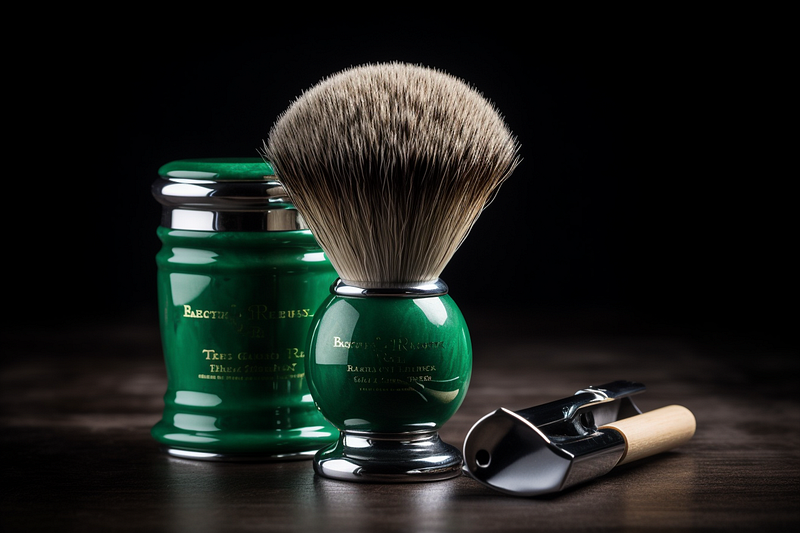
Crafting a compelling USP will help you attract and retain customers within your niche. Dollar Shave Club didn’t invent the razorblade. They didn’t dramatically transform the cost of a common product. What they did do, is create a USP of being the most convenient option available. While it would have been hard to beat out the existing giants of their industry, they were able to find a special approach to change the rules of the game.
Test and Validate Your Ideas
Before fully committing to a niche, it’s essential to test and validate your ideas. This can be done by…
Conducting market surveys or interviews with your target audience.
Creating a minimum viable product (MVP) to gather feedback and refine your offering.
Launching pilot projects or small-scale experiments to assess the demand and viability of your niche.
A friend of mine recently got hired at a new startup. He was attracted to the beautiful modern office space and incredible employee perks. The owner had spared no expense and the product was incredible. However, within 6 months it became apparent no one was interested in it. Unfortunately, the owner had not taken a bootstrapping philosophy to starting his company. Instead, he accumulated a ton of expenses before ensuring he had a valid idea. Rather than starting small with an MVP product, he poured time and money into creating a perfect polished product, before establishing there was a market for it. The company was quickly bankrupt and out of business. By testing and validating your ideas, you can gain valuable insights, make necessary adjustments, and ensure that your niche has a viable market.

Build Your Personal Brand
As a solopreneur, building a strong personal brand is crucial to establishing yourself within your niche. Define your brand identity, including your values, mission, and voice. Develop a compelling brand story that resonates with your target audience. Leverage various channels such as social media, blogging, and public speaking to establish your expertise and credibility.
Final Thoughts
Finding your niche as a solopreneur is an ongoing process that requires self-reflection and adaptability. Remember, embracing your niche not only sets you apart but also allows you to pursue your passion while making a meaningful impact in your chosen field. So, go forth with confidence, and let your niche guide your solopreneurial journey to new heights of achievement.
Startup Lab
Want to stay up to date on Startup Lab articles? Please consider Subscribing for updates here Following us here Or using our referral link to sign up for Medium here


