
Bootstrapping 101 - Forget VC Funding and Embrace True Entrepreneurship
How Bootstrapping Helps Entrepreneurs Avoid Debt, Focus on Profitability, and Maintain Control Over Their Business

Starting a new business can be a challenging and overwhelming task. One of the most significant challenges faced by entrepreneurs is obtaining funding. Traditionally, entrepreneurs have sought funding from venture capitalists (VCs) or other external investors. However, over the past few years, there has been a growing trend toward bootstrapping, especially for solopreneurs. Bootstrapping is the process of starting and growing a business using personal funds, revenue from the business, or loans from family and friends. In this blog post, we will explore the benefits of bootstrapping over traditional funding channels.
Control
One of the biggest benefits of bootstrapping is that it allows the entrepreneur to maintain complete control over their business. When entrepreneurs accept funding from VCs, they often have to give up a significant portion of their equity in exchange. This can lead to a loss of control and decision-making power. With bootstrapping, entrepreneurs can make all of the decisions about the business without having to answer to anyone else. They are free to take risks, pivot their business model, and make strategic decisions without worrying about the opinions of external investors. This eliminates the problem of having too many cooks in the kitchen.
Flexibility
Another benefit of bootstrapping is flexibility. When entrepreneurs receive funding from VCs, they often have to meet certain milestones and growth targets in order to keep the investors happy. This can be very stressful and can cause the entrepreneur to make decisions that are not necessarily in the best interest of the business.

With bootstrapping, entrepreneurs have more flexibility to take the business in the direction they want it to go. They can make decisions based on what is best for the business, rather than what is best for their investors.
Focus on Customers
When entrepreneurs bootstrap their businesses, they are often forced to focus on the customer from the very beginning. This is because they do not have the luxury of spending money on things that are not directly related to customer acquisition and retention. Bootstrapping requires a lean and efficient approach to business, which can often lead to a better understanding of their target demographic’s needs and wants. This, in turn, can lead to a better product or service that is tailored to the customer’s needs.
No Debt
Bootstrapping also has the benefit of not accumulating debt. When entrepreneurs borrow money from VCs or other external investors, they often have to pay interest on that debt. This can put a strain on the business and limit its ability to grow. With bootstrapping, entrepreneurs can avoid this debt and reinvest their profits back into the business. This can lead to a more sustainable and long-term approach to business. This is particularly true when you fund business growth from your profits. You can continue to invest back into your product, R&D, better tools, and marketing. Note: this benefit will not necessarily apply if you are taking out personal loans to fund your company.

Profitability
Bootstrapping also encourages profitability. When entrepreneurs bootstrap their business, they are forced to focus on generating revenue and becoming profitable from the very beginning. This can lead to a more sustainable business model that is not reliant on external funding to survive. When entrepreneurs rely on external funding, they often have to sacrifice profitability in order to achieve growth. With bootstrapping, entrepreneurs can focus on profitability and growth at the same time.
Answer To Yourself
When entrepreneurs bootstrap their business, they don’t have to worry about meeting the expectations of external investors. This can be a huge relief for entrepreneurs who are just starting out. External investors often have high expectations for growth and success, which can put a lot of pressure on the entrepreneur. With bootstrapping, entrepreneurs can take their time and grow the business at their own pace. They can focus on building a solid foundation for the business without worrying about the expectations of external investors. For many who leave the 9–5 grind to pursue their dreams, this aspect is especially appealing. To finally get the freedom to be your own boss and work on your own timeline can make all the difference.
Challenges of Bootstrapping
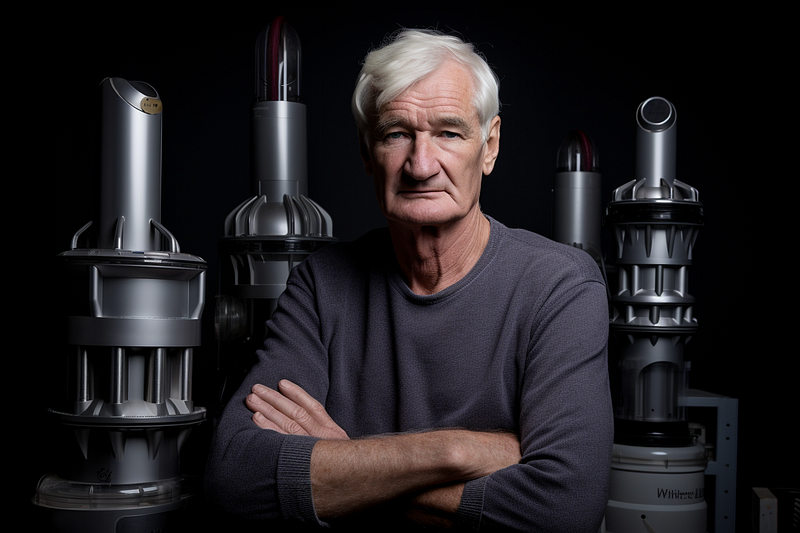
While bootstrapping has many benefits, it’s not without its own set of challenges. One challenge is taking on personal risk. James Dyson, the founder of Dyson is currently worth an estimated $20B. But to get to this point was a long and grueling struggle. James used his home as collateral for the initial loan to fund Dyson. It wasn’t until over a decade later, that he was finally able to pay off his personal loans, which at that time amounted to almost a million dollars. Luckily, it all worked out in the end, but for some, the stress of taking on personal debt can make VC funding sound more appealing.
In addition, VC or Angel investors can often provide a lot more capital up front than a bootstrapper is able to scrape together. This lack of funds can limit solopreneurs' ability to invest in their business and can slow down growth. It also means that entrepreneurs and solopreneurs must be very careful with their spending and ensure that they prioritize investments that will have the biggest impact on their business. This can lead to less rapid expansion of their business. This can be a disadvantage if the market is growing quickly, and competitors are rapidly capturing market share. It can also limit the ability of the business to take advantage of new opportunities or to pivot the business model in response to changes in the market.
Finally, bootstrapping can be a lonely and isolating experience. When entrepreneurs rely on external funding, they often have a team of investors, advisors, and mentors who can help them navigate the challenges of building a business. With bootstrapping, entrepreneurs may not have access to this support network, which can make it difficult to make decisions and stay motivated. Still, many find the pros far outweigh the cons.
Final Thoughts
Bootstrapping has many benefits over getting VC funding. It allows entrepreneurs to maintain control over their business, be more flexible, focus on their customers, and avoid debt. However, bootstrapping is not without its challenges. Ultimately, the decision to bootstrap or seek external funding will depend on the goals and needs of the individual entrepreneur.

Find this article helpful? We’d love to hear from you in the comments!
Startup Lab
Want to stay up to date on Startup Lab articles? Please consider Subscribing for updates here Following us here Or using our referral link to sign up for Medium here