
How To Cut Your Grocery Bill In Half
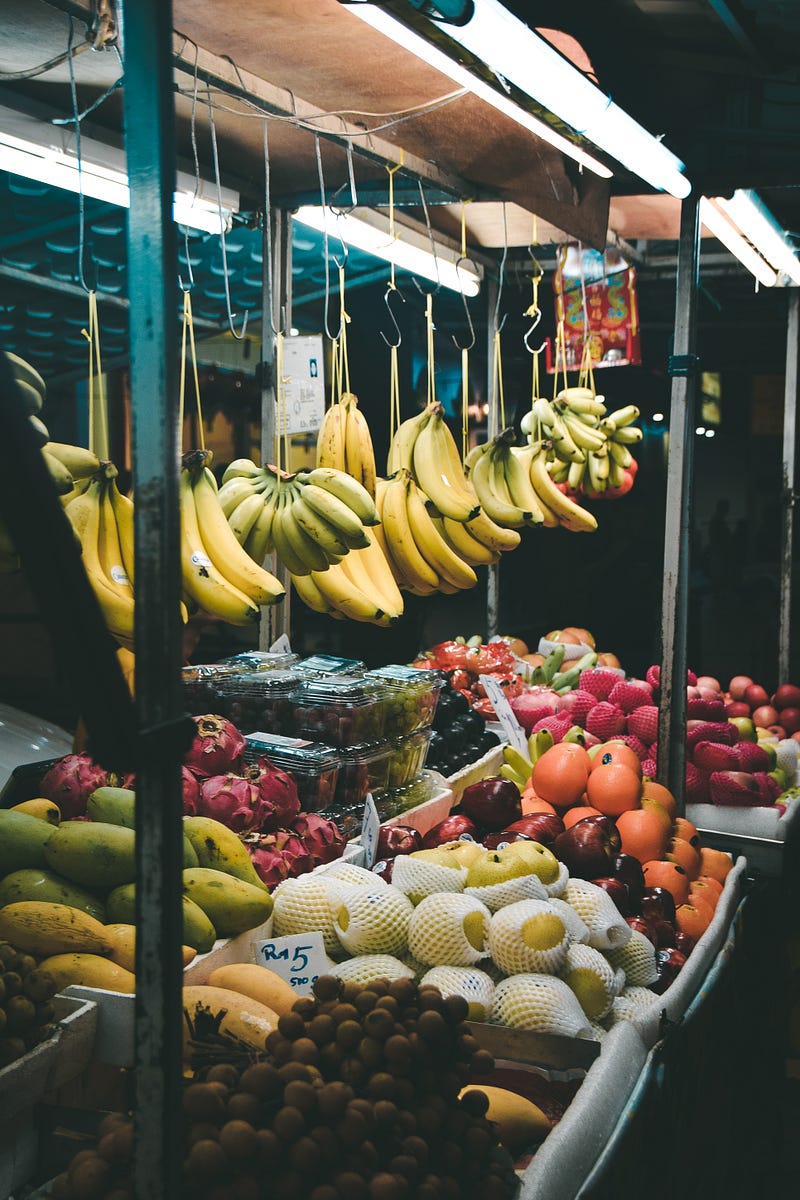
Food is the average family's third-largest expense, behind housing and transportation. Given how big of an expense it is and how easily we can control this expense, I have decided to dedicate more time to discussing our food budget.
I recently wrote about how food delivery and meal kits are wreaking havoc on our personal finances. As a quick recap, ordering food using services like Uber Eats costs 5 times more per meal than cooking at home, and ordering food from a meal kit costs 3 times more than cooking at home.
Now that we are all in agreement that you need to buy and cook your own food, let's focus on how you can do that in the most cost-efficient way possible. To do that, I will share some tips from Erin Chase I recently heard in an interview. Erin is the creator of $5 Dinner and the Queen of cutting down grocery bills.
PUBLIC SERVICE ANNOUNCEMENT: Before we jump into tips and tricks of how to slash your grocery bill, I have two quick questions for you.
- How much do you have budgeted for food each month?
- How much did you actually spend on groceries last month?
If the answer to either of these questions is “I don’t know,” stop what you are doing and set up a budget. To set up a realistic budget, you need to be tracking your spending, including what you typically spend on groceries. There are tons of apps out there to help you track your money; the most popular these days is Mint.
Benefits of Cutting Your Grocery Bill
In a recent interview, Erin said that she used to spend about $500 per month on groceries for herself, her husband, and 2 young children. She was able to cut that in half to $250 per month.
I’ve written in the past that cutting seemingly small expenses (like that pumpkin spice latte) out of your budget can have huge benefits to your long-term wealth.
Let’s quickly calculate the impact of $250 per month, so we know the Opportunity Cost of NOT making any attempt to reduce your grocery bill.
$250 per month is equal to about $3,000 per year. If you took that $3,000 per year and invested it in an asset that gave you an average of 7% return over the next 30 years, you would have created $300,000 in additional wealth.
The point? Seemingly small savings can add up to big-time dollars over the course of a life.
Have a plan before you go into the grocery store, don't aimlessly drift through the isles. grocery stores are not dumb… the whole design of the store is to trap you and make you spend more money than you planned
Tips To Help Reduce Your Grocery Bill
Have a plan
The first thing is first if you want to cut down your grocery bill, you need to have a plan before you walk into the store. Grocery stores are designed to suck you further into the store and spend as much money as possible. The longer you are in the store, the more money you are likely to spend. You need to know exactly what you are buying and how much each item costs before entering the store. If you are drifting aimlessly through the isles, you will end up walking out of there with a bunch of stuff you did not plan on buying.
Erin recommends investing 20 minutes every week to find out what food is on sale and then plan your meals for the week around those sale items. If chicken and steak are on sale, plan the bulk of your meals around that (if you eat chicken and steak). Yes, not only do you need a grocery list, you need a clear plan of how you will turn that food into meals.
Think of Food as Money
According to recent research, the average American family throws out $2,000 worth of food per year. We need to shift our mindset and think of food as a resource because it is!
Next time you throw out a container of blueberries that’s gone bad, don’t think, “I just threw out a container of blueberries.” Instead, you should say to your self “I just threw $5 into the garbage”.
Buy In Bulk
If you can, buy in bulk. It will often bring down the “per serving cost” of food… Hello Costco!
Couponing in the Digital Age
I had no idea until I heard Erin mention it, but most of the major grocery store chains have their own store-specific app. I was still believed that finding coupons and grocery sales meant cutting coupons out of the newspaper. Go ahead and download the app for the grocery stores in your neighborhood; it is a treasure-trove of helpful information on sales and discount coupons.
Besides the grocery store-specific apps, there are tons of 3rd party websites and apps like coupons.com, where you can find tons of sales and coupons. The smart thing to do is find out what is on sale or what you can find a coupon for and make a meal plan around these items before you enter the grocery store.
CAUTION: Don’t buy things ONLY because you found a coupon for them. If you can’t work it into a predetermined meal plan, don’t buy it. 80% off Brussel sprouts is not a good deal if you let them spoil.
There are also really awesome “post-purchase” apps like Checkout 51 that provide cashback “after” you bought all your items. The general idea is you buy your groceries, you scan your receipt, and find out which (if any) items you are eligible for a cashback rebate for. I had no idea this existed, but it is an incredible opportunity to get some free money. Erin’s pro tip is to scan your receipt before you leave the parking lot. Once you get home, life tends to get in the way, and you may forget or lose the receipt (especially if you have kids).
How to Make It Stick
If this is starting to seem like a lot of effort, you’re right; it is. There will be plenty of days where you say, “I don’t feel like putting in the work.” So how can we make sure we stay the course and keep those grocery bills down? Erin’s suggestion, which I wholeheartedly endorse, is having a plan for what you’ll do with the money you save.
For me, every penny I save on my grocery bills I throw into low-cost Index Funds. This makes it real for me to see how much my wealth is increasing because I had the discipline to plan out my groceries and meal plans.
What would you want to use the money for, saving for that family vacation? Saving for Christmas for the kids or college for the kids? Pay down debt? Whatever would give you the most happiness or reduce the most amount of stress, use your grocery savings for that. If what will give you the most satisfaction is paying off that credit card debt, the next time you don’t feel like planning out your meals based on what’s on sale, think about how good it will feel to be debt-free.
Subscribe & help eliminate medical debt
- Subscribe for notifications when I publish my next story
- Subscribe to my Substack newsletter for free
For every 10 subscribers, I donate $1 to RIP Medical debt which will alleviate $100 worth of medical debt for someone in need.
This article is for informational purposes only. It should not be considered Financial or Legal Advice. Not all information will be accurate. Consult a financial professional before making any major financial decisions.


