
How to Cure Your Depression With A Simple Daily Routine
It is possible.

Depression is a common and serious mental health condition that affects millions of people worldwide. It can cause persistent feelings of sadness, loss of interest, low self-esteem, and difficulty functioning in daily life. Depression can also increase the risk of developing other physical and mental health problems, such as heart disease, diabetes, anxiety, and substance abuse.
While there are effective treatments for depression, such as medication and psychotherapy, they may not work for everyone or may have unwanted side effects. Some people may also prefer to try natural or alternative methods to cope with their depression. One of these methods is to follow a simple daily routine that can help improve your mood, energy, and well-being.

What is the routine?
The routine consists of eight steps that you can do every day to help you manage your depression. These steps are:
1. Take Your Medication Or Supplements (first thing in the morning): If you are prescribed antidepressants or other medications by your doctor, make sure to take them as directed. Some medications may work better if taken in the morning, while others may cause drowsiness or insomnia if taken at night. You can also consult your doctor about taking natural supplements, such as omega-3 fatty acids, vitamin D, or St. John’s wort, that may have antidepressant effects.
2. Hydrate Yourself (Drink at least 64oz): Staying hydrated is important for your physical and mental health. Water helps flush out toxins, regulate body temperature, and transport nutrients and oxygen to your cells. Dehydration can cause headaches, fatigue, irritability, and mood swings. Drinking enough water can also help you feel full and prevent overeating.
3. Nourish Your Body (No starving. No junk): Eating a balanced and nutritious diet can also boost your mood and energy levels. Try to include foods that are rich in protein, fiber, healthy fats, and antioxidants, such as lean meats, eggs, nuts, seeds, fruits, and vegetables. Avoid foods that are high in sugar, refined carbs, trans fats, and artificial additives, such as candy, soda, chips, and fast food. These foods can cause blood sugar spikes and crashes, inflammation, and cravings.
4. Get Moving (Go for a walk outside for at least 10 minutes): Physical activity is one of the best natural antidepressants. It can stimulate the release of endorphins, serotonin, and dopamine, which are brain chemicals that make you feel good. Exercise can also reduce stress, improve sleep quality, and enhance self-esteem. Walking is a simple and effective way to get moving. You can walk around your neighborhood, in a park, or on a trail. Walking outside can also expose you to natural sunlight, which can help regulate your circadian rhythm and increase your vitamin D levels.
5. Connect with Others: Social isolation and loneliness can worsen depression. Humans are social animals who need to interact and connect with others. Having a strong social support network can help you cope with stress, share your feelings, and receive emotional and practical help. You can socialize with your family, friends, co-workers, or neighbors. You can also join a support group, a club, a class, or a volunteer organization. Even a brief conversation with a stranger can brighten your day.
6. Spend 2–5 minutes tidying or cleaning the areas you use: Living in a cluttered or dirty environment can add to your stress and lower your mood. Tidying or cleaning your space can help you feel more organized, productive, and in control. You don’t have to do a major overhaul of your entire home. Just focus on the areas that you use the most, such as your bedroom, bathroom, kitchen, or desk. You can start by throwing away any trash, putting away any items that are out of place, wiping any surfaces, or making your bed. Doing this for just 2–5 minutes can make a big difference in how you feel.
7. Plan the next day preferably the night before: Planning ahead can help you reduce anxiety and uncertainty about the future. It can also help you set goals, prioritize tasks, and manage your time. You can use a planner, a calendar, a notebook, or an app to write down what you need to do the next day. You can also include some things that you want to do, such as hobbies, leisure activities, or self-care. Planning the night before can help you sleep better and wake up with a clear and positive mindset.
8. Prioritize Sleep: Getting enough sleep is essential for your mental health. Sleep helps your brain process information, consolidate memories, and regulate emotions. Lack of sleep can impair your cognitive functions, mood, and judgment. It can also increase your risk of developing or worsening depression. Aim for at least 7 to 9 hours of quality sleep every night.
- Bonus: Create achievable goals that you can accomplish and cross out. Depression can make you feel hopeless and worthless. Fight back by proving it wrong by setting goals. Maybe just one goal. As you start to feel better you can add more challenging goals.
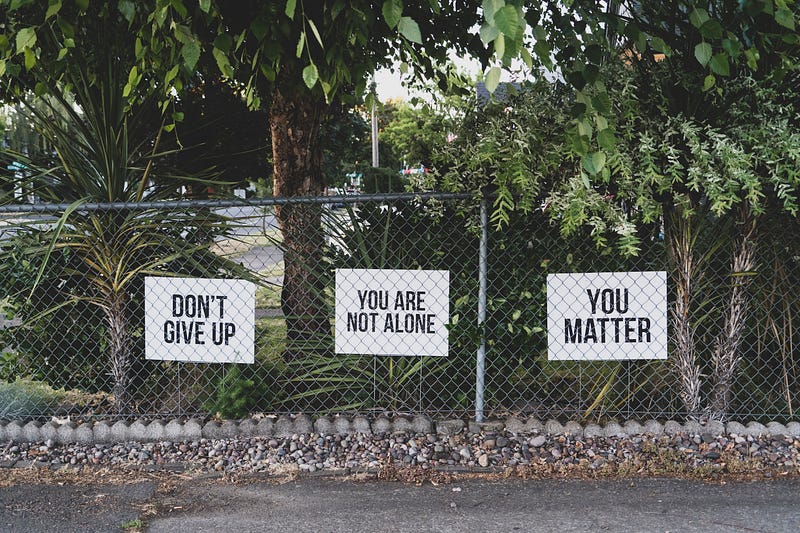
How can the routine help you cure your depression?
Following this simple daily routine can help you cure your depression by:
- Improving your physical health: The routine can help you lower your blood pressure, cholesterol, and blood sugar levels, strengthen your immune system, and prevent or manage chronic diseases.
- Improving your mental health: The routine can help you increase your self-confidence, self-esteem, and self-efficacy, reduce your negative thoughts and emotions, and enhance your positive thoughts and emotions.
- Improving your quality of life: The routine can help you enjoy your life more, find meaning and purpose, and achieve your goals and dreams.
How to start and stick to the routine?
Starting and sticking to a new routine can be challenging, especially if you have depression. Here are some tips to help you:
- Start small: Don’t try to do everything at once. Pick one or two steps that you think are the easiest or the most beneficial for you and focus on them first. Gradually add more steps as you feel ready and comfortable.
- Be flexible: Don’t be too rigid or strict with yourself. Allow yourself some room for adjustments, variations, and exceptions. For example, if you can’t go for a walk outside because of bad weather, you can do some indoor exercises instead. If you can’t socialize with someone in person, you can call, text, or video chat with them online.
- Be consistent: Try to do the routine every day, preferably at the same time and in the same order. This can help you form a habit and make the routine part of your lifestyle. If you miss a day or a step, don’t give up or beat yourself up. Just resume the routine as soon as possible and keep going.
- Be realistic: Don’t expect to see immediate or dramatic results. The routine is not a magic bullet or a quick fix. It takes time and patience to see the benefits. Don’t compare yourself to others or to your ideal self. Focus on your own progress and achievements, no matter how small or slow they may seem.
- Be supportive: Seek and accept help from others who can support you and motivate you. You can ask a friend, a family member, or a professional to join you, remind you, or check on you. You can also join a community of people who are following the same or a similar routine. You can share your experiences, challenges, and successes with them and learn from theirs.
Conclusion
Depression is a serious condition that can affect your physical, mental, and emotional health. However, it is not a hopeless or permanent condition. You can cure your depression with a simple daily routine that can help you improve your mood, energy, and well-being. The routine consists of eight steps that you can do every day to help you manage your depression. These steps are:
- Medicines Or Supplements (first thing in the morning)
- Hydrate (at least 64oz)
- Nourish (No starving. No junk)
- Move Your Body (10minutes)
- Connect With People
- Spend 2–5 minutes tidying or cleaning the areas you use
- Plan the next day preferably the night before
- Prioritize Sleep
Following this routine can help you cure your depression by improving your physical health, mental health, and quality of life.
Remember, you are not alone in your struggle with depression. There are many people who care about you and want to help you. You can also seek professional help if you need more guidance and support. You can overcome your depression and live a happy and fulfilling life.
Authors note: Establishing this routine may seem straightforward, yet adhering to it can be exceptionally challenging amidst the struggle of depression. No matter how frequently you stumble or encounter setbacks, the key is to persistently rise each time.
Something short, funny and awesome I read yesterday by Becca Brooks:
Struggling with consistency, read this article by Jaxson Wilson:


