avatarJeff Hayward

Free AI web copilot to create summaries, insights and extended knowledge, download it at here

2396

Abstract

indow (I sometimes ask the driver to stay in the curb lane to be closer to the action.)</p><h2 id="d06a">Be aware of reflections</h2><figure id="80cb"><img src="https://cdn-images-1.readmedium.com/v2/resize:fit:800/1*4RqyuqRS5rmW23Yc2gFGow.jpeg"><figcaption>Photo by author. This is example of how having the window up can help-it created that nice warm glow.</figcaption></figure><p id="200a">In some cases, reflections and glare from the windows of vehicles can add to the photo. Other times, it might become a distraction that ruins one.</p><p id="bca2">When you’ve got your camera set up and ready, try either rolling down the window altogether — although it can get chilly or hot in a hurry depending where you’re located.</p><p id="d8a7">Instead, you can also get your camera as close as you can to the glass to minimize reflections (I press my lens right up against the glass sometimes. If you do this, it’s probably best to have a filter on your lens in case you hit a bump. It also helps if the lens has internal focus.)</p><h2 id="4b64">Use a fast(er) shutter speed</h2><figure id="aefe"><img src="https://cdn-images-1.readmedium.com/v2/resize:fit:800/1*MJOrobWe_D_SHxaLSmmLhg.jpeg"><figcaption>Photo by author. I saw this coming from a distance and didn’t want to chance missing it. This is 1/1000.</figcaption></figure><p id="5127">You’re in a moving vehicle, so unless you want <a href="https://www.photoblog.com/learn/what-is-motion-blur-and-how-to-photograph-it/">motion blur</a>, you should set your shutter speed to 1/1000 or higher depending on the conditions. I personally would rather have a sharp image with a bit of grain (from higher ISO) than a blurry photo with no grain.</p><p id="7e01">The fast shutter will let you grab facial features and keep storefront signage looking sharp as you zip by. You can also <a href="https://www.adobe.com/ca/creativecloud/photography/discover/panning-photography.html">try panning</a> along with the subject, which can create a sense of movement at a lower shutter speed. (Be wary of the edges of windows if you do this from a car.)</p><h2 id="8152">Try a wider lens</h2><figure id="6b61"><img src="https://cdn-images-1.readmedium.com/v2/resize:fit:800/1*8MQQIRD9qOnwXYxKmT1hyw.jpeg"><figcaption>Photo by author. It’s cool to get all of the context of a scene (including her cool boots.)</figcaption></figure><p id="93ee">Because you’re

Options

passing by scenes in a hurry, using a longer lens doesn’t give you much chance to get your subject in the frame (if you have those kinds of reflexes, then bravo.)</p><p id="da8d">Instead, use a lens like a 24mm or wider, which not only makes it easier to include your subject, but also lets you capture more of the streetscape for context. A <a href="https://photographylife.com/prime-lenses">prime lens</a> will allow you to achieve a faster shutter speed without the side effects of a zoom.</p><h2 id="4d28">Give this technique of street photography a test drive</h2><figure id="5d01"><img src="https://cdn-images-1.readmedium.com/v2/resize:fit:800/1*5EBaw_azLePnwpAuBXDeIw.jpeg"><figcaption>Photo by author. Glad I was in a car for this one. It was bloody cold out.</figcaption></figure><p id="831a">I love seeing what I got when I look through the images taken candidly from a vehicle. Because of the fact you can’t compose from a car the same way as you would when walking, you get some pleasant surprises.</p><p id="9ec1">Some of the elements in the frames were invisible to me at the time, as I was more focused on catching the subjects. If you see the bigger picture and time it right, you can capture some serendipitous shots.</p><p id="768f">Drive-by shootings can take a little bit of practice, but soon you’ll be carrying around your camera whenever someone offers to drive you somewhere. Of course, public transit is another great way to use this photographic technique (just tell people you’re a tourist if they ask.)</p><p id="8bee"><i>Give it a whirl, and let me know in the comments how it went!</i></p><p id="f777"><b>Remember, only do this in a motorized vehicle if someone else is driving. It’s dangerous to drive a killer block of metal and try to compose photos simultaneously (not to mention can probably earn you a big ticket.)</b></p><figure id="f0a8"><img src="https://cdn-images-1.readmedium.com/v2/resize:fit:800/1*AB8iTjqH_ZkF-NWYrUmcxQ.jpeg"><figcaption>Photo by author. Okay, I might have been riding a bike for this one… but I did stop to snap this.</figcaption></figure><p id="b9c2">Just remember the key elements: <b>anticipation</b>, using <b>a wide lens</b>, and a <b>quick shutter speed</b>. Not much different at all from traditional street photography, really. It just all happens faster — and sometimes that’s when magic reveals itself.</p></article></body>

How to Commit a Drive-by Shooting *in Photography

Make the most of your rides from an artistic perspective
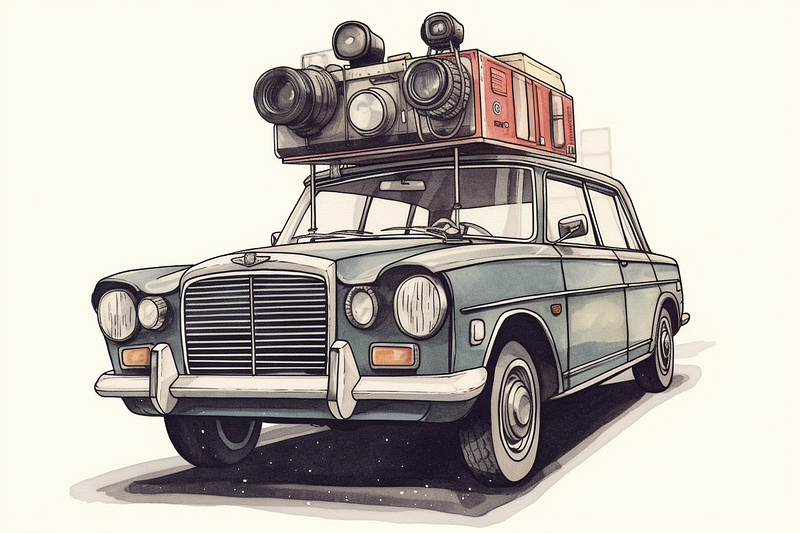
from author using Midjourney

When the pandemic struck, we no longer could aimlessly wander the streets in search of scenes. But we could, of course, drive — to the grocery store and back — which is how I got many of my pictures during that time.

I’m talking about drive-by shootings — don’t worry, not the bad ones that kill people.

I’m talking about the kind where you have your camera (or quality smartphone) ready, pointed through the car window, waiting for any scraps of human life to fill the frame.

Now that the pandemic is no longer a global emergency, I still bring my camera with me when riding in cars or buses. There’s nothing quite like capturing an interesting scene or character from the safety of a steel cage on wheels.

Here are some tips to achieve quality ride-by images…

Speed up your compositions
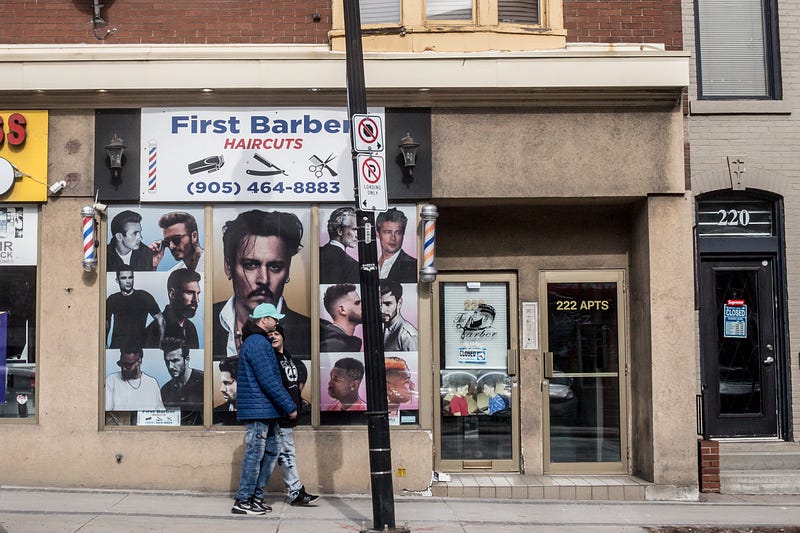
Image by author. I liked how the pedestrians were lost in the sign.

You have to be quick. You don’t have the luxury of moving slowly, and the driver usually has other goals in mind than slowing down for you to snap off some frames. You have to see the scene coming (usually from the windshield), and then time it so you get something decent while you whizz past.

If you’ve been shooting street for a while, you probably already have this instinct. However, when you’re in a car, the moment will pass by in a blink rather than a few seconds when you’re on foot.

Look for interesting people or scenes approaching while scanning through the windshield, and have the shot you want in mind as the vehicle approaches the person/people you’re photographing.

Shoot from the side passenger window (I sometimes ask the driver to stay in the curb lane to be closer to the action.)

Be aware of reflections
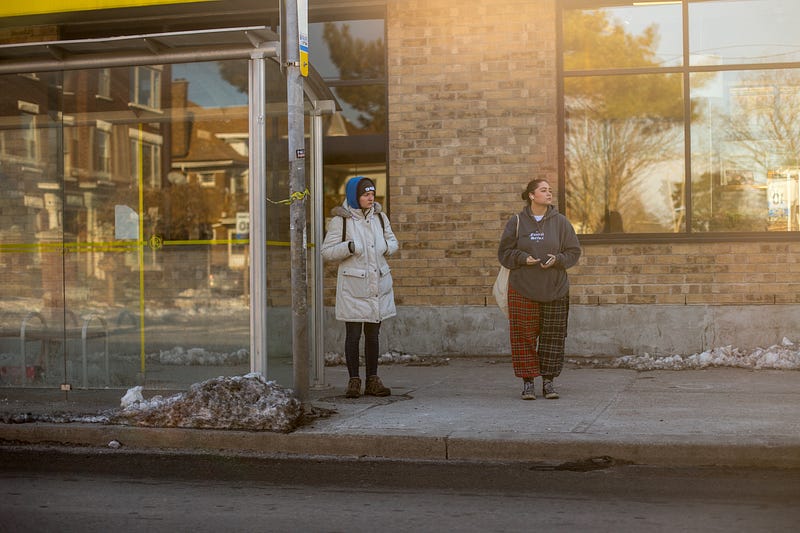
Photo by author. This is example of how having the window up can help-it created that nice warm glow.

In some cases, reflections and glare from the windows of vehicles can add to the photo. Other times, it might become a distraction that ruins one.

When you’ve got your camera set up and ready, try either rolling down the window altogether — although it can get chilly or hot in a hurry depending where you’re located.

Instead, you can also get your camera as close as you can to the glass to minimize reflections (I press my lens right up against the glass sometimes. If you do this, it’s probably best to have a filter on your lens in case you hit a bump. It also helps if the lens has internal focus.)

Use a fast(er) shutter speed
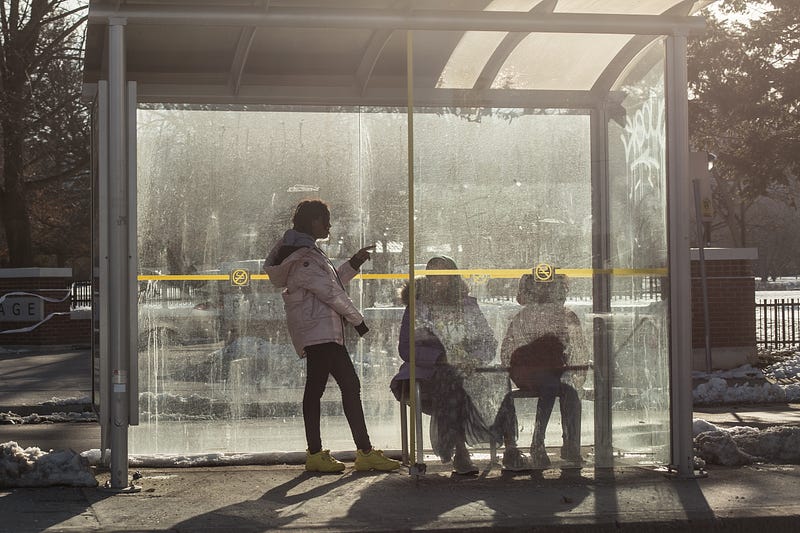
Photo by author. I saw this coming from a distance and didn’t want to chance missing it. This is 1/1000.

You’re in a moving vehicle, so unless you want motion blur, you should set your shutter speed to 1/1000 or higher depending on the conditions. I personally would rather have a sharp image with a bit of grain (from higher ISO) than a blurry photo with no grain.

The fast shutter will let you grab facial features and keep storefront signage looking sharp as you zip by. You can also try panning along with the subject, which can create a sense of movement at a lower shutter speed. (Be wary of the edges of windows if you do this from a car.)

Try a wider lens
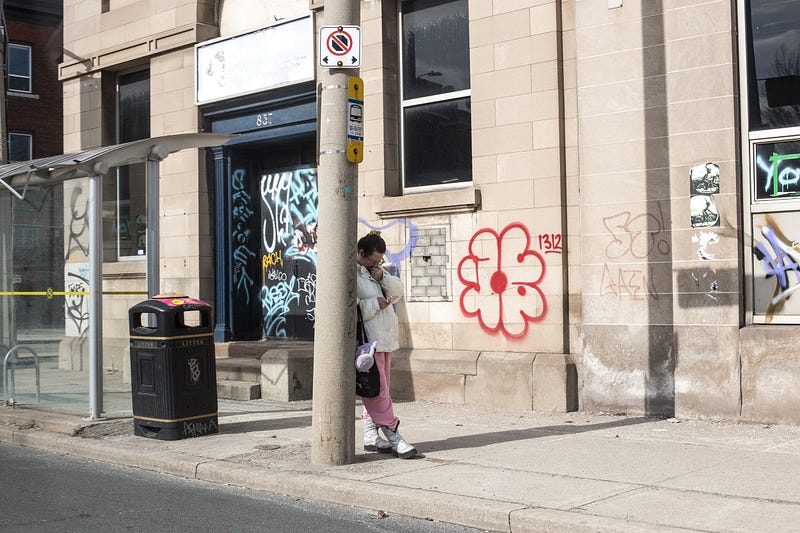
Photo by author. It’s cool to get all of the context of a scene (including her cool boots.)

Because you’re passing by scenes in a hurry, using a longer lens doesn’t give you much chance to get your subject in the frame (if you have those kinds of reflexes, then bravo.)

Instead, use a lens like a 24mm or wider, which not only makes it easier to include your subject, but also lets you capture more of the streetscape for context. A prime lens will allow you to achieve a faster shutter speed without the side effects of a zoom.

Give this technique of street photography a test drive
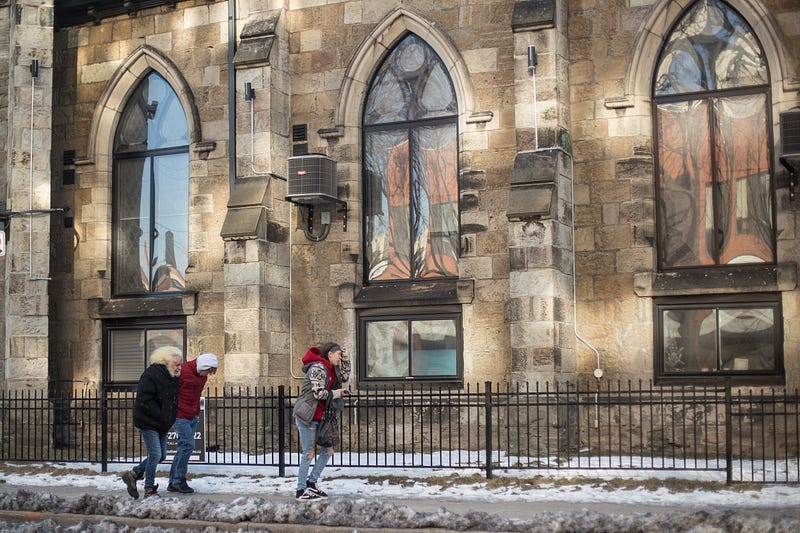
Photo by author. Glad I was in a car for this one. It was bloody cold out.

I love seeing what I got when I look through the images taken candidly from a vehicle. Because of the fact you can’t compose from a car the same way as you would when walking, you get some pleasant surprises.

Some of the elements in the frames were invisible to me at the time, as I was more focused on catching the subjects. If you see the bigger picture and time it right, you can capture some serendipitous shots.

Drive-by shootings can take a little bit of practice, but soon you’ll be carrying around your camera whenever someone offers to drive you somewhere. Of course, public transit is another great way to use this photographic technique (just tell people you’re a tourist if they ask.)

Give it a whirl, and let me know in the comments how it went!

Remember, only do this in a motorized vehicle if someone else is driving. It’s dangerous to drive a killer block of metal and try to compose photos simultaneously (not to mention can probably earn you a big ticket.)
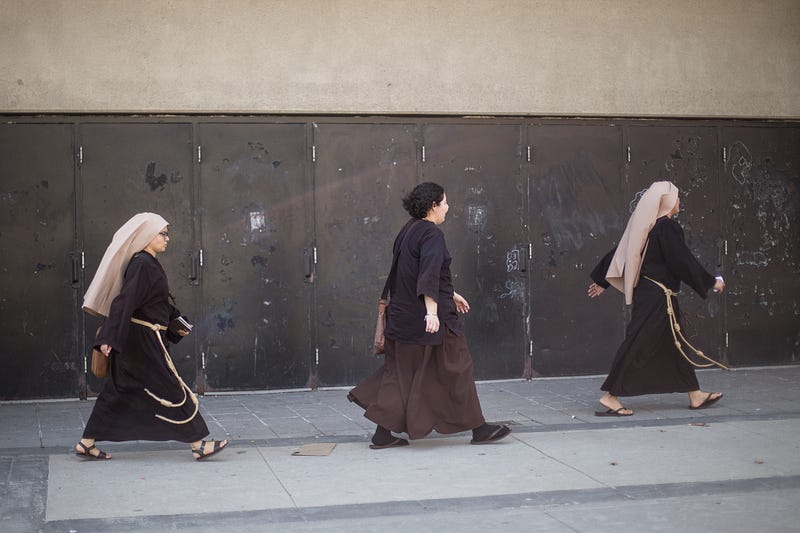
Photo by author. Okay, I might have been riding a bike for this one… but I did stop to snap this.

Just remember the key elements: anticipation, using a wide lens, and a quick shutter speed. Not much different at all from traditional street photography, really. It just all happens faster — and sometimes that’s when magic reveals itself.

Photography
Tips
Art
Street Photography
Full Frame
Recommended from ReadMedium