
How to Combat Unhealthy Biological Aging
Eating the right proteins before age 60 may add years to your life and could give you a long healthy fulfilled life.
If it ain’t broke don’t fix it. If you have been eating vegetable proteins most of your younger life before 60, after 60 is not the time to stop. We are a part of nature and must consume from nature verses all the unhealthy means.
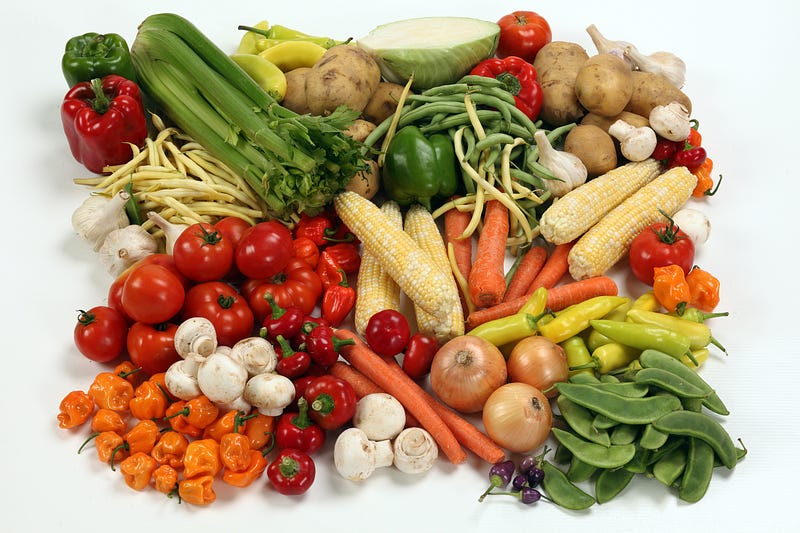
Vegetables Proteins
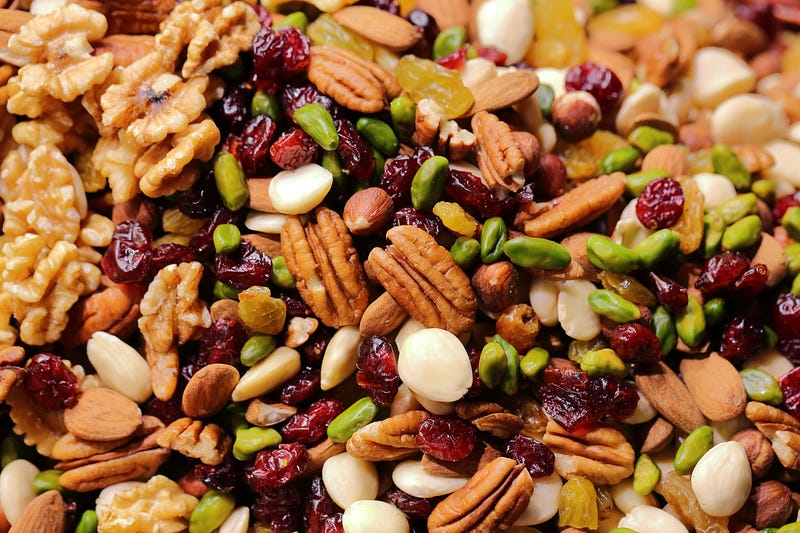
Plant based proteins
As we get older the body does what it wants to do and not what it used to do. Just like our external body ages, the internal body ages also. We can see the external body but must feel the internal workings of the body. The body is designed to wear out over a period of time and it is each responsibility to replenish what the body lacks or demands. Listen, to your body, it will tell you what is needed or lacking. Older adults who cut back on the amount of vegetable protein in their diets may be more likely to experience age -related health problems than their peers who increased the amount of plant protein they eat.
While I am a proponent of studies, but I am well aware that they are biased for most cannot and will not cover every single individual and each particulars. So when I read studies, I keep an open mind that the study is just a barometer of what could happen to others that are similar.
Data from 1,951 people aged 60 and older was collected and each completed dietary surveys and questionnaires to detect four types of unhealthy aging: functional impairments; reduced vitality; mental health issues; and chronic medical problems or use of health services.
All participants got an average 12% of their calories from animal protein, including meat and dairy and about 6% from vegetable protein, including sources such as legumes, nuts, grains, root vegetables and green plants.
People who decreased vegetable protein intake by more than 2%, compared to those who increased their consumption of vegetable protein by more than 2% developed fewer deficits related with unhealthy aging.
According to the evidence from this study, it supports that there is a a beneficial effect of higher intakes of total protein on muscle mass and strength, physical functioning, hip fracture and frailty per Esther Lopez-Garcia, senior author of the study and a researcher at Universidad Autonoma de Madrid.
Also keep in mind this study was done in Madrid and the culture while maybe similar but in reality is different. When looking at studies, one must remain objective and subjective. Note, all studies have some validity. Many facets of a studied must be monitored and noted.
One factor to consider in this study is that the type of protein does matter. Eating a lot more of plant-based sources of proteins, gives you a lot of micronutrients and healthy fats, and fiber that help improve your health. Opposite of plant-based protein is the animal sources of proteins full of saturated and trans fats, and other substances added during the processing (mostly salt and nitrites). Animal proteins have a by product that you are getting all the detrimental effects of these substances.
According to this study, the substitution of plant protein for animal protein has been associated with lower risk of type 2 diabetes, and all -cause and cardiovascular mortality.
It is yet unclear from the study, which vegetables proteins might be best from an aging perspective. High level of protein is protective agent for those aged 66 years and older.
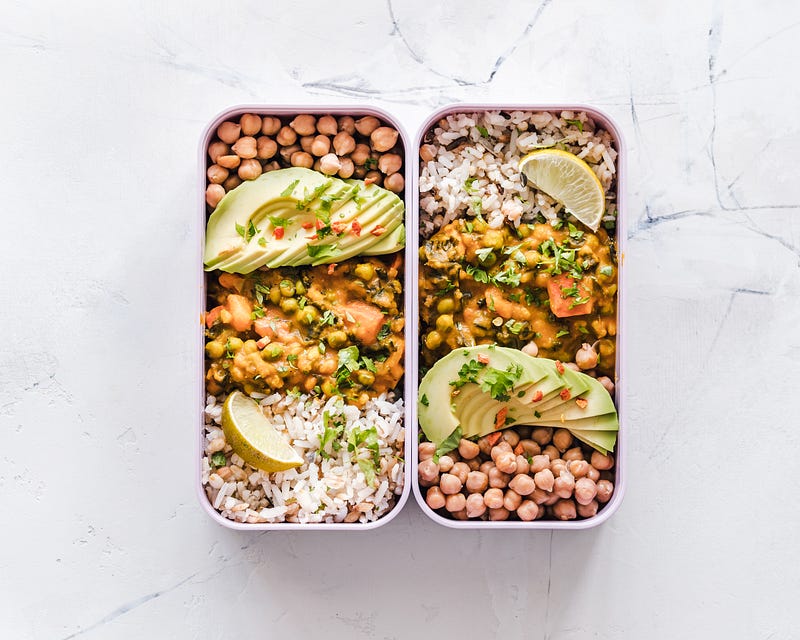
Good sources of plant-based protein include lentils, beans, peas, soybeans, nuts, seeds, and whole grains like teff, wheat, quinoa, rice, oats and buckwheat.
Healthy options for animal protein can include poultry, seafood, eggs, as well as dairy in moderation. Protein sources to reduce or limit include red and processed meat.
In conclusion, know your body and treat it well. Don’t wait until trauma or sickness occurs. Plant based protein and vegetables protein are a must for the young and elderly staving off sickness and illness.
For additional reads:


