avatarCaroline Schley

Free AI web copilot to create summaries, insights and extended knowledge, download it at here

2660

Abstract

gcaption></figure><h2 id="5376">2. Take Deep Breaths</h2><p id="b7f0">Anytime I’m feeling stressed out, deep breaths are sure to calm me down. This solution is so simple, you can employ it anywhere (even surrounded by screaming children in your too-small apartment).</p><p id="2408">There are only three things you need to do:</p><ol><li>Close your eyes.</li><li>Slowly count to five as you inhale, then again as you exhale.</li><li>Repeat as needed.</li></ol><p id="df36"><b>Why it works:</b> Basically, if you breathe too fast, your body assumes something is wrong and your nervous system kicks into a fight-or-flight response. When you breathe nice and slow, your nervous system is able to concentrate on functions that keep you calm.</p><h2 id="5ed2">3. Feel the Music</h2><p id="cbea">I keep a playlist with some music I love and blast a song whenever I’m feeling down/annoyed or stressed.</p><p id="3746"><b>Why It Works:</b> According to a study published in <a href="https://www.pnas.org/content/early/2019/01/14/1811878116"><i>Proceedings of the National Academy of Sciences</i></a><i>, w</i>hen you listen to music you like, your brain releases dopamine. This hormone contributes to and enhances feelings of pleasure and satisfaction.</p><p id="e777">Translation: you feel better after blasting a few of your favorite songs. An important thing to note — this can be any music that you find enjoyable, even if it’s not mainstream or popular.</p><figure id="8aa3"><img src="https://cdn-images-1.readmedium.com/v2/resize:fit:800/0*uBc3m79wWMhiRknv"><figcaption>Photo by <a href="https://unsplash.com/@maltewingen?utm_source=medium&amp;utm_medium=referral">Malte Wingen</a> on <a href="https://unsplash.com?utm_source=medium&amp;utm_medium=referral">Unsplash</a></figcaption></figure><h2 id="bcf4">4. Plan the Week</h2><p id="36ce">When I’m feeling depressed, I visualize the week ahead. I pencil in important meetings, etc, and envision what I want to get done during those times.</p><p id="9ceb"><b>Why It Works:</b> Visualization helps set neural patterns. This means that when you sit down to accomplish a given task, your brain already knows what to do. This can ward off ‘distraction emotions’ like depression (as well as minimizing the time spent procrastinating).</p><h2 id="875a">5. Get Some Exercise</h2><p id="771d">For me, there has not been a single thing in this quarantine more important for my mental health than exercise. Sometimes, I walk laps around my apartment. I do workout videos from YouTube. I lift weights. Whatever. No matter what the exercise is I always, always feel better afterward.</p><p id="a6ff"><b>Why It Works: </b>Exe

Options

rcise releases endorphins in your body, neurotransmitters that reduce sensations of pain and stress. <a href="https://www.cosmopolitan.com/health-fitness/advice/a30333/ways-to-boost-your-endorphins/">According to psychologist Elizabeth Lombardo, Ph.D., M.S., author of <i>A Happy You: Your Ultimate Prescription for Happiness</i></a><i>, e</i>xperts actually compare endorphins to opiates because they deliver such intense pleasure.</p><p id="eea7">I hope some of these suggestions help to boost your mood — during times of quarantine or otherwise.</p><p id="b224">If you would like to stay in touch and receive my free monthly newsletter with my articles and reading suggestions, please <a href="https://mailchi.mp/afd700148fae/rhymeswithfabulous">sign up here</a>.</p><p id="2d47">You may also enjoy reading:</p><div id="7839" class="link-block"> <a href="https://readmedium.com/how-to-read-more-each-day-9db49486b846"> <div> <div> <h2>How to Read More Each Day</h2> <div><h3>First, realize that you do have enough time.</h3></div> <div><p>medium.com</p></div> </div> <div> <div style="background-image: url(https://miro.readmedium.com/v2/resize:fit:320/0*9os-Nnfixakn-eW7)"></div> </div> </div> </a> </div><div id="0e97" class="link-block"> <a href="https://readmedium.com/easy-ways-to-help-local-businesses-now-post-pandemic-5169aa544281"> <div> <div> <h2>8 Ways You Can Help Local Businesses Now & Post-Pandemic</h2> <div><h3>How you can contribute to your local economy over the next year.</h3></div> <div><p>medium.com</p></div> </div> <div> <div style="background-image: url(https://miro.readmedium.com/v2/resize:fit:320/1*wWK91SLudBDFWGwBWSrAzw.jpeg)"></div> </div> </div> </a> </div><div id="cbad" class="link-block"> <a href="https://readmedium.com/how-to-stay-positive-in-difficult-times-2e9936ad5ba9"> <div> <div> <h2>How to Stay Positive in Difficult Times</h2> <div><h3>It’s not easy but we can get through this together!</h3></div> <div><p>medium.com</p></div> </div> <div> <div style="background-image: url(https://miro.readmedium.com/v2/resize:fit:320/0*S6n2JMEZfh0dKqTG)"></div> </div> </div> </a> </div></article></body>

How to Boost Your Mood During Quarantine

Try these small, science-backed tips to stay laughing in lockdown (or anytime)

Photo by Juan Camilo Navia on Unsplash

2020 has been a challenging year for the best of us.

Personally, I’ve been in quarantine for almost two months. I’m fortunate to have a continued stream of income during this time, but stress has still been gnawing away at my stomach lining as I contemplate the future.

  • What will my job look like next year?
  • How can the economy recover from this type of global pandemic?
  • What if the grocery store runs out of flour? Or coffee? Or trash bags?

There’s no shortage of things to worry about. When I’m feeling overwhelmed, I often need to force myself into a more positive mindset.

Here are the tips I use to change my perspective.

1. Get To Get

When I’m faced with a particularly annoying quarantine task (for example, going to the grocery store on the weekend, which can mean hour-long waits in line), I like to change my frame of reference.

Instead of thinking: ‘I have to (insert annoying task here).’, I change my frame of reference and think, ‘I get to (insert annoying task here).’

Why It Works: This language encourages feelings of gratitude (aka thankfulness) about the activities you participate in on a daily basis. In numerous studies, habitual feelings of gratitude have been linked with emotional and physical benefits including better sleep, better health and more positive social interactions. According to Healthline:

Your thoughts are the source of your emotions and mood. The conversations you have with yourself can be destructive or beneficial. They influence how you feel about yourself and how you respond to events in your life.

Photo by Autumn Goodman on Unsplash

2. Take Deep Breaths

Anytime I’m feeling stressed out, deep breaths are sure to calm me down. This solution is so simple, you can employ it anywhere (even surrounded by screaming children in your too-small apartment).

There are only three things you need to do:

  1. Close your eyes.
  2. Slowly count to five as you inhale, then again as you exhale.
  3. Repeat as needed.

Why it works: Basically, if you breathe too fast, your body assumes something is wrong and your nervous system kicks into a fight-or-flight response. When you breathe nice and slow, your nervous system is able to concentrate on functions that keep you calm.

3. Feel the Music

I keep a playlist with some music I love and blast a song whenever I’m feeling down/annoyed or stressed.

Why It Works: According to a study published in Proceedings of the National Academy of Sciences, when you listen to music you like, your brain releases dopamine. This hormone contributes to and enhances feelings of pleasure and satisfaction.

Translation: you feel better after blasting a few of your favorite songs. An important thing to note — this can be any music that you find enjoyable, even if it’s not mainstream or popular.
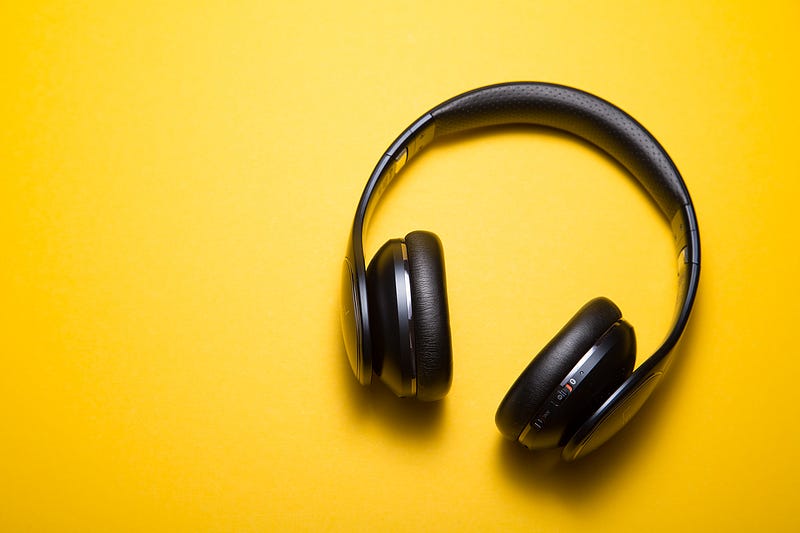
Photo by Malte Wingen on Unsplash

4. Plan the Week

When I’m feeling depressed, I visualize the week ahead. I pencil in important meetings, etc, and envision what I want to get done during those times.

Why It Works: Visualization helps set neural patterns. This means that when you sit down to accomplish a given task, your brain already knows what to do. This can ward off ‘distraction emotions’ like depression (as well as minimizing the time spent procrastinating).

5. Get Some Exercise

For me, there has not been a single thing in this quarantine more important for my mental health than exercise. Sometimes, I walk laps around my apartment. I do workout videos from YouTube. I lift weights. Whatever. No matter what the exercise is I always, always feel better afterward.

Why It Works: Exercise releases endorphins in your body, neurotransmitters that reduce sensations of pain and stress. According to psychologist Elizabeth Lombardo, Ph.D., M.S., author of A Happy You: Your Ultimate Prescription for Happiness, experts actually compare endorphins to opiates because they deliver such intense pleasure.

I hope some of these suggestions help to boost your mood — during times of quarantine or otherwise.

If you would like to stay in touch and receive my free monthly newsletter with my articles and reading suggestions, please sign up here.

You may also enjoy reading:

Mood Booster
Happiness
Happiness In Life
Quarantine
Life Lessons
Recommended from ReadMedium