
How to become a UX Designer in 2024 and make money from day one
A step-by-step guide that is guaranteed to help you land freelance clients
Not a Medium member? You can read the full story here.
If you are an aspiring UX designer curious about the career prospects of this field, then you’ve come to the right place. Given the increasing dominance of AI in the tech and design industry, you might wonder if it’s too late to start a career in UX. This article will answer all your questions, and I’ll even show you how you can make money as a new UX designer.
While the opportunities in UX design are endless, it’s important not to fall for common mistakes that most designers make.
So, keep reading to discover the profitability of UX and why 2024 is the best time to start a career in UX design.
About me
Hi, I’m Deni, a full-time copywriter, and in March 2023, only nine months ago, I also qualified as a UX designer. I signed up for one of Coursera’s most popular online training courses, the Google UX Design Professional Certificate, enrolled by over 900,000 students worldwide. I completed the course in 5 weeks; you can read about it here.
Today, I pursue UX as a side hustle. It has become a nice little income stream since I qualified, but my journey didn’t start well.
Here’s why.

UX is the future, and 2024 is the best year yet to get started!
UX has a great future, but most designers miss this opportunity. In the beginning, I did, too.
Almost 6 billion people are using the internet daily. It has become our second home, our second most visited destination.
It is a beloved hang-out place for many of us. Whether we check our emails and social media accounts, read the news, or watch our favourite TV shows online, the internet is the home to all of these things a lot of us now cannot imagine living without.
The internet connects families and loved ones living thousands of miles apart, and it is thanks to the design infrastructure that enables us to have a pleasant experience. That, of course, is when the design is done correctly.
The only problem with this popular hang-out place is that we have come to rely on it and that it is insanely oversaturated.
If you want to get a job, you go online and apply for one. Only to see that there are already a thousand other applicants in the queue. If you are blessed with a skill like UX design and development, the future is yours, yet many new designers and developers struggle to find clients.
Suppose you are an aspiring UX designer listening to the dreadful news about AI taking over jobs and reading articles about mass layoffs in tech. In that case, you might wonder if it’s even worth pursuing a career in tech and design.
But hear me out; the future is bright if you can see past the clouds.
The year 2024 will be very exciting for UX designers, and taking the leap now, I’ll show you how you can make the most of it.

You can become a successful UX designer but only if you change your mindset
Mobile app design is the future and UX designers are needed everywhere.
The mobile app industry is on track for remarkable growth, with a projected 8.4% compound annual growth rate in global user spending. This surge in spending is anticipated to drive a significant 50% increase in revenue compared to the total revenue of $124 billion recorded in 2022. — Source: SENSORTOWER
For me, taking the Google UX Design Course was the best decision I ever made.
But I made some big mistakes at the beginning. Here they are:
- #Mistake No1 — Trying to find freelance clients online: Like most freelancers and designers, I, too, headed to platforms like Upwork and Fiverr. I also started networking on LinkedIn. I submitted countless proposals online, only to discover that most of them had never even been read. On Upwork, I had clients asking for complex app designs for ridiculous money. Most would pay no more than $50. I quickly realised this was a complete waste of time.
- #Mistake No2 — I took too much time focusing on a perfect portfolio website. I wasted precious time trying to impress, well, no one, as I had no clients, designing a super futuristic website with Webflow. I wanted all the fancy gadgets and animations. What was I thinking.
It was becoming clear that I made a mistake. I was being delusional. The UX Design course taught me a lot, but I was yet to make any money. After a few weeks of relentless trying, I finally started working on a plan.
And I recommend you do this before signing up for a course or bootcamp.

Vision — Mission — Growth
# Step 1 — Vision: Once I sat down and identified my vision for my new UX venture, it became obvious that I was not made to work with clients worldwide. Don’t get me wrong, I’m sure it works well for many freelancers, but it would not have worked for me for these three main reasons: (Don’t click off just yet. This might be more relatable than you think.)
- Face-to-face communication: I am much better at conversing with people 1:1. I am an introvert, and this helps. Being able to schedule a meeting with my prospective clients and get to know their values is essential to me. Not only does it reduce the risk of misunderstandings, but I also get a good feel for whether the client will be easy to work with. Life’s too short to deal with difficult people.
- Cultural Understanding and Context : Working for a local client seems more accessible for many reasons. Local clients share a cultural background, making it easier to understand their preferences, expectations, and the target audience they are trying to reach. Knowing the local culture can be an asset in creating user experiences that resonate with the intended users.
- I have no time for cheap proposals and competition.
# Step 2 — Mission: This was the point where I had to get realistic. From day one, I knew UX would be a side hustle for now. I had to work out how much money I wanted to make from this side hustle and how I would make it. I had to zoom in because my online experience was nothing short of disastrous. This is where I completely switched my mindset. This mindset shift helped me lend my first paying client less than a week after I worked these steps out.
# Step 3 — Growth: I had to figure out how I would make money and grow my new venture that could help me earn more money towards my dream of buying a house outright. No mortgage, no loans.
As you can imagine, this step was crucial.
Here’s what I did: First, I worked out who my ideal client would be. Like creating an ‘ideal’ user in UX, I came up with several client personas.
Once my personas were ready, I googled local businesses in that niche. I researched, checked out their online presence, looked at their social media pages and the most important thing — whether I could convince them to have an app designed for their business.
I have to admit, I actually really enjoyed this process.
Next came the hard part. Getting my portfolio ready.
Your Portfolio
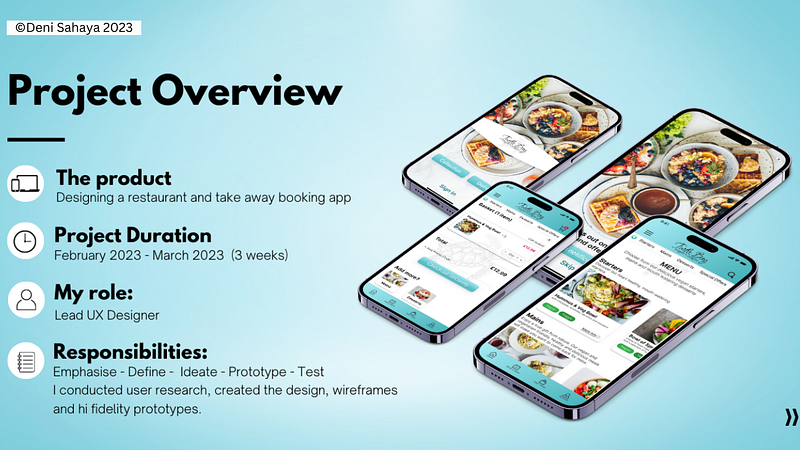
During the Google UX Design course, you are given three projects. By the end of the course, you’ll have completed three full projects. Everything from ideation and research to a fully functioning high-fidelity prototyped product.
The final assignment of the UX course includes creating your own website with your professional portfolio. I designed a website that allowed me to pass the final peer-graded exam, but it was far from sophisticated.
I ended up setting up a profile on Behance and Dribble. Why these two? Once I realised who my clients were, I needed a home for my designs. I got carried away trying to create the perfect portfolio, leading me to become overwhelmed and discouraged.
Looking at designers online who’ve been doing UX for many years made me feel like I was completely wasting my time. On top of that, impostor syndrome has set in full. All I wanted was share a link to my portfolio and lend my first client.

Marketing and How I Got My First Client:
Once I created my portfolio and identified my ideal client, it was time to land a deal.
When it comes to marketing, all I did was put together a one-page leaflet and got 500 copies printed online for less than £20. Then, I spent the next week driving around and delivering them to local businesses. This might sound like a pain to most of you, but I enjoyed it.
This approach was nothing new, as I also make aromatherapy candles and sell them in local stores. It’s just another one of my income streams. Because, you know, we have to be resourceful nowadays. :)
While delivering the leaflets, I got to talk to a few business owners. (What I discovered will blow your mind.)
I also visited the local job centre, where many employers gather monthly to look for employees. I didn’t want to become an employee, but it helped me connect with more business owners.
As a new UX designer, I have landed several projects in the last nine months and have many more awaiting completion. You can find more about those here.
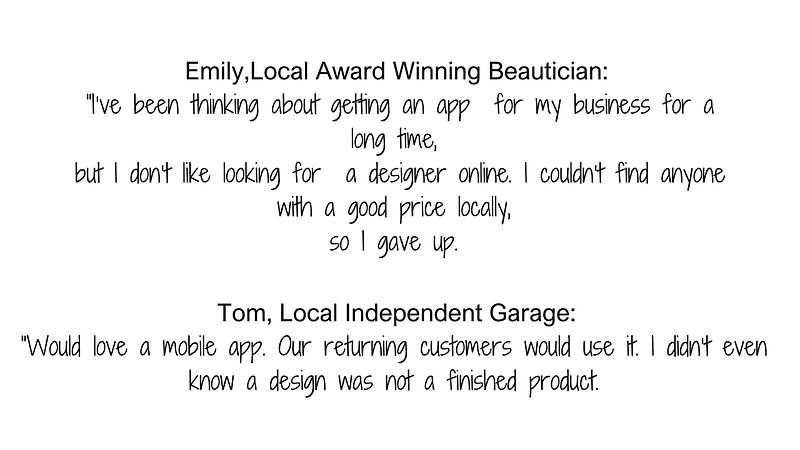
I hope that my story has inspired you to become a UX designer, but most importantly, to think outside the box. Speaking with independent, local business owners of all kinds, I approached yoga instructors, motor garages, gyms, beauticians, schools, nurseries, independent retailers, restaurants and entertainment venues; what I discovered put everything into perspective for me.
Here are some of the top reasons why, according to local business owners, most UX designers and freelancers are struggling to find clients:
Biggest lessons I learned about UX since I became a UX designer
- There are over 6 billion smartphone users worldwide. Apps are the future. Mobile apps are crucial for business owners. UX designers are needed.
- Most designers think about landing a job with big corporate clients, but they need to take advantage of opportunities that are already on their doorstep.
- AI is taking over jobs, and getting a job as an intern or a new UX designer will be increasingly hard.
- Freelancing is the way forward, but you must change your mindset and start thinking outside the box. The future is local, not global.
- Most clients don’t care about your design thinking. All they want is a functioning product that adds value to their business.
- You don’t need to reinvent the wheel. Follow UX and UI principles, and use tools like ChatGPT to help you with your design process and speed up your delivery.
I hope you enjoyed this article. If you want to gain more insight into my journey and how I turned a 5-week course into a profitable income stream, don’t forget to check out these articles here:
Thank you for reading.
I’d love to hear your opinion. What are your predictions for UX? Where are you in your journey?
Wishing you all the best.
Deni
If you like this, why not sign up to my free newsletter here?


