
Hacks, Remixes, and Variants
Hell is Other Gamers | The Solo System
You can now play all your board games solitaire because humans are the worst components
ALONE, adj. In bad company.
— from The Devil’s Dictionary
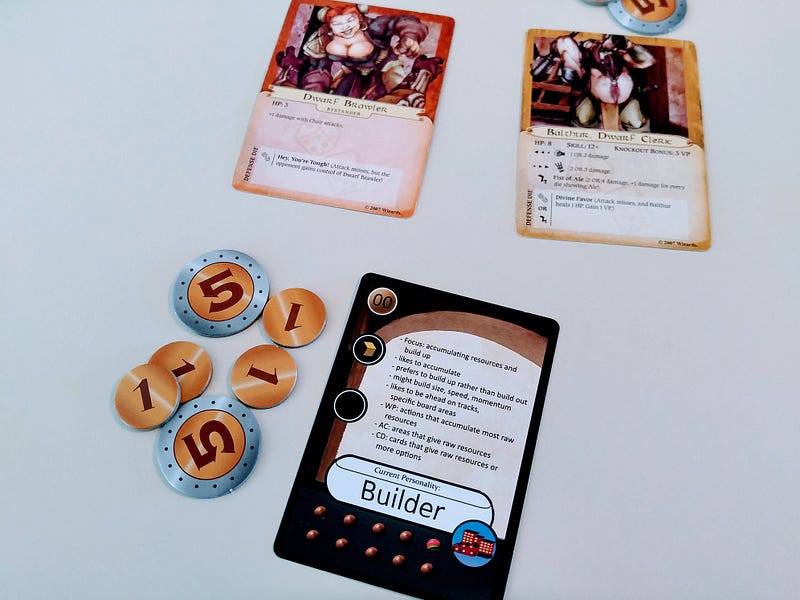
Inn Fighting is the only D&D game I actually like, and I still can’t help wishing there was a Gamma World expansion for it. That said, I can’t think of a sci-fi game that has the same brutal minimalism. I guess fantasy occasionally has something to offer.
I still have a few games that require that most toxic of game components: other people. I’m hoping The Solo System eliminates that need for good.
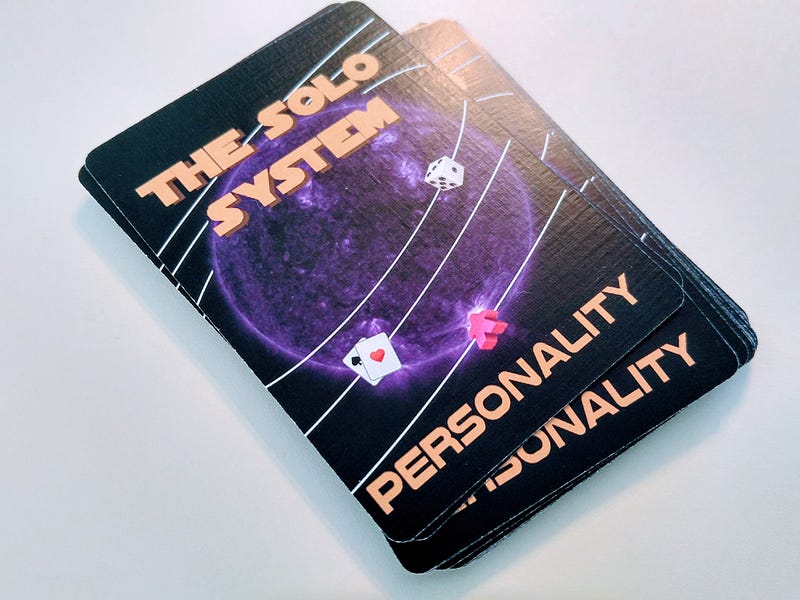
The Solo System has four kinds of cards: Personality, Strategy, Tactics, and Probability. It’s designed to cover a fairly good cross-section of games, so you’re not going to use the deck the same way every time.
Inn Fighting is a fairly straightforward game, so I used only the Personality cards first. Inn Fighting is fast because the fight dice eliminate some options every turn. This leaves only two or three actions to choose from. Combined with some broad personalities, it’s easy to determine what a real opponent would do. There may not be any surprises, but Inn Fighting’s action cards rarely create total upsets. In the end I beat the dummy player, but just barely.
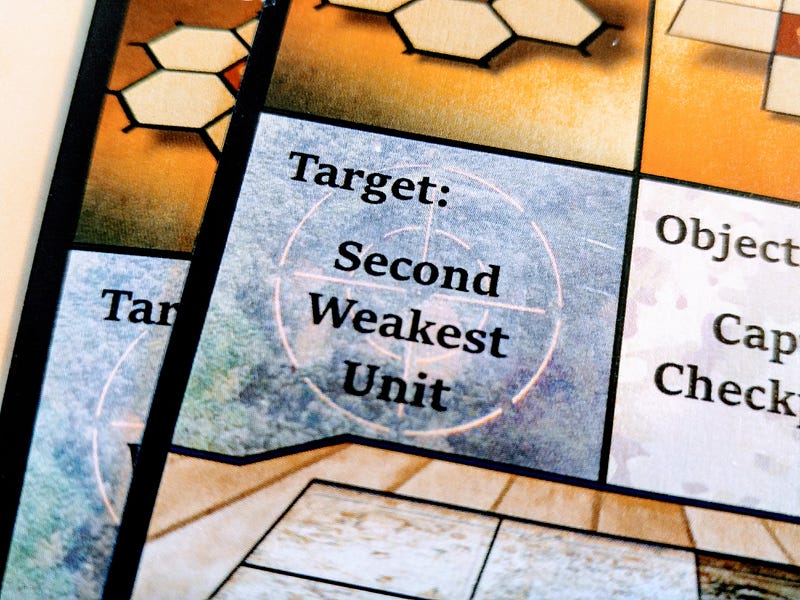
I ran through the game again using only Tactics cards. It didn’t provide a cohesive strategic logic, but Inn Fighting doesn’t really need one. Like I said, the dice point you in only two or three directions. From there, the Tactics cards pretty much made the decisions for me. I just did what they said. Also, I remembered to use the dummy player’s Action cards, which I fumbled during the previous game. Personality cards call on you to think like a player. The Tactics cards just tell you who to hit. Against the Tactics cards, I lost.
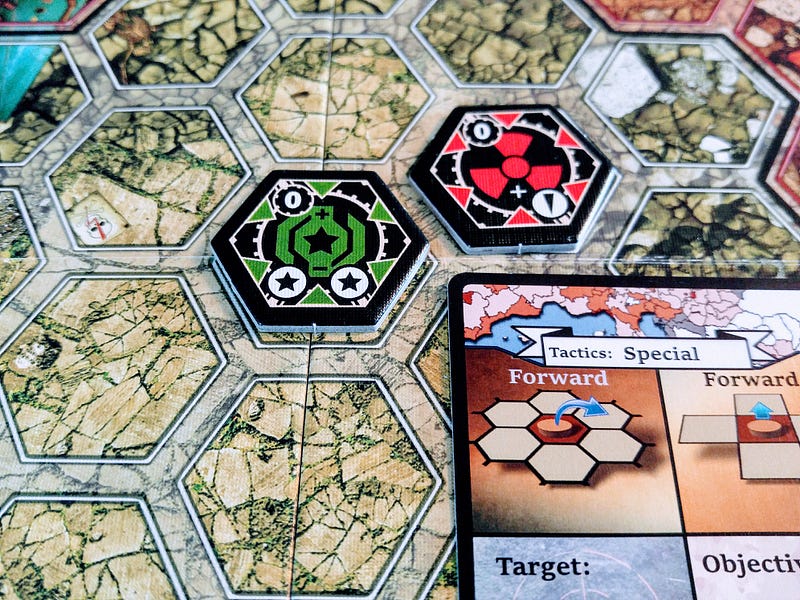
The next test subject was Neuroshima Hex. Unlike 3rd edition, 2nd Ed doesn’t have a solitaire puzzle option. And like Inn Fighting, choices are limited. Maybe more so. Players deal with three tiles at most, and their first action each turn is to discard one. This time I used both the Personality and the Tactics cards.
The first thing I noticed was that it was far easier to manage the dummy player. Neuroshima Hex is pretty easy to manage normally. There’s very little hidden information. Everything you know, your opponent knows. No hidden hands.
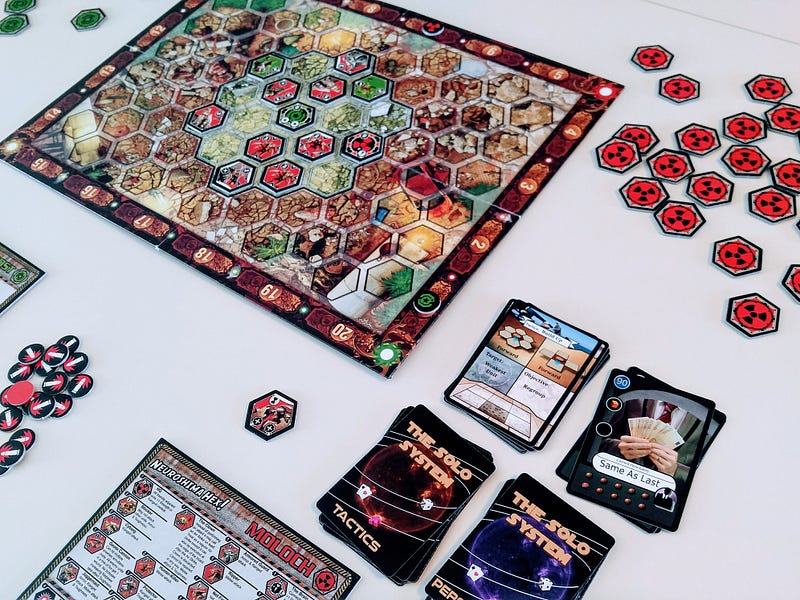
I lost the battle between man and machine. By a significant margin. It’s possible I’m just not good at this game, but there’s another possibility. The Solo System’s strength might not be its flexibility. Its narrow “thinking” makes it dangerous. It eliminates possibilities that the a human player would otherwise consider. In games like Neuroshima Hex or Inn Fighting, The Solo System turns an essay question into multiple choice.
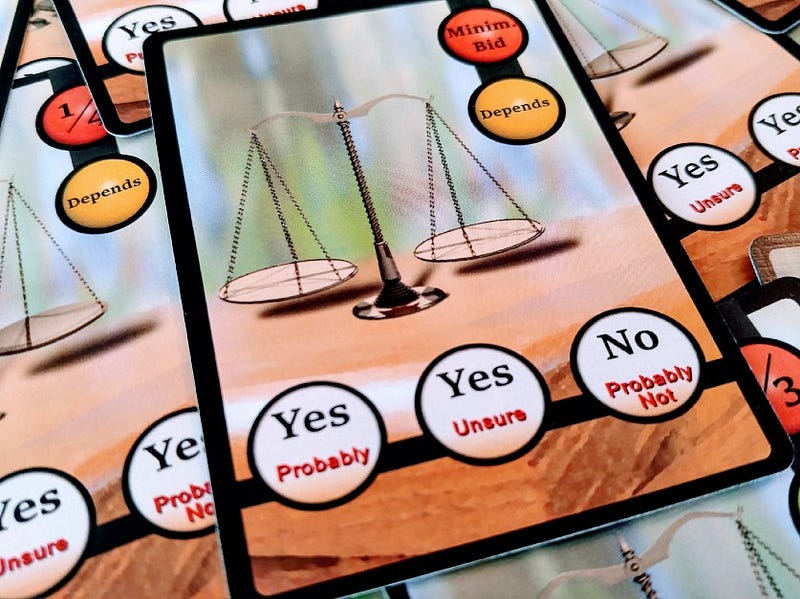
The Probability cards, which I’ve yet to use, are supposed to be used to pick one of multiple possible actions. You’re supposed to come up with a few things the dummy player could do, then draw a Probability card to determine what the dummy player does (but I didn’t do it that way).
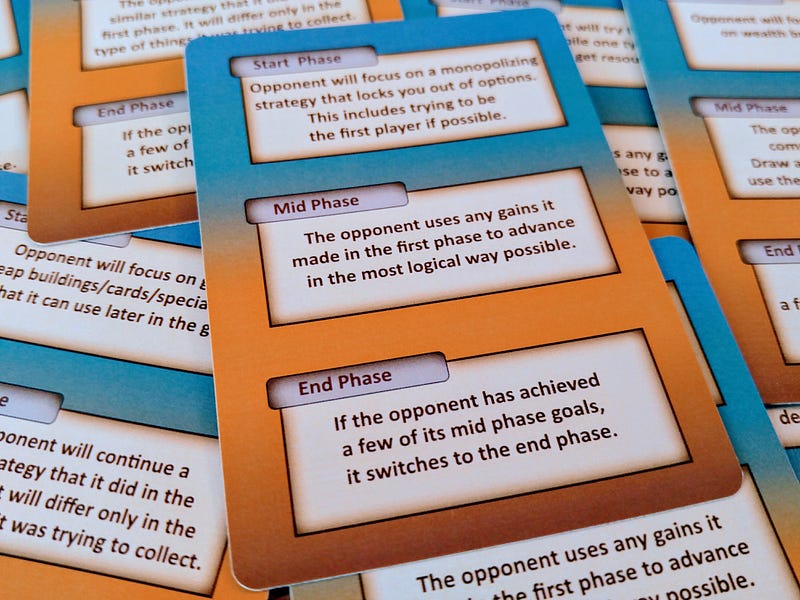
Finally there are Strategy cards, which I also haven’t used yet. They provide very broad strategic direction, apparently for games like Risk or Axis & Allies. Again, they force the solitaire player to pick from a few options, rather than concocting expansive strategies that consider all variables. People tend to complicate everything. By simplifying the strategy, the dummy player might have the better strategy because it CAN’T overthink it, because it doesn't LET YOU overthink it.
I sorta wish I hadn’t sold my Heroscape stuff now. I could have breathed new life into it by experimenting with different arrangements and “programs” of Solo System cards. It might not be too smart, but it nullifies some of the smarts of the player. After all, what good is The Art of War against an opponent with no fear, pride, or impatience?


