
Wellbeing
How To Adapt To Keeping Our Distance After COVID-19
We will miss the human touch
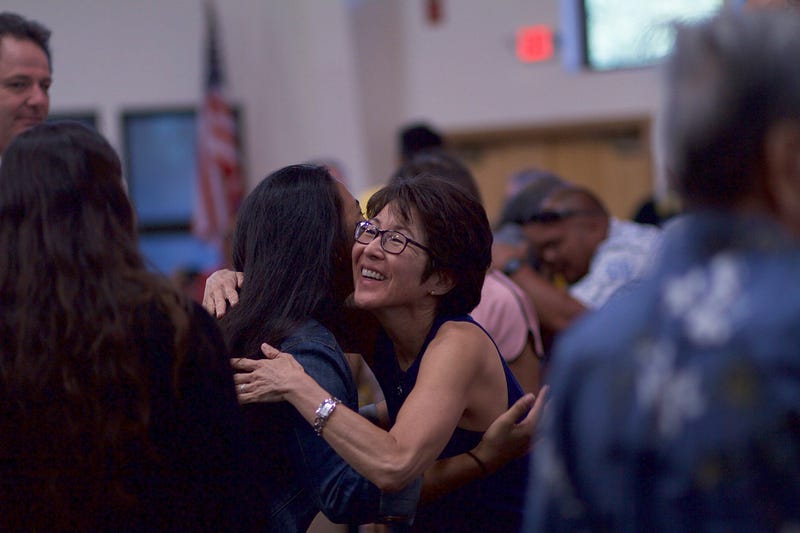
I am still trying to imagine what our new contact-free world will be like. Having lived in Italy for over forty years, you can imagine the loss of physical contact is going to feel quite strange at first. Read on to discover what we will miss and how we can adapt.
I still remember learning to cope with all the embracing and casual kiss greetings when I got to know people in Italy. It took a while and now it seems we will have to go back to our old reserved selves.
The new taboos
Kissing, hugging, and handshakes will be taboo for quite a while. I wrote a funny piece about how we can use our elbows but I am not really looking forward to it.
I have just seen an advertisement for open door keychains or hooks which we can use for opening doors so we can avoid touching them. This would have been unthinkable just 100 days ago!
Why is touch so important?
Tactile behavior is vital to express our emotions and feelings but also for conveying empathy and compassion to others. Touching the skin which is the largest organ in our bodies is so important for communication. It does depend on where you were brought up, though.
In one experiment conducted by Sidney Jourard, he found that the numbers of times friends chatting, touched each other during a one hour chat varied enormously.
- UK = 0
- USA = 2
- France = 110
- Puerto Rico = 180
This experiment was carried out in the 1960s when people were less touchy-feely than they are now. Behavior has certainly changed and it seems that hugging is now all the rage on TV shows, sports events, and even at political rallies.
Another study shows that touch is still of the utmost importance in communicating positive emotions and maintaining social bonds. This is part of our evolutionary inheritance in that when we were primates, the stroking of our hairy skin released endorphins which give us that positive feeling.
Not a question of if but when
People globally are generally very wary now about returning to the usual gestures of touching and close social contact as revealed in this chart here. Britain is less enthusiastic about easing the restrictions which is understandable as they were one of the last countries to go into lockdown.
Huge stigma associated with illness and disease
A friend of mine volunteered to visit and support HIV patients in the hospital in the 1980s. There were many people at the time who were convinced that she was at risk! They were convinced that close contact such as a handshake was dangerous even though this was a sexually transmitted disease! We may encounter a similar stigma to those who have had COVID-19 although they will no longer be infectious.
How can we adapt to the new normal?
1. I think air travel will become much more comfortable and bearable as they will have to be stringent about physical distancing. This might be a very good thing.
2. We have already noticed empty TV studios where guests are few and far between. All the other guests are invited to speak via Skype or Zoom. I still shudder when I see the old shows where the audience were so close to each other. I am already getting used to the new norm.
3. Greeting people with elbows and foot shakes will never be the same as a handshake but we will have to adapt. Otherwise, we would have to wash our hands every time after meeting a new acquaintance!
4. When we do use a hug or a pat on the back, it will become something special rather than a daily mundane occurrence and it will mean a lot more to the recipient.
5. We will probably aim for smaller and more intimate gatherings which is great because there was nothing worse than a crowded cocktail party where you never got to know anyone really well.
6. Waving, bows, head nods, and thumbs up are all safe so we will have to get used to using them more.
We will value laughing, singing, and telling stories now more than ever because these are still wonderfully safe ways to feel connected and loved.


