
How The Wachowski Siblings Made The Whole World Take The Red Pill 💊
The thrilling story behind one of the most influential universes in cinematographic history.
The last months were quite eventful about “The Matrix”. We know that Warner Bros. preproduction work on the sequel has already started. Also, the 4K version of “The Matrix” came out on the 20th anniversary in the USA on July 12th. What else? Casting for the role of young Neo has already begun and Zak Penn, the writer, said that two films are in development. Penn will write the screenplay for the prequel and Lana Wachowski will do the sequel.
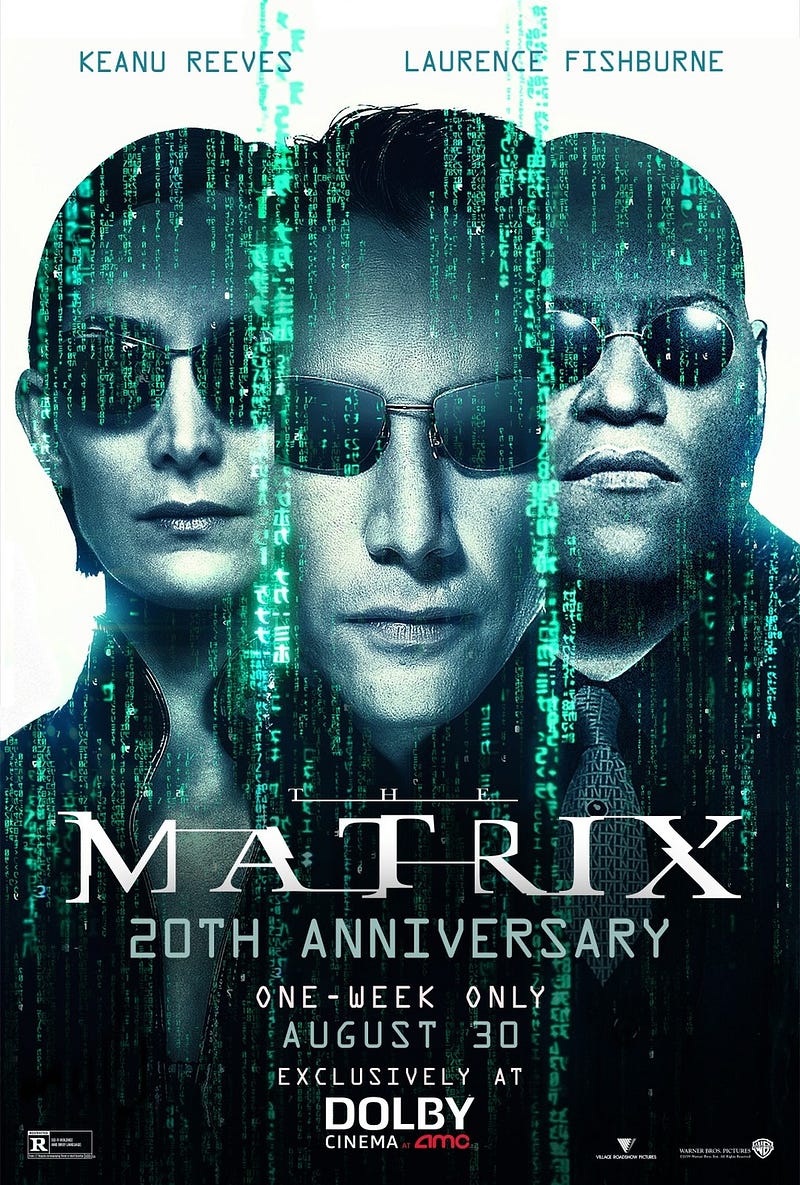
We can’t deny that “The Matrix” is one of the most famous, unique and remarkable films. This article is about the wild-card which blew up the film industry directed by little-known authors. It won the love and almost fanatical adoration of fans all over the world.
This is the story about the auteur film with an overwhelming budget that no one wanted to film but became one of the most important works of the modern cinematography after all.
In two decades “The Matrix” grew into the media franchise and also changed our minds and the picture of the world. Let’s dive into the details of its history, production, and future.
Ideas, childhood, and cinema
If we pick randomly one famous director like Martin Scorsese, Paul Thomas Anderson or Coen brothers we will find in their biography the line “enjoyed movies since childhood”. The Wachowski siblings are not the exception.
Andrew and Laurence who are now Lilly and Lana grew up in Chicago. Their parents were film enthusiasts. They took children to every movie which they thought was interesting and ignored the parental-advisory labels.
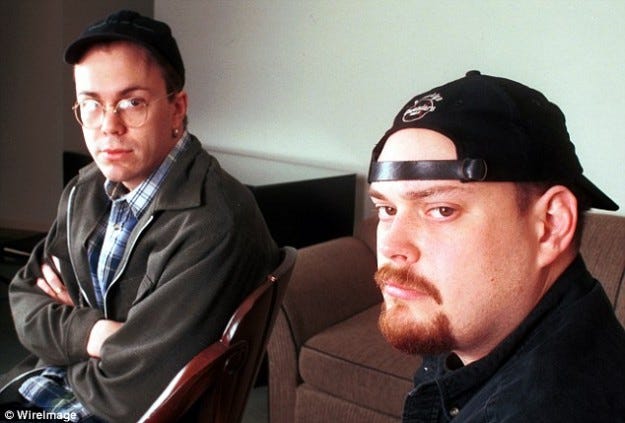
When Lary was ten and Andy was seven they watched “A Space Odyssey” by Stanley Kubrick. Larry did not like the film and could not understand the idea of the black monolith which made people’s minds evolve. His father explained to him that it is not just a monolith, it is a symbol.
He said, “Maybe it’s the consciousness of God.”
And from this moment something has changed in Larry’s mind.
“That simple sentence went into my brain and rearranged things in such an unbelievable way that I don’t think I’ve been the same since. Something clicked inside. ‘2001’ is one of the reasons I’m a filmmaker.” Larry said in the New Yorker interview.
They were creative children. The siblings recorded their play inspired by The Shadow on an audiotape, then created a comics and wrote a board game with their friends. So, the fact that after all these years they will work on different scripts is not surprising.
How the Wachowski got a contract for 3 movies without filming anything?
Larry got into Bard College but after two years he decided to drop out of it because he dreamed to be a writer. He moved to Portland, Oregon. While Andy was studying in Boston, Larry wrote an adaptation of “The Princess Bride” by William Goldman. But he could not get the rights, so he failed. After that, they decided to move on. You may not sell your work but you still need to earn money for living. That is why even if they failed in selling scripts they continued to write.
Andrew also left college during the second year. Both got back to Chicago and started a construction business. It gave them money and writing fulfilled their dreams.
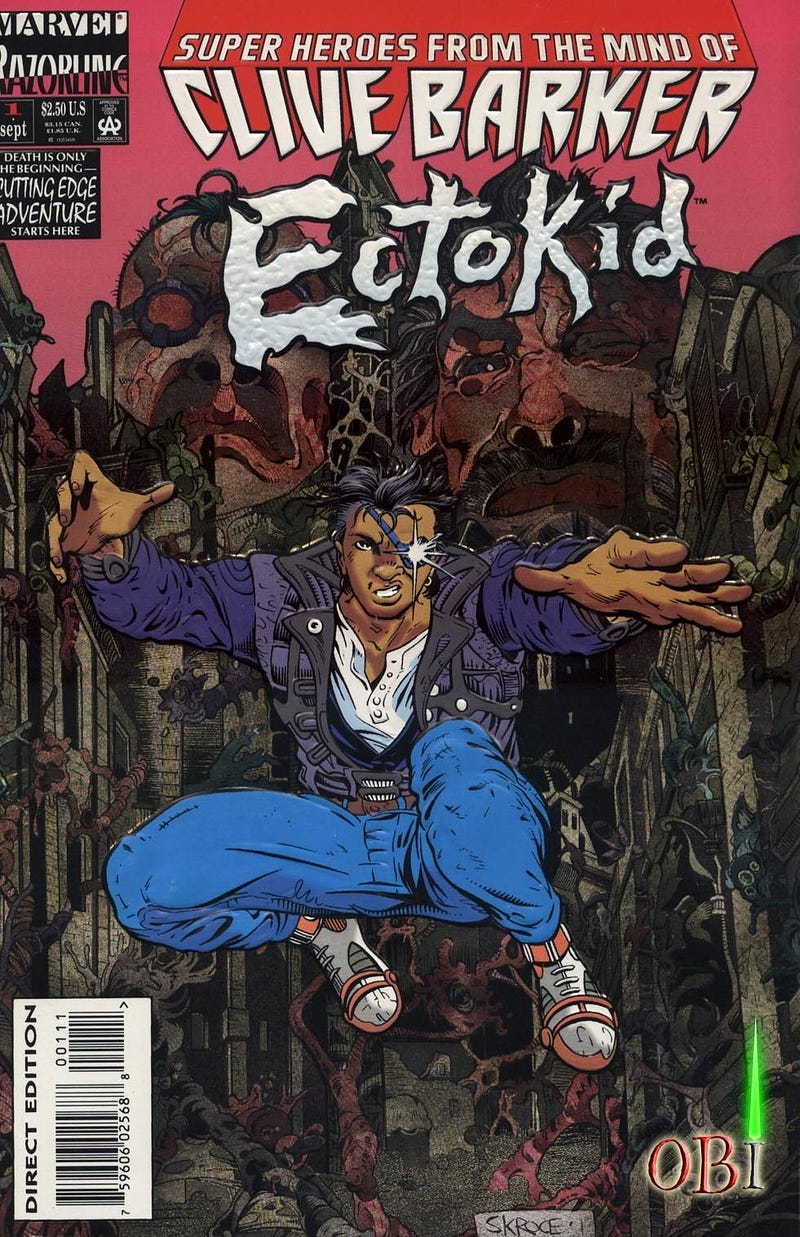
In the early nineties, Laurence carved out a place for them in Marvel Comics. They were writing for the series “Ectokid,” which was drawn by Steve Skroce.
They read Roger Corman’s book “How I made a hundred movies in Hollywood and never lost a dime” and inspired by this book they wrote a script for the low-budget horror movie “Carnivore”. The story was extravagant with many political connotations. “Carnivore” is about the soup kitchen which feeds the poor people by chopping up rich people and cooking them in a stew. Oh, yech!
This script was sent to several agents. Some of them kind of liked it but they asked the Wachowski to write something more commercial. And again they didn’t succeed because “Carnivore” never became a movie.
In 1994 Andrew and Laurence returned with a more commercial script for the thriller “Assassins”. Lorenzo di Bonaventura, the executive producer of Warner Bros., enjoyed the screenplay and he bought the rights for it and signed a contract for two more screenplays.
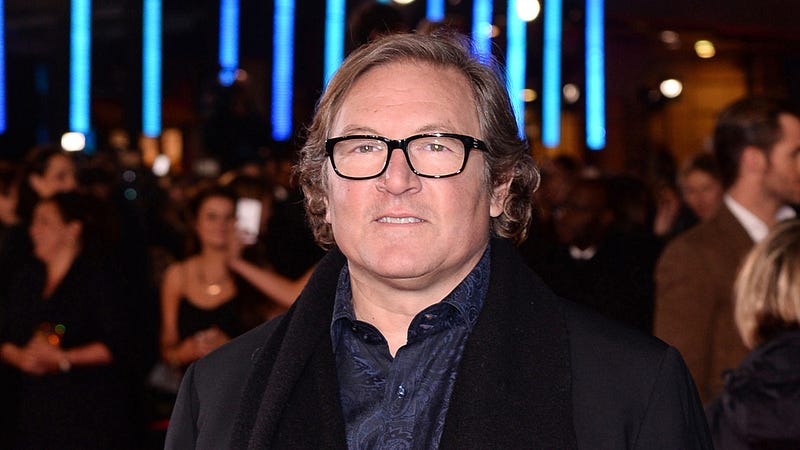
Again things went wrong. Richard Donner, the director of “Assasins”, thought that The Wachowski’s script is too complicated. He entrusted Brian Helgeland, the future Oscar winner for the best screenplay for “L. A. Confidential”, to rewrite it. Helgeland at that time was not a very experienced writer. He removed everything that The Wachowski cherished so much.
“There was all this symbolism and subtext, and he wanted more of a straightforward action thriller. We were interested in the notion of pocket moral universes, and the way that … even people in an everyday world can have a separate morality inside their pocket universe. Richard Donner wasn’t interested in that idea.”
The Wachowskis were disappointed because there was nothing left from their original script. They wanted to take their names off the project but The Writers’ Guild didn’t allow them.
“[Producer] Joel [Silver] was like, “This is your first movie, and you’re trying to take your name off of it?! That’s crazy!” And we were like, “We don’t care. We don’t like it.” But it gave us the perspective of, we’ll never survive as writers in this town.”
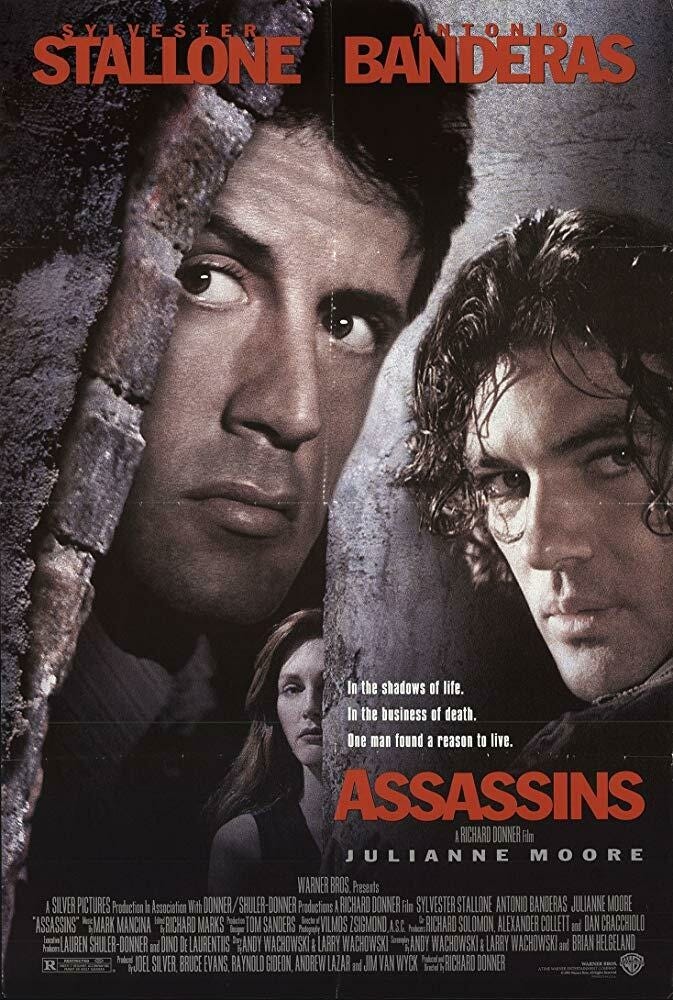
The picture was a disaster. It received 15% on Rotten Tomatoes and it didn’t pay off. The screenplay was criticized because of incoherence and clumsiness. The real meaning of “Assassins” you can find out in the original screenplay written by The Wachowski siblings.
However, there is a good thing in every situation, right? They had the contract for two more scripts in their pocket thanks to “Assassins”. Therefore, the way was open for their key project — “The Matrix”.
The birth of “The Matrix”
During the work at Marvel Comics, they were brainstorming ideas for the new comics and suddenly they thought what if our world is a simulation. They liked this idea so much that it became a pivotal point of the story. An essential starting point became an idea of the “electronic universe”.
Larry and Andy Wachowski explain, “We began with the premise that every single thing we believe in today and every single physical item is actually a total fabrication created by an electronic universe. Once you start dealing with an electronic reality you can really push the boundaries of what might be humanly possible. So if characters in The Matrix can have instantaneous information downloaded into their heads, they should, for example, be able to be as good a kung-fu master as Jackie Chan.”
The Wachowskis wanted to combine all that they enjoyed in one project. Movies, anime, books, scientific and religious ideas. The siblings spent a lot of time creating the universe of “The Matrix”. They were looking for the perfect way to show it. Initially, they wanted it as a comic book, but then they showed the outline to their friends. It was obvious that the material demanded more dynamic visuals.
“Because we were involved with Warner Bros. at the time, we had this writing commitment to them. We were doing work for hire. We wrote a few different scripts, like this sort of Hitchcock-y thing about this guy stuck in a building. And then we did this version of Plastic Man, before the superhero thing hit. Oh, and then we wrote a version of V for Vendetta, and that was our commitment. Then after that, Bound came out, and we were like, “We gotta make The Matrix.”
The first version of “The Matrix” screenplay was finished in 1994. They showed it to different people from the cinema industry but no one understood it. Some even tried to change something in it.
Larry: “This is the script that every single person rejected in this town. Everybody kept trying to change it. And everybody wanted us to blow The Matrix up.
Andy: “Where is it? Where is the Matrix? Why don’t you just blow it up?”
Larry: “Like the Death Star?”
In the same year, “Assasins” came out. Larry and Andy showed their “complicated” screenplay to Joel Silver, one of the producers of “Assassins”, and he immediately wanted to see the final result. However, The Wachowskis told him that they want not only to write the screenplay but also to direct the movie. Such a request was rather unexpectable. It was obvious that “The Matrix” will be a very expensive movie.
There are two different opinions about what happened next. The first version is that Silver agreed to give them his job only if they will make the movie with a lower budget. Anyway, the siblings tell it is just Silver’s fable and they are not afraid anymore to interfere in the working process.
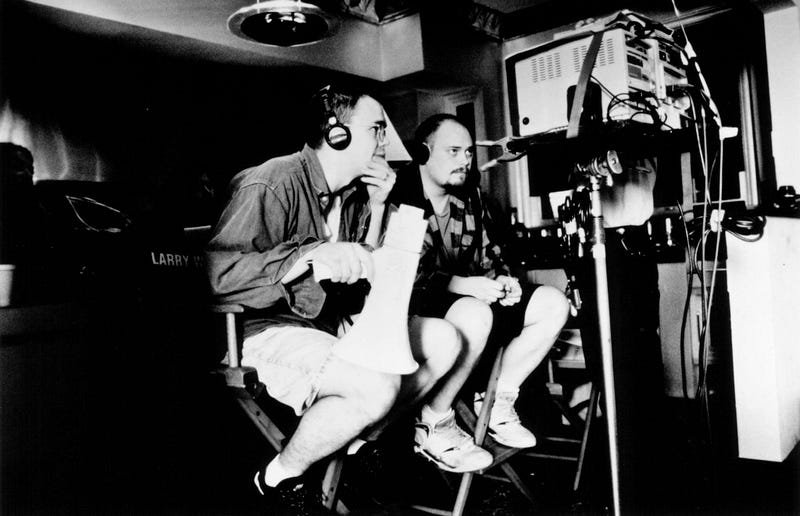
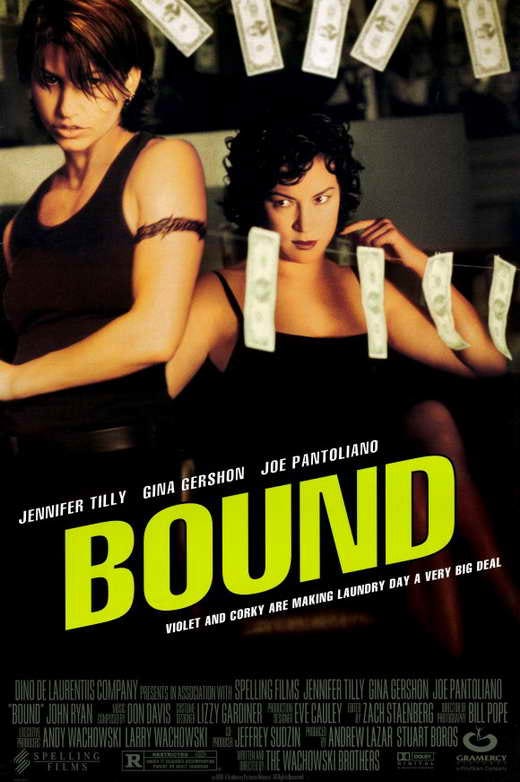
In October 1996, Lary and Andy still were not confident whether “The Matrix” will be greenlit. At that time they directed their debut neo-noir crime thriller “The Bound”. It was initially released during the Venice Film Festival on the 31st of August 1996. They had an interview with Josh Horowitz about it and the Wachowskis said about a certain “very expensive” movie.
Josh Horowitz: So what’s next for both of you? What are you working on now?
LONG PAUSE
Larry: There’s a science fiction project that we really want to make but it’s very expensive as they keep telling us so we’ll see. Hopefully, it will happen.
And finally, they succeed. “The Bound”, a stylish criminal thriller about two women from the criminal environment who fall in love with each other and decide to steal $2 million from the mafia. The film was warmly welcomed by the cinema critics and viewers. The latter said that “The Bound” is written and directed very well.
This positive endorsement was very important for the Wachowskis because they made up for the previous film “Assassins”. The movie was in theaters for a limited time. The film grossed $7 million with a $6 million budget. However, the producers of Warner Bros. understood that Andy and Larry are talented directors.
Unfortunately, the producers didn’t see the huge potential of “The Matrix”. It was obvious for everyone that it will be the movie with an enormous budget and the studio doubted about the payback. The siblings decided to convince the management that their project deserves a chance.
They hired Geoff Darrow and Steve Skroce, comic book artists, who storyboarded 600 detailed scenes of “The Matrix”, breaking down the movie shot by shot. By the way, Steve Skroce was the artist who worked with the Wachowskis on “Ectokid” during 1993.
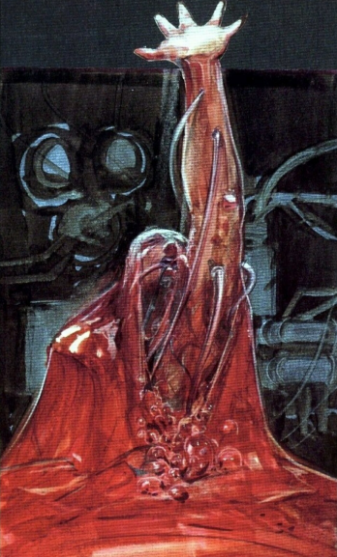
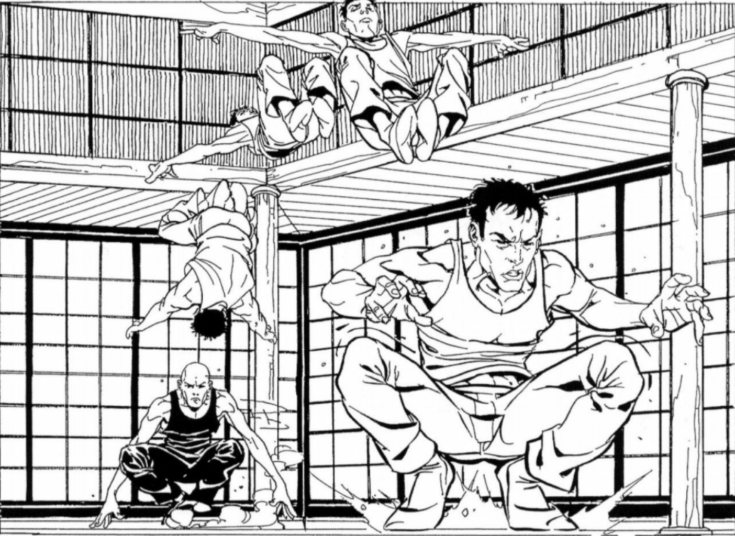
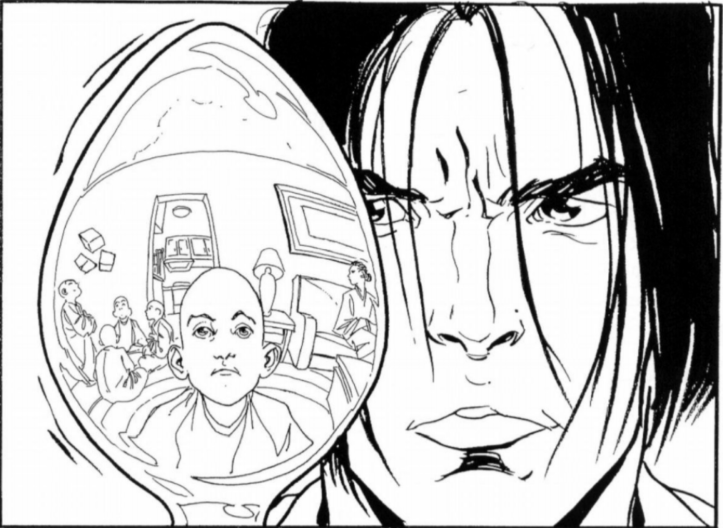
The siblings laid out the storyboard for Warner Bros. cochairmen Terry Semel and Bob Daly.
“It was an unusual show. One of the Wachowskis was explaining the story, and the other was making sound effect noises.”, said di Bonaventura.
After that Warner Bros. studio decided to invest around $60 million.
“A huge investment in an idea that couldn’t be distilled to a single-sentence pitch. But that amount was far less than what Warner Bros. had spent on Batman & Robin, a disastrously overpriced franchise entry that would be all but scoffed out of existence before 1997 was over. Warner Bros., like the rest of the major studios, had watched moviegoers grow increasingly tired of unsolicited remakes and retreads. They wanted new adventures, new ideas. “Sequels were faltering. And a lot of genres were dying: action-comedy movies, buddy-cop movies. We knew we needed to do something different.”, di Bonaventura said.
Finally, Warner Bros. gave a green light to “The Matrix” in Spring 1997.
The beginning of production
Joel Silver and Lorenzo di Bonaventura started the production of “The Matrix”. Although you can not find di Bonaventura in the credits, he vouched for the film. He sincerely rooted for The Wachowskis. Moreover, he thought that the most difficult for every studio was to catch a rep of a pioneer in the cinema industry, according to his interview for the documentary film “The Matrix Revisited”. That is the reason why the Wachowskis’ film might play into the hands of Warner Bros. studio.
Andy and Larry decided to invite Bill Pope as a cameraman who also worked with them filming “The Bound”. They bonded over their common interest in comic books and became good friends. However, when he found out the amount of money invested in “The Matrix” he wanted to get out of the game. He thought that the higher the budget was the more problems might appear.
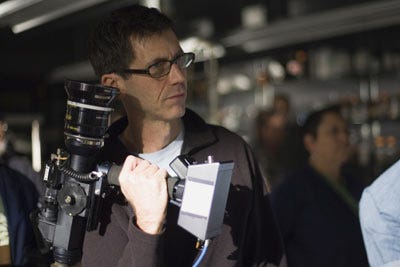
Warner Bros. Studio invested $63 million. That was serious money in the ’90s. Besides, the previous film of the siblings costed ten times less. Pope tried to convince Andy and Larry to film a lower-budget version of “The Matrix”, but The Wachowskis already had a perception of the future motion picture and they were not going to aside their ideas.
As we said before, they wanted to combine different things that they enjoyed, like films, anime, books, science, and religion. The siblings wanted not just to use the recognizable features of different works but to connect them in something brand new and distinctive. Their main source of inspiration was the legendary anime “Ghost in the Shell” by Mamoru Oshii. When the Wachowskis talked with Silver about the film they said that they want to create Ghost in the Shell” but as a movie.
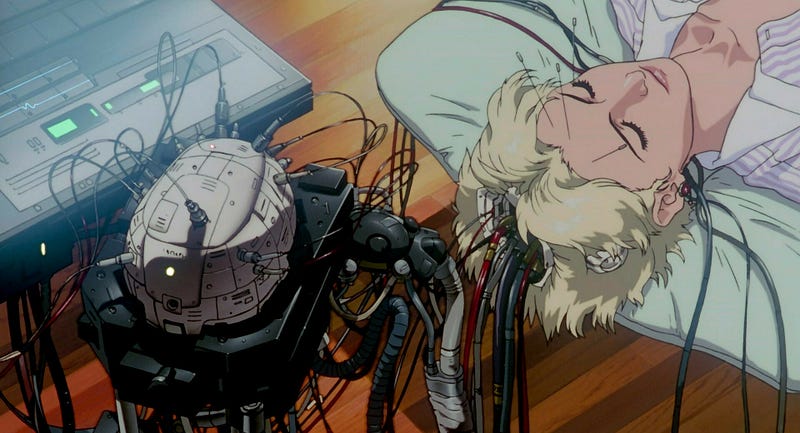
Silver became interested in this idea and watched the anime. He was wondering how the scenes from this anime might look in a real movie with actors. Afterward, he even talked that this anime kind of opened his eyes.
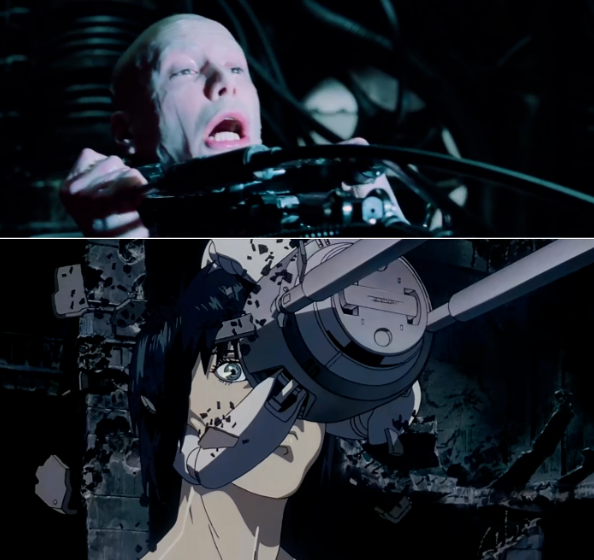
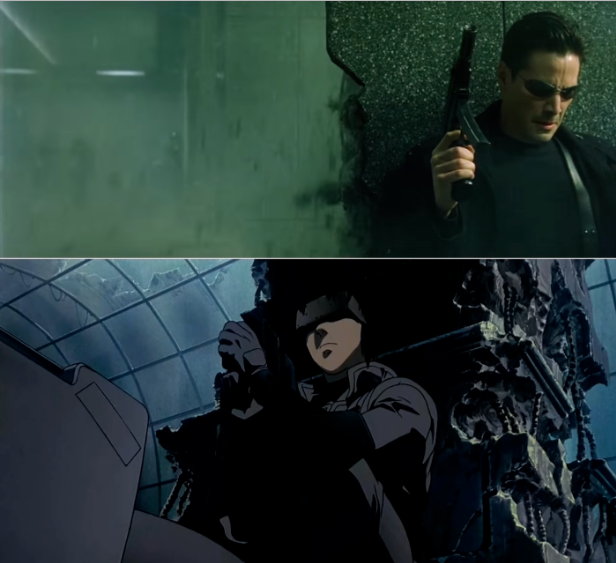
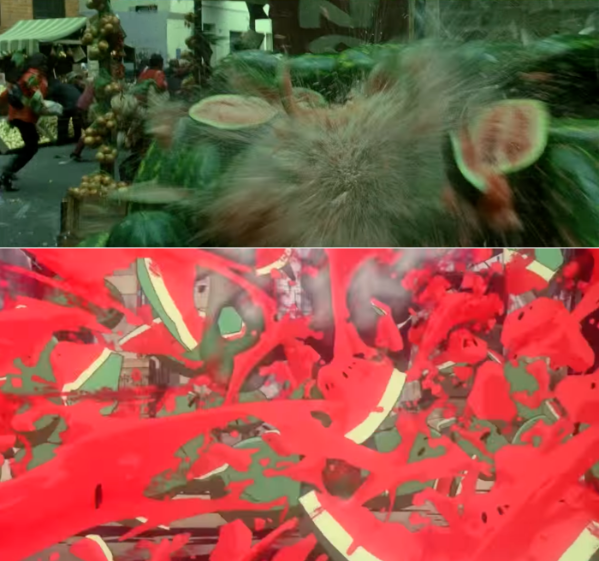
Of course, the messages behind both works are quite different. “Ghost in the Shell” shows us the importance of evolution and moving forward, “The Matrix,” tells us a classical story about the chosen one and the search for truth in the distorted world (or maybe about a fake reality).
It is evident that the Wachowski siblings were inspired by “Ghost in the Shell”. A lot of visual effects of “The Matrix”, some of them are obvious, but some are barely noticeable, are quite similar to Oshii’s work. Some fans are still trying to find the references to the anime. Here are some videos made by fans.
For example, the similarities between the scenes of the chasing in the market.
The filmmakers also borrowed from the anime its famous black screen with the green symbols, better known as digital rain or in a more simple way just the Matrix code. This code contains symbols of the Japanese alphabet Katakana and Arabic numerals. The story of its creation is rather amusing.
Simon Whiteley, the creator of The Matrix code, scanned the cooking book of his wife, who’s from Japan.
“I like to tell everybody that The Matrix’s code is made out of Japanese sushi recipes. Without that code, there is no Matrix,” said Whiteley in an interview for c|net.

The Wachowskis also was inspired by the anime “Akira” created by Katsuhiro Otomo. It was released in 1998 and became a hit. No one expected that the anime might be so serious and beautiful. Its visual effects and plot points pervaded the world’s pop-culture. Consciously or not, but the siblings added in “The Matrix” some visuals.
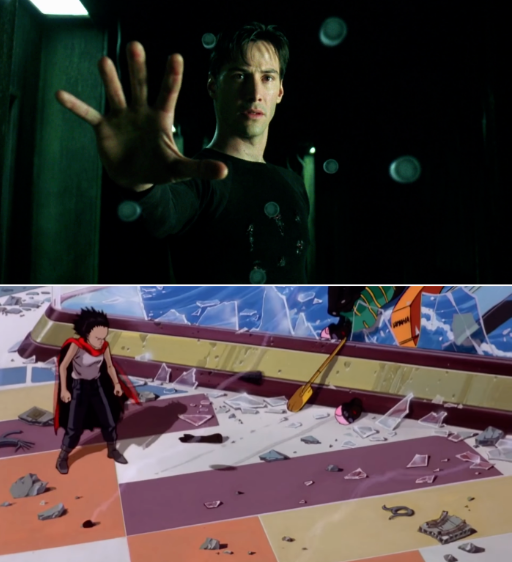
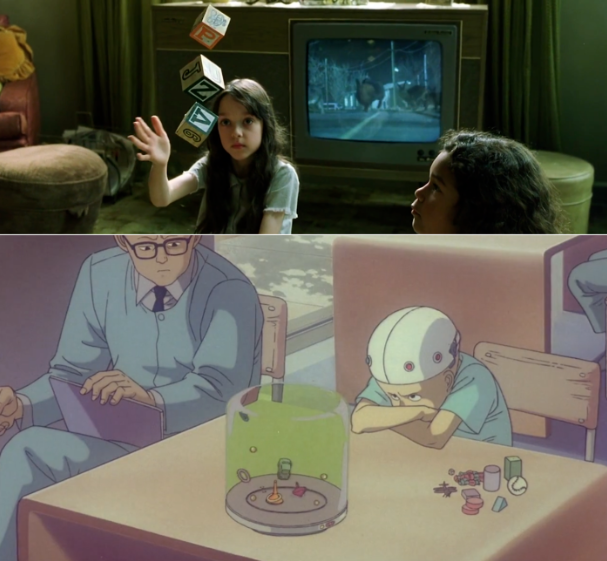
It is exciting that “Dark City”, Australian neo-noir fantastic movie directed by Alex Proyas, was in some way inspired by “Akira”, too. We may find that “The Matrix” turned out very much like “Dark City”. Anyway, this film came out on 27 February 1998 and couldn’t affect the Wachowskis’ work because they had already been working on “The Matrix” for a year and a half. During this period, the team had already planned each frame and the production was to begin in a few days.
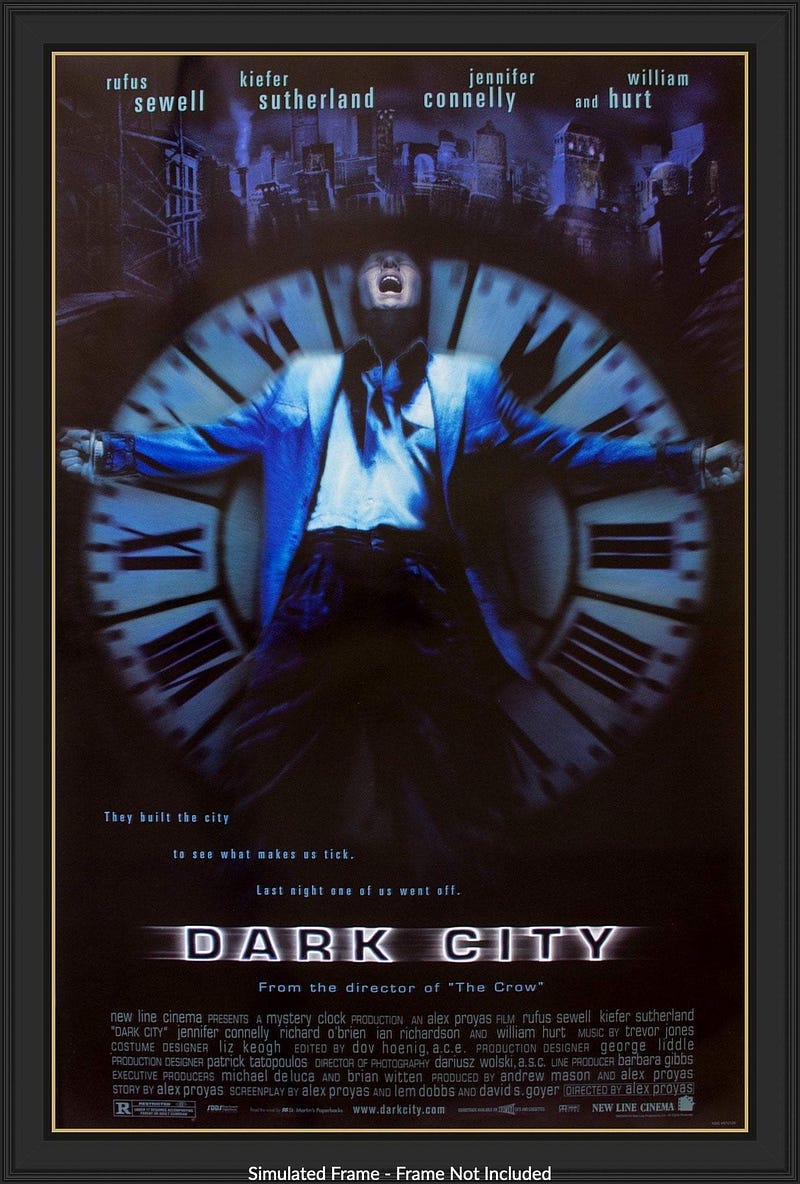
The siblings also confirmed that they were not inspired by “Dark City” and it seemed very strange to them that three films were made in Australia and have similar plots that explore the nature of reality: “Dark City”, “The Truman Show” and “The Matrix”.
However, we can not deny that there is a resemblance between both pictures. The chosen one aware that his reality is not real and tries to find the truth. At the same time, he understands that the world is controlled by an alien mind. The character also realizes that he can change the environment with his mind.
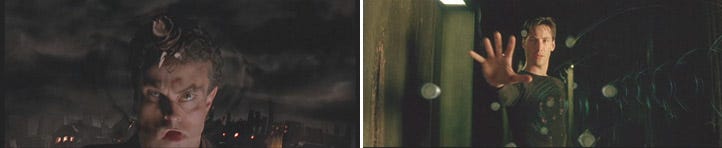
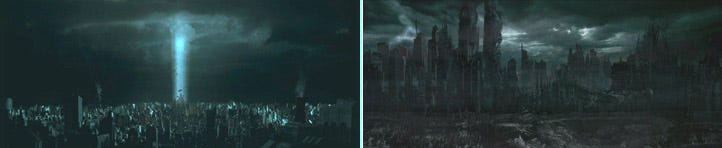
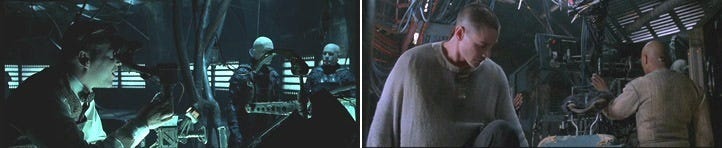
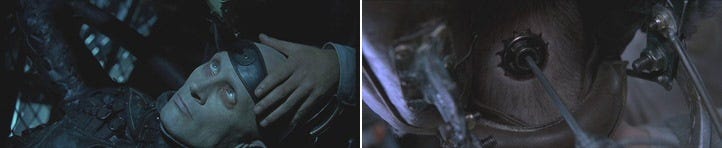
Here are some more examples.
What Wachowski accurately studied before filming “The Matrix”, are the films by their favorite directors like John Woo, Stanley Kubrick, John Huston, Billy Wilder, George Lucas, Fritz Lang, and Ridley Scott. They also reread “The Odyssey” by Homer several times.
Larry said: ‘’I read it all the time. I always get something out of it.’’
Casting for The One
Although the Wachowskis got the creative control, Warner Bros. managed the casting. They wanted not just to find talented and popular actors who would attract viewers to the cinema, but the actors who would be ready for rigorous training.
The siblings tried to involve Will Smith in 1996. He had a meeting with Andy and Larry and was very excited about their idea and the story of Neo, nevertheless, he turned down “The Matrix”. Instead, Smith played in “Wild Wild West”.
The film flopped and Will Smith got 2 Golden Raspberry Awards. However, he said in an interview that even if he knew the outcome, anyway, Smith would reject to play Neo.
According to his interview for Contactmusic: “That’s the role Keanu was born to play. When I watch the movie and I see the choices he made, there are a hundred occasions when I think, ‘I would have messed that up.”
When the filming officially started, the Wachowskis wanted to promote Johnny Depp to play Neo. The 34-year-old actor had already played in some iconic films like “Ed Wood”, “Edward Scissorhands” by 1997. Depp got renowned in the cinema industry and with his sheer talent received many awards. He is a perfect actor to play The One, isn’t he?
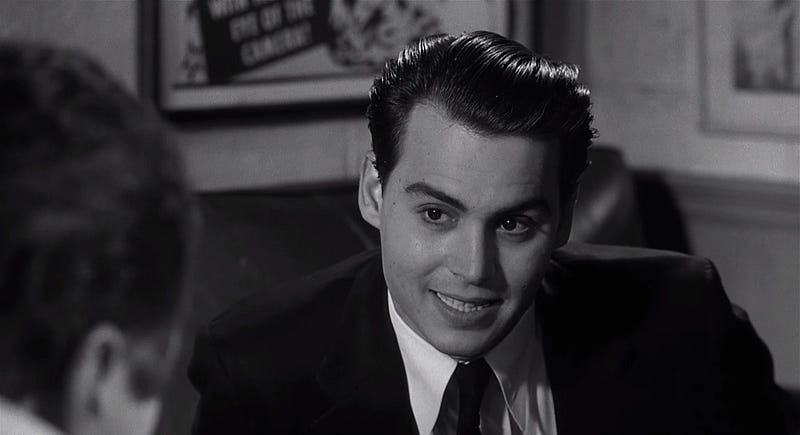
Warner Bros. did not like him as a candidate for this role and wanted someone more famous. They decided to postpone Depp at the very least. The situation with the casting for The One was becoming more and more difficult because the list of “more famous” actors narrowed down. Brad Pitt rejected the offer (he was recovering after filming “Seven Years in Tibet”), Leonardo DiCaprio also did not want to play The One in “another visual effects movie” after just finished “Titanic” and Nicolas Cage who preferred not to stay too far from his family and he dropped out. The Warner Bros. studio even thought of change Neo to a girl.
“We went out to so many people I don’t remember. We were getting desperate,” di Bonaventura said. “We went to Sandy Bullock and said ‘We’ll change Neo to a girl.’ [Producer] Joel Silver and I worked with Sandy on ‘Demolition Man’ and she was and continues to be a very good friend of mine. It was pretty simple. We sent her the script to see if she was interested in it. And if she was interested in it we would try to make the change.”, said di Bonaventura in an interview for The Wrap.
But she was not interested. Warner Bros. was fraught with problems and they had to think hard about the actor who would play Neo. There was one more person in the A-list. He had been filmed in several films like “Point Break”, “My Own Private Idaho” and “Speed” by 1997. He was fan favorites, unfortunately, his career slowly faded by the end of the ’90s. Let’s face it, he was a weaker actor than “backup” Depp. When Depp had 3 Golden Globe Award nominations, his opponent had 4 Razzie Award nominations. Considerable handicap. And, of course, we are talking about Keanu Reeves.
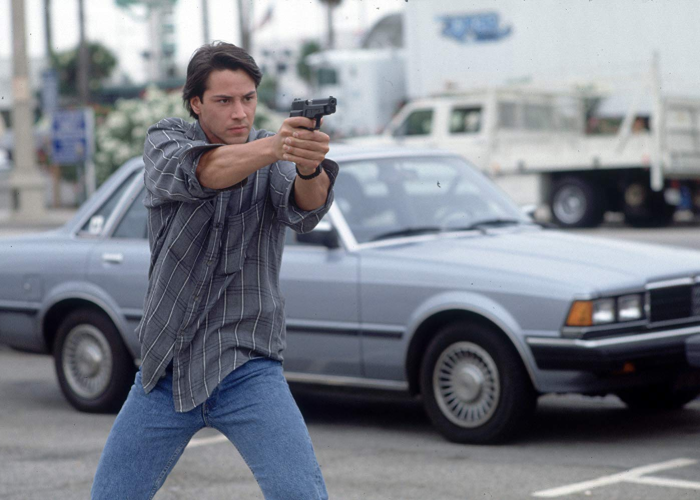
Reeves was so inspired by the Wachowskis’ screenplay to their sci-fi action flick, which they sent him via email. He was a lover of sci-fi and philosophy and read Kelly’s “Out of Control”, “Simulacra and Simulation” by Jean Baudrillard and some research papers of Dylan Evans about evolutionary psychology. The siblings were on the same wave with Keanu and this fact encouraged them.
It also was a good sign for “The Matrix”. They told Reeves that he will train for 4 months before filming and he agreed. The Wachowskis finally found their “maniac”.
The next step for Warner Bros. was to find an actor for Morpheus. And again A-listers rejected this role. They invited Arnold Schwarzenegger, Michael Douglas, and Val Kilmer. The studio had to choose the actor who will be suitable for professional critics and also the average viewer.
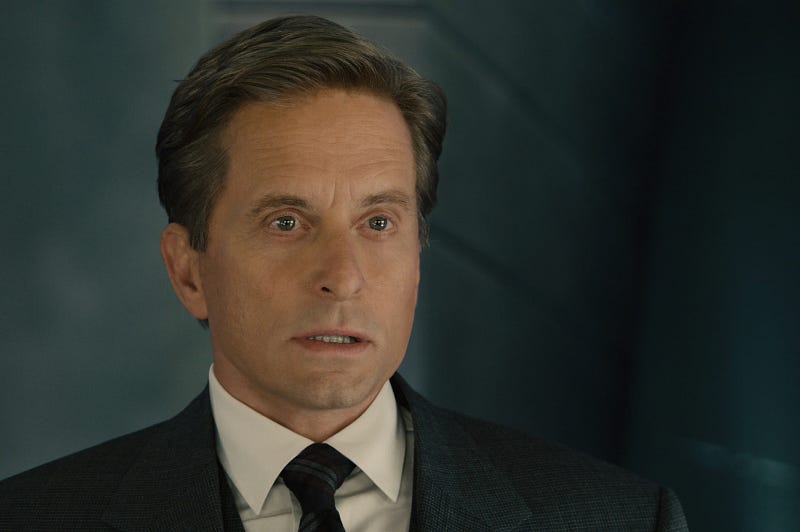
Warner Bros. was interested in Val Kilmer to play Morpheus, while Andy and Larry considered Laurence Fishburne as an ideal Morpheus. By 1997 he had already taken part in some significant films such as “King of New York, “Boyz N The Hood” and catch the rep of a proficient dramatic actor, who was Oscar-nominated for the film “What’s Love Got to Do with It”.
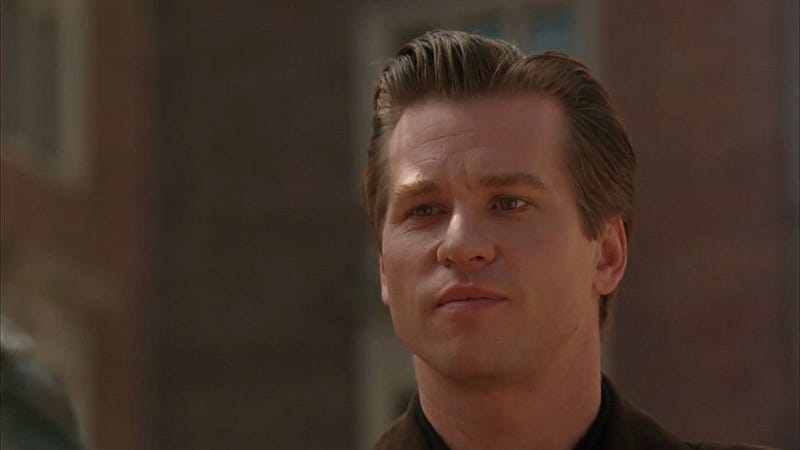
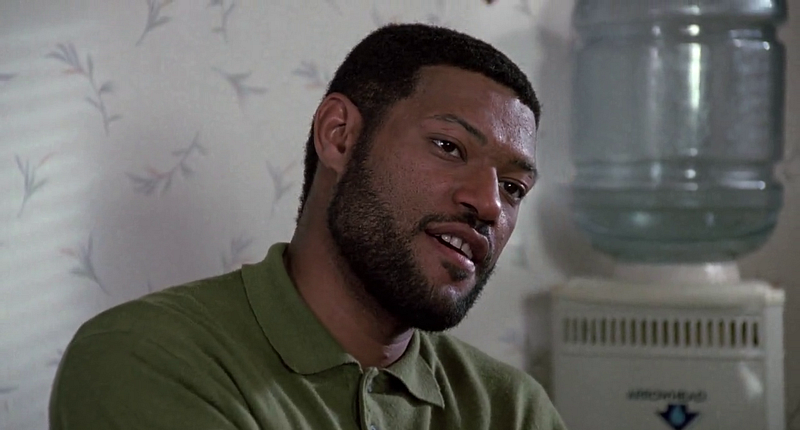
However, Warner Bros. was doubted whether he could attract viewers outside the USA.
During the meeting “he proceeds to pitch why Morpheus should be the lead of the movie. I knew within two minutes of the meeting we were dead.”, said di Boventioura.
Only after this situation, Kilmer was crossed off the Warner Bros. list and the job went to Fishburne.
What about Trinity, Janet Jackson and Jada Pinkett Smith were on the list. Jackson was busy with her tour and she turned down the Wachowskis’ offer with a heavy heart.
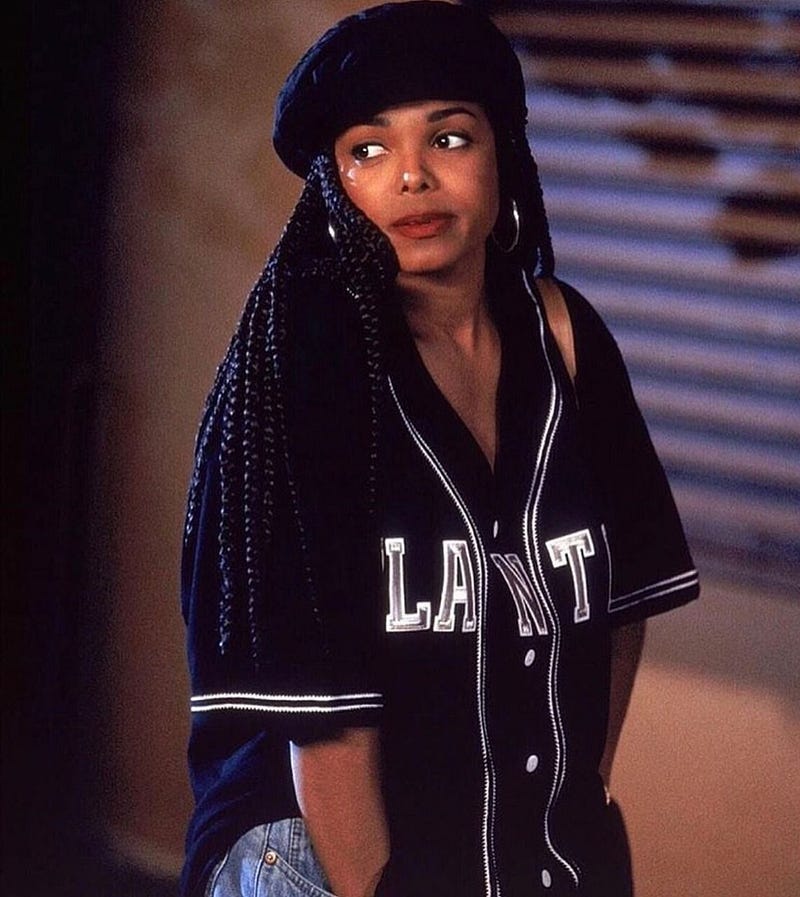
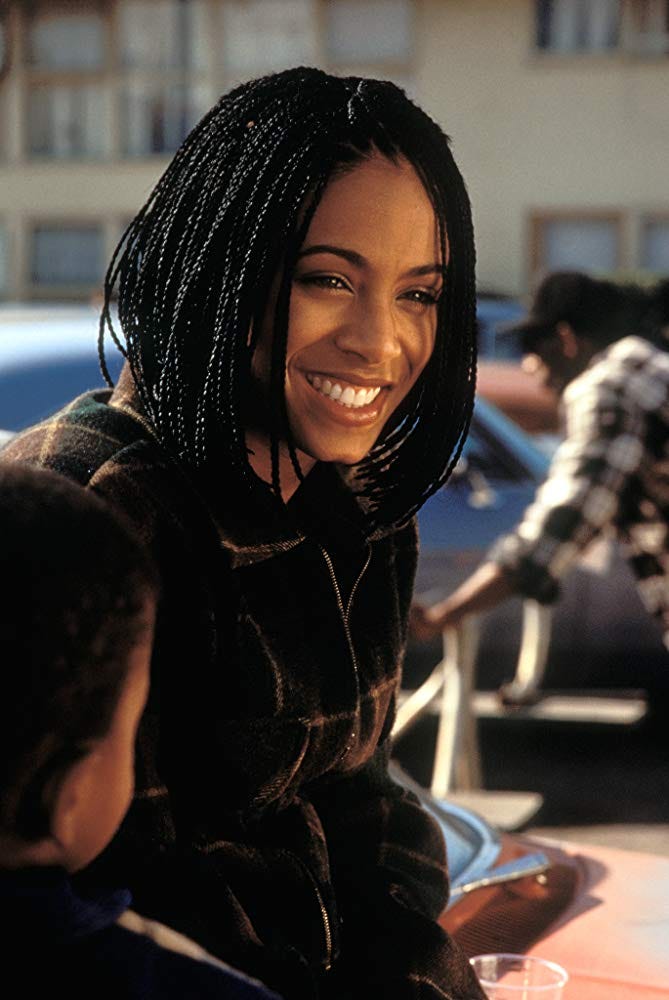
Jada Pinkett Smith, who’s the Will Smith’s wife, almost landed a role, but she and Keanu Reeves failed to generate “any chemistry”. The role went to little-known actress Carrie-Anne Moss.
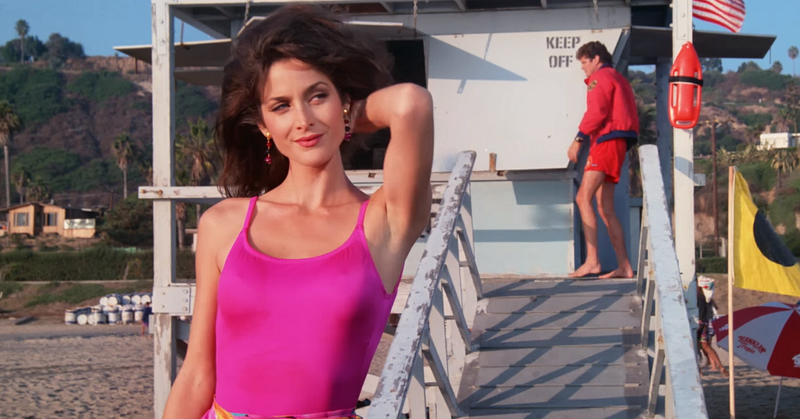
Warner Bros. wanted Jean Reno as Agent Smith but he turned down the role because he didn’t like the idea of leaving France for 4 months of filming in Australia.
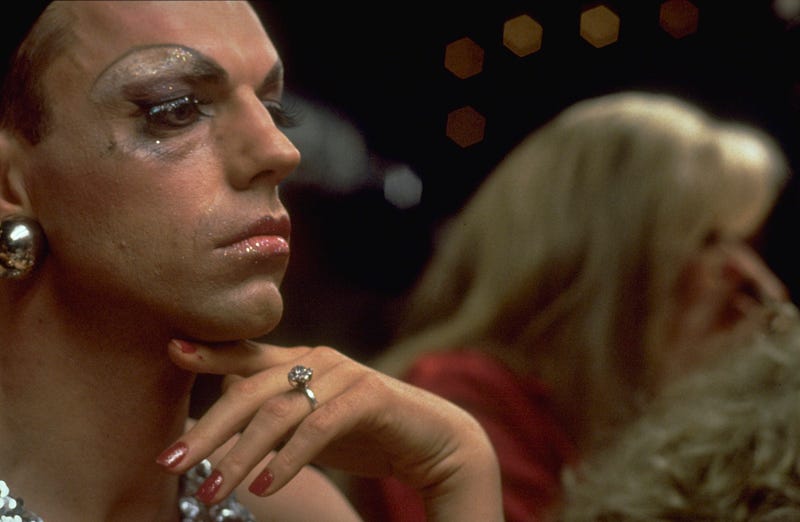
Then the studio invited Hugo Weaving who played the main role in drama film about two drag queens “The Adventures of Priscilla, Queen of the Desert”.
After the casting finished, the film crew headed to Burbank, California. Here actors remained several months of intense training.
Outro
In the next part of this article, we will tell about the filming process, training, visual effects and the most expensive scene of “The Matrix”. Criticism and reviews, and, of course, the future of the franchise.
We hope that you’ve liked this material. Please share your opinion or clap if you do. Also, feel free to tell us in the comments or drop us a line at [email protected]
NAÏVE™ is a tool that finds defects in your footage and helps you edit videos easier. Get connected to the videographer community and receive interesting and non-trivial information on our social media.
More stories by NAÏVE:
The Cinematography in Stranger Things Pt.1 The Cinematography in Stranger Things Pt.2 Unreal Engine in the filming of “The Mandalorian”