
Sam Worthington’s alcohol addiction resembles our own
Unlike the stereotypical image of a drunk on a park bench, Hollywood star Sam Worthington appeared to have it all as he waged a secret battle against alcoholism.
The actor, who is set to appear as the lead of the new Avatar film 13 years after the last one was released, has been through hell and back in between.
After that star-making turn, Worthington’s stock started rising rapidly. He was cast in big budget blockbusters and had more offers than he knew what to do with.
And yet, despite all outward appearances of massive success, Worthington was falling apart mentally and anesthetizing himself with booze.
This is the difference between the … ehm, Hollywood version of alcohol addiction and the reality for most people.
As I’ve written here on many occasions, at the height of my drinking, everything seemed to be going great for me.
I was in the best shape of my life to that point (at least as it pertains to “gym” shape — in reality I was rotting on the inside from the poison), I had a stable marriage, I was a great father, I had a high-paying, secure job.
And yet mentally I was struggling and, as a result, I was slowly killing myself with poison.
It was only over time tht I started noticing little things here and there that signalled my long-term deterioration.
I think most people who have abused alcohol probably gave no outward signals that they had a problem.
That was certainly the case for Worthington.
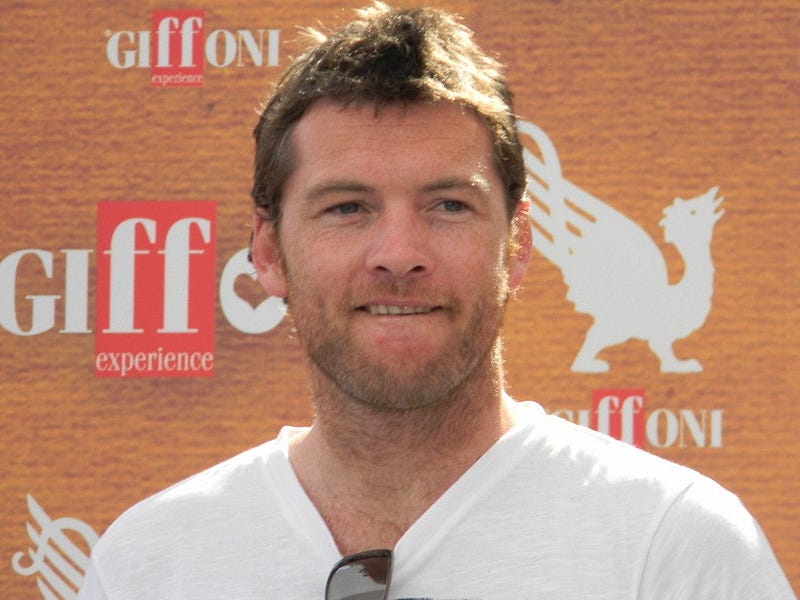
Sam’s secret
In a lenghty, wide-ranging interview with Variety last week, Worthington revealed the depths of his alcohol abuse: knowing cities around the world not by monuments but by bars, downing five glasses of champagne in first class before his plane even took off.
“I couldn’t see it,” the actor told Variety. “I thought it was normal, I didn’t like who I was. Drinking helped me get through the day.”
I feel this, and I’m sure many of you do too.
When I was young, I thought of myself as too introverted (which people always make introverted people feel bad about) too skinny (though, let me tell you skinny kids out there: it pays off when you hit middle age), not charming at all.
We feel that something is just “off” about ourselves.
Alcohol allowed me to open up, to be talkative, outgoing, funny.
The issue was that it started seeping into my daily life. If you’re drinking alone at home, it doesn’t much matter if you’re talkative or funny, does it?
It morphed into a band-aid for boredom and dissatisfaction.
And it becomes something addicts get good at hiding as the tentacles spread.
Worthington’s habit started to seep into his mornings, even.
He told Variety:
“Nine out of 10 people couldn’t tell. They could probably smell it on me, but when they looked at me, they couldn’t tell. I was still doing my job — I just don’t think I was doing it very well.
“I’d go haywire over someone asking me for a photograph or taking a photograph of me. If someone approached me, my anxiety would go through the roof.
“In Australia it’s ingrained in the society. We don’t necessarily talk about AA and things like that. You don’t recognize it’s an illness, and you don’t understand that some people are just wired differently.”
It was an ultimatum from his wife that ultimately got Worthington back on the rails. She said he could choose to keep destroying himself if he wanted, but she wouldn’t be around to see it.
He is now eight years sober, married, and has three kids.
I see a lot of posts on this site about sobriety that are written by people in the age range of late 30s to mid-40s. Maybe it’s a little bit of extra wisdom (or enough years of damage) that finally gets us to quit.
As Worthington, now 46, said: “In my 30s, I was young and arrogant. The older you get, the calmer you get. When I was young, I’d yell and be hotheaded and be adamant about my ideas. If you yield a bit and compromise and communicate, you find something that’s better than anything you’d come up with.”
Worthington shows that, just because you’re outwardly rich and successful, it doesn’t mean you’ve always got it all together.
Alcohol is indifferent: it doesn’t care if you live in a mansion or on the street.
So if you’re struggling, don’t beat yourself up for it. Some of the most successful people in the world suffer from the same affliction you do.
Draw some inspiration from people like Worthington, who found a way through the mess and came out calmer, happier and healthier than ever before.
Friends, thanks so much for taking time out of your day to read this post all the way to the end. If you enjoyed it, please take a moment to give it a few claps so others can find it!
My most-read posts:
- I quit alcohol for one month and my side hustle income exploded
- Do these 4 exercises and you’ll be in the best shape of your life **NEW TO THE CHART**
- The one priceless book that kicked off my quit alcohol journey
- When alcohol trapped Gwyneth Paltrow
- Gary Oldman explains why it’s never too late to quit alcohol
The latest from me:
- The easiest way to fix your sleep (you’re not going to like it)
- Russell Brand knows sobriety isn’t accomplished alone
- Seven baffling slang terms your kids are using right now
- You won’t age gracefully if you don’t quit alcohol
- The most underrated dark humor Christmas movie ever
- Top 5 novel series for kids, ranked by my 12-year-old
Have you found Medium via this story but aren’t yet a member? Did you know membership starts at just $5 a month (and you can cancel any time)? There’s no risk and you get access to all Medium has to offer. To continue reading stories like this and give me a ‘lil kickback, please consider supporting this publication directly by using my link to sign up! You can also leave a tip using the button below if you enjoyed this article!


