
Russell Brand knows sobriety isn’t accomplished alone
I’m a very introverted person and, for the longest time, I tried to quit alcohol alone.
This worked in stops and starts.
From the time I first started really trying to quit alcohol in 2019 — I made this decision on a flight back from Las Vegas — I went through some decent stretches without drinking.
In all, I managed to cut my alcohol intake by a good 60–70% from that point on.
I didn’t touch a drop for some 3–4 months in 2019-2020 until, like many, many people, I got tripped up by the earth-shaking COVID-19 pandemic.
Within a week or two, I was drinking every night again.
This would taper off as lockdowns were lifted and I could get back to the activities that kept me on the rails — going to the gym, taking my kids to their competitive sports and helping to coach them — but every time lockdowns were reimposed, it was back to square 1.
I’d quit, then backslide, then cut back, then go hard. It was an exhausting cycle.
It’s now been four months since I quit alcohol again, and this time, I truly and sincerely have no desire to go back to my daily drinking habit.
As a private person, I always considered it a personal struggle and a personal accomplisment.
But the more I think about it, things finally clicked when I involved others.
Russell Brand couldn’t do it alone
This week, Russell Brand celebrated 20 years of sobriety.
In an Instagram video he published marking the occasion, the comedian, actor, and addiction recovery icon/author expressed gratitude that he doesn’t “live in the reckless, dangerous, selfish way that I used to live.”
The caption on the video reads: “I’m 20 years clean and sober today. Thank you to all the people who have helped me to remain clean — it is never done on your own.”
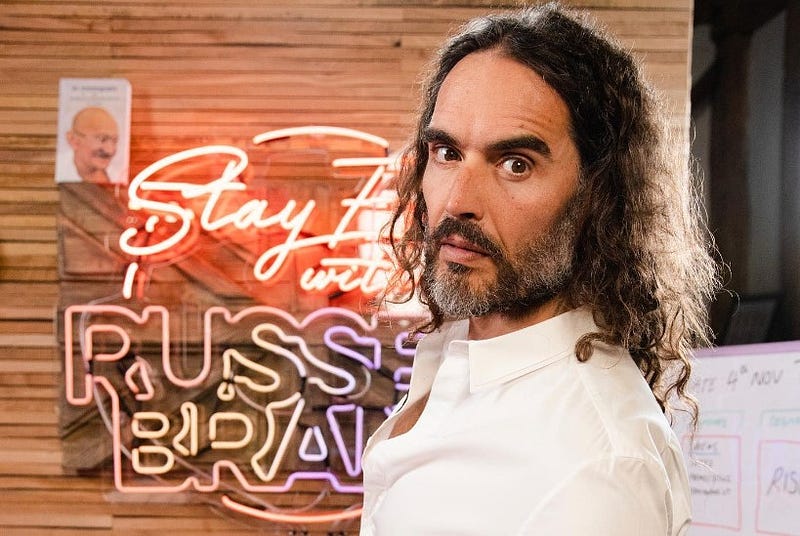
After various brushes with the law and a three-month stint in rehab in 2002, Brand was able to kick cocaine, heroin and alcohol in one fell swoop.
He admits it still isn’t easy.
In the video, he says: “The fact is that 20 years in, I still feel a lot of pain, I still find life very, very difficult, I find it difficult to confront the conditions of our world.”
But in drawing support from others who understand what he’s going through, he’s managed to stay on track.
Said Brand: “What I have been taught and shown is that it is impossible for a person like me to not drink and use drugs, unless I have sufficient ongoing support from people that understand what it’s like to feel that drugs or alcohol, or you know, certain behaviors, are necessary in order to feel okay.”
I finally came clean
This is the point I came to after finding just middling success with quitting alcohol.
Finally, at some point last summer, I was feeling extremely grouchy and probably said something unfair or defensive to my wife.
Later, while I was at the gym, I texted her to apologize and tell her the reason I was so short was that I was trying to quit alcohol and the psychological withdrawals were hitting me particularly hard that day.
In the past I had made little jokey comments about “basically being an alcoholic”, which in retrospect was me building up to admitting I had an actual challenge.
I think at first she was confused. Daily drinking has become ingrained in our culture and we know people who drank more than me and didn’t see it as a problem.
But I reached a point where I effectively had to say, “I need you to know I’m doing this and I need your support.”
Some people need more ongoing, active support. That might include therapy or AA. For me, I just needed to be accountable to someone else, for someone else to know what I was doing and to be there if I needed them.
Writing here is my therapy, and the community of people who write about this stuff have inadvertantly become something of a support group too.
As a result, I’m in a better place than I can ever remember being.
There is a path to a better life. I know it, Russell Brand knows it.
As he says to open his video:
“The first thing I want to convey is that if you know someone who is a drug addict or an alcoholic and … you feel that it’s just desperate and hopeless, well that’s not true. It is possible to change.
“That is, in a sense, a wholesale, unmitigated, unopposed positive, that if you know someone who is a drug addict or an alcoholic or an addict of any description, there is a way back for them.
“There’s a way back to dignitiy, there is a way back to behaving respoinsibly, and caringly.
“Those things are all possible, and I’m grateful that I have been given the chance to live a different life. I’m a father now, I’m a husband now, I don’t live in the reckless, dangerous, selfish way that I used to live.”
Friends, I super appreciate you reading this post all the way to the end. If you enjoyed it or found it helpful, please consider giving it some claps so others can find it!
My most-read posts:
- I quit alcohol for one month and my side hustle income exploded
- The one priceless book that kicked off my quit alcohol journey
- Do these 4 exercises and you’ll be in the best shape of your life **NEW TO THE CHART**
- When alcohol trapped Gwyneth Paltrow
- Gary Oldman explains why it’s never too late to quit alcohol **NEW TO THE CHART**
The latest from me:
- You won’t age gracefully if you don’t quit alcohol
- The most underrated dark humor Christmas movie ever
- Top 5 novel series for kids, ranked by my 12-year-old
- Jamie Lee Curtis was brought to tears by this quit alcohol concept
- How to troubleshoot your alcohol withdrawals
Have you found Medium via this story but aren’t yet a member? Did you know membership starts at just $5 a month (and you can cancel any time)? There’s no risk and you get access to all Medium has to offer. To continue reading stories like this and give me a ‘lil kickback, please consider supporting this publication directly by using my link to sign up! You can also leave a tip using the button below if you enjoyed this article!


