
How Our Mental Health Is Affected By What We Eat
Science explains why food affects mood

What we put into our stomach may not only affect our body, it can also influence our mind.
We associate diet with how we look and what having a healthy diet can do to our body.
Well — this is not the only aspect we should be looking at when it comes to what we eat.
Research is showing us a link between diet and mental health, and how different foods can have adverse or positive effects on our mental state.
So, I think it’s time we stop looking at just our bodies when it comes to nutrition and how having a healthy diet can give us all six-pack abs!
Let’s break down this distinction between our mind and body and instead look at how diet can impact our mental health.
Diet and Mental Well-Being: What the research shows
A growing body of research is indicating that the foods we’re eating are having significant effects on our mood.
A recent article in 2019 investigated whether a Mediterranean diet, which is characterised by having high intakes of vegetables, fruits, nuts, whole-grains, olive oil and moderate amounts of fish and chicken, influenced depression in adults.
The researchers gave these adults a ‘nutrition education session’ which looked at simple, healthy recipes for the adults to make, based on Mediterranean foods.
After 3 months, the adults who were on the Mediterranean diet had an increased reduction in depression and an improved mental health score, compared to another group of adults who only received social support — not the Mediterranean diet. This effect was sustained after 6 months.
They also found the higher Mediterranean diet score, which means eating more of the Mediterranean foods, the lower the depression scores.
So — can making changes to our diet improve our mental health?
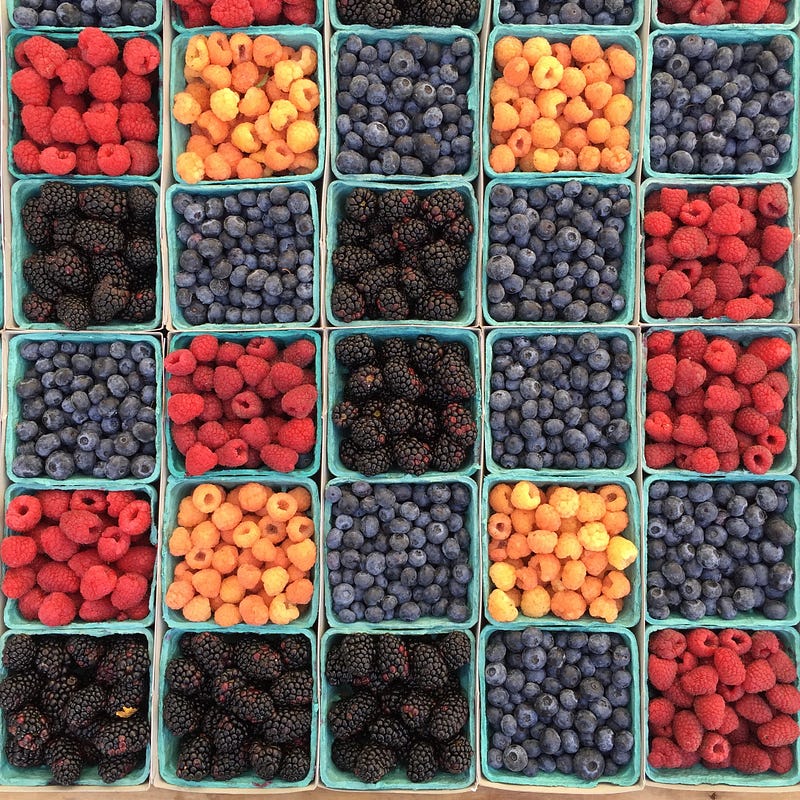
A more recent research article in 2020 found, consuming high amounts of fruit and vegetables, which specifically included berries, green leafy vegetables and citrus fruits can help promote positive effects on mental well-being.
This included increased optimism and self-efficacy, a reduction in psychological distress and can act as a protective factor against depression — which are attributes/conditions to help you deal with particular events and eliminate risk.
If that’s not enough, more research found lower fruit and vegetable intake predicted depression in young males and there was a higher frequency of depression and anxiety in young male and females who were food insecure (lack of access to a sufficient quantity of healthy foods).
The great thing about all this research is that it points to this effect on all ages — adults, young children, young adults etc.
So — we can start to see a nice theme emerging of how a healthier diet, filled with fruit and vegetables, having access to a good quantity of healthy foods and having a better overall diet such as a Mediterranean diet can have a positive influence on our mental well-being.
Just from this research, we can see that a healthier diet can affect our mental well-being and not just our body.
How Does Your Diet Affect Your Mental Well-Being?
The food that we eat goes to our stomach, not to our heads, so what is going on within this link?
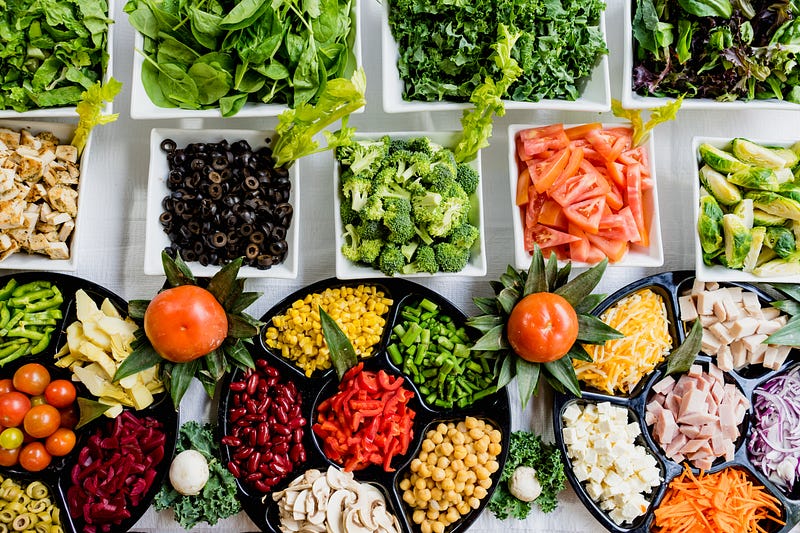
The foods that we eat provide us with different nutrients that are essential to our gut.
Within our gut, we have ‘good’ and ‘bad’ bacteria. Having a poor diet can increase the chances of ‘bad’ bacteria filling the gut, which can result in inflammation. This can stop nutrients from our food being absorbed, which can affect the production of vital neurotransmitters like ‘serotonin’ — and a large proportion of serotonin is made in the gut.
Serotonin plays a vital role in sleep, mood and therefore, our mental well-being. So, if there is a lack of serotonin being made in our gut due to a poor diet, and this neurotransmitter affects our mood, this leads us to our link of how diet can affect our mental well-being.
We know serotonin plays this vital role as increasing serotonin levels is a common form of treatment for depression and anxiety.
Also, this is one reason why exercise is shown to have excellent benefits for our mental health — it increases serotonin.
To sum up, the food we eat can affect serotonin production and serotonin plays a role in our mood and emotions — this can have an impact on our mental well-being.
Action Points
Are you ready to start making changes to your diet?
We can see that having a healthier diet, consisting of fruits, vegetables and moderate amounts of chicken and fish (based on the Mediterranean diet) can all help with making us feel better.
But — the important thing now is that we try and put this into action.

My 5 action points:
- Start by having 1–2 portions of fruit OR vegetables per day. You can gradually increase the amount you eat each week. It can be quite a task to start with the recommended portion of 5 fruit or veg per day, so starting at a smaller amount can help.
- Make a list of the ‘healthy’ foods you like. This could be certain fruits or vegetables, meats or fish, nuts, and wholegrain foods. To mix up the taste, try cooking the meat and fish in different seasonings.
- Vary what you eat — it can get boring eating the same thing, just to stick to a healthy diet but varying up your foods can help massively. For example, have different nuts like cashew, almonds, and walnuts or different fruits like blueberries, strawberries, or kiwis.
- Before shopping, make a list of the exact foods you are going to buy. This will help control you from browsing down the sweets and chocolate isle — making a list saves time at the shops too!
- It’s important not to neglect other important influences on your mental health such as exercise, interaction with people, relaxation etc. Diet is not the only factor.
On a personal note, I made these changes in my diet a few years ago. My diet used to be horrendous. In my first year of university, I was living off sugary cereals, pot noodles, pizza, chocolates, crisps and other crap stuff!
The weird part was that I have always been in love with fitness. I’ve played for football teams, competed in swimming competitions for London and the South East Region of England, but my diet has never been the best.
I used to always feel lethargic and there’s no surprise why. The exercise would help give me the boost I needed.
The tips above are all things that I have implemented, that have worked for me to help make changes in my diet and I have definitely noticed the change in my mood and my activity levels.
Final Comments
We can definitely see a link between what we eat and how we feel.
The food we eat can affect neurotransmitter production and these neurotransmitters play a role in our mood and emotions which affects our mental health.
However — as I mentioned before, there are other factors influencing our mental health.
For me, exercise has played a massive factor in boosting my mood and doing different forms of exercise like going to the gym, playing football, swimming, along with eating a balanced diet have both positively influenced my emotions.
Diet along with these other factors like exercise can influence our mental health and understanding how diet affects mental health and implementing these changes will be a massive factor in enhancing your mood.
Try my 5 action points above to start making these changes in your diet to help boost your mood.
I’d love to know what’s worked for you and how you’re feeling!


