
5 Activities To Try During The Lockdown
How to keep your mind and body stimulated during this pandemic.
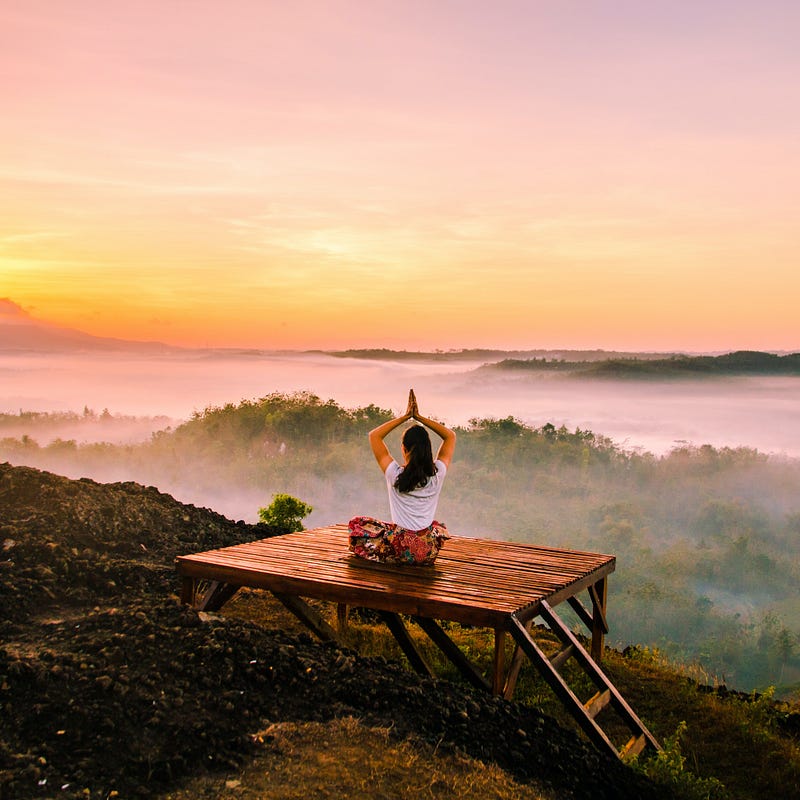
The lockdown is now the norm for society.
We are asking questions like “When are we coming out of lockdown?”, “When can we see people from other households?” and “How long is social distancing going to last for?”.
We are starting to become more irritated and annoyed with situations.
The tiniest of things are bugging us and we are not used to spending so much time around the people we live with. Think about it — for a full-time worker, you’re at work for 8 hours a day plus travelling time.
You might get home at 6pm, do what you need to do for a few hours, then off to bed. Some days you might be out with some friends which means even less time at home.
Now — you’re working from home and so is everybody else and you’re just crossing paths too often. I know I’m feeling like this on some days.
Also, we are probably spending a lot of time binge-watching TV series on Netflix.
All of this can take its toll on our mind and body. So — here are my 5 activities for helping your mind and body during this pandemic.
Let’s dive in!
1. Go For A Walk

Something we are allowed to go outside for during the lockdown is exercise and walking is one of the best forms of exercise for us.
It may not sound like a lot — maybe because walking at a normal pace doesn’t create a massive amount of physical exertion, but it has tremendous effects on our mind and body.
In 2012, Robertson and others found indoor, outdoor and group walking all significantly reduced symptoms of depression in different populations.
A Taiwanese study also found that walking for 40 minutes, 3 days a week over 12 weeks, reduced individuals anxiety levels and depression scores. What was more impressive was that the individuals in this study did not engage in regular exercise before the study.
Walking is great for you physically too!
It burns calories (up to 100 calories per mile) depending on how fast you walk and your weight.
It strengthens your lower body— quads, hamstrings, glutes and calf muscles.
It’s great for your heart. Walking can improve your cardiovascular fitness — depending on how long you walk for.
It’s also fantastic for your mobility and getting your body moving — rather than being curled up on the couch ready to watch your favourite series.
This shows us the power that walking can have!
Action Points:
- Start off going for a walk only twice a week for 20/30 minutes. This is a good starting point — you can then increase how often you go for a walk and how long for.
- Go for a walk with someone (from your household of course) — unless you are using walking as alone time.
- Listen to podcasts or music whilst walking — this will make time go a lot quicker!
- Try going on different routes on your walk — a different part of where you live or different areas in the park. This will vary your walk, so you’re not doing the same walk over and over again.
- Be the one who takes your dog for a walk (if you have one) — face it, your dog needs a walk so go with him/her!
There are endless action points I can give and more evidence as to why walking is a great way to stimulate your mind and body.
So — next time you’re thinking of sitting on that sofa watching TV shows or you need to get away from people, go for a walk.
2. Mindfulness Exercises
Mindfulness is a massive buzzword at the moment and seems to be working its way into everything.
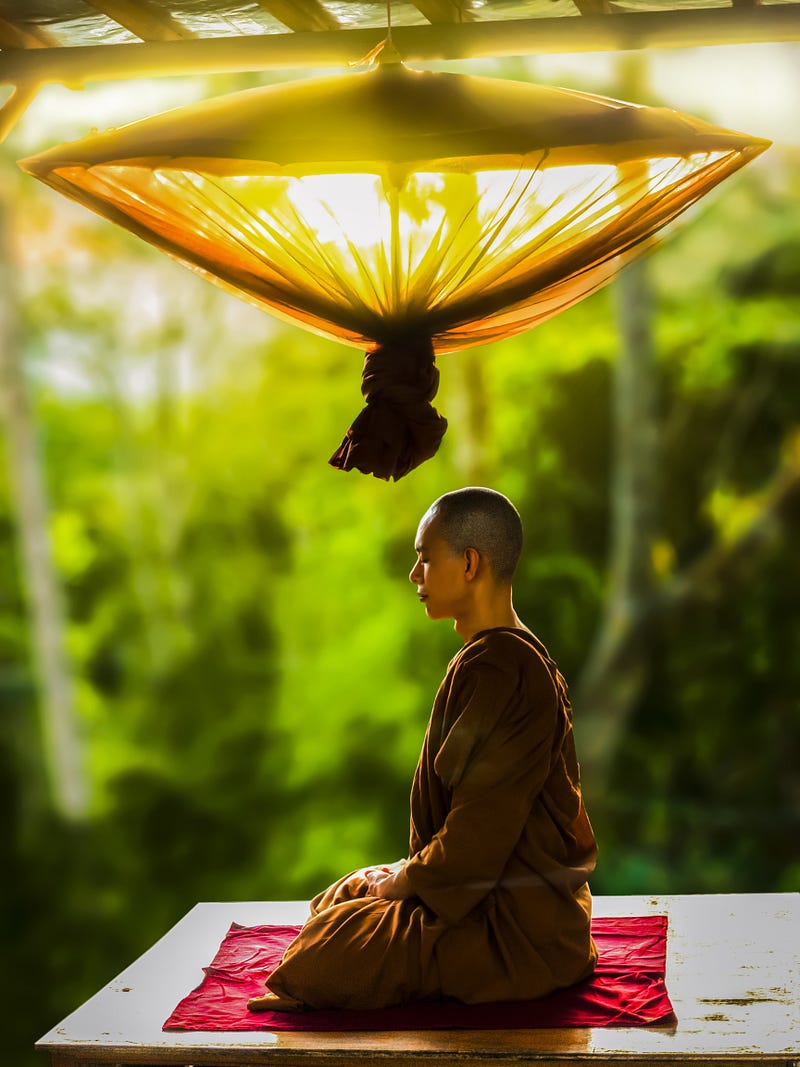
Mindfulness derives from Buddhism and was brought from East to West by Professor Jon Kabat-Zinn. Jon Kabat-Zinn studied meditation with Thich Nhat Hanh, who is the Buddhist monk known as the ‘father of mindfulness’.
Jon Kabat-Zinn defines mindfulness as “the awareness that arises, through paying attention, on purpose, in the present moment, non-judgementally”.
It focuses on getting you in the present moment and out of this auto-pilot response we have developed.
Mindfulness has an array of benefits. It can reduce stress, worry, depressive symptoms, irritability and improve general health — lower blood pressure, weight loss, being physically active, avoid nicotine and many more. Check out this article for even more benefits and evidence-based research to back this up.
Action Points:
- Give mindfulness a go. PositivePsychology has different mindfulness exercises which you can try, with a video from Jon Kabat-Zinn himself guiding you through a mindfulness exercise.
- Find a mindfulness routine that works best for you. It could be once a week, once a day or multiple times in a day for 5 minutes, 10 minutes, 15 minutes or longer. See what you find most convenient and stick to that.
- Get comfortable. Whether you’re sitting on a chair or lying on your bed, get into a position and on a surface that is going to make you feel calm and relaxed.
3. Workouts
Let’s talk about workouts. With gyms closed, doing a workout at home or in the park is a great way to get you active and cope during this challenging period.
It’s a fantastic way to release any stress or annoyance that has built up from not being able to go out and see your family and friends.
The beauty with doing workouts is that you can tailor the exercises to your needs. You don’t have to be doing the most intense form of exercise for your mind and body to become active.
As in my previous story — doing different forms of exercise has wonderful impacts on your mental well-being, as well as your physical well-being.
There are loads of things you can do — ranging from bodyweight exercises, cardio-based workouts, resistance training, circuit training, and loads more!
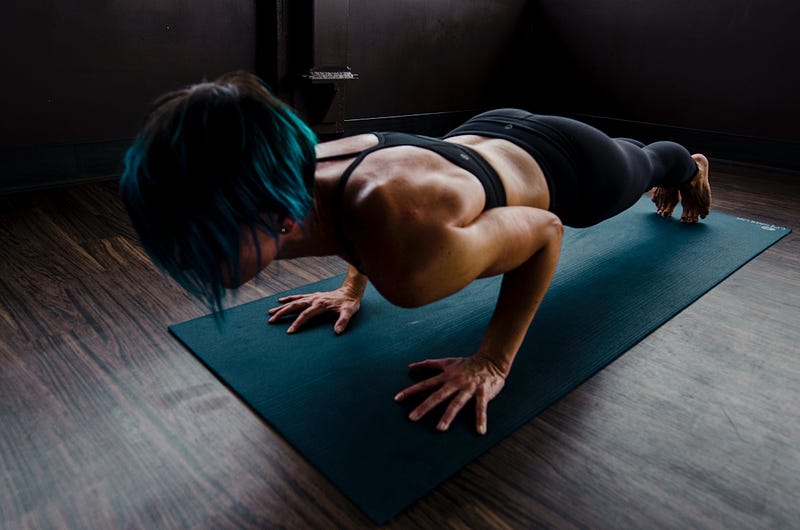
Here’s a full-body circuit style workout to try:
- Squats: 10–15 repetitions
- Leg raises: 30–60 seconds
- Push-ups: 10–15 repetitions
- Ab crunches: 30–60 seconds
- Supermans: 10–15 repetitions
- Russian twists: 30–60 seconds
If you’re unsure on any of these exercises, type them in Google and I promise you there are loads of videos and pictures on each one.
After you have completed all 6 exercises, I recommend resting for 2–3 minutes, then going through the circuit 2 more times.
You can also adjust the exercises to make them easier or harder depending on what you can do, for example, if doing push-ups can be tough, simply drop your knees to the ground to take some weight off.
Action Points:
- Try doing a workout twice a week — to start with. As you build up a habit, you can start to do more.
- Vary the workouts. Instead of doing the same thing twice a week, put a search in google for ‘home workouts’ and see what comes up and give it a go.
- Increase the intensity. This means either more repetitions, more sets, longer time or varying the exercises completely. This will push your mind and body out of its comfort zone and you will see improvements.
- Check out MyProtein Blog. It gives you access to loads of different exercises to try with video demonstrations.
As you can see, there is a lot you can do and this will no doubt get your body and mind stimulated!
4. Progressive Muscle Relaxation
Progressive muscle relaxation is a great technique to release any tension in your mind and body. It originated back in the 1930s, to promote mental calmness through physical relaxation.
It involves tensing up different muscles in your body and then relaxing each muscle group slowly and picturing this tension leaving your body.
This relaxation technique has been attributed to different health benefits. This includes — reduced aggression, stress, worry and improvements in your heart rate and blood pressure.
Action Points:
- Take a deep breath in and contract a part of your body, such as your hands for 10 seconds.
- Then, whilst exhaling, slowly release the tension in your hands. Picture the tension/stress/worry flowing out of your body from your hands.
- Relax for 10 seconds and move onto another muscle group.
- Repeat this, working your way around your body.
- Try this technique with calming music — like spa or meditation music.
So — the next time you’re feeling worried, stressed or agitated, give this technique a go. I am certain this can help with any anxieties you are having during this difficult time.
5. Yoga
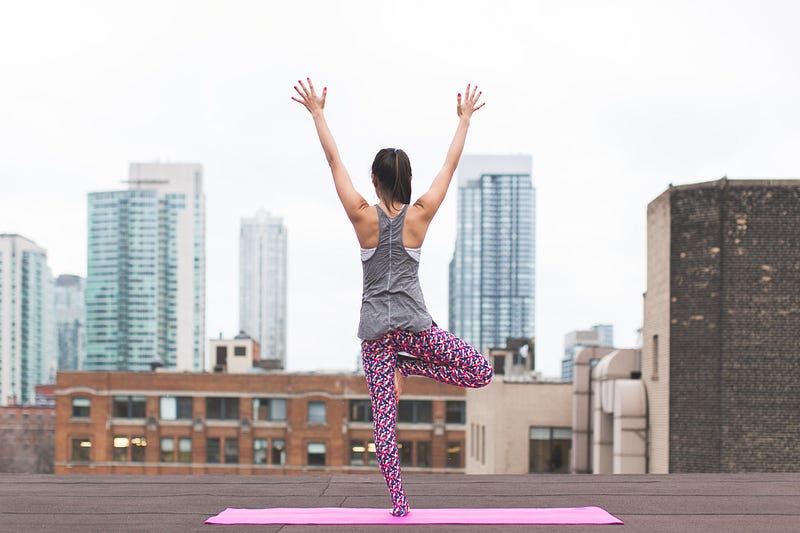
Yoga is a great way to free your mind from any worries and get your body moving through stretches, slow movements and regulated breathing.
Just like my previous tips, yoga is consistently linked with excellent benefits to your body and brain. Research has shown that yoga can lead to improvements in strength, muscular endurance, flexibility, balance and mobility.
In relation to our mind, yoga has been found to result in improvements in mental well-being, quality of life, anxiety and stress.
Action Points:
- To try out different yoga routines, go to MyProtein Blog, for a variety of yoga exercises and videos to follow along with or just put a search into YouTube for yoga videos.
- Try to be in a calm environment — where you are going to feel relaxed and don’t have anyone disturbing you.
- Stick on some peaceful music to help get you into the relaxed zone.
Summary
There you have it — my 5 tips to help your mind and body during this uncertain and challenging period that we are all facing.
You don’t have to do all 5. Just pick one or two — have a go and see how you feel. Alternatively, if you feel up for it — you can try them all and see which one you like best.
Try to build up a routine with whichever action you choose and make it part of your day. It’s vital that we are looking after ourselves during this pandemic.
I guess it’s easy to have worrying thoughts, sit around and not do much and wonder when you’re going to see your friends again. I think about this too. But, that’s the reason why I am providing you with these 5 actions to try.
They can all help with eliminating your worries, frustrations and give you the boost in mood that you may need.
So — try them and let me know what you think. I’d love to hear from you.
Which activity from the list above have you tried?


