
How Much is a Human Life Worth?
Estimates now put the value at $10 million.
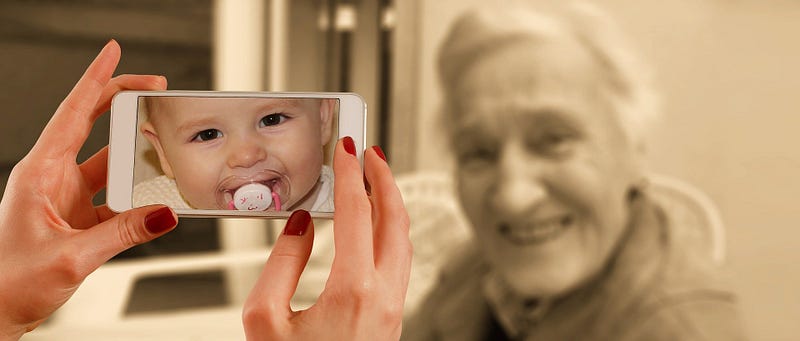
What's the value of a life? I wasn't surprised to discover someone has tried to put a figure to it. Currently, the life of an average person in the United States seems to be $10 million.
A 2020 article in Wired Magazine revealed a former RAND economist named Thomas Schelling, way back in 1968, came up with what has become known as the Value of Statistical Life (VSL).
Yes, everything has a cost. And a value.
It is now used mainly by agencies such as the Environmental Protection Agency to determine the cost-benefit analysis of various policies. I know; trade-offs.
Adam Rogers, the author of the Wired article, explains it by acknowledging that while society may be reluctant to put a price on a life, individuals do it all time. He gives the example of a person who chooses to work in a dangerous job if it pays well enough.
Why am I researching what may seem a morbid and controversial subject? My mind keeps playing with this thought for a couple of reasons.
The first is due to the considerations of COVID. How do leaders weigh the cost of closing businesses and related lost jobs against the potential loss of life if they don't? What can the metric possibly be?
My second reason is even harder to measure, or perhaps it's just more difficult to discuss because it is intensely personal.
What is one year or even one day of your life worth—just to you?
It's an entirely personal decision, and if I had to come up with a figure, I certainly couldn't afford to pay $129,205 per year or $354 each day. However, that's what my math reveals if I take $10 million divided by the current average American lifespan of 78 years.
Would I spend that much to give someone I love another day of happy, healthy life? Yes, indeed, assuming I could. What about you? What's your figure?
Then why don't we live as though our life is valuable? Was that mindless T.V. show worth the $14.75 it theoretically cost? Our time may be better spent cooking real food or going for a walk.
People. We need to invest in our health and well-being.
I recently talked to Julie Cunningham, a nutritionist who specializes in counseling people with diabetes. We discussed her new book, 30 Days to Tame Type 2 Diabetes: A Step-by-step Guide to Use Diet and Exercise to Manage Blood Sugars.
She told me 10% of the U.S. population now has Type 2 diabetes, and another 30% would be diagnosed with prediabetes. Poor nutrition is now the leading cause of preventable death.
Yes, most of us have access to plenty of food, but we're eating the wrong things, she added. So I asked what caused this epidemic of sickness and death. What's changed the way most people are eating?
Many of us remember when we cooked at home.
Now the average American family eats out weekly. We all recognize the social and demographic changes that influence these decisions; adults working away from home and fast-food restaurants' constant, convenient presence.
But what both the public and the scientific community failed to predict was the almost guaranteed adverse health effects.
An article from 2013 stated that ultra-processed food is highly palatable, cheap, and ready to consume. However, it's nearly always high in calories, fatty, sugary or salty, and obesity-promoting.
The corporations spending millions developing this hyper-palatable food do not have the best interests of you or your family in mind. These are highly profitable products sold to make money for the owners, not making you healthy.
The evidence is overwhelming.
We must stop eating ultra-processed food. What is included in this food group? I love Michael Pollan's description in the best-selling book, The Omnivore's Dilemma. He refers to ultra-processed food-like items as the items your grandma wouldn't recognize.
The ultra-processed foods have many added ingredients such as sugar, fat, salt, artificial preservatives, and colors. They are made from substances extracted from foods.
These foods include most frozen meals, soft drinks, packaged cookies, cakes, salty snacks, hot dogs, and lunch meats. High consumption of unprocessed meat is also associated with an increased risk of developing Type 2 diabetes.
Consuming high-quality vegetable foods prevents disease.
Plant foods reduce Type 2 diabetes and cholesterol while helping us maintain a healthy weight. High-quality plant foods include whole grains, nuts, legumes, fruits, and vegetables.
Avoid less healthy plant-based foods like fruit juices, sweetened beverages, refined grains, potatoes, sweets, and desserts. Yes, I know Junior Mints and Oreos qualify as vegan, but that does not mean they're healthy!
I love this comment by Medium writer Julia E. Hubbel. She maintains her fitness to live the active, adventurous life she wants.
Rock it, sis. Preach. The more of us who take hold of our health and stride out there, frizzy grey curls in the wind (that would be me), the more we disprove the lies. Some days I hurt all over. Some days I don’t. But all days I exercise. And all days I eat Real Food, nothing processed, no sugar, no alcohol and none of the koolaid America likes to serve those of us over sixty.—Julia E. Hubbel
We all may not want to bungee jump and climb mountains, but that woman is rocking it out!
Bad health is affecting people of all ages.
But we have the power to change this. Take control. Heck, if food is featured in an advertisement, we probably don't want to eat it. Take control over your well-being. Move your body. Nobody is more interested in you getting as healthy and active than you.
In fact, many giant corporations have an interest in American remaining unhealthy. Look at this figure: U.S. health care spending grew 4.6 percent in 2019, reaching $3.8 trillion or $11,582 per person.
I know I may be annoying with my constant repetition, but it's because I care. And I wish I'd been more proactive when I was younger. Today is the day to make some changes. Be an example to your friends and family. You can do it!
If you need some more inspiration, read these two articles and let me know what you're working on to improve your body, mind, and spirits today.
Remember, you are worth $10,000,000.00, after all. Especially alive.
What the Heck Are We Supposed to Eat These Days?
It should be getting easier, not harder.
medium.com
Cindy is passionate about well-being and loves reading, studying, and writing about what she learns. Sign up for her short weekly emails to hear what's new and interesting in Dripping Springs, Texas.


