
How Many Species Are There?
The challenge of describing Earth’s life
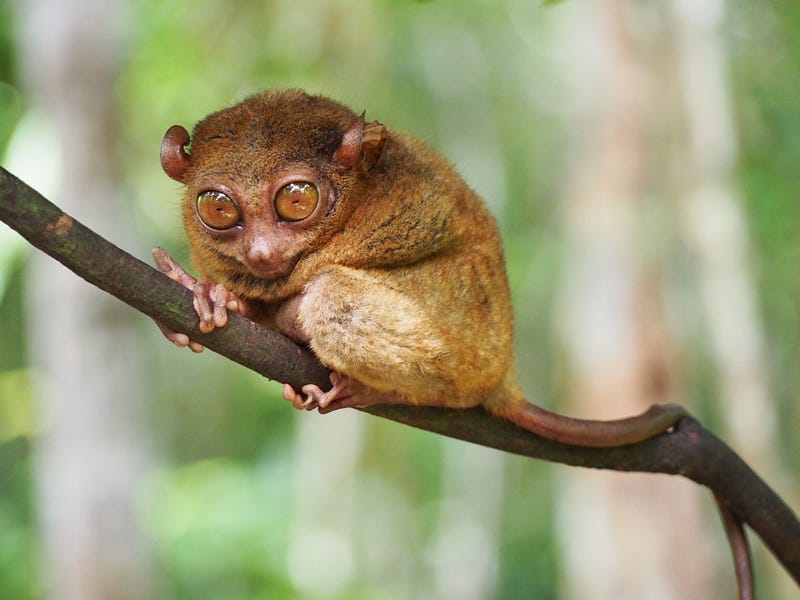
Taxonomy For Aliens
Imagine that aliens come to visit the Earth, and they are fascinated with all biological life forms that live on our planet.
If they ask you something like: “How many different species does your planet have?”
What would you say?
According to Robert May [1], (the scientist who imagined this fictional situation), we would be ‘’embarrassed’’ by the relatively little knowledge we have about it.
There is a lot of uncertainty about the total number of species that currently inhabit the earth. The best estimates range from 8.7 million to 14 million eukaryote species, but we’re not sure about the exact number.
If we take these estimates as a reference, we only have information on about 14% of the existing species [2]. The remaining 86% is still unknown to science.
If we continue talking to the space visitors, we can try to justify these knowledge gaps by explaining that we started describing species just over two centuries ago.
But in your mind, you’re afraid they could realize we will still need roughly 400 years to make a satisfactory inventory of Earth’s life forms at current rates of research [3].
That’s not to mention that thousands of species will go disappear before we even know they existed because we are accelerating the planet’s current extinction rates.
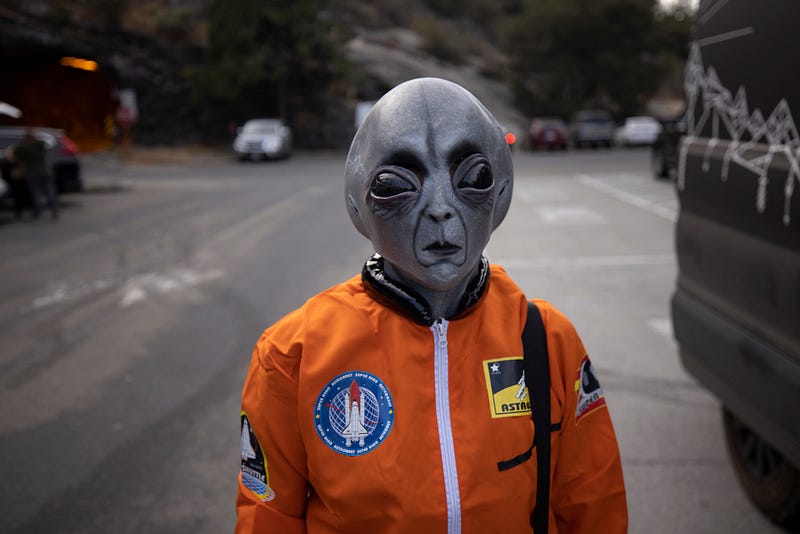
I imagine that aliens’ reaction could be something like this:
The Taxonomic Bias
In addition to the mentioned knowledge gap, our labor force to describe the Earth’s species is inefficiently distributed among the known major biological groups.
About one-third of taxonomists work on vertebrates (at most 1% of the total number of known species), one-third on plants (around 10%), and the remaining one-third on invertebrates (comprising at least 90%) [1].
It seems that relatively few people care about insects and other tiny organisms that play a very important role in maintaining ecological processes.
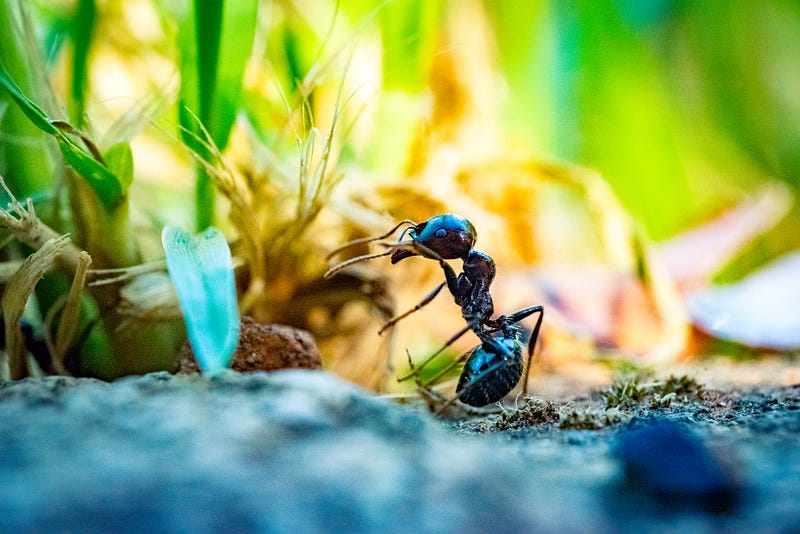
This problem is better known as the “taxonomic bias” [4] and it refers to the fact that some organisms (mainly plants and vertebrates) are overrepresented in various scientific fields.
The taxonomic bias often occurs because some species are easier to study, have economic importance, or simply attract more attention because they are considered more charismatic [5,6].
This bias also creates the illusion that certain species are ecologically less important than others and therefore, less likely to receive conservation funding [7,8,9].
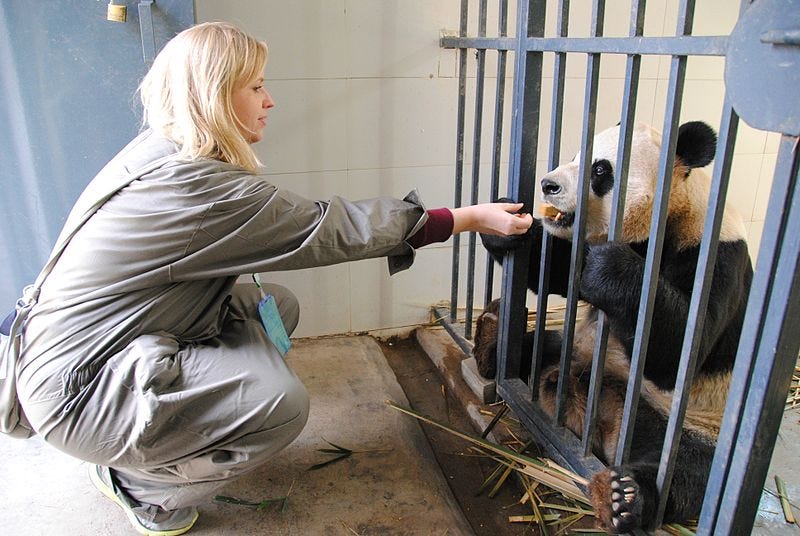
It also has a strong effect on how society perceives the importance of different species.
When I was a student, some colleagues who aspired to be biologists began their studies thinking that vertebrate species were more important than invertebrate species. Fortunately, that idea didn’t last long.
A fun fact is that I met many people who started a biology career because they wanted to study charismatic species (for example, marine mammals), but changed their minds because they fell in love with other less attractive branches.
Let me know if you would have liked to study whales (or any other charismatic animal) in the comments.
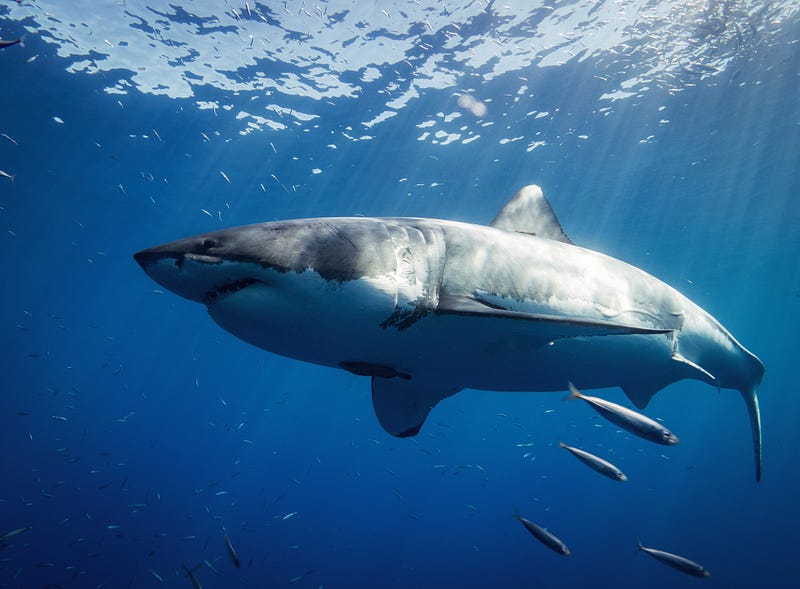
Personally, I would have liked to study sharks, I even took a couple of courses about their ecology and conservation.
The Importance of Describing Earth’s Biodiversity
Within the current context of global change and accelerated biodiversity loss we are living due to anthropogenic actions [10, 11], describing species has become an increasingly important activity.
As I mentioned before, what is worrying about our lack of knowledge is that we will probably lose most of these unknown species before we even know they exist.
If it happens, we will lose all the potential benefits that they could give us.
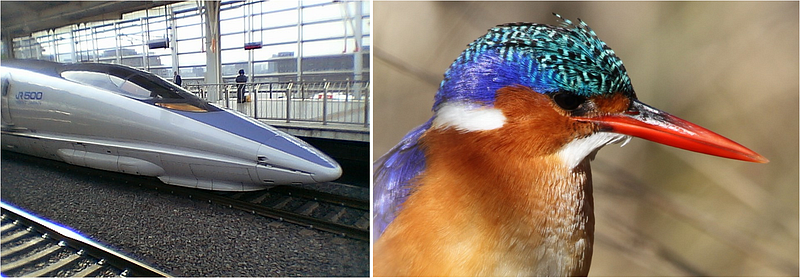
In addition, scientific activities like biomimetics (bio-inspired technologies), and bioprospecting (exploration of natural sources for small molecules, macromolecules, and biochemical and genetic information that could be developed into commercially valuable products) can’t be carried out without prior research on species diversity [12].
The need to identify species is not only a matter for scientists. For example, medical professionals must also be able to identify parasites and types of pathogens to make correct diagnoses.
Similarly, various human activities (such as fishing, hunting, bird watching, or gardening) depend on our ability to distinguish between different types of organisms.
One of the most frequently mentioned reasons why we should be concerned with describing species is our need to find new compounds for pharmaceuticals.
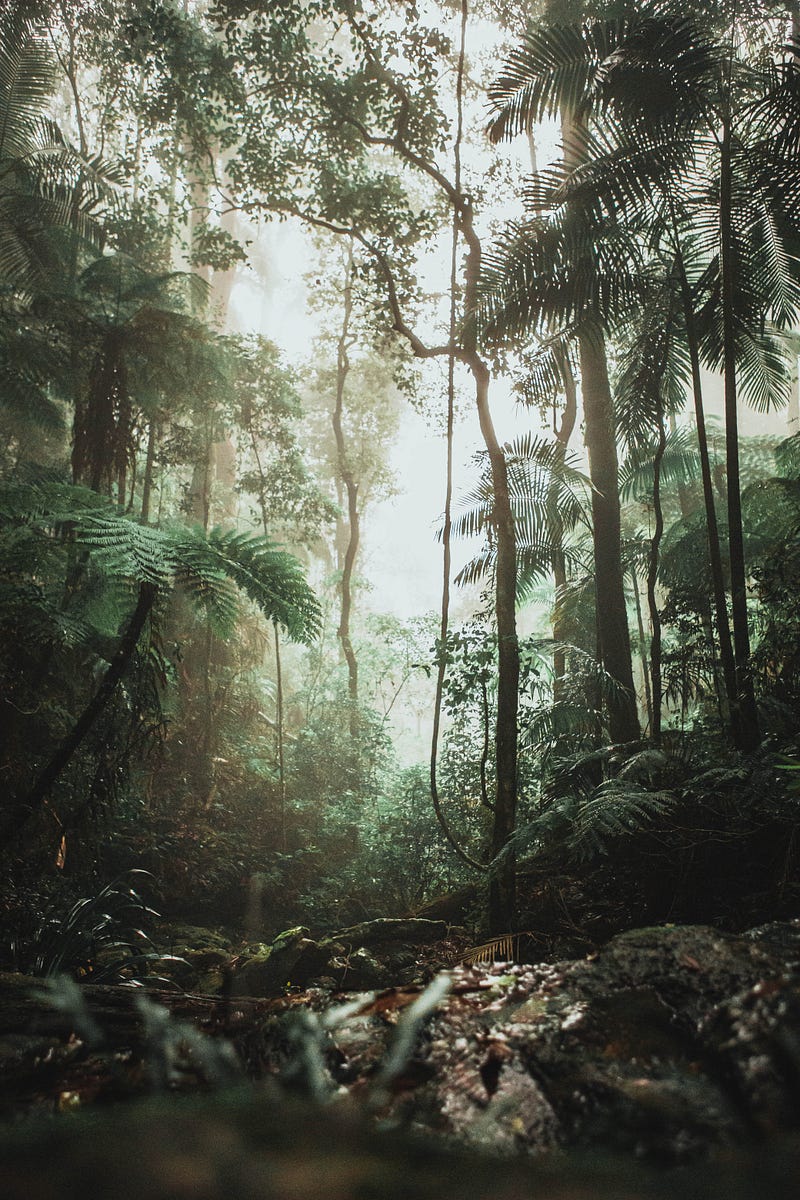
Perhaps the solution to the current crisis of antibiotic resistance is hidden in the Amazonian tropical forests and we are close to losing them due to illegal logging.
We will lose many potential benefits if we do not take care to describe more species and preserve the ecosystems that keep all this biodiversity alive.
You can find more information about species diversity in the following links: [1, 2, 3, 4, 5, 6, 7, 8, 9, 10, 11, 12, 13].
Let me know your opinion in the comments.
If you enjoy reading stories like these and want to support me as a writer, consider signing up to become a Medium member.
See also:
You can also share your love and concerns for this lovely planet. Just click the below image and be a writer for The Environment


.jpg)