
How many photos does it take to portray a city?
Maybe… 5?
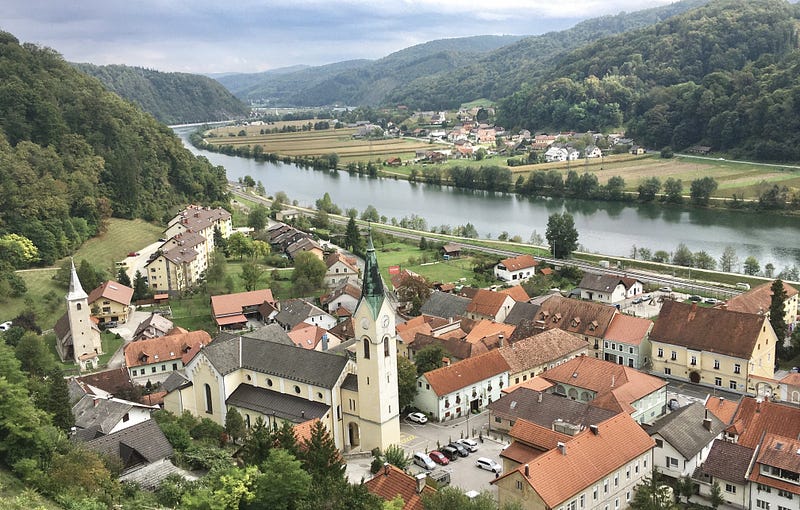
Have you ever visited a city, snapped some photos, and had the feeling that they don’t quite capture the essence of the place?
The visual character of a city is a 360-degree presentation. What’s behind you helps tell the story of what’s in front of you, but a photo can only show one angle. Furthermore, a city is an aggregate, a collection, a tapestry. A single image can easily misrepresent the vibe, rather than poignantly portray it.
When you share photos of a city, such as in a Globetrotters travel article, you probably don’t want to bombard the reader with dozens of images. But how many do you need to provide a captivating and nuanced impression of a place?
The Five Photo Theory
First of all, I’m not speaking from a position of authority. This is just a fun little exploration.
I don’t know anything about photography and I often visit amazing places without taking a single photo. In fact, I’ve never even owned a “real” camera and I’ve only had two smartphones in my entire life, meaning that the camera on my phone is always painfully outdated compared to the standards of the day.
That said, I travel a lot. When you do interesting things in special places, some decent photos happen without much effort.
And now, I propose this five-photo system for capturing a city’s essence:
- an aerial/distance photo that shows a broad swath of the city
- an architectural photo, i.e. an up-close shot of one or more buildings
- a “slice of life” photo that depicts an ordinary scene
- an offbeat, weird, or humorous photo
- a nature photo
My theory is that by selecting one snapshot from each of these categories, you can provide viewers with an in-depth impression of a city.
None of the photos need to perfectly match their categories, they simply need to roughly fit in those boxes. Different cities will lend themselves to different themes. For example, if you’re in Vienna, your offbeat photo will likely also feature some architecture. Meanwhile, if you’re in Berlin, your architecture photo will likely also be offbeat.
Let’s test the theory with two case studies. First up: Cuenca, Ecuador. This city is located in the Andes mountains and is known for its colonial architecture.
Cuenca — Aerial
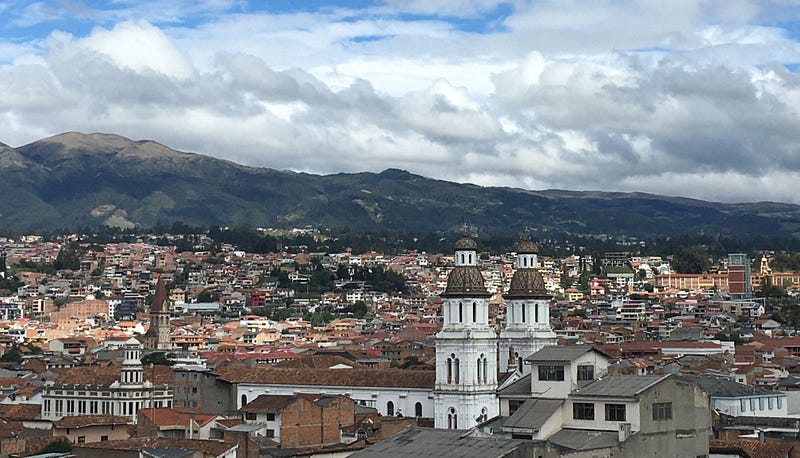
Cuenca — Architecture
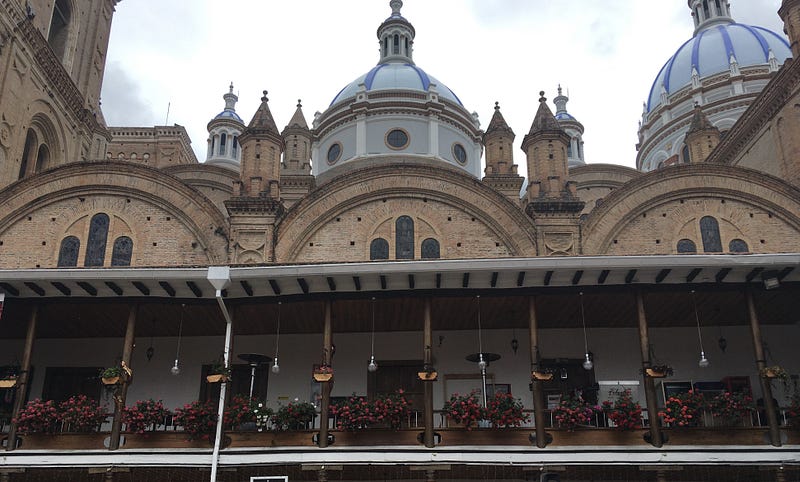
Cuenca — Slice of Life
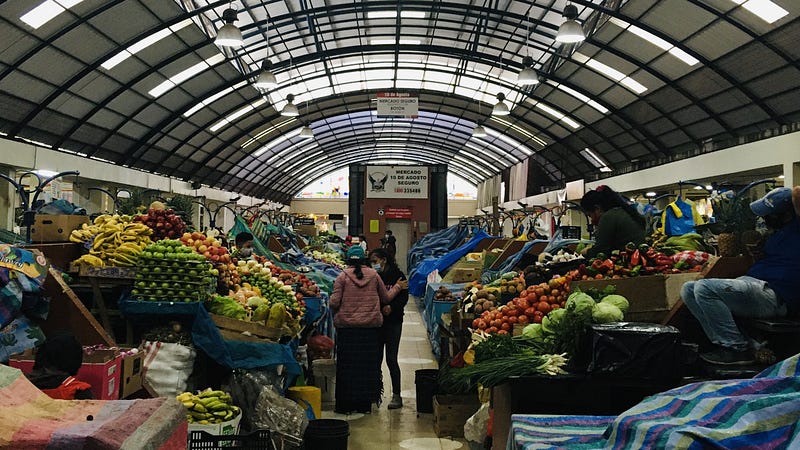
Cuenca — Offbeat

Cuenca — Nature
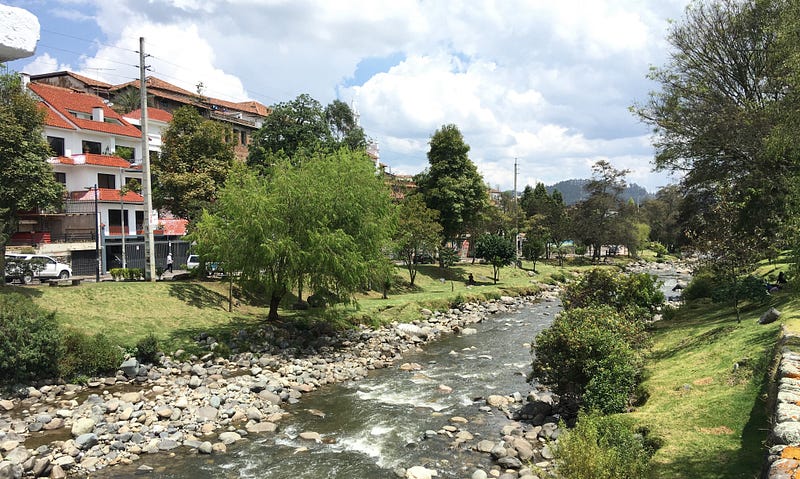
How did I do? Truth be told, Cuenca is one of the most beautiful and historic cities in South America, and I don’t believe I quite captured that.
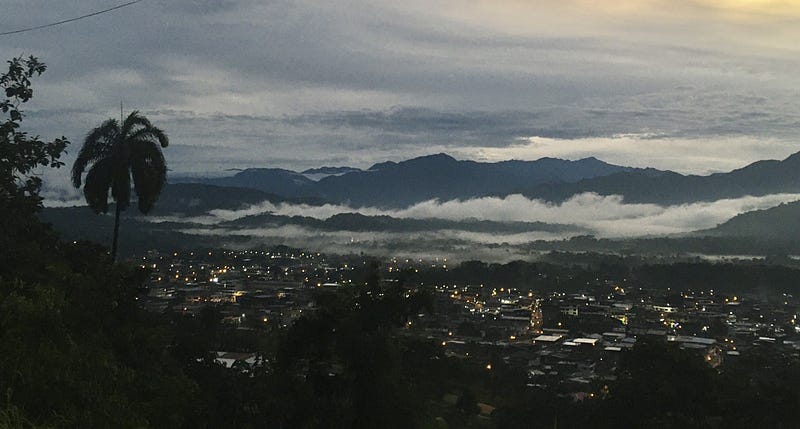
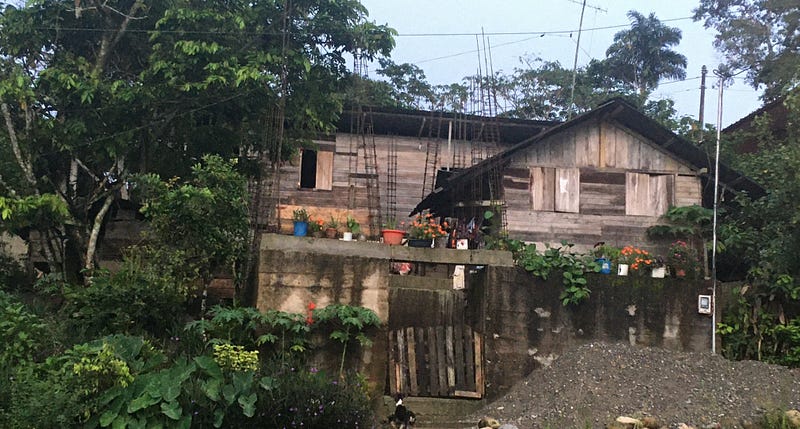
Let’s try again, with another city in Ecuador. Tena is a small city on the edge of the Amazon rainforest. It’s a hot, rainy, humid place, surrounded by wildlife that spills into the urban setting from all sides.
Tena — Aerial
Tena — Architecture
Tena — Slice of Life
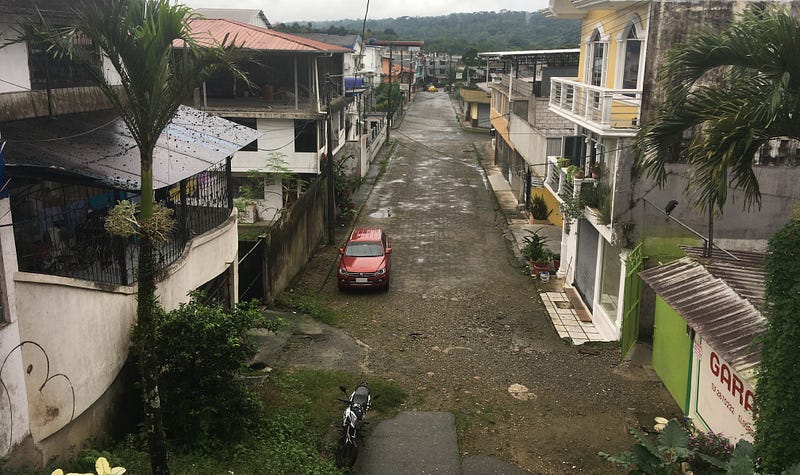
Tena — Offbeat
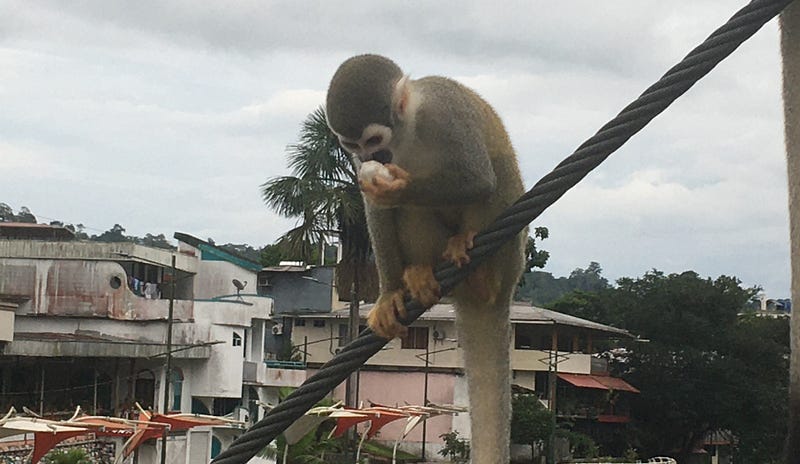
Tena — Nature
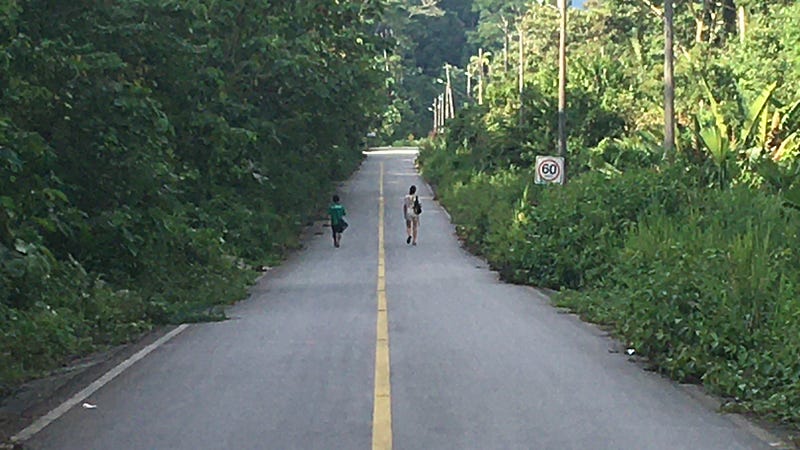
I love the way this photo shows the forest attempting to retake the road. It’s easy to imagine the pavement completely disappearing after just a few years of non-maintenance.
So, what do you think — is this a useful framework? Do you have a different system?
Here’s Casey Lawrence giving it a try with photos from Zürich:
I’ll wrap things up by offering the link below to a travel article that probably got the wheels turning on my five photo theory. In this article, I highlighted three cities and included a few photos for each one.


