
Comparing the Travel Experience in 3 Small European Capitals
Tallinn, Ljubljana, and Bratislava
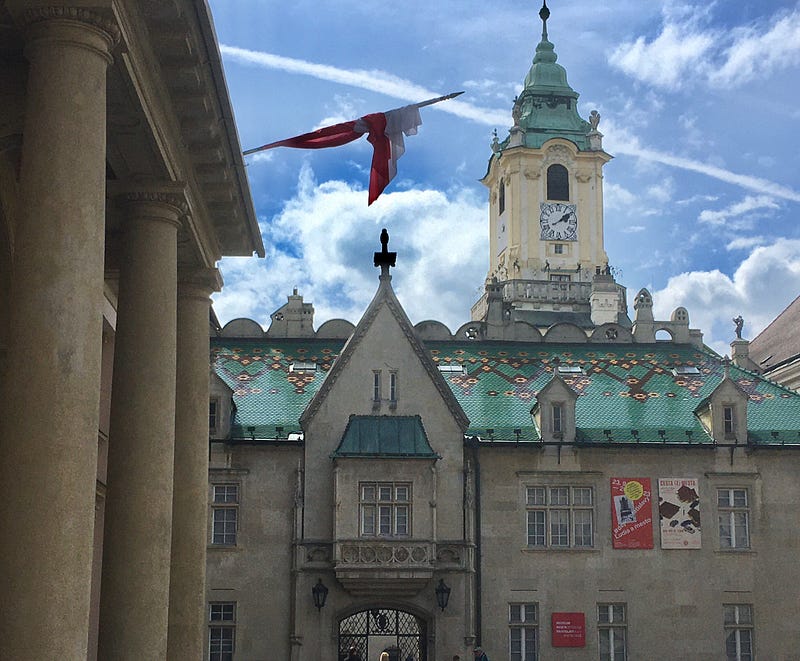
When I planned my first trip to Europe, I knew that I wanted to spend most of my time in smaller nations. So, my first adventure included a month apiece in Estonia and Slovenia. My second Euro trip (which is currently in progress) kicked off with a month in Slovakia.
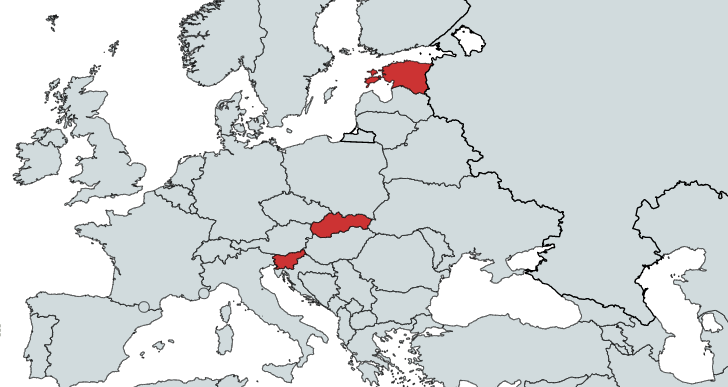
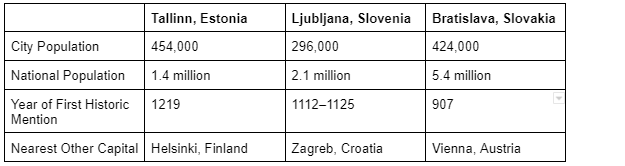
I spent several weeks in each capital city: Tallinn (Estonia), Ljubljana (Slovenia), and Bratislava (Slovakia), and I loved them all. Here’s a quick primer on these spots:
These cities receive their share of tourists, but they’re fairly off the beaten path compared to destinations like London, Paris, and Lisbon.
Before I sing their praises, let’s note the reasons why some folks wouldn’t want to visit Tallinn, Ljubljana, or Bratislava. Compared to the capitals of larger European nations, you won’t find:
- Any of Europe’s most famous structures or sites
- Vibrant nightlife
- Large communities of foreign travelers or immigrants
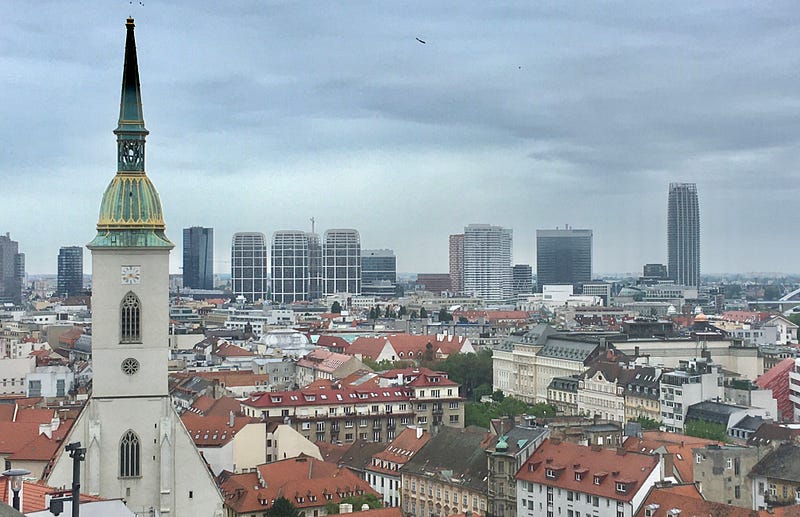
Keep in mind, I’m referring only to a comparison with the more prominent European cities. Tallinn, Ljubljana, and Bratislava have plenty of famous buildings, nightlife, and travelers. But, for example, Bratislava’s incredible St. Martin’s Cathedral is much less recognizable than Barcelona’s famous Sagrada Família. Or, Ljubljana’s impressive population of 40,000 international students is tiny compared to the 400,000 that roam the streets of Paris.
So, why venture further east? Why visit cities that your friends have never heard of, with names you can’t pronounce?
Well, there are so many reasons. Spectacular architecture and incredibly well-preserved history. Foods, languages, and traditions that you’ve never encountered before. Pristine city streets, seemingly flawless public transportation systems, and unpolluted air. Old-growth forests just outside of the city boundaries. High living standards and reasonable prices.
Sigh. So Wonderful.
Here’s a quick rundown of these three great towns. All three are quiet, rich in history, and smaller than the typical capital city.
Tallinn, Estonia
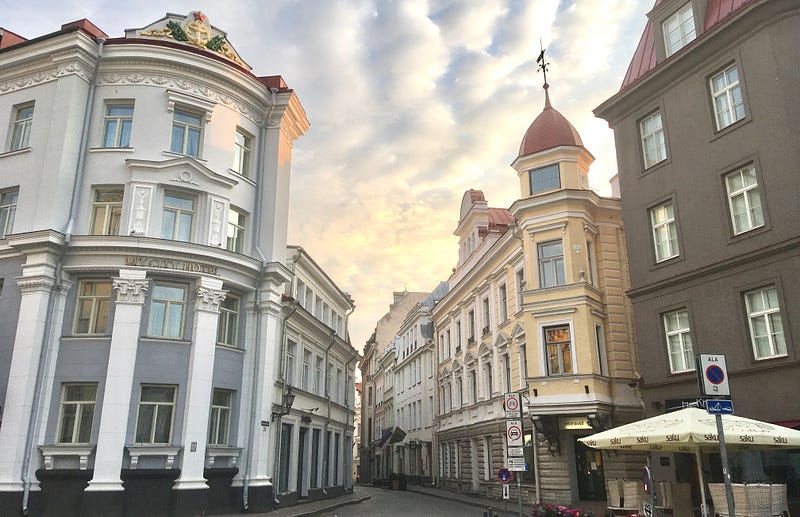
Estonia is the northernmost of the three Baltic states. The nation is geographically, politically, and culturally situated between its Baltic neighbors (Latvia, Lithuania) to the south and its Nordic neighbors to the north, with Helsinki, Finland located a stone’s throw away across the Baltic Sea.
This tiny nation has an inspiring history, having led the nonviolent “Singing Revolution” to achieve independence from the Soviet Union in 1991.
Today, Estonia is a tranquil place, although it’s not an easy time to share a land border with Russia.
Tallinn is an appealing mix of old and new. The city has medieval-era roots, with some of Europe’s best-preserved structures and walls from that era. Meanwhile, Tallinn has grown into a tech hub, embracing start-up culture and attracting firms and remote workers from around the world.
Tallinn: Best Features
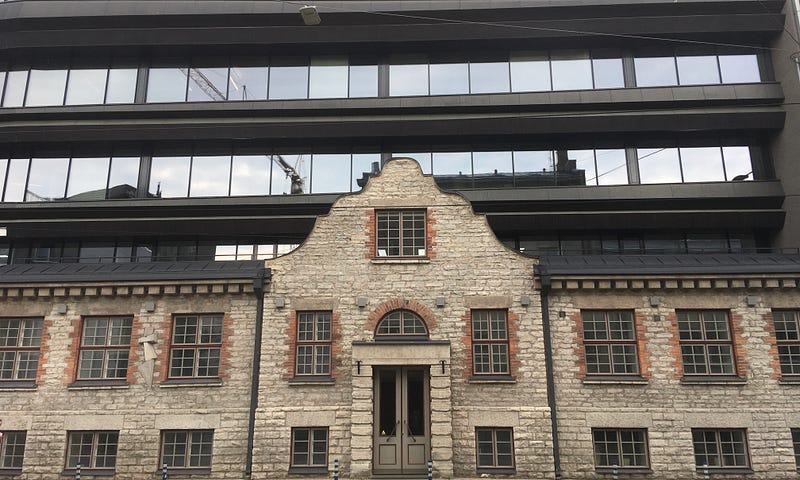
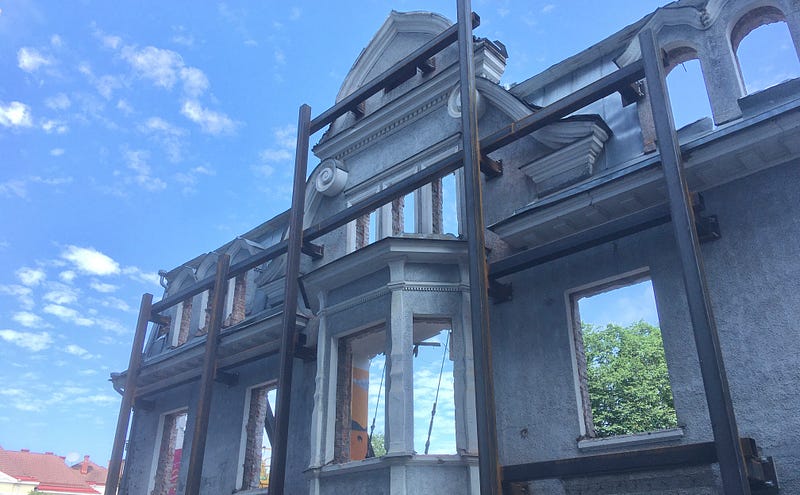
Tallinn is charming and interesting. I especially loved witnessing the blend of centuries-old stone structures, bleak rectangular Soviet housing, and slick modern design. The photos below show examples of preserving the front faces of old buildings while erecting new structures behind.
I also have to note the incredible level of English spoken in Estonia. In Tallinn, especially, English functions like a second native language. English-speaking visitors don’t need to make any adjustments in order to communicate.
Tallinn: Downsides for Visitors
Estonia is way up there, northern enough to have “white nights” in summer and “dark days” in winter. In late June and early July, the sun comes up around 4 am and sets around 11 pm, but the sky never goes fully dark.
Meanwhile, the shortest days in December offer less than six hours of sunlight, accompanied by frigid temperatures. Both extremes are interesting and beautiful but must be prepared for. Personally, I arrived jetlagged in June and my adjustment was slowed down considerably by the persistent sunshine that slid through my windows at all hours of the night.
Ljubljana, Slovenia
Slovenia was formerly the northern-most constituent republic of Yugoslavia, which by 1992 had fully ceased to exist, having been divided into a number of smaller nations.
Slovenia is a tiny nation bordered by Italy to the west, Austria to the north, Hungary to the northeast, and Croatia to the south and east. Ljubljana is smaller than Tallinn or Bratislava, with fewer than 300,000 residents.
Ljubljana: Best Features
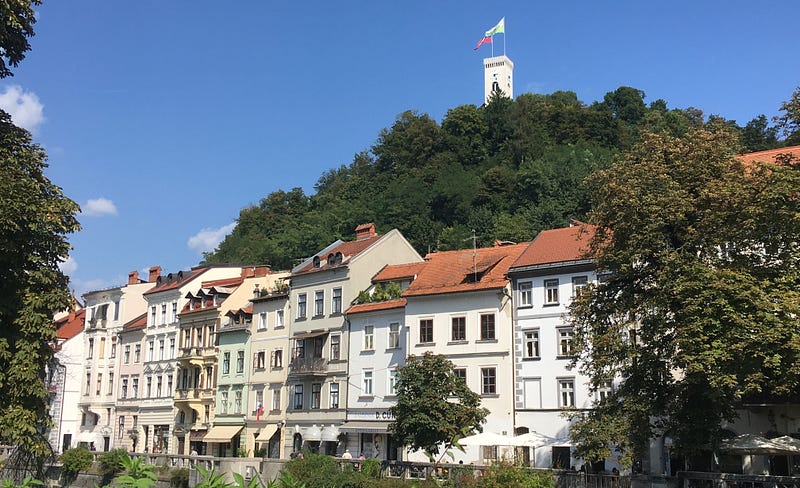
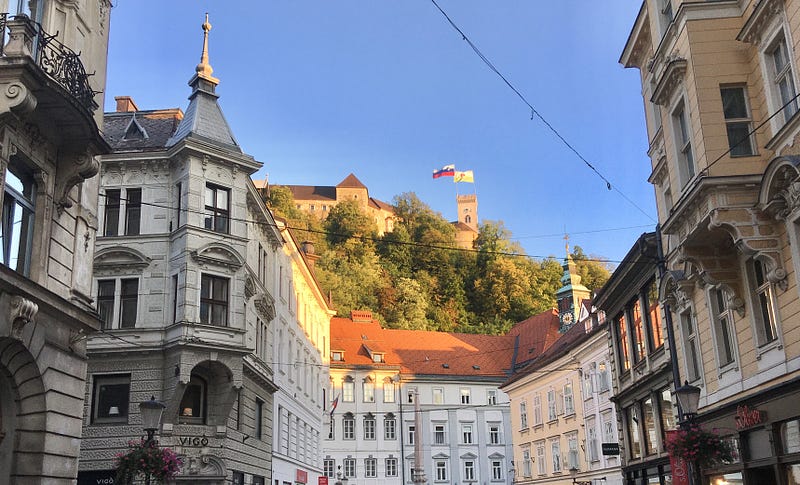
Slovenia is considered one of the greenest nations on earth. It’s one of the most-forested countries in Europe and boasts impressive biodiversity and landscape variety for such a small land. Ljubljana represents the nation’s love for nature well — the city is clean, covered in trees, and very walkable.
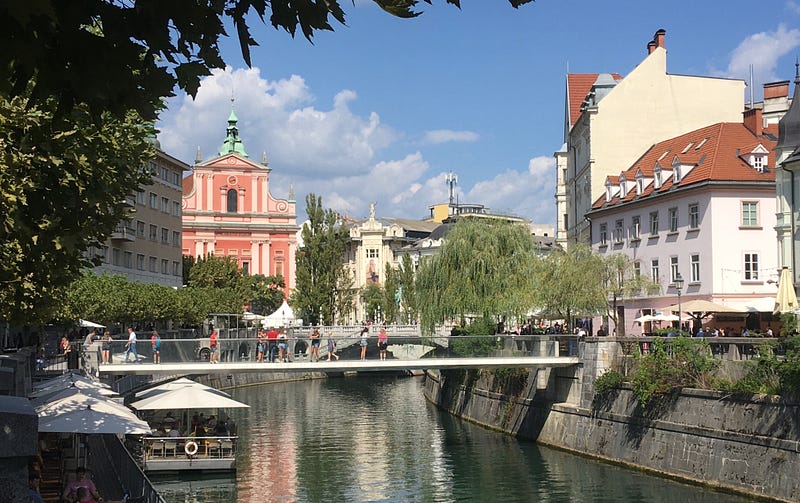
Ljubljana is an easy city to settle into, with ample green space and numerous pleasant spots to enjoy a meal or drink along the Ljubljanica River Canal that runs right through the city center.
Ljubljana: Downsides for Visitors
Compared to Tallinn and Bratislava, I found it much harder to find good value on lodging in Ljubljana.
The overall cost of living is similar between the three capitals. According to Numbeo, Tallinn is the 143rd most expensive city in Europe; Ljubljana is #147 and Bratislava is #157. However, there simply seems to be a shortage of places to stay in Ljubljana.
For example, there are currently around half as many Airbnb listings in Slovenia’s capital city compared to Tallinn and Bratislava. Hotels and hostels are similarly limited, and (in my experience) the prices reflect a high demand for a limited supply.
Bratislava, Slovakia
In 1992, Czechoslovakia split into Slovakia and the Czech Republic. Compared to its former other half, Slovakia has a smaller land area and around half as many citizens. The Czech capital Prague is considered one of Europe’s great cities. Bratislava, simply put, is not.
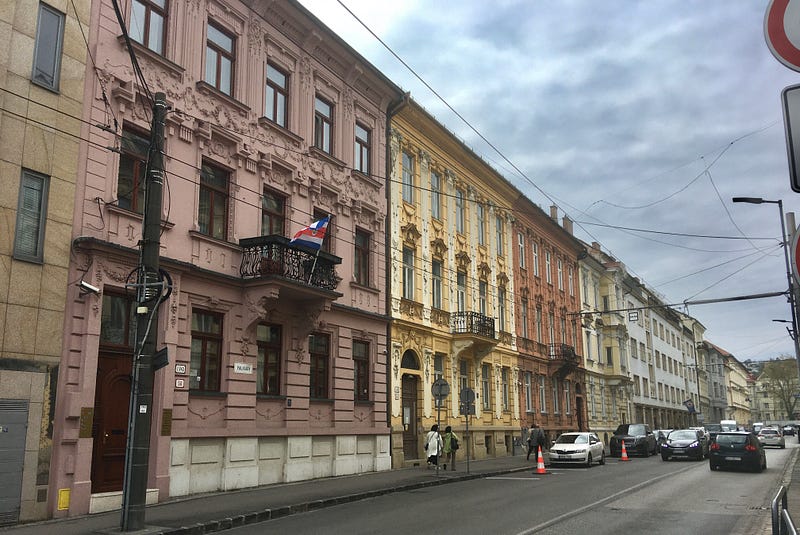
Bratislava is less spectacular than Prague, but similar in style and feel. The historic downtown is remarkable, with well-preserved squares that date back to medieval times. Stunning cathedrals overlook the Danube River and cobblestone streets lead tourists through charming outdoor eateries and shops.
Bratislava: Best Features
Slovakia is a leader in an interesting statistic: castles per capita. Of the nation’s 180 or so castles, several are in and around the capital. Bratislava Castle is strikingly visible throughout much of the city and is absolutely spectacular on the inside, which has been transformed into a museum and architectural showcase. Just a few miles outside of the city is Devin Castle, featuring even older and better-preserved stone structures.
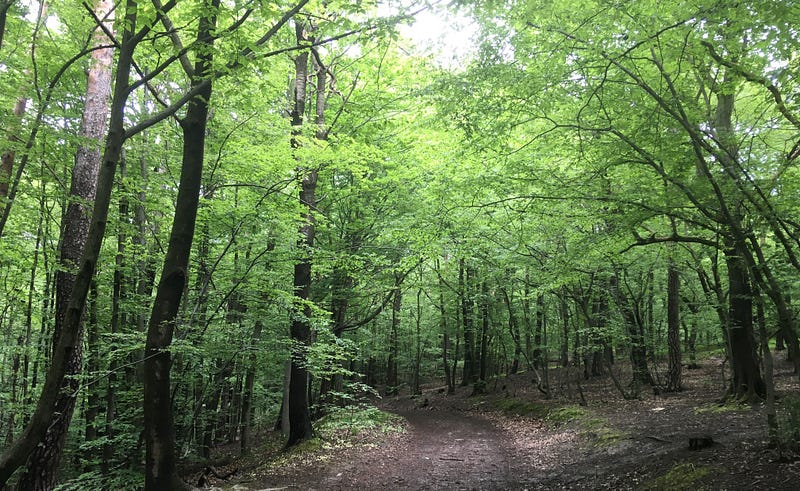
Another wonderful aspect of visiting Bratislava is the immediate access to dense forests which border much of the city and can be easily accessed by public transit. The forest photo below was taken just outside of the city, accessed on foot directly outside of my lodging.
Bratislava: Downsides for Visitors
Compared to most places in Europe, including Estonia and Slovenia, the English language is less prominent in Slovakia. Even in customer service settings in the center of Bratislava, English skills aren’t a given. Be sure to learn some basic Slovakian phrases and don’t expect anyone, especially from older generations, to eagerly jump into speaking English with you.
Where to Next?
Which smaller capital cities have you enjoyed? I’ve still got my eye on Riga, Latvia…
For more notes on Central European travel, read:


