
How Indulging Our Emotional Cravings With Food Can Boost Our Social Health
Sharing our comfort foods and cooking experiences magnifies the power of edible love
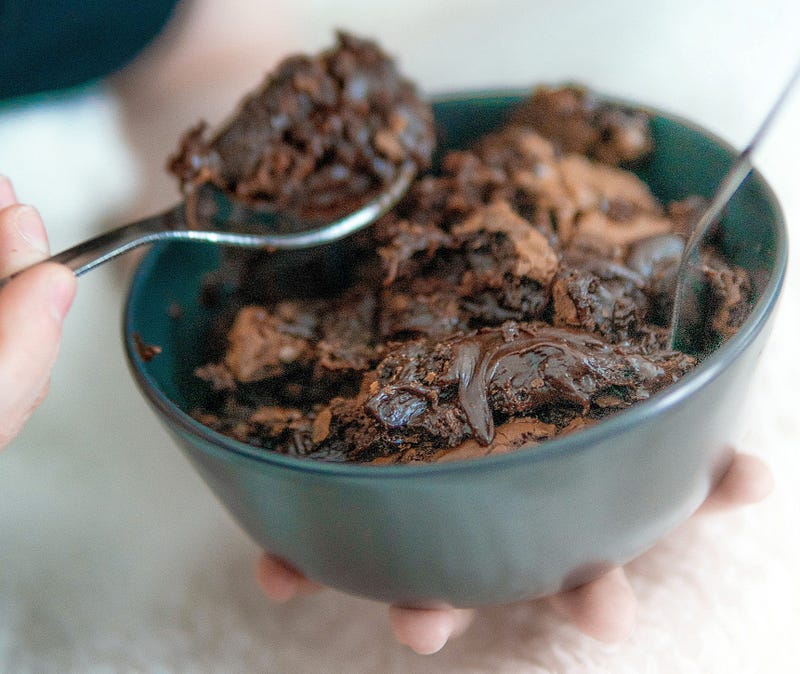
Two spoons and a pint of Ben & Jerry’s may be the universal definition of comfort through food.
To you, comfort may taste like the piping hot creamy mac ‘n cheese that your mother used to make, or the plate of mashed potatoes oozing bits of excess butter served at Sunday dinners at your best friend’s house. And to someone else, the flavor of comfort may more closely resemble their grandmother’s warm matzo ball soup, their father’s spicy BBQ sauce, or a shared bowl of ice cream. No matter its form, comfort food is the food you crave when you need some love.
In times of stress, we want to savor the food that reminds us of warm connections with family and close friends. This concept is perfectly imagined in Ratatouille when Ego, the restaurant critic is served a plate of ratatouille, which it turns out, was his ultimate comfort food.
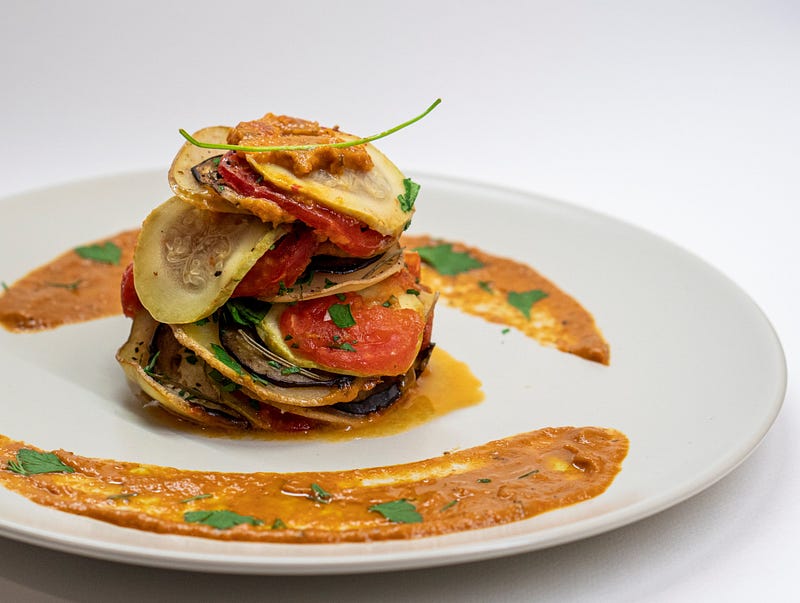
“Comfort food is what you eat because you’re too old to suck your thumb.” — Anonymous
Why do we seek comfort through food?

We have been craving comfort in edible forms from the time we were clamoring for a warm bottle with a side of love, from our mothers. However, it wasn’t until the 1960’s that the term was coined in an edition of the Palm Beach Post in an article about obesity.
Today we know that the causes of obesity are much more complex than the amount of comfort food in our diets and that our craving for comfort food can be best understood as part of our “hunger-to-belong”.

Our hunger-to-belong, just like food or water, is a fundamental need and craves to be fed. When I turn to food for comfort, I am feeding a social need, not my stomach-growling hunger. For me, noodle kugel and scrambled eggs on a bagel (separately — not together!) are linked to positive nurturing memories and I am conditioned to use these foods to provoke a sense of belonging. Any issues of nutritional value and caloric intake are checked at the refrigerator door.
But we cannot ‘blame’ our nostalgic memories for our high-calorie choices all of the time. Some foods trigger physiological responses and it is the physical reaction that we crave.
For instance, eating carbohydrates can give you a serotonin boost. Serotonin, a chemical in our brain, helps regulate moods and create feelings of calm. This causes some people to crave carbs for their natural mood boost, not because of warm fuzzy food memories. That mood lift may also be what we seek when we crave other serotonin producers like ice cream and cookies.
How do we choose our comfort food?
Have you noticed that your comfort food choices don’t always align with others in your household? Interestingly, but perhaps not surprising, men tend to choose more savory options, like pizza, pasta, and soup. Women, on the other hand, are more prone to reach for the cookie jar or a box of Godiva.
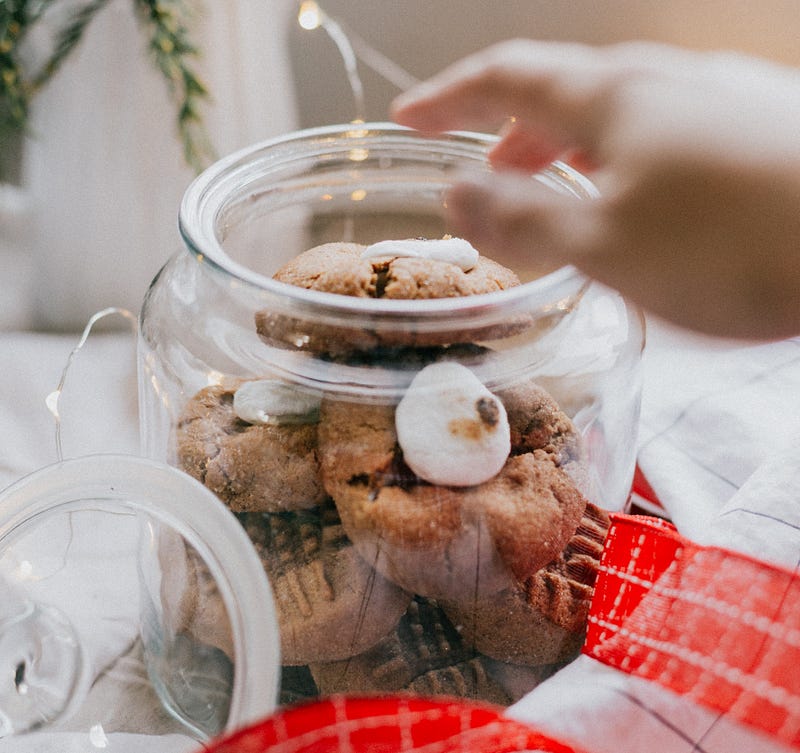
Everyone agrees though that heading to the freezer with a spoon soothes what ails us: Ice cream apparently comforts us all. Gender differences don’t end with the type of food. Men are more likely to seek edible comfort when celebrating, while women tend to use food to console themselves, when lonely or depressed.
Increasing the power of edible love
The collective experience when sharing a meaningful dish or meal is the best part of indulging in tasty memories and enhances its ability to comfort. This is certainly true for me. Watching my friends pass around a hot platter of cinnamon-laced noodle kugel made with them in mind, makes new and long-lasting memories that I draw on in stressful times.
The power of comfort food increases, even more, when we share the experience, not just the food. Cooking and baking comfort foods with friends and family invites them to join us in our multi-sensory memory journey. When working in tandem to form sticky dough into matzah balls or admiring the sheen of a simmering BBQ sauce or practicing patience while keeping a watchful eye on a chocolate souffle, we not only create new memories, but more importantly, we are strengthening our social connections and satisfying our hunger-to-belong.
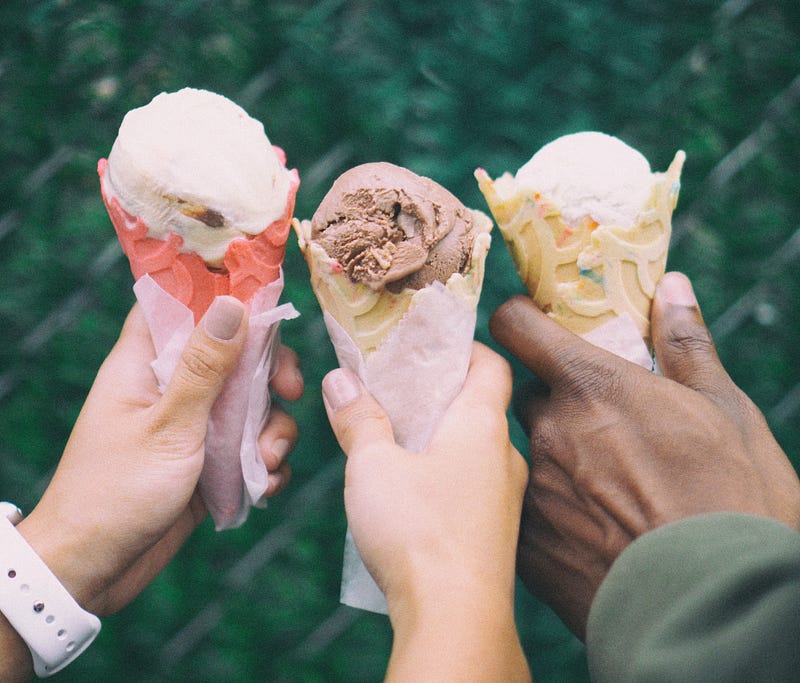
What food experiences will you share?
The indelible link between physical nourishment and emotional comfort created in our early years results in our craving for edible forms of comfort later in life. When we reach for an extra-large serving of kugel or a pint of Ben & Jerry’s and a spoon, we are revisiting the nurturing feelings associated with those foods.
The real comfort in comfort food though comes from the people we share them with — both the loved ones in our memories and those that sit with us at the table today. Perhaps the next time you are reaching for a pint and a spoon, you will grab an extra spoon.
I invite you to try a mouth-watering, totally decadent noodle kugel recipe that is used repeatedly by this one-and-done recipe user. And please, if you do try it, swing back around and let me know what you thought of it!
There are, of course, different views on comfort food. In this piece, I have emphasized how comfort food can feed both our physiological hunger and our hunger-to-belong. For readers who are more interested in reading about strategies on how to stop the cycle of using food for consolation, Mpdoc does an excellent job in his article: Comfort Food: Why Do We Eat Unhealthily When Being Sad?
If you enjoyed my article, perhaps you’ll read another one. One of my favorites is this tribute to a very good friend of mine who lived her last days with purpose and intention and left behind a legacy of food memories.


