
How I Swam 3 Miles Straight Into The Atlantic Ocean
This ocean race from a Senegalese beach is a life-changing physical and mental challenge.
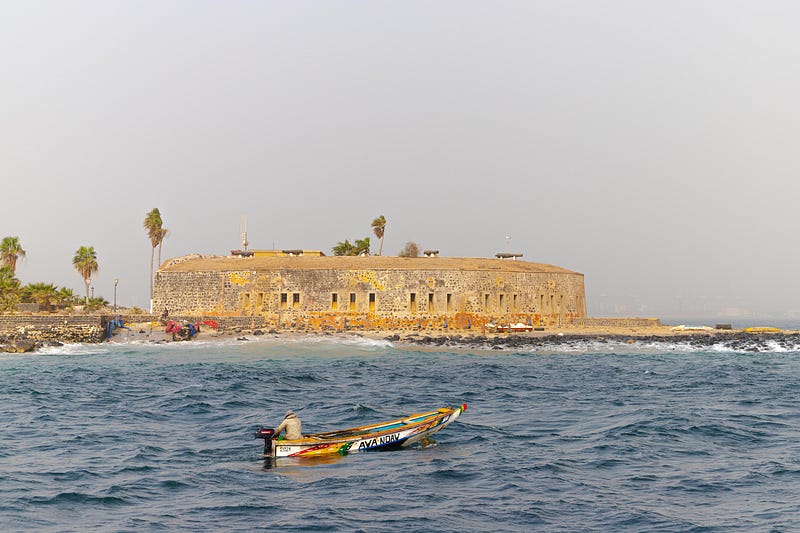
I was a naive 23-year-old on a Fulbright when I was peer pressured into swimming 4.5 kilometers straight off the coast of Dakar into the Atlantic Ocean. It turned out to be one of the most spectacular things I’ve ever done, and I hope you get a chance to experience it too.
The “Traversée Dakar-Gorée” is an annual open water race from a beach in Dakar to Gorée Island, Senegal. This swim from a Dakar beach attracts over 600 swimmers from all over the world each September.
These participants represent a wide range of backgrounds — from middle school boys’ swimming clubs to amateur Senegalese swim enthusiasts, to elite professional swimmers, to a few brave ex-pats like me. Elite swimmers compete in a 5.2 km course, while all other swimmers swim 4.5 km.
Swimming 4.5 kilometers in the open ocean toward the shores of this historic island was like nothing I had experienced before in my life.
I was a competitive swimmer in high school, but when I donned my yellow swim cap and joined the hundreds of other swimmers on the Voile D’Or beach I had only just started swimming again for the first time in years.
Swimming was the only exercise that had felt good in the Senegalese heat, and I had grown to enjoy my daily 30-minute swim in the American Club pool during the first few months of my Fulbright grant.
But I hadn’t planned to test my skills in the open ocean anytime soon. In fact, I had always been terrified of sharks.
To this day, I rarely venture past the surf when swimming in the ocean.
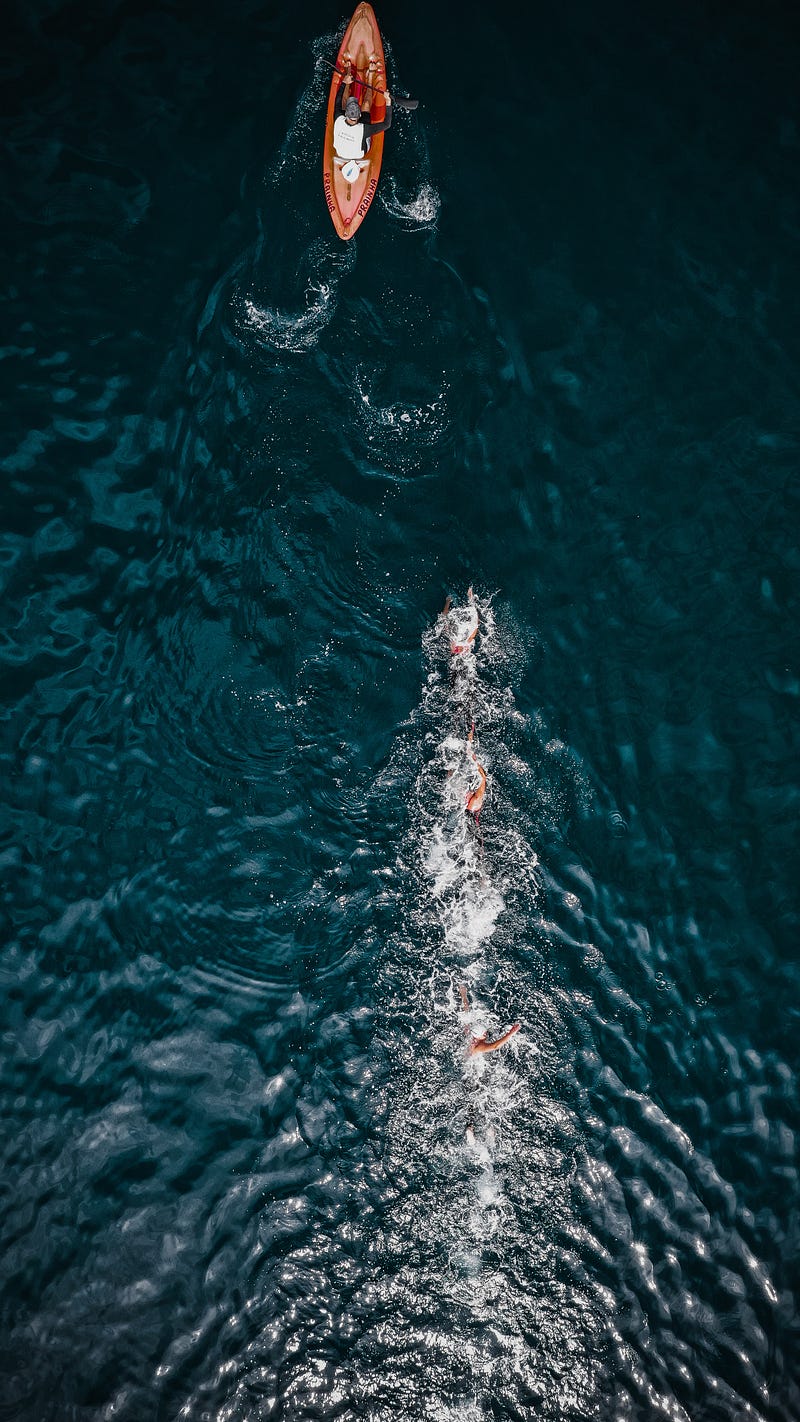
On the Saturday morning of the Traversée Dakar-Gorée race, I entered the American Club pool in the neighborhood of Les Almadies with my usual plan of swimming laps and then reading a book in the sun. The owner of the club ran to me shaking his head.
“No, no! Don’t swim in the pool today. Come join us — we’re headed to the race!”
He explained that a bus was waiting just outside with about 40 young boys from a local swim club. I could ride in the bus with them and swim in the race too. In the name of saying yes to more things during my adventure abroad, I jumped aboard that bus.
Soon after, I was standing on the Voile D’Or beach in my swimsuit and numbered swim cap. I borrowed some sunscreen from another ex-pat and stood with my toes in the surf.
Standing at the beach, the outline of Gorée Island was barely visible in the distance. It seemed impossible for anyone to swim that far.
When the whistle blew, a sea of bodies splashed into the surf around me. I could barely see or breathe.
I was used to swimming calmly in a swim lane, but swimming over waves surrounded by hundreds of kicking feet and flailing arms required a different level of courage. I just kept looking out toward the horizon at that island and telling myself to keep going.
Within minutes, the swimmers spread out significantly, and I found myself nearly alone in the open water. I had never in my life ventured this far out into the ocean; I couldn’t stand the image of creatures lurking beneath my feet. And yet in this situation, I had no choice.
There was only the option of moving forward toward that spot in the distance, so I plodded ahead. I repeated to myself that the faster I arrived on that island, the less time there was for these creatures to find me.
My swim race stroke of choice was somewhere in between the breaststroke, doggy paddle, and a desperate form of treading water to keep my head above the waves.
An hour in, my back and legs began to burn from the direct heat of the midday sun. My sunscreen had long since washed away.
The rolling waves made me sick, and I vomited several times straight into the water. But I kept moving toward that island.
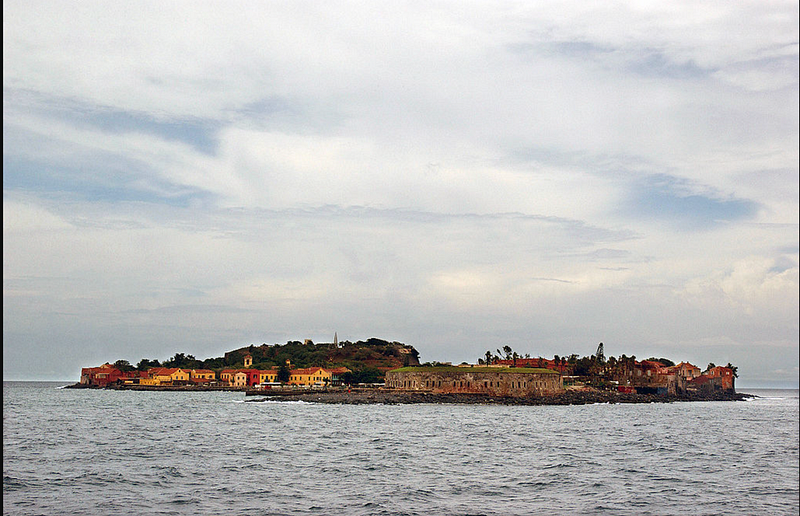
It took me almost two hours of swimming/dog paddling my way toward that island to crawl onto its beach. My arrival on Gorée Island felt nothing less than triumphant.
Thousands of people gathered to cheer on the swimmers as they arrived at the shore, a DJ played music from giant speakers, and I was gifted a white t-shirt. I wore that t-shirt, over my soaking swimsuit and sunburned body, back on the ferry home to Dakar that evening.
My memory of completing this race will always make me feel superhuman. I am not someone who thrives on extreme challenges. I have no desire to run a marathon, and I hate competition. But this experience was different.
It was the perfect beginning of the year I spent living in Senegal because it was a year when I learned to say yes to so many things that shaped my life for the better. And it was one of my proudest moments of doing something that terrified me.
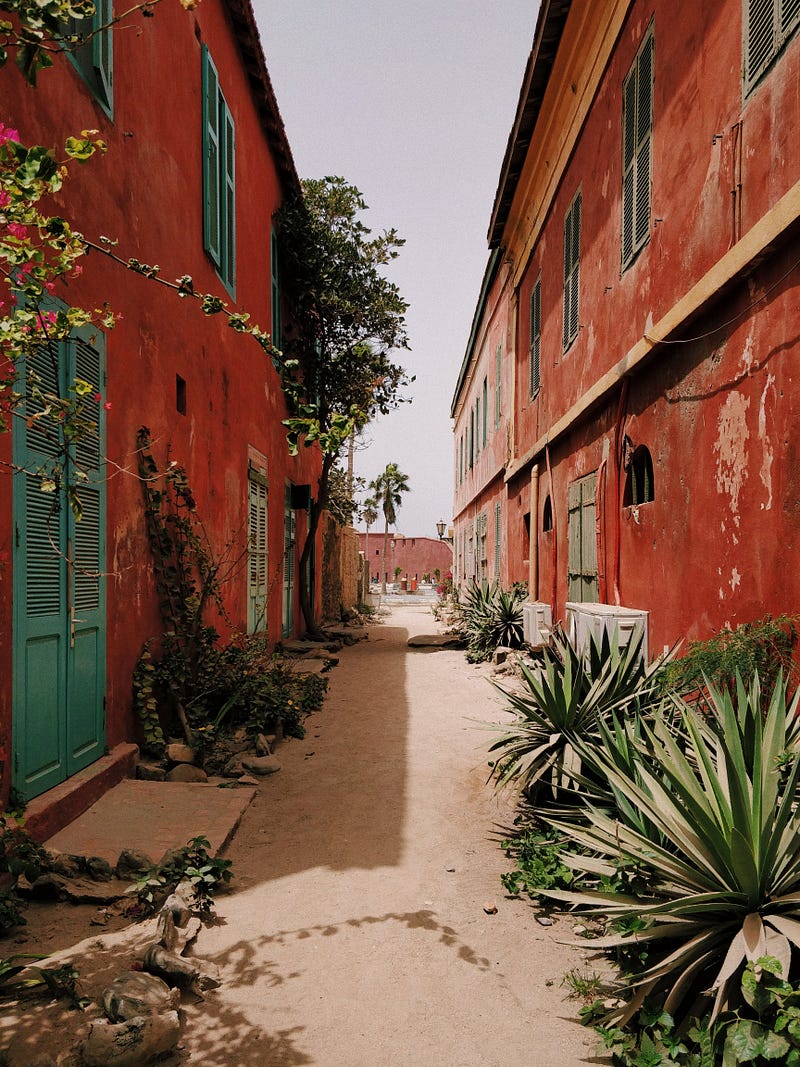
It wasn’t until after I completed this race, however, that I learned it was more than just a sports competition. A small group of Senegalese swimmers started the race in 1985 as a tribute to Saint Charles, patron saint of Gorée. Since then it has grown to become a celebration of African swimming and a solemn tribute to Gorée island’s history in the African slave trade.
Gorée Island, though stunningly beautiful, has a dark history. This island was home to the House of Slaves (Maison des Esclaves), where millions of men, women, and children were imprisoned before boarding slave ships. Gorée Island was the largest center for slave trading off the African coast for three centuries. It is now a UNESCO World Heritage Site, and visitors can board a ferry in Dakar to visit the island’s beautiful multicolored buildings and the museum telling its tragic history.
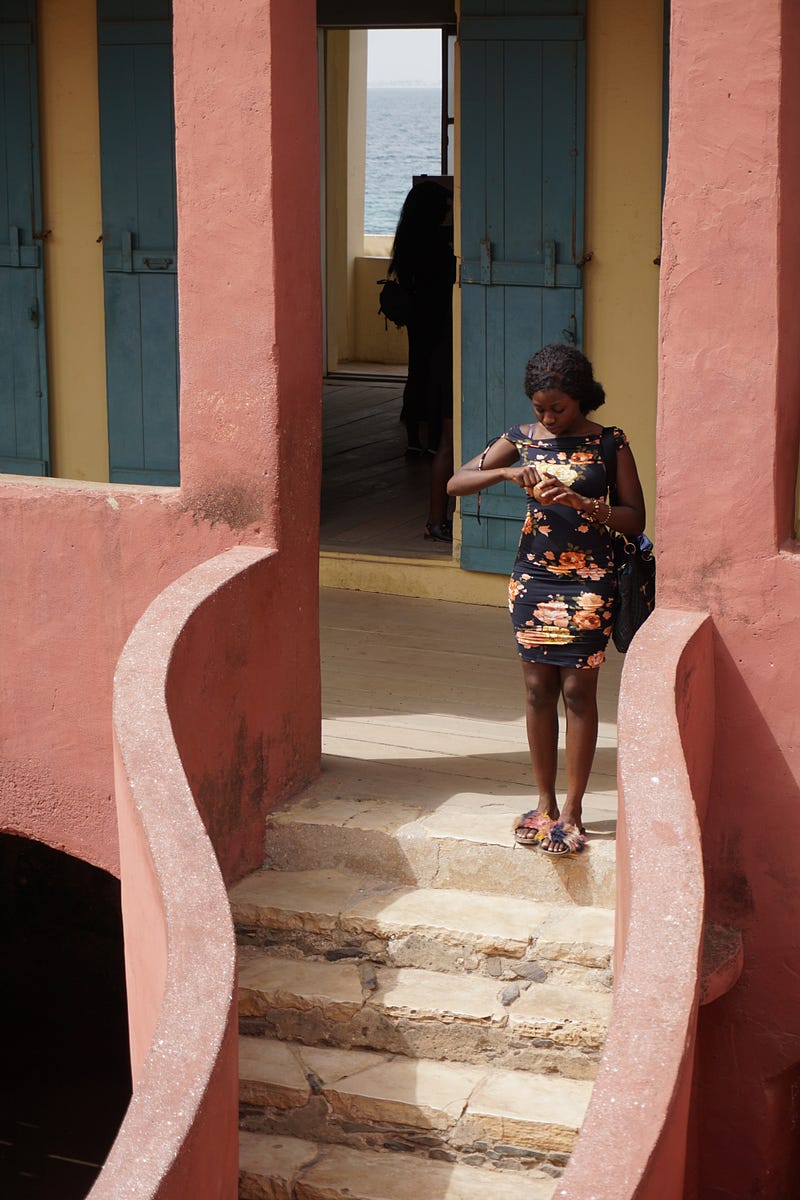
This expanse of water between mainland Senegal and Gorée Island was a place for celebration the morning I competed in the Dakar-Gorée race. But that celebration felt even more moving given what these waters represented for much of this island’s history.
I am forever humbled and grateful that I decided to take that bus to the Dak’Go race instead of swimming laps that morning. That decision gifted me the opportunity as a 23-year-old to swim this beautiful, dizzying stretch of ocean, and to show myself that I could keep going if I kept my eye on the outline of the island.
The year I spent in this wonderful country changed my life in numerous ways. Senegal is a wonderful place to visit even if you’re not up for the challenge of swimming straight into the Atlantic Ocean. And Gorée Island on its own is an important historical destination to witness firsthand.
But if you are seeking an unusual sort of challenge, or if you are in need of more things in life to say yes to, I hope you will consider experiencing this race yourself, even as a spectator.
If you’re ambitious enough to train, register, and travel to this race in just a few weeks, here is the official registration for the Dakar-Gorée Swim 2022. Otherwise, you can join me in 2023. I am hoping to build up the courage to swim this race again as a gift to myself for my 40th birthday.
I just have to convince myself I can do it.
For more information, see:
More from Michelle A. Cmarik…


