
How I Overcame My Phone Anxiety
And what I learned from this experience
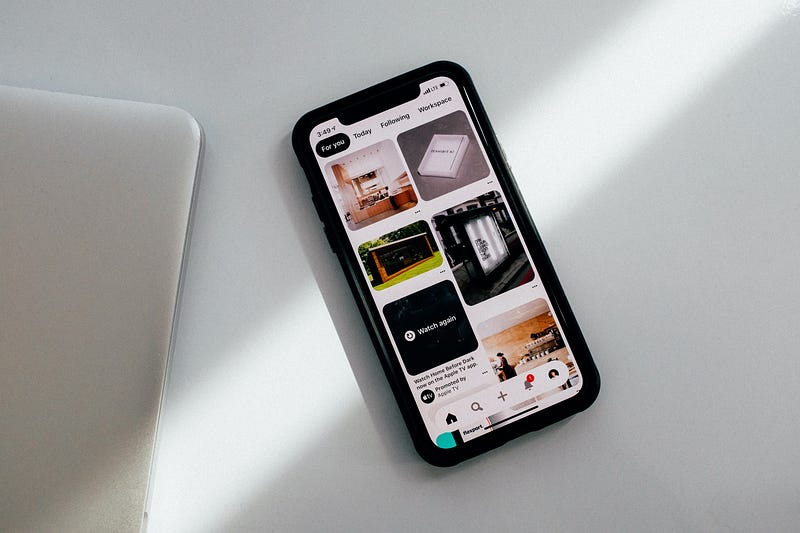
Phone anxiety is so common amongst millennials and Gen Z. I can’t pinpoint why, but it’s a confusing mix of not being able to see visual social cues, not really having the experience, and the demand of getting a phone call and feeling pressured to answer it immediately.
That being said, I eventually overcame this phone anxiety thanks to one of my earlier research assistantship jobs. I was inspired to tell this story after reading Michael Ranjitsingh’s story on knocking on 200 doors to ask about odours.
It’s incredible to me that the task itself was so different, but the lessons I grasped from such an experience were so alike.
Michael outlines two big lessons from his experience: knowing the meaning behind something and trusting in routines, habits and practice. This is exactly how I overcame my phone anxiety through this job too.
Trust me, I dreaded the actual task. The research assistantship was so cool, focussing on a question that was exactly what I wondered. I had the opportunity to work with kind and wholesome older adults who came into the lab to complete computer tasks, so we could learn about the ageing brain.
The biggest dread was that unlike recruiting younger adults via email and Facebook ads, to recruit older adults, we had to make phone calls.
If it wasn’t for this underlying research question that I was so intrigued in, and wanted to learn more about, I wouldn’t have had the meaning and purpose that would push me outside of my comfort zone to make calls.
It was the practice and habit that got me through the door too. My grad student supervisor probably never thought twice about this, but behind the scenes, I diced up the phone numbers into bite-sized numbers of people before launching on the call.
I started small, calling 2–3 people a day and worked myself up to calling 10–15. Soon, I was calling the entire list without batting an eyelash
I learned that underlying the anxiety was this fear of rejection. Above being a phone call, something novel and unfamiliar, I was requesting something from people. I was requesting that they spend their precious mornings or afternoon to drive all the way to our lab, to be hooked up to our equipment.
I was sure to get some rejections along the way, not because the research wasn’t important, but because of a myriad of other reasons. Sometimes, these older adults weren’t even in the country, as snowbirds travelling to somewhere much warmer. Sometimes these folks had much more exciting things to do, like performing in a band or visiting grandchildren for something. Sometimes, I would be politely requested to remove this number from the list, as that person was deceased or quite ill.
There was such variation in these reasons, some exciting, some upsetting. I learned the distress tolerance and self-awareness that sure, it might be upsetting for me to encounter this kind of rejection, but to imagine how much worse it is for a widowed spouse to get this phone call. I learned to manage my own emotions — both anxiety and sadness — to best communicate respectfully and supportively.
It got better with practice, with little rewards sprinkled in between. Recruiting older adults is such a pleasant thing to do. Do you know what your voicemails sound like? Well, whatever it is, it’s never going to be as cool as voicemails recorded by the older generation.
I was serenaded personally by songs, jingles, and jokes, placed in such a solidly great mood before leaving a voicemail. Sometimes I encountered someone who was so excited and chatty that they told me about their day, their baking successes, and what they have in store for tomorrow.
In this, I learned that my anxiety came from uncertainty and from always jumping to the worst. I was afraid of rejection and/or awkward uncomfortable conversations. I didn’t even realize that there would be all these pleasant stories to counteract all of those experiences and that I was seriously missing out.
So if you’re on the edge of your seat, afraid of trying something that’s outside of your comfort zone, I’m hoping that both my story and Michael’s inspire you to move forward. Even if the task is scary, boring, possibly distressing, ask yourself these questions:
- What is the meaning or value behind this task?
- What will I learn from this? Am I expecting everything to work on the first try, or is this something that will slowly develop over time?
- Is my brain solely focussing on the possible dangers and discomforts? Have I considered the potential for excitement, enjoyment and growth?
Lucy (The Eggcademic) [she/her] wants to thank Michael Ranjitsingh for his article, in inspiring her to reflect on some of her first work/ volunteering experiences, and what she learned from them. She’s curious to hear what others have brought forth from their first work experiences!
What’s next… this amazing piece from Veronika Jel or this rabbit hole?


