
CAREGIVING: LOVE IS A VERB
How Fast Do I Let Her Die?
and…Gratitude for ‘Stories’
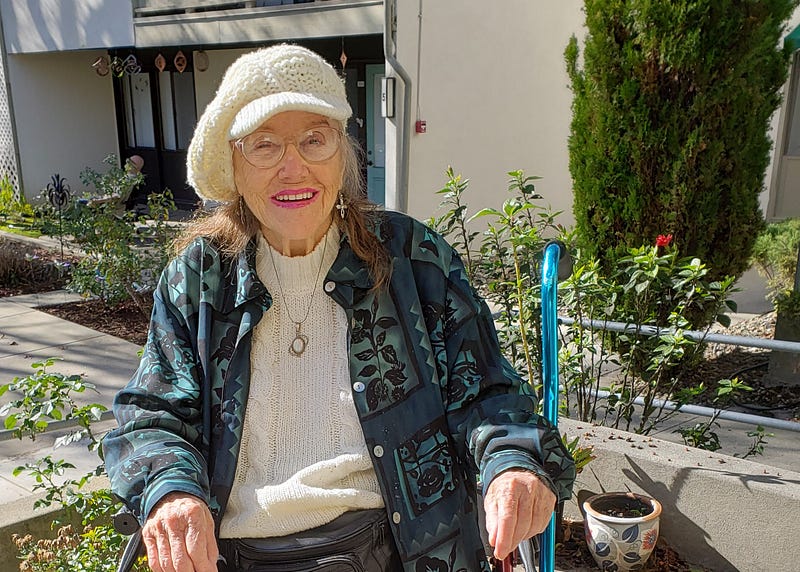
The letting go is hard. It comes in stages, just like children have growth spurts, then plateau, then ‘break up’ and then spurt again. And I’ve noticed Mom declines in the same way, but in reverse. She plateaus, then there’s a rough spot and then another slide down before plateauing again.
I feel hopeful during the plateaus. Maybe her body is curing the antibiotic-resistant UTI. Maybe the walnuts are helping her dementia. Then the rapid slide comes and hope falters. I struggle to accept a new stage of lost competencies. I feel sad and frustrated and guilty and irritable, sometimes even angry, all at the same time. Tears come when I am alone and still.
Anticipatory grief Hospice calls it. Different from post-death grief, but it can be just as hard, sometimes even more painful.
A neighbor says, why are you trying so hard? You will get your life back when she goes. But something in me won’t let go of a drive to do all I can to keep her alive.
It’s not just letting go of my mom to die. It’s letting go of all the little things that I could be doing, that she could be doing, that would enable her to live and to feel better while living.
So I get the ‘if onlies.’ If only she would drink water. If only she would walk a little. If only she would do her physical therapy exercises. If only she would eat vegetables and not so much sugar and bread. When I stop forcing and let her choose, she always chooses what is worst for her. Letting go is hard.
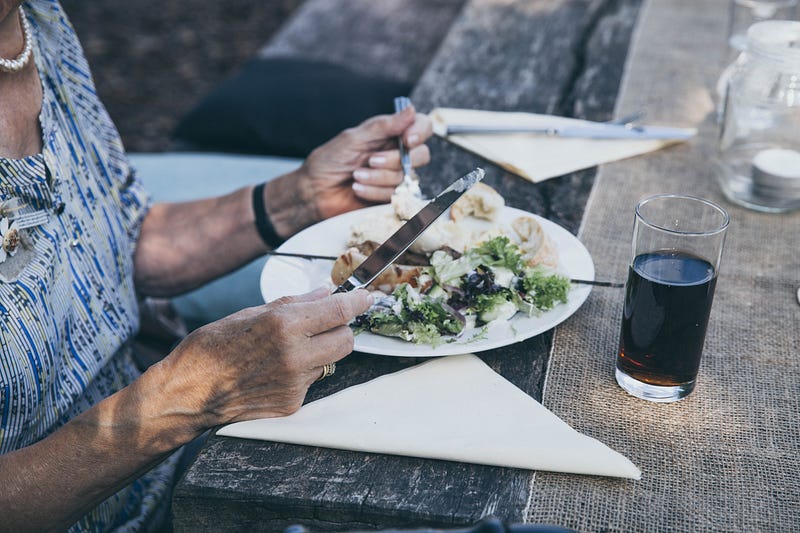
I want what is best for her. I want her to be happy. I want her to enjoy life, get out and see the flowers. Walk so she doesn’t lose the ability to walk. I think I know what is best for her…but maybe I don’t. These are her last years. Months? Weeks? I need to let her decide how she will spend them.
Ah, then come the doubts. Is she still capable of deciding? Can she process consequences of actions? What do I need to decide for her? (Yes, you need to change your diaper now.) What can I let go and let her decide? (OK, you don’t need to go outside and get sunshine.) Water is a hard one for me. I leave it everywhere, but I have stopped offering consequences if she doesn’t…am I killing her by not insisting?
I try to think about myself. What would I want? Some of both, I guess. But mostly, I realize that I can’t understand anymore what it feels like to be her. Her mind doesn’t process now in the same way that healthy adult brains do. I don’t know how to go into her experience.
Asking her doesn’t help. She is “fine” and “doing great” no matter what is happening. She speaks much less than she used to and when she does, her responses are usually very habitual. I’ve heard ”I’m fine; don’t worry about me” enough times to tire of asking.
I cope by remembering better days…like the trip we took to Ecuador last year. I will write about that next week, or maybe the one after — my time is unpredictable now.
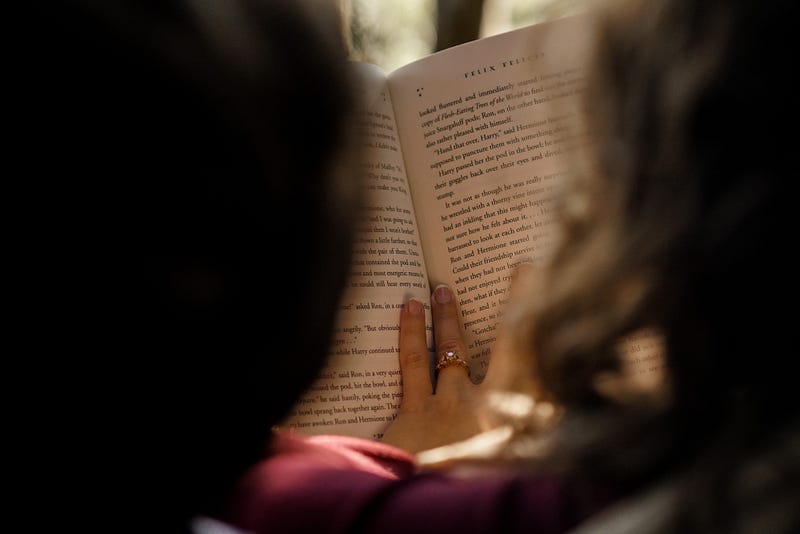
But I have discovered something — quite by accident — that she loves. I started reading to her at bedtime. We’re almost finished with our second book and I’m surprised how well she can track the story. She told me that no one ever read to her. I asked, “not even when you were a child?”
“No,” she replied, “I learned to read early and people thought I could do it by myself.”
So now, it has become the most special time of our day together. A time to set aside all the frustration and impatience I may have felt — and inflicted on her — during the day. A way for her to feel valued and cared for. A bonding that doesn’t seem able to happen through conversation anymore. And maybe it helps her brain, too.
So today I am thankful again — in a whole new way — for books and stories, which have become a ‘Medium’ that connects my mom and me…and maybe connects me to you, too, if you have a caregiver role in your present or your future.
I am Dawn Aegle, a content writer and transformation coach who sometimes struggles to find meaning in my current role as a 24x7 caregiver for a mother with dementia. Meet me on Medium here.


