
%22%3E)
NATURE
How Do Trees Prepare For Winter?
The spectacular colours of autumn are clues to how trees survive the cold, the frost, the snow
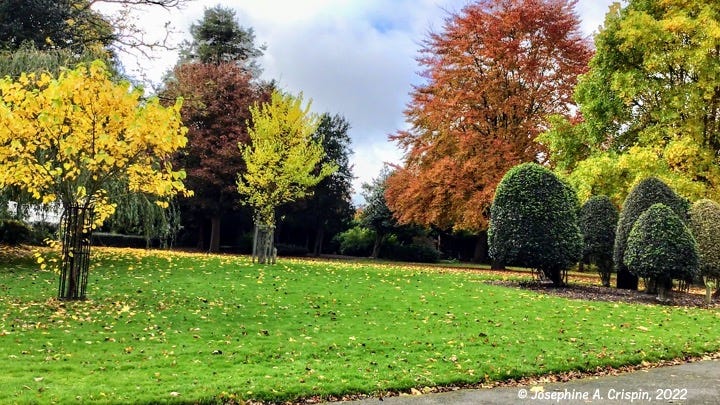
Autumn is well under way. This is quite evident in places with four seasons where trees — except for the evergreens — are busy preparing themselves to ride out the coming harsh cold of winter.
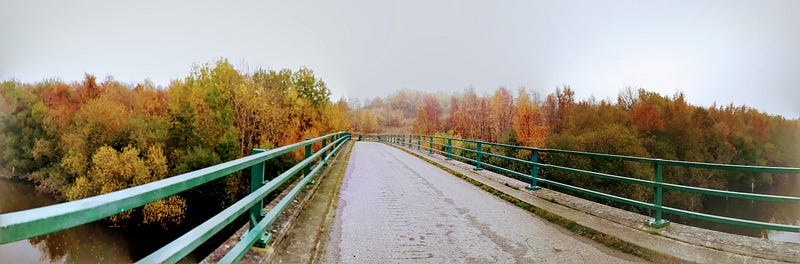
The stunning colours of the leaves, from yellow to brown, from deep orange to red and magenta, produce dramatic sceneries that take one’s breath away.
I, for one, adore the colours of autumn despite the creeping chill of the imminent winter. It is one spectacular show afforded to us by nature, amongst many.
But, have we ever paid attention to the reason why the colours of the leaves change in autumn?
Sure, it’s getting colder.
Winter is coming.
Trees would be leafless.
Trees would look dead — but not really dead — and wait out for spring by looking very dead.
Preparing for survival; energy-conservation mode
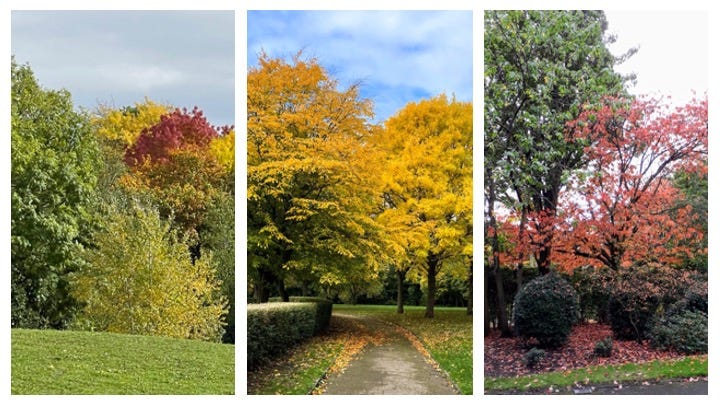
The colours we see on leaves in autumn are actually already in the leaves.
These beautiful colours are hidden by the overwhelming presence of chlorophyll, that pigment present in all plants that helps convert sunlight into food energy.
This conversion is made possible with water and nutrients from the soil. They are essential to trees so they can live and grow.
When it starts to get cold especially at nighttime, chlorophyll starts to break down. The leaves then start to turn their colour, from gorgeous green.
Hormones, notably auxin, within trees also start to change in autumn. As days become shorter and temperatures get cooler, the production of auxin decreases in the leaves. This causes the leaves to break away from the tree.
A weak whiff of wind can blow away the leaves. A leaf can also fall from its own weight, even without the wind.
Witnessing the shedding of leaves, whether or not it’s a windy autumn day, is fascinating. It’s like watching snow fall.
Only, it isn’t snowflakes that ride the feeble puff of air. They would even drop on the spot where we stand, with inert indecision.
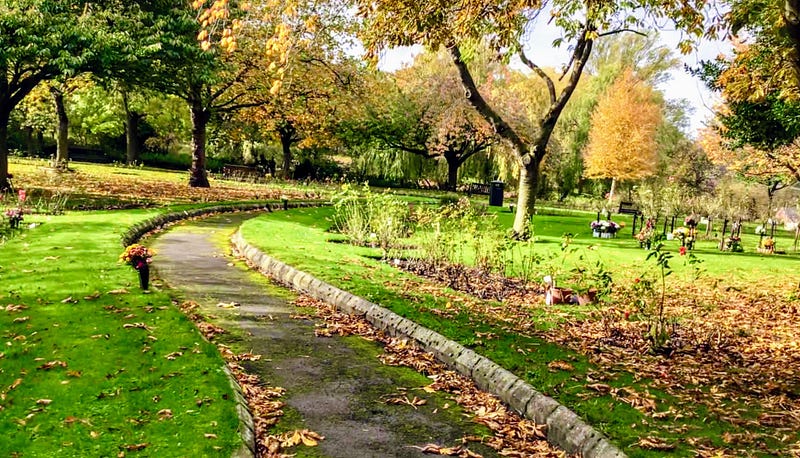
They are the leaves bereft of chlorophyll shedding off trees, dropping all over the place.
The shedding of leaves in autumn is part of how deciduous trees prepare themselves to survive the winter.
Without the leaves, the tree is able to retain moisture in its trunk and branches.
It therefore needs less energy to stay alive. The fallen leaves, meanwhile, help to add nutrients to the soil.
Dormant, but not necessarily inactive
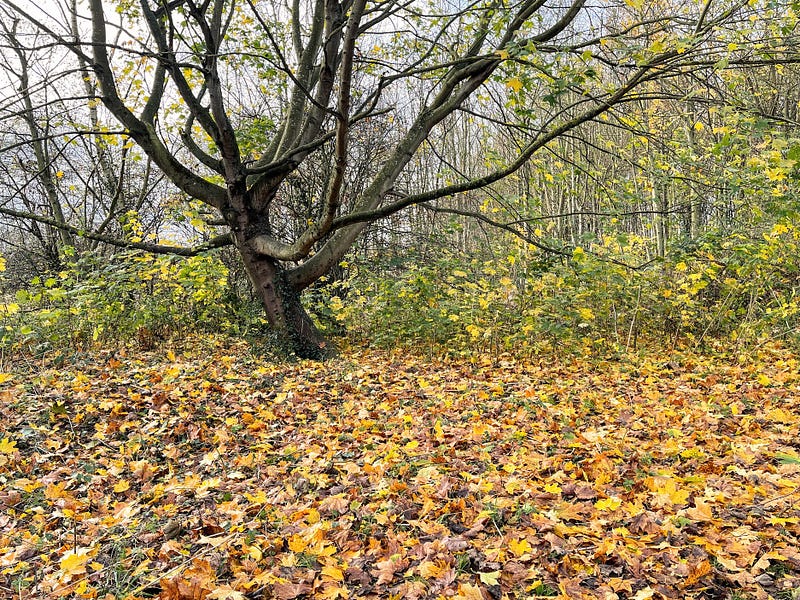
Like humans in which sleep plays a critical role in our health and well-being, the same can also be said for trees when they are dormant, i.e. no foliage, no leaves, just bare limbs.
Just as sleep gives our body the opportunity to repair and rejuvenate, the same is true for trees.
From the ground up, trees may look without juice, without life, but they are not dead.
They are active underneath. They use their energy for growth, for expanding their root systems. This is in preparation for the growing season.
A more extensive root system, which gives greater access to water and nutrients, is an advantage for the trees when they are ready to add leaves.
Nature is amazing as shown by trees: how they prepare in autumn to withstand and stay alive during the cold, cold season, and how to literally come up the ground in spring, strong, healthy, and with a more expansive root system.
Let’s then appreciate more what goes on behind the dramatic display of colours by the trees.
Recommended readings:
Check Barb Dalton’s article and be enchanted with the fabulous autumn photos she shares.
If you need to laugh heartily just once today, check this piece by Srini.
Many thanks to Dr. Preeti Singh and Yana Bostongirl and of course, Sahil Patel and Reciprocal for hosting many of the stories I write for Medium. I cannot thank you enough.
References:
- Why do leaves change colour in autumn
- Leaves
- Why do leaves change colour and fall off in autumn
- Fall Has Arrived! Interesting Facts About Trees During the Fall
- Why do we sleep anyway

LinkedIn | WordPress | Twitter | Facebook | Instagram | Amazon Author’s Page| pinoypub.ph