
How Discovering Narcissist Abuse Broke Me and Made Me Stronger
Through emotional trauma and painful realizations, I found this message: victims are precious humans.
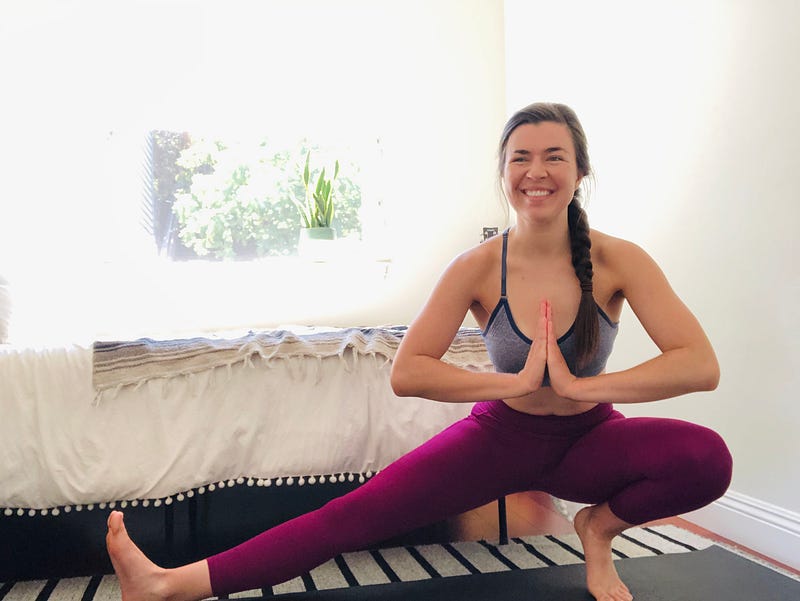
Headphones in my ears, I pressed to play “The Wizard of Oz and Other Narcissists” by Eleanor Payson on Audible. I sat on my bedroom floor with a notebook on my desk. I felt heavy and emotionally raw.
My therapist suspected I was a victim of narcissist abuse and suggested the book. Despite past therapy, I never realized how dysfunctional my childhood environment was, and the discoveries were getting worse.
When I got to the section, “Are you in a relationship with a narcissist?” I jerked upright to take notes. “Does the relationship drain your energy?” “Do you frequently feel hurt or annoyed that you do not get your turn?” “Is the interest and quality of attention they give much less than what you give?”
The past 20 something years flashed through my mind as I continued to listen and take notes. The light bulbs in my mind were lighting up. Two close family members do not experience empathy or see me as a separate person. These are one-sided relationships, and they always will be.
These are one-sided relationships, and they always will be.
Wait; what? Aren’t narcissists just stuck up people? What does this mean? It’s hard for anyone to understand the heart-wrenching, overwhelming, confusing, soul-destroying damage without direct experience.
Seven months into my healing journey, I am ready to share so that you might feel less alone, more connected, and hopeful. Being a victim of narcissist abuse has some silver linings that are stunningly bright.
Being a victim of narcissist abuse has some silver linings that are stunningly bright.
Discovering Narcissist Abuse
Discovering the ongoing abuse from my childhood felt unreal. My family members don’t see me as a separate person? What does that mean? They did their best, right? Maybe I’m wrong, and they don’t have this narcissist thing. God, I hope not.
We want so badly to be wrong. Because if we’re right, and our loved ones have the disorder, we have to start mourning because they will never be the fathers, mothers, brothers, sisters, partners, or friends we need them to be.
No amount of open communication, heartfelt words, or active listening will lead to a healthy, two-way relationship.
My heart was breaking.
My heart was breaking. I had spent decades subconsciously struggling to please them, to earn their affection and approval, and to make them happy. Oh, that’s why I feel astonishingly in tune with everyone’s emotions.
Like many others, I grew up believing something was wrong with me because they never accepted me, validated my emotions, or took a real interest in my passions and hobbies. I compensated by working harder, being more in tune with their feelings, and diving into self-help books.
More than hoping if we’re wrong, we wonder: Am I crazy? But he does so many nice things. Other people seem to love her. Maybe I’m just a terrible person. This reaction is entirely normal. Narcissists are expert manipulators, and they know which buttons to push to make you doubt yourself.
Healing from Narcissist Abuse
I wasn’t wrong. I discovered that one family member has covert narcissism while the other has overt narcissism through more in-depth research. Coverts are less obvious, more humble, and seemingly kind. Overt narcissists are simpler to spot once you know a few of the patterns.
We have to trust our emotions and intuition above all else.
Most people won’t discover the abuse unless a therapist or mental health professional recognizes the behavior patterns and validates us.
We have to trust our emotions and intuition above all else. You and your therapist may be the only ones to see it at first. That’s all you need.
Beneath their kind words or actions, something feels off.
Beneath their kind words or actions, something feels off. You feel disconnected, put down, or wrong somehow. Was it always like this?
When we discover narcissist abuse, we tend to be at our lowest, feeling depleted of our self-esteem, self-worth, and self-trust. The horrible exploitive abuse chips away at our esteem and intuition. We feel so small.
You get curious and suspicious of other people in your life, other family members, past partners, friends, or coworkers. Am I a narcissist magnet? How do they get away with this? Why does everyone seem to love them?
You never anticipated you would feel so much pain, so lost and let down. Why me? Why are they hurting me? I must be pathetic and clueless, an easy target.
Seeing the Silver Lining
Then I heard a message that I latched onto and held tightly for comfort: The abusers chose you because you are an energy source, and they see you as valuable.
The abusers chose you because you are an energy source, and they see you as valuable.
There are silver linings, and they are beautiful. Debbie Mirza, author of “The Covert Passive Aggressive Narcissist,” describes victims as highly energetic, empathetic, intelligent, strong, loving, intuitive, and passionate people. They targeted us because we have so much to offer.
They targeted us because we have so much to offer.
You have something so special, and this horrendous experience makes us even more empathetic, aware, intelligent, passionate, and determined humans. We have newfound wisdom and clarity that we would not have had otherwise.
Because of this journey, I feel so aware and connected with myself. My intuition feels increasingly sturdy as I make healthy decisions about relationships, work, and creative projects. I feel a sense of freedom, aliveness, and beauty that I thought was impossible. There is light on the other side.
Key Takeaways
I made a promise to myself: I will protect my inner child from emotional abuse. I remind myself often as I work to sort through feelings and traumas and to continue setting healthy boundaries.
Here’s what I learned about surviving the first few months and healing from the narcissist abuse:
- Healing does not happen organically: We have to take consistent action in the right direction to heal. That looks like finding a trauma therapist, reading books on narcissism, connecting with a support group, journaling, somatic healing, setting new boundaries, taking time for yourself, etc.
- Own your healing journey: It’s easy to get lost in the chaos and overwhelm of these discoveries. You’ll sometimes see narcissist abuse described as “soul rape.” Your abuser will not help you, and they will not change. You have to do what’s best for you at all costs.
- Do not pour your feelings out to the abuser: We hope that they’ll understand. We assume there’s no way they could know that they’re causing so much pain. We want to help them empathize. Don’t waste your time. They will continue to manipulate and hurt you.
- We need both intellectual insight and emotional healing: For someone who enjoys being logical, I would much rather skip the part where you feel into the pain. I am not a procrastinator, but I procrastinate when it comes to emotional healing. We need both to move forward.
- Take all the time and space you need: Narcissist abuse causes significant internal damage that few will understand. The abuse crushes our self-worth, self-trust, and often enjoyment of life. Let yourself cry, embrace stillness, take long walks, and slowly reconnect with things you enjoy.
Yes, wonderful fellow human, it will suck for a long time, but with small steps in the right direction, you will heal. The damage is not permanent, and you are much stronger than you realize.
Closing Thoughts
You are not crazy. You are beautiful, insightful, intelligent, giving, and a bright spirit. In the mixed words of Debbie Mirza and Lara Novack, an abuse survivor turned life coach:
- What would life feel like if you knew you were capable of supporting yourself?
- How would it feel to believe you are a great person thoroughly?
- What would it feel like to know that you are truly good at what you do?
- How would it feel to know that you will always have more than enough money?
- What would it be like to know that you can handle anything that comes your way?
- What would life be like if you knew there was nothing wrong with you and so much right with you? (I needed this one.)
- Feeling healed and whole, what would you do, be, or have?
With such strong faith in myself, I can cope with the fear of criticism, and I have been able to pour into my creative projects: writing and making music.
If you’re starting or already on the healing journey, I encourage you to take the right next step. Commit yourself to make little, consistent progress towards freedom and wholeness.
You can trust your feelings above what anyone else tells you. Your body is sage, and you are a blessing to the world.
Thank you for reading! If you aren’t already a Medium member, join with my referral link — Alice Crady. A portion of your fee goes to writers you read. Subscribe to my account if you’d enjoy regular inspiration and empowerment along your self-actualization journey.
More on abuse recovery:


