
How Can You Overcome Genes, Environment, and Culture to Get or Stay Sober?
When everyone around you abuses alcohol, it seems normal
As my friend Kris regaled me with stories of her extended family, I commented, “Wow, a lot of people in your family are alcoholics.” She said, “Yes. We have the addiction gene. That’s why I’ve never had anything to drink.”
I didn’t know there was an addiction gene, but since alcoholism seems to run in families that made sense.
As I did some research, I found that several genes are implicated in alcoholism, otherwise known as alcohol abuse or alcohol dependence. Two alcohol metabolism genes, ADH1B and ALDH2, have the strongest known affects on risk for alcoholism.
Genetics account for 50–60% of alcoholism, or, to use the term many clinicians prefer, alcohol use disorders (AUD). Environmental factors, and how genes interact with the environment, are responsible for much of the remaining AUD risk.
So people born into families with AUD are hit with a double whammy: they’re genetically predisposed to addiction and their families model alcohol abuse.
One of the reasons I chose not to drink was that I felt I might get addicted (read that story here). Genetic alcoholism didn’t run in my family, though. The only alcoholic branch of our large family tree grew from an uncle who married into the family.
I don’t remember the uncle and brood of cousins mingling with the rest of the family. My mom visited with her sister separately.
Like many people with AUD, that uncle died early. My aunt blossomed after his death. The first year of her widowhood, she showed up at the family Thanksgiving Day dinner hosted by my Uncle Jack.
Uncle Jack, who’d also married into the family, did his share of drinking and had a well-stocked bar. He seemed to have kept his drinking under control, though. But he pressured Aunt Mary into joining him in a drink.
My normally soft-spoken mother expressed her disapproval when Uncle Jim handed Aunt Mary a Singapore Sling. “Jack!” Mom hissed. “Mary’s trying to stay on the wagon and get her life together!”
I didn’t understand the impact of Uncle Jim’s action at the time. Reflecting on this incident many years later, I wish the non-drinkers (almost everyone there) had circled Aunt Mary’s wagon and protected her as much as possible. Maybe by proactively instructing Uncle Jim to keep the alcohol out of sight and out of bounds, or, at least, shaming him for asking Aunt Mary what she wanted to drink.
The world is a hard enough place to navigate without your family passively or actively dragging you down. And Aunt Mary had already had her share of being dragged down by family.
It’s not just family and friends that entice people to drink. The culture at large is also pro-alcohol.
Most of my friends don’t drink much, if at all, so I tend to underestimate how prevalent drinking is. But every now and then, I run into a reminder.
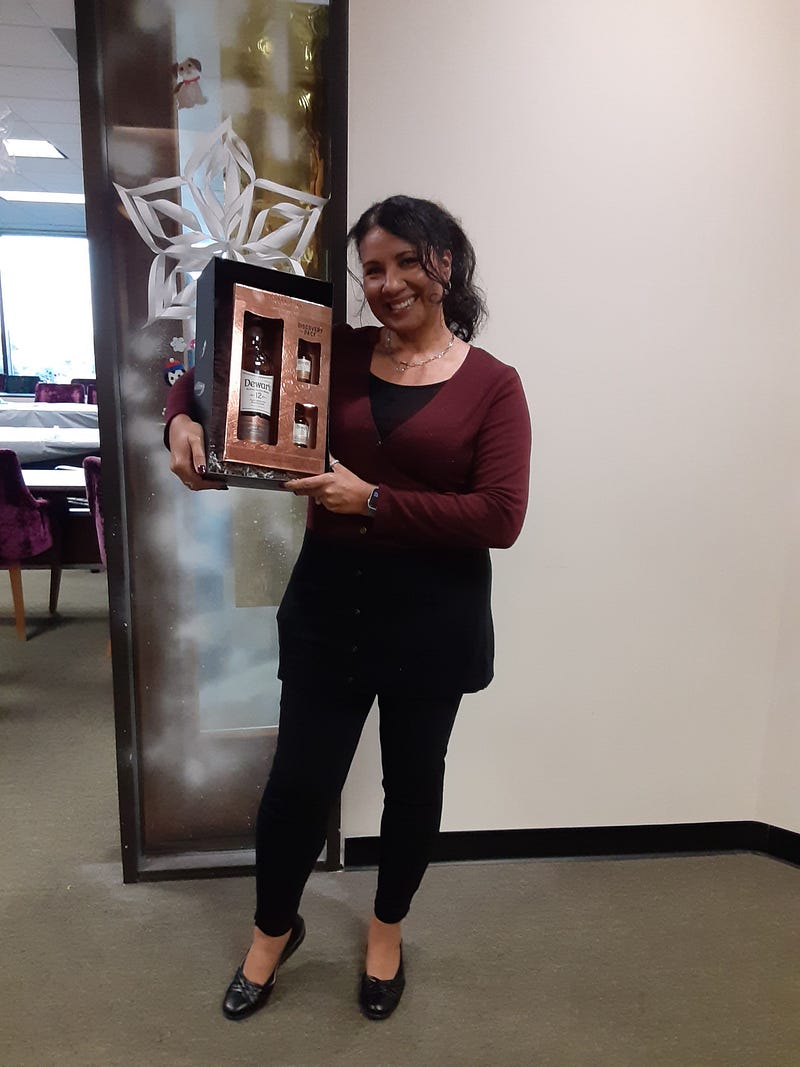
For instance, I went to a white elephant gift exchange at work last year. About 30 people participated, many of them Muslims. Because Islam prohibits drinking alcohol, I assumed a liquor gift set would be an unpopular item.
I assumed wrong.
That liquor set was stolen at least a dozen times. The final owner chose the liquor set from among all the other gifts.
The winner said she didn’t drink herself but decided to claim the liquor set after consulting with her husband.
So how can you use this information to get and stay sober?
Ideally, if you’re genetically predisposed to alcohol use disorders, you’ll adopt my friend Kris’ tactic: don’t use alcohol in the first place.
But I can make that recommendation from a position of privilege. I come from a non-drinking family with no genetic predisposition to abusing alcohol, and people around me don’t drink to excess.
If you have to fight internal and external pressures to drink multiple times a day, my heart goes out to you.
Genes, environment, and culture all conspire to get and keep people addicted to alcohol. It’s a tough battle to get and stay sober.
If you’ve already developed alcohol use disorders, you’ll have to concentrate on subtracting and adding. First, you subtract alcohol from your life. That may mean you also subtract people.
If your friends know you have a drinking problem and encourage you to join them in a drink, they’re not your friends. Real friends want what’s best for you.
You may have to cut some family members out of your life, too, at least temporarily.
Now you need to add to your life. Find new friends who will support you in staying sober. You can make connections at Alcoholics Anonymous meetings and church.
Add new interests. Add a job. And probably therapy.
Quitting drinking isn’t enough. You’ve got to change your entire lifestyle, behaviors, and thought life. Otherwise you’ll be a dry drunk — someone who’s stopped drinking but still deals with problems in unhealthy ways.
It’s a lot of work, and it may seem overwhelming. Please let me know your thoughts in the comments.
Godspeed!


