
Dry January is My Normal State of Affairs
After getting drunk a few times in college, I decided to quit
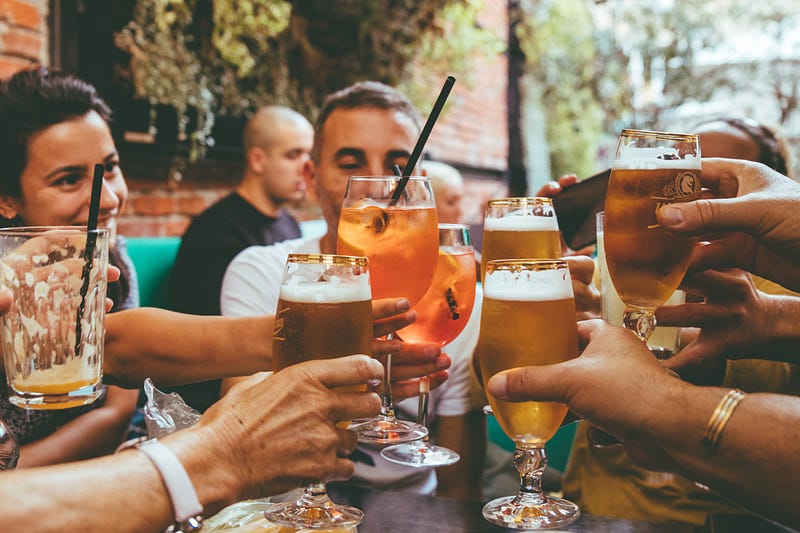
If you drink responsibly, that’s great, but I didn’t drink responsibly. When I started drinking in college at parties, I didn’t stop at one or two celebratory drinks.
When I drank, I got drunk, and I didn’t like the process or how I felt the morning after.
It didn’t take long before I realized that drinking to fit in wasn’t worth it. So, instead of trying to impress people I wouldn’t remember a few days later, I decided to stop using a substance that was nothing but trouble for me.
Another part of the reason I decided to ditch drinking had to do with Christianity. After becoming a Christian in college, I considered the Bible’s stance on alcohol.
Alcohol, usually in the form of wine, is a gift God meant for people to use and enjoy. After all, Jesus’ first recorded miracle was turning water into wine.
I heard Michelle Duggar of 19 Kids and Counting reality TV fame claim that Jesus turned the water into grape juice. But the context doesn’t support that interpretation.
In 1 Timothy 5:23, Paul issues another endorsement of alcohol. He admonishes his protege Timothy, “Stop drinking only water, and use a little wine because of your stomach and your frequent illnesses” (New International Version). But notice that Paul advocates using a LITTLE wine for medicinal purposes.
The problem is that many people don’t stop at using and enjoying a little wine. Like me, they abuse alcohol. (Abuse means “away from use.”)
Abusing alcohol is where the Bible draws the line.
The most famous anti-drunkenness verse is from Ephesians 5:18: “Do not get drunk with wine, for that is wickedness (corruption, stupidity), but be filled with the [Holy] Spirit and constantly guided by Him” (Amplified Bible).
Proverbs 23:31–32 also cautions about getting mesmerized by wine: “Do not gaze at wine when it is red, when it sparkles in the cup, when it goes down smoothly! In the end it bites like a snake and poisons like a viper.” (New International Version)
Another Bible verse that sped up my decision to stop drinking was 1 Corinthians 10:31: “So, whether you eat or drink, or whatever you do, do all to the glory of God” (English Standard Version).
I love to eat and regularly over-indulge, so I haven’t lived up to the eating part of that verse. I couldn’t stop eating entirely, but I could stop drinking. As for doing everything for the glory of God, that’s a lifelong process. But I knew the way I drank to get drunk wasn’t giving God glory.
When I first adopted my alcohol ban in college, avoiding alcohol felt strange. If someone offered me a drink, I politely declined. Afraid that I or my host would feel awkward, I avoided announcing that I didn’t drink at all.
These days, I’m more comfortable in my own skin and I don’t feel out of place when I’m around people who are drinking. In fact, I’m sometimes more valuable because I can be a designated driver.
If someone offers me a glass of wine or another alcoholic beverage, I smile and say, “No thanks, I don’t drink alcohol.”
I’m not judging anyone; I’m just making a statement. After all these years, being a teetotaler is part of the package of who I am.
Authenticity is worth celebrating with a cup of cheer. In my case, that cup of cheer will be non-alcoholic.


