
MONOPOLY FUCKING BLOWS
How Board Games Teach Our Children
A family game night is really just a lesson for your kids on the harsh realities of modern life
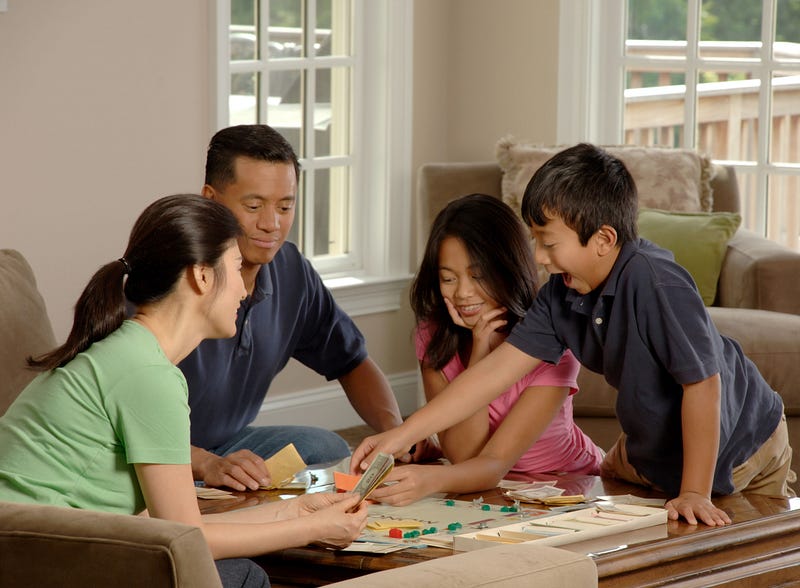
With winter and the holiday season approaching, maybe you’ll soon be opening that spare cupboard at the back of the kitchen and dusting off your old classic board games.
It’s a great way to spend an evening, rather than vegging out in front of TV or actually engaging in conversation with one another. You’re sure to have a lot of laughs, some wholesome bonding, and of course, a whole lot of learning.
Because really, that’s what board games are all about. Hasbro et al are just tools of our education system.
So get them off those video games and mobile phones, especially at Christmas, and force them to sit down and get a schooling from adults, in more way than one.
But before you reach in to that cupboard and pick a game out, consider what the specific games are actually teaching:
- Trivial Pursuit — You aren’t as smart as you think you are.
- Snakes and ladders — No matter how hard you work to climb, there’s always someone/thing waiting to send you right back down again.
- Mouse Trap — Your best laid plans will often fail.
- Jenga — Being patient is pointless, but winning means you don’t have to clean up.
- Scrabble — Words don’t matter, quantity always beats quality.
- Hungry Hungry Hippos — Aggression beats precision, sharing is for losers.
- Operation — Some things aren’t worth trying, some men are better off dead.
- Guess Who? — Boiling people down to stereotypes is essential.
- Twister — These positions will come in handy one day, so practice with your gran now and you’ll be thankful later.
- Noughts and Crosses/Tic-Tac-Toe — Whoever starts first usually wins.
- Chess — Most people in life are expendable.
- Cluedo — There are lots of ways to kill people.
- Subbuteo — Your imagination isn’t as good as you think it is.
- Pictionary — Don’t rely on your partner, they’ll always let you down.
- Monopoly — Capitalism will crush your dreams. There are no winners in life, only losers and someone with all the money. The banker always wins, and their questionable wealth should be expected. Jail time is a good way to avoid property tax. There is no such thing as skill, only luck. If you’re wealthy, you’ll earn money for nothing, if you’re poor you have to watch everyone else have fun. Beauty counts for less than a random inheritance. Railways are important. The racecar is the best piece. Always buy the orange properties. Extorting your friends and family is fun, who needs them anyway?
- 52-card pick up — Your brother is an asshole.
I can’t think of any more right now, and I know they weren’t all board games. Leave me alone.
If you aren’t yet a Medium Member click here to join and read unlimited stories by me and other writers. You’ll also be supporting me as I’ll get a little slice of your membership fee each month, which is nice. Otherwise, check out these other stories below. Cheers!


