avatarPedro B. Gorman

Free AI web copilot to create summaries, insights and extended knowledge, download it at here

2392

Abstract

</i></b></p></blockquote><h1 id="3b63">How did Wei Li’s son miss all this?</h1><p id="118f">Granted that schools feel the need to protect children from all the ‘negatives’ of using technology.</p><figure id="65fd"><img src="https://cdn-images-1.readmedium.com/v2/resize:fit:800/0*cOJCTtBSVMbeNcz_"><figcaption>Photo by <a href="https://unsplash.com/@guilhermestecanella?utm_source=medium&amp;utm_medium=referral">Guilherme Stecanella</a> on <a href="https://unsplash.com?utm_source=medium&amp;utm_medium=referral">Unsplash</a></figcaption></figure><p id="f71a">The consequences of technology in school can range from over stimulation to delay in child development.</p><p id="394a">Unfortunately, it’s a double-edged sword.</p><p id="08e9">And like many, there are reservations with children using technology. Especially with social media bullying.</p><p id="db34">But what if a school could embrace technology to bring lessons to life.</p><p id="13f3">Acton Academy runs a children’s business fair (CBF) once a year. They held this year’s fair on Facebook — A virtual business space.</p><figure id="dd50"><img src="https://cdn-images-1.readmedium.com/v2/resize:fit:800/1*9NyRnEJTqM0mZ6_xpyOojQ.jpeg"><figcaption>Photo courtesy of Acton Academy</figcaption></figure><p id="6239">Children set up their FB business page and learn to sell their food or products online.</p><p id="65f8">The sale took place for a day, and children worked together with the support of guides and parents.</p><p id="a5bd">In their closing debrief, children shared the following:</p><p id="2578">“The physical CBF I feel was harder because I had to make all of the books beforehand, and if I ran out of my products, then I would have to make more if someone requested it. The virtual one I didn’t need to make any books beforehand because I can make them when they order some”, said Jasmine, nine years old.</p><p id="103b">“We need to know the product, price, bundle, delivery information well before the fair. Being online is good because we have time to find out things we don’t know — we asked parents and google”, explained by Ee Nie, 14 years old & Khye Gene, ten years old.</p><p id="8230">“As I gave free pick-up as an option, I will need to sift through orders and contact the buyers individually by this week,” said Jared, eight years old.</p><p id="c51f">I was in awe.</p><figure id="dd7c"><img src="ht

Options

tps://cdn-images-1.readmedium.com/v2/resize:fit:800/0*0Eo3T1m2lAggphbR"><figcaption>Photo by <a href="https://unsplash.com/@benwhitephotography?utm_source=medium&amp;utm_medium=referral">Ben White</a> on <a href="https://unsplash.com?utm_source=medium&amp;utm_medium=referral">Unsplash</a></figcaption></figure><p id="b9ce">Is Jared only eight years old? It felt as if a marketing manager was writing up his sales report!</p><p id="05a2">Jasmine’s reflections on the business project was relevant and precious to this century. No textbooks or teacher’s lectures could have given her that firsthand experience.</p><p id="22dc">And technology made it possible.</p><p id="b402">Are we then shortchanging our children if we leave technology out of school?</p><p id="75c6">My friend, Wei Li, could have a meaningful time with her son instead of nagging him to complete his homework.</p><p id="bba4">And all it takes is courage to trust our children.</p><p id="580e">Schools which embrace technology are preparing students for their next journey in life. And technology will be part of that life, whether we like it or not.</p><p id="e778">Maybe it’s time to err on the side of technology today instead of caution. Trust and allow children to manage technology themselves.</p><p id="14c6"><b><i>For those who are interested about Acton Academy, Malaysia:</i></b></p><p id="d98d"><i>Acton Academy is an innovative learner-driven school, established in 2016. They help 4 to 18 years-old students discover and grow their unique strengths — because the world needs them.</i></p><p id="d56e"><i>Acton Academy uses the latest technology in a self-paced learning environment designed to foster responsibility, goal-setting, and teamwork.</i></p><div id="250c" class="link-block"> <a href="https://readmedium.com/about-me-ching-ching-5cdb65776a41"> <div> <div> <h2>About Me— Ching Ching</h2> <div><h3>Once lost, found again. I love my conversations with my friends. I write and paint. I spend time with children to see…</h3></div> <div><p>medium.com</p></div> </div> <div> <div style="background-image: url(https://miro.readmedium.com/v2/resize:fit:320/1*jTrPOJYqZjQC4iWWV9Mtgw.jpeg)"></div> </div> </div> </a> </div></article></body>

How Being Diagnosed with ADHD Helped Me

Micro-epiphanies: kernels of thought that float your mind
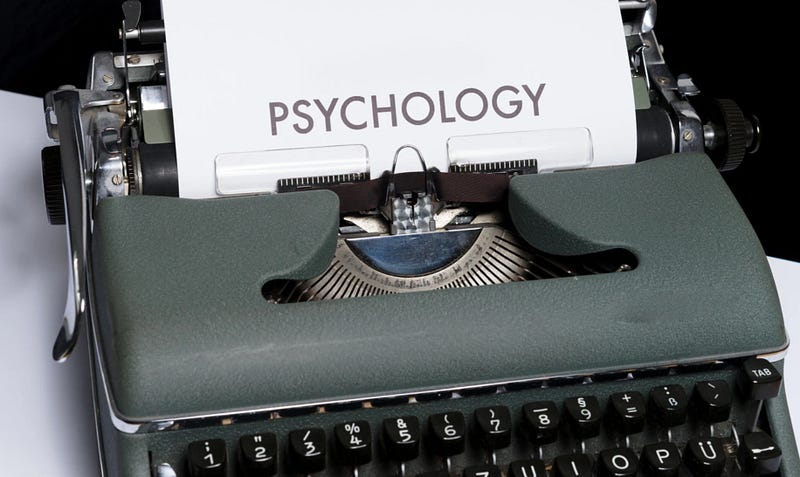
Photo by Markus Winkler on Unsplash

The first time I heard the word “dyslexic,” was in conversation with my parents after they returned from a meeting at my school. I think I was about twelve.

It came from my father’s mouth and sounded like an insult, but felt like a compliment — I thought he had said “you’re decalectric.” Well, if electricity was good, then so was my being decalectric, I initially thought. I might have smiled, I can’t recall; but my innocence would soon be yet another bruised fruit.

That “accusation,” and the conversation after it, were the first moments when the notion of being “less than” first set in. Not that my father was trying to humiliate or berate me. He was merely a clumsy man. But it stuck, nonetheless. As if confirming what I already knew — I was an other.

It appears adults were right: I did have a “problem,” but I wouldn’t know its name as applicable to me, until as recently as a couple of years ago: Attention Deficit and Hyperactivity Disorder. I learned that I qualified after my therapist asked me some focused questions, to conclude that I exhibited all the symptoms, satisfied all the criteria, and then some.

What the ADHD diagnosis did for me was, it opened the doors to self compassion. What I thought was me being inadequate, less capable or broken from the outset had a name — there were reasons for it.

All the decades of misguided anger and accrued guilt over forgotten keys, lost wallets, misplaced papers, missed appointments, failed connection, projects started and left hanging, the ill reading of social cues… all this started to lift. I got to forgive myself at last; said sorry for myself for having been my fiercest, most unfair critic.

Most importantly, I learned to stop blaming my parents. Parenting notions weren’t in the 1970s what they are now — whether for better or worse is another debate altogether — and there was much in science which hadn’t been studied, knowledge not yet communicated.

In the role of children, we forget that raising a kid into a pleasant, functional, discerning adult is just an insane notion, whatever the decade — in fact, I find it so terrifying, that I have never wanted children because of the probability of inducing trauma in a growing being, no matter how hard one tries not to.

But I digress, and this is supposed to be a micro-epiphany.

So, speak to your physicians, get “tested” for ADHD. Go read up about it: Gabór Maté’sScattered Minds” will tell it to you eloquently, plainly, and from the horse’s mouth.

Even if you don’t have it, be compassionate with those who do. And if you do have it, you’ll be surprised at how widespread and “normal” it actually is, and how a whole number of aspects of your life and decisions will be seen in new light. You will see yourself in a new light. You will see others in a new light.

NB: Here is an essay where I go into more detail about the causal relationship between attunement rituals and ADHD

©Pedro B. Gorman 4.6.2021

Adhd
Psychology
Life Lessons
Self-awareness
Self
Recommended from ReadMedium