
How Anyone Can Learn 10X Faster (And Why You Should)
Oftentimes We Read Articles Or Books, But In A Matter Of Days, Forget Everything Learned. Learning Faster Saves Time While Being Just As Effective.
Introduction
Jim Kwik is an expert in speed-reading, memory improvement and brain performance. He teaches millions of people how to do all of these things with his podcast and courses.
He says to learn anything faster, there is an acronym to remember: FAST
F — Forget
A — Active
S — State
T — Teach
Why We Should Learn To Learn Faster
I’m a pretty slow learner. I take a long time to digest new concepts, and then learn to implement them.
Here’s why I think learning faster is valuable:
- Increases efficiency while maintaining effectiveness
- Gives A competitive edge (more knowledge in less time)
Think of any skill you would love to learn, and try to apply these tips to that skill.
Forget
This seems counter-intuitive. Why forget things when we intend to learn them faster?
Well, there are 3 main things to forget to learn faster.
Forget What You Already Know
An open mind is crucial to learning faster.
Before learning a skill, we all have preconceived notions about it. This makes us resistant to learning new things.
As Jim Kwik says,
Your mind is like a parachute — it only works when it’s open.
Accept that there are tons of things you don’t know.
Forget Unimportant Things
Basically, don’t multitask.
Studies show that roughly 2.5% of people can multitask effectively. For the vast majority of us, multitasking significantly decreases productivity, and makes us more prone to errors.
When learning a new skill, being present and entirely focused is essential. Information needs to be thoroughly understood for it to be learnt faster.
Forget Your Limitations
Negative beliefs about yourself might be all that stand between you and a new skill.
Let’s say you would love to learn to play the guitar.
Telling yourself, “I’m not musically inclined” or “I’m not a music person” is deterring you from learning in the first place. It’s like fighting a battle against yourself.
Anything is possible. Believing in yourself is the first step.
Active

Passive learning is where one would listen to a lecture, or watch someone else, without practising. In this case, the brain is far less engaged, so learning faster is difficult.
Learning is not a spectator sport.
Active learning would include things like:
- Taking notes
- Practising concepts learnt
- Asking questions
Look at babies and young children. They can learn to speak, read and write a new language proficiently in a few years. Such a feat would usually take adults much longer.
There are plenty of scientific reasons as to why this occurs, but one simple explanation is that children practise more.
They put what they learn to use, and ask plenty of questions. Unlike adults, they have no concept of failure. They’re bolder and practise more active learning, so they learn faster.
State
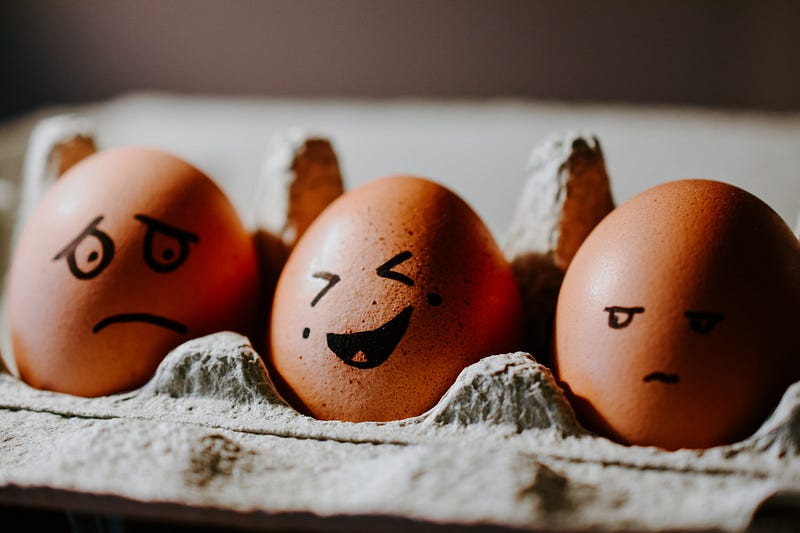
This is basically how you feel while you are learning. Are you excited or bored, tired or energetic?
According to Jim Kwik,
Information + Emotion = Long Term Memory
If we are energised while learning new things, we are far more likely to remember that memory.
Here are a few simple ways to feel more energised:
- Sit up straight and smile
- Think about how what you are learning will benefit you
- Be curious about what you are learning
Remember, you are in control of your state.
Teach
Quoting Jim Kwik,
If you had to give a presentation on what you’re learning today, you would learn it differently. You would pay closer attention. You would take more detailed notes. You would ask better questions.
Teaching draws attention to detail. It’s like learning something twice.
You don’t even need someone else to teach something to. Just teach it to yourself, and try to explain everything. If you can’t explain something well, go back and revise it.
Once you can teach it, you’ve likely learnt it well.
Conclusion
Anyone can learn faster.
Remember the acronym, FAST, and try implementing it for any skill you want to learn.
I hope you found this article insightful. Thanks for reading!
👉Subscribe here 👈, I publish interesting articles every week!


