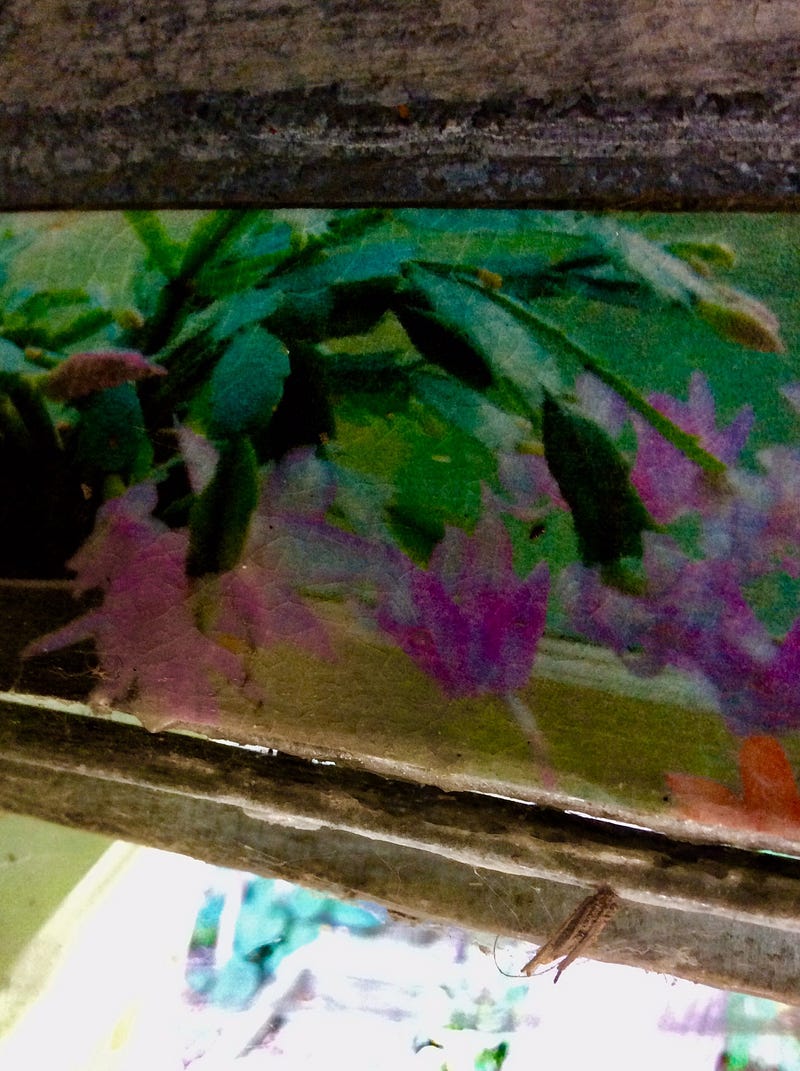
RECIPROCAL NATURE PROMPT
House Plants Are A Joy During Our Long Winter
Looking around at the indoor garden this October day
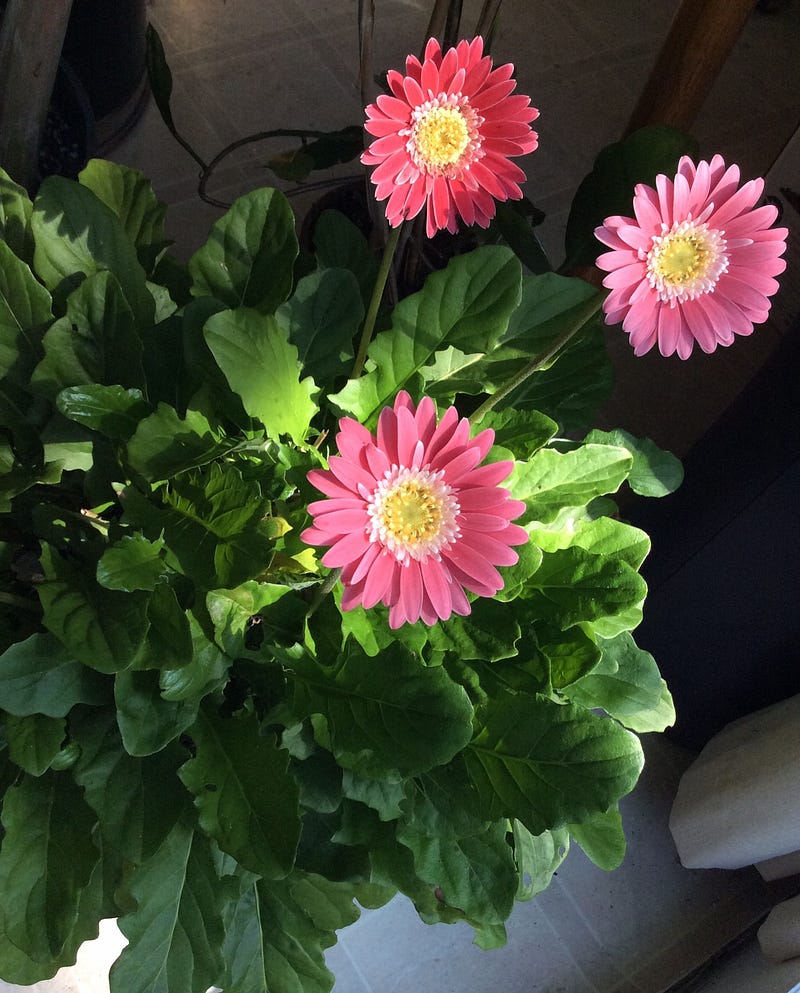
As much as I love the outdoors and gardening under the sun, I’ve always brought nature inside to live with me.
As a young boy I always tried to turn my living space into a terrarium. I used all sorts of containers, fishtanks and plants, moss and ferns, snakes and turtles, guinea pigs, fish and seahorses, ant colonies and brine shrimp. My mom usually had more of a problem with the snakes and the other creepy crawlies than she had with the plants.
I keep more of the outside, outside, now.
Some plants still have to come inside. House plants bring a balance between indoors and out. They bring just enough of nature inside and bring joy and comfort to a home’s interior.
The weather has been getting colder here with nights near freezing.
For the last couple weeks we have been bringing some plants indoors for the winter. On those houseplants that were lucky enough to spend the summer out on the deck, it’s important to watch closely for pests. Most can be washed off with a water spray.
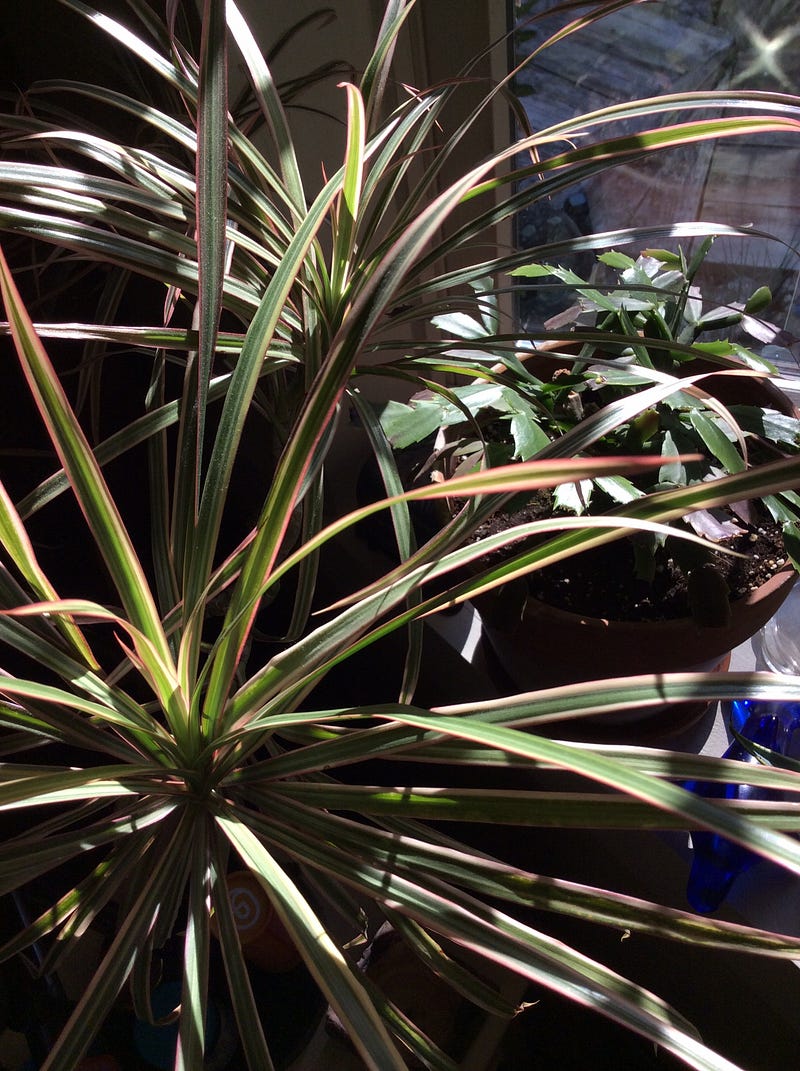
Those left permanently inside are following and reaching for that light shining through the windows. Our yellow sun, that lifegiving star.
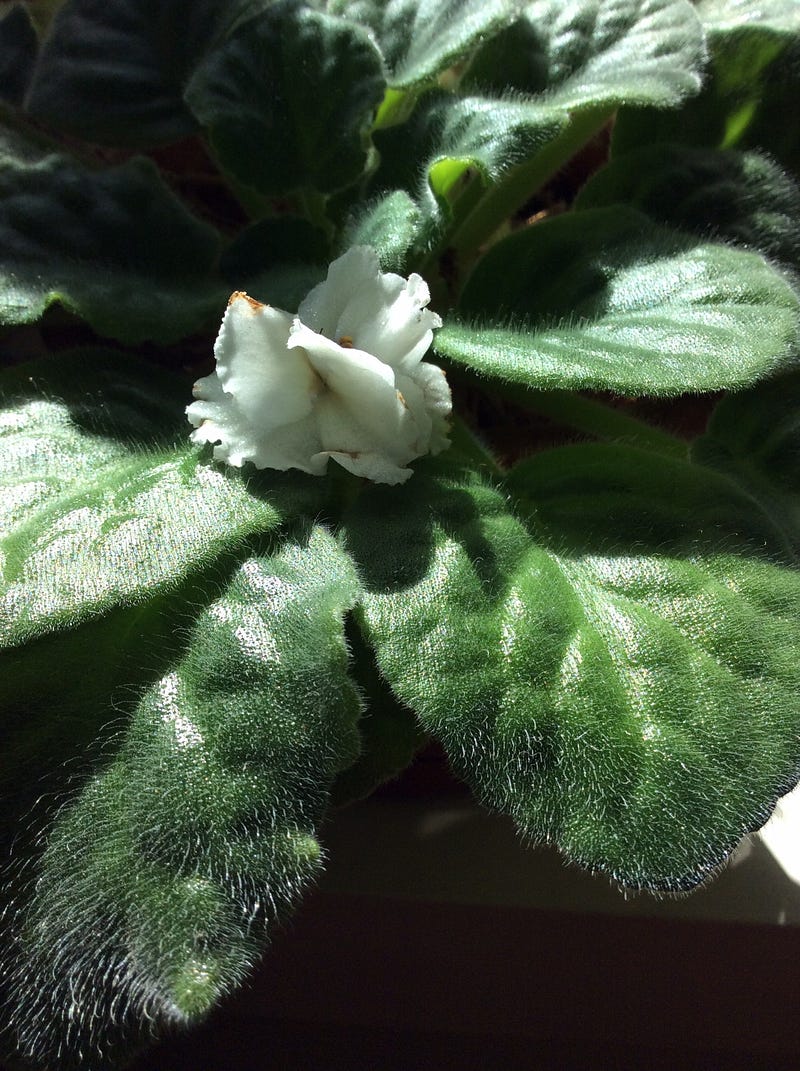
Those fuzzy leaves are as soft as a bunny’s ear.
African violets are native to Tanzania and may live fifty years or more, blooming much of the time.
They do become a friendly face we enjoy seeing when we step into the room.
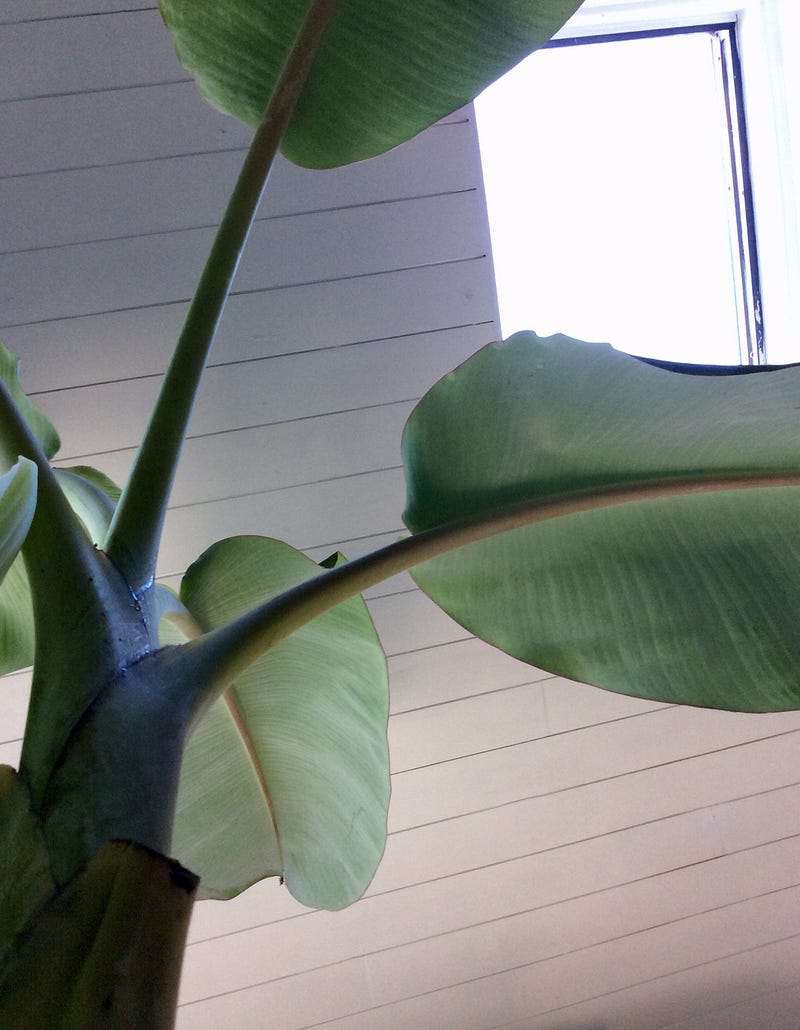
We have a canopy of banana leaves reaching for the skylights in the kitchen.
They sure do drip a bit of water from the edges of those huge green leaves. It is most noticeable when the banana plant is brought into the house in the autumn. It is a natural process called guttation that helps the banana tree maintain a balance of water and nutrients.
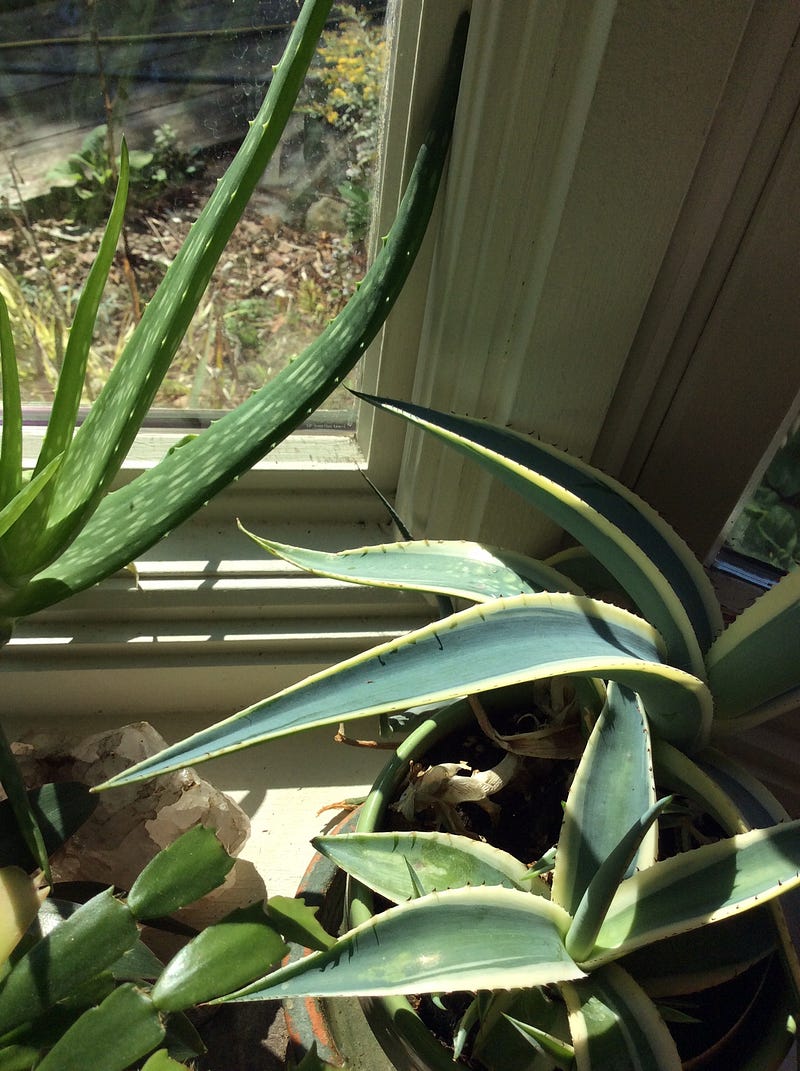
The houseplants looking outside at the garden know that they will be comfortable through the long winter.
Their friends outdoors will soon be buried in snow.
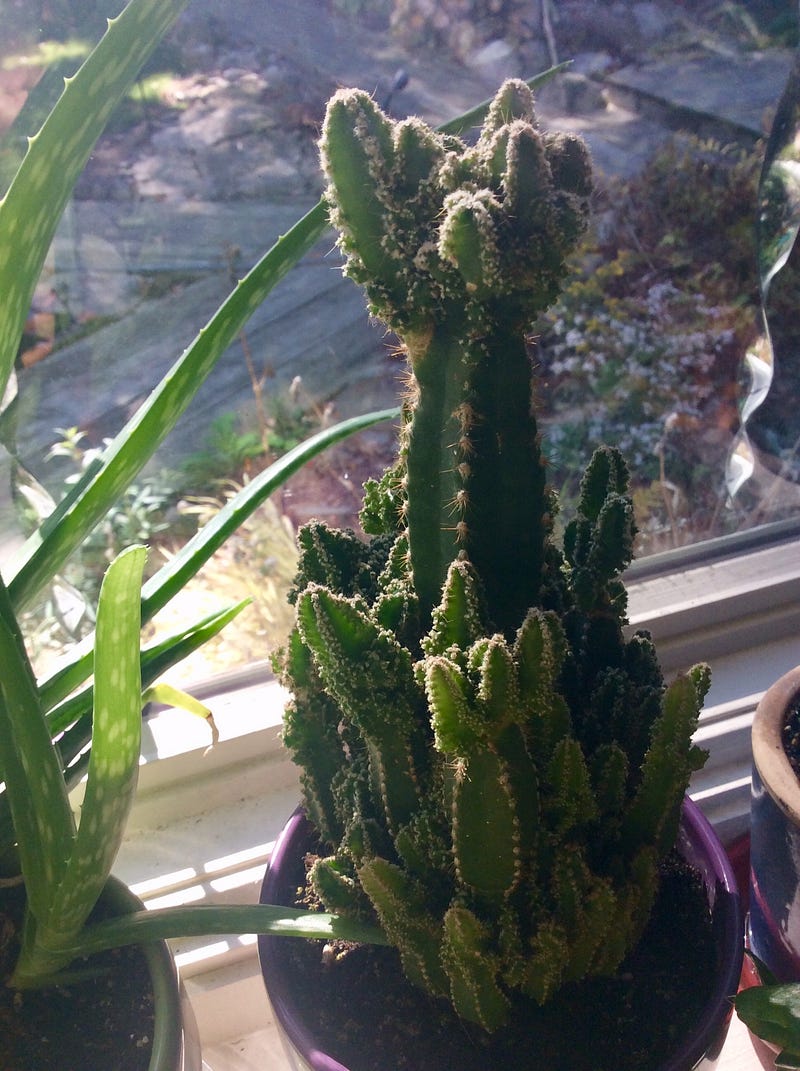
The Fairy castle cactus is an easily grown plant that never stops building additions onto the castle’s turrets.
This cactus was given as a gift many years ago. Its magestic spires were covered in hot glued bright yellow strawflowers. When they were carefully removed the cactus thrived.
Most of these houseplants will live, if not thrive, with the minimum of effort.
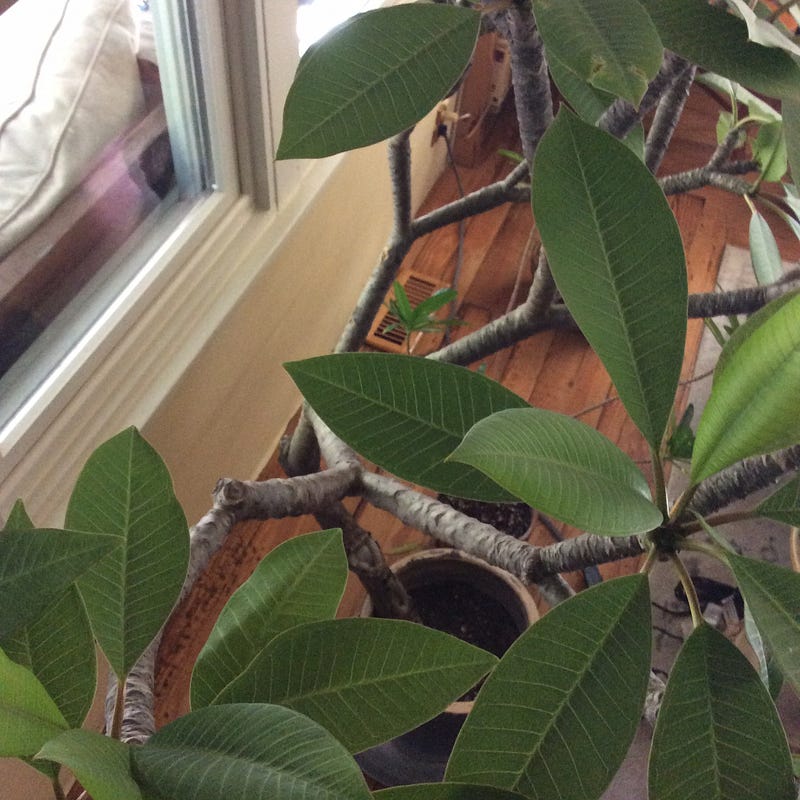
Plumaria is a small tree native to central and south America and spread throughout the tropical world in the ornamental plant trade.
This small twenty year old tree was rooted from a small branch cutting of a tree grown in Hawaii. It is one of the lucky ones who move to the deck for the summer. It is very carefree and often flowers profusely with fragrant white and yellow flowers.
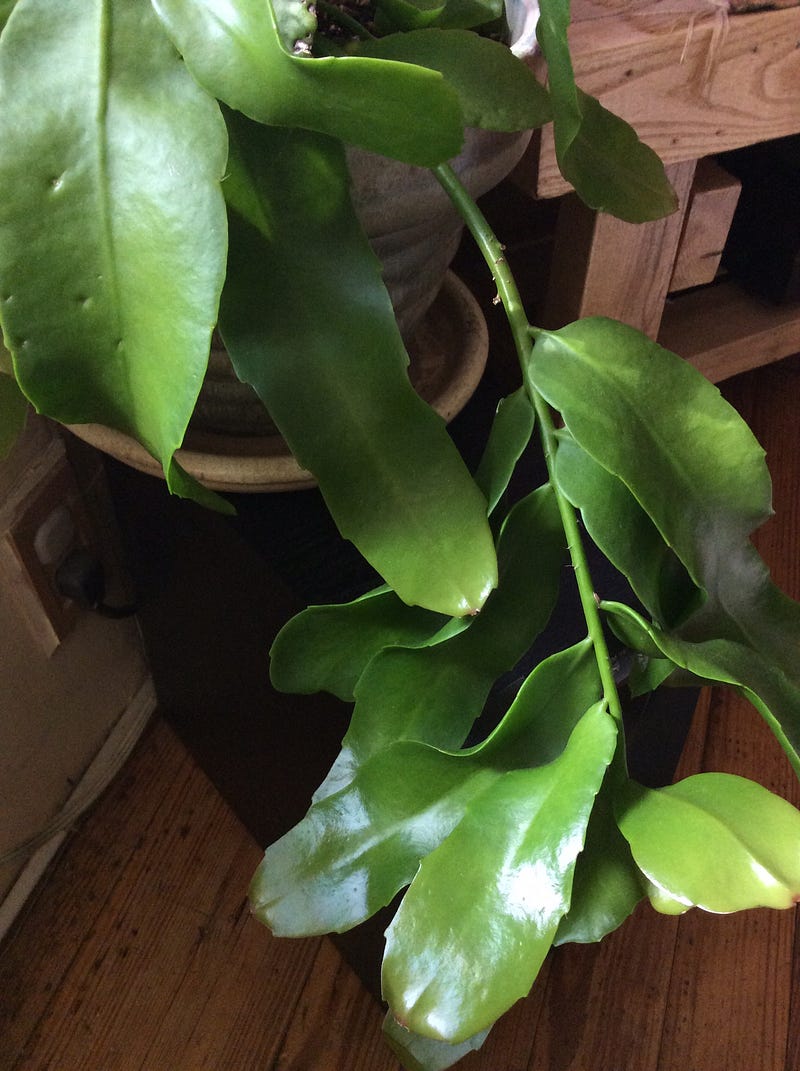
There are no flowers for now, yet this cactus is full of long flowing leaf like fronds.
These night blooming cacti flowers only last a few hours. But when it does flower it is quite a sight and fragrant. It is another easily grown and very long lived specimen.
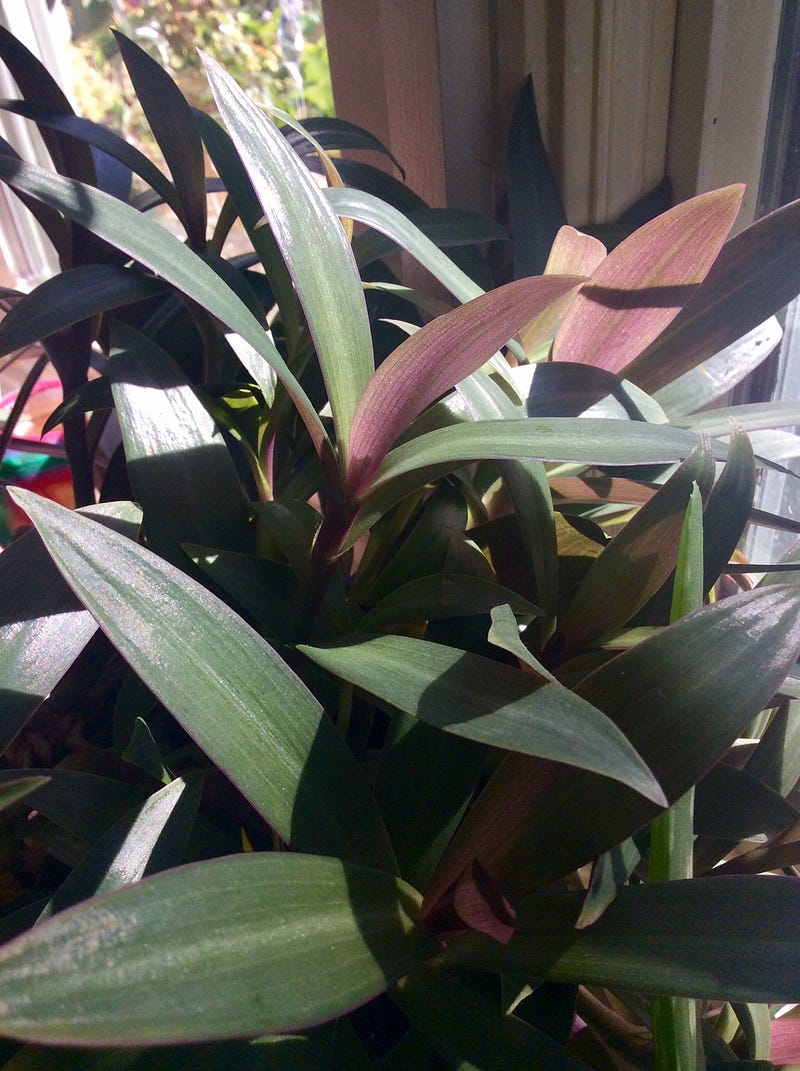
The Boatlily is considered invasive in Florida. It is native to Belize, Guatemala and Mexico. On the windowsill, further north we
enjoy the sunlight filtered red on the underside of its leaves.
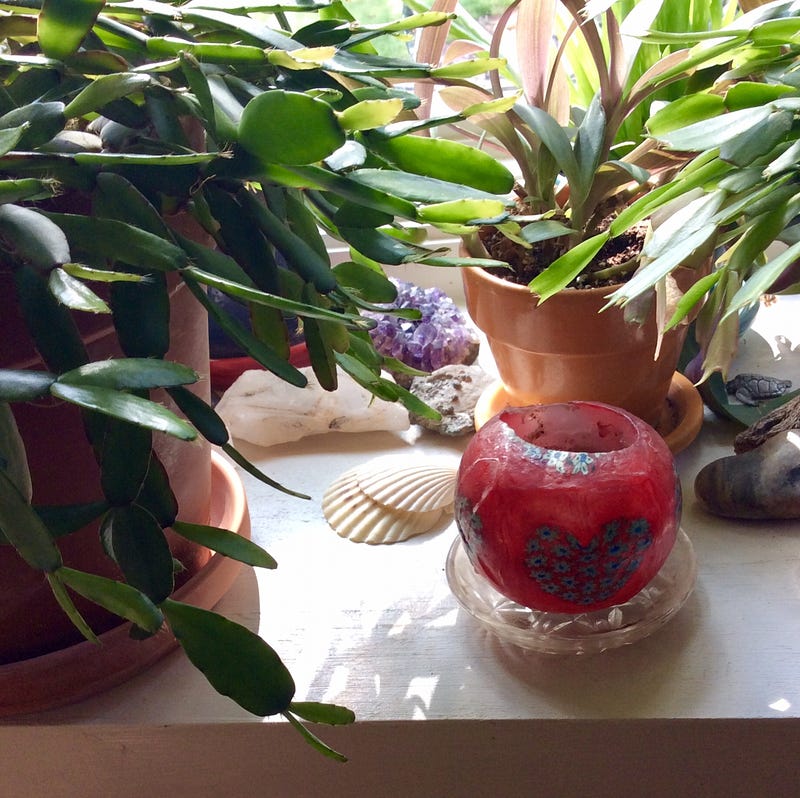
Change happens at a slower pace here on the windowsill.
Most of these plants have been slowly growing here with benign neglect for decades. Along with their fellow inhabitants, they watch the seasons pass outside the window.
Always following the sun.
Thank you for joining me in visiting some of my longest living and friendliest houseplants.
Written in response to Dr. Preeti Singh and her plea to whisper to your plants and they will reward you back. They will.
Information for those who would like to participate in this prompt or one like it is included…
and please read Dr. Fatima Imam and her song to houseplants…
and Charlotte Kingsbury- Fink and her wake up to beauty…