
Hong Kong English/Cantonese (IV)
Food and Onomatopoeia
How can food items become onomatopoeic words? (Still wondering)
What food on Earth would an Ultraman like in a supermarket/market?
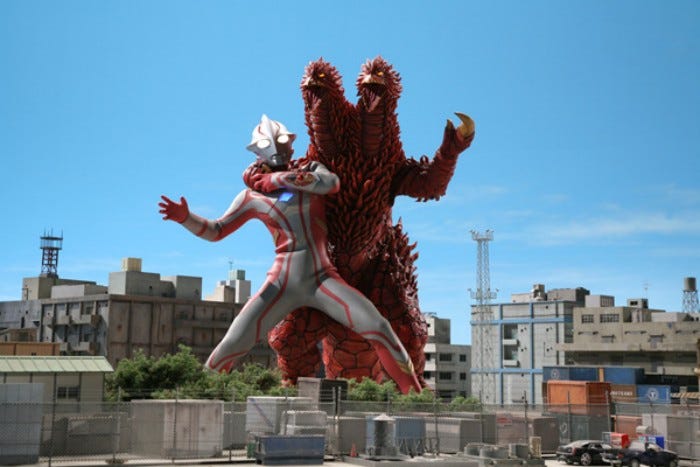
This has long been a joke amongst Hong Kong kids. When you ask this question, the kids may go bananas, the ones who have been sprouted would laugh.
There are two answers: bananas and bean sprouts.
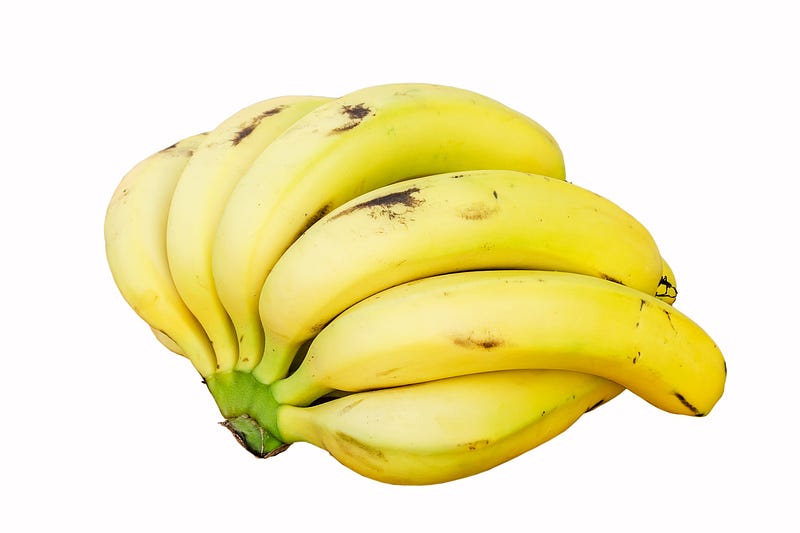
蕉 (banana, Jyutping: ziu1) is linked to the sound of the Ultra Beams.
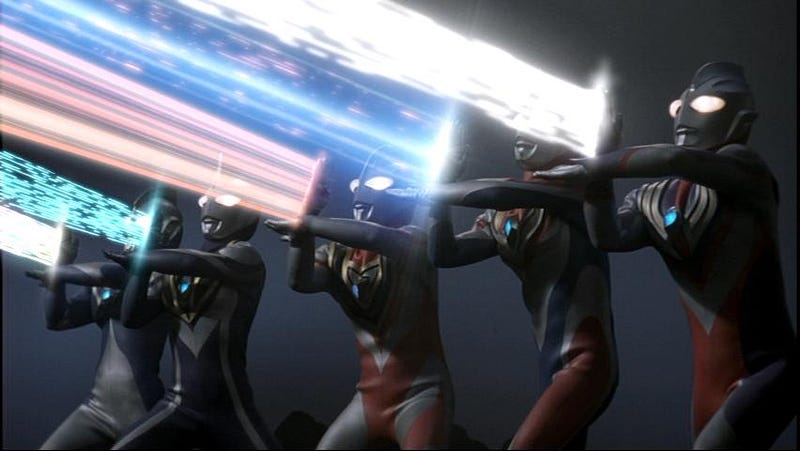
When the kids play as an Ultraman, they will start saying “蕉蕉蕉蕉蕉 ” with the action of the arm cross (as an Ultraman does), depicting the power of the beam.
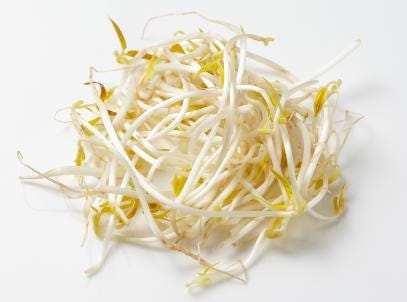
Bean sprouts (豆芽, Jyutping: dau6 ngaa4; or 芽菜, Jyutping: ngaa4 coi3) is related to the sound of the explosions. However, the Chinese names written just now are not the sounds of the explosions.
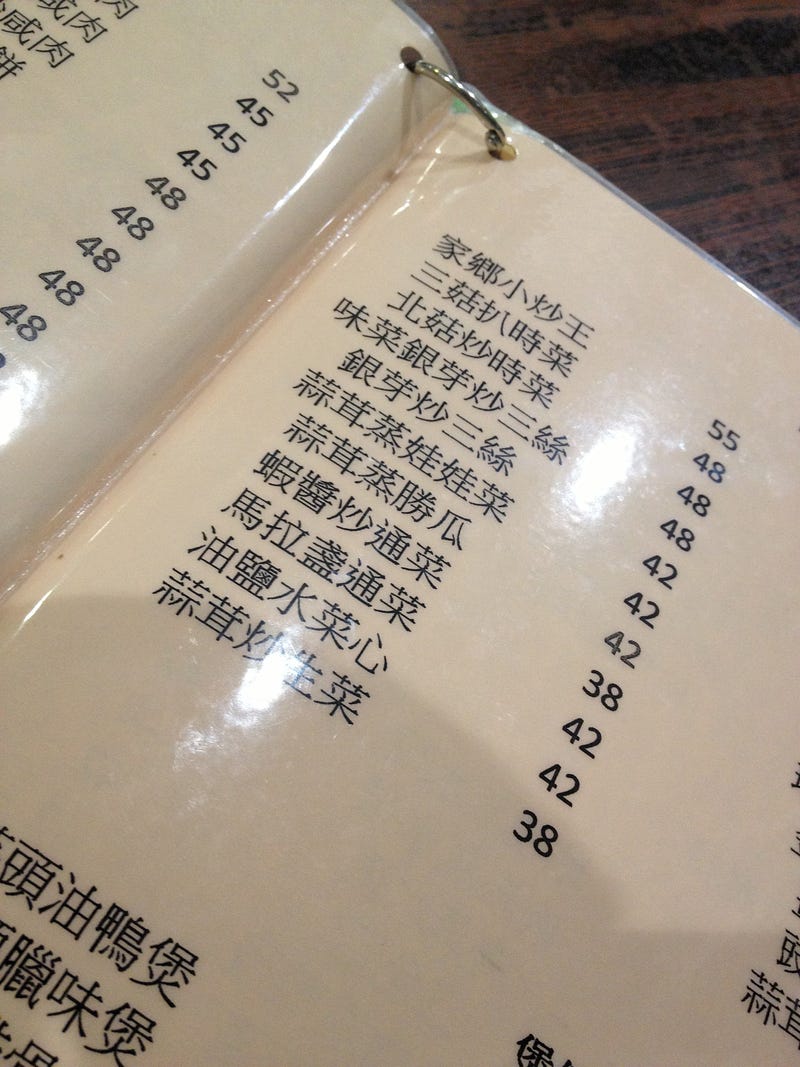
The name of bean sprouts on restaurant menus is. That name is 銀芽 (Jyutping: ngan4 ngaa4; or “‘lazy’ pronunciation”: an4 aa4).
Growing up with two elder sisters, I did not have much time to watch any superhero-like cartoons. Instead, I grew up watching more girly cartoons such as Sailor Moon. I had to play with my sisters with their role-playing games as any of the family member or any kinds of person in the neighbourhood. And I didn’t have much time to play with the boys in the neighbourhood.
Therefore, when I went to the playground and bumped into some male classmates of mine, I kept wondering why they would love to scream 蕉蕉蕉 and 銀芽 when playing games. I knew these were the “sounds” in the Ultraman series only when I was in Primary 1 or 2. It was when Ultraman Tiga (超人迪加, Jyutping: ciu1 jan4 dik6 gaa1) became a hit.
But then I have another question: Why must it be these words as onomatoepia?
Until now, I don’t have an answer yet.