
Honestly Useful Tips for the Vegan-Curious
And no, you probably won’t miss eating meat.
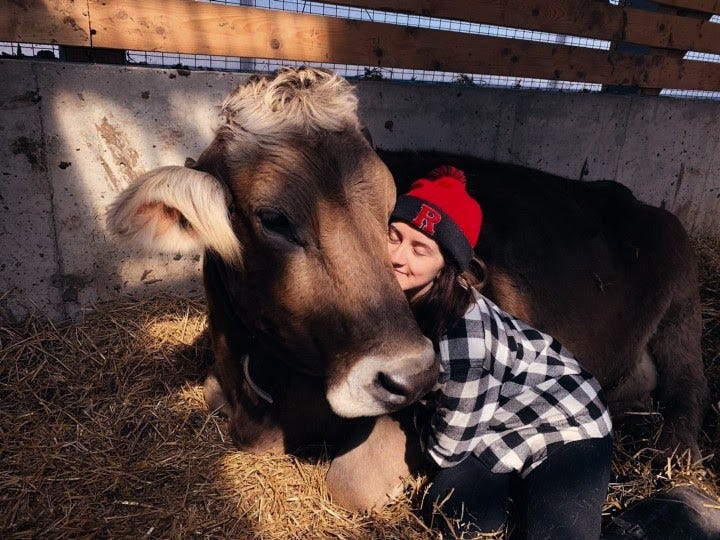
Hey there, future vegan! ✌️
I started my ethical food journey about five years back when a friend of mine went vegan. I was blissfully ignorant and blatantly clueless about what veganism is actually about, so she was my teacher.
I was filled with fear of premature aging, malnourishment, and most potently—dying of protein deficiency. Looking back, I never imagined I would be a die-hard vegan and animal rights activist, religiously living by a lifestyle I wholeheartedly believe in.
A Long Time Veg Head
I was a vegetarian for three years before I went vegan because I didn’t have adequate knowledge about the dairy and egg industry. Most importantly, I lacked the moral integrity to align my actions with the character I subscribed to for myself.
I’m here to tell you that if you’re thinking the same thing, you are not alone. I’ve been there, through the ups and downs. Once you go vegan, you will only regret that you didn’t do it sooner.
If I could give you any advice at all regarding living vegan, I’d say: Be the change you wish to see in the world, practice what you preach, and live with genuine purpose.
If you’re vegan-curious, it can help you sustain the lifestyle if you do it with the intention and knowledge behind why people choose to be vegan. I’m going to focus on food in this article because otherwise it might turn into a 20-minute read and ain’t nobody got time for that. But, this is truly made with LOVE.
Some people may be telling you to be cautious about your protein, calcium, iron, etc.
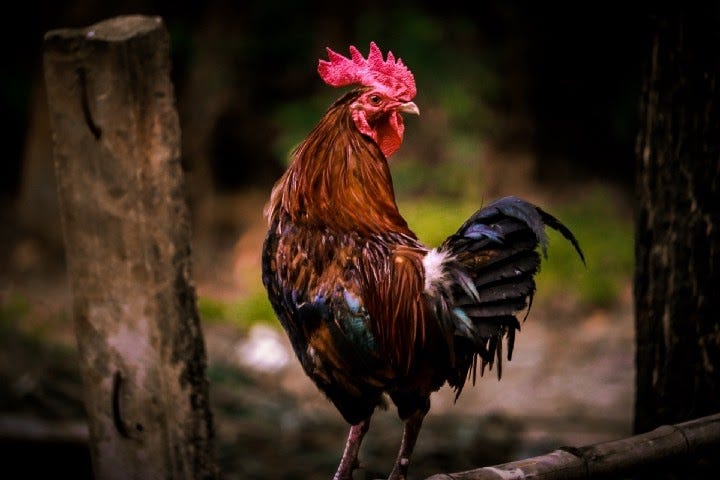
Or maybe you’re being coerced by loved ones with the absurdity that “animals are here for us” and “plants have feelings…” That’s B.S. When you learn the truth behind the animal agriculture industry, you realize that most of us have been brainwashed from birth. A lot of people get offended when I use that term, but it’s very accurate! We have been taught that it’s acceptable to love some animals and eat others. Stop and think about it and you will realize how strange and hypocritical that is!
Must-watch documentaries: Most are free of charge and found on various streaming platforms.
- Cowspiracy (This one made me try veganism initially!)
- Dominion
- What the Health
- Forks Over Knives
- Game Changers
- Earthlings
- Fat, Sick, and Nearly Dead
- Food, Inc.
And finally, Okja, which is not a documentary, but a powerful fantasy movie that movingly highlights many of the relevant issues and makes for a great watch!
Learn + Process the Truth
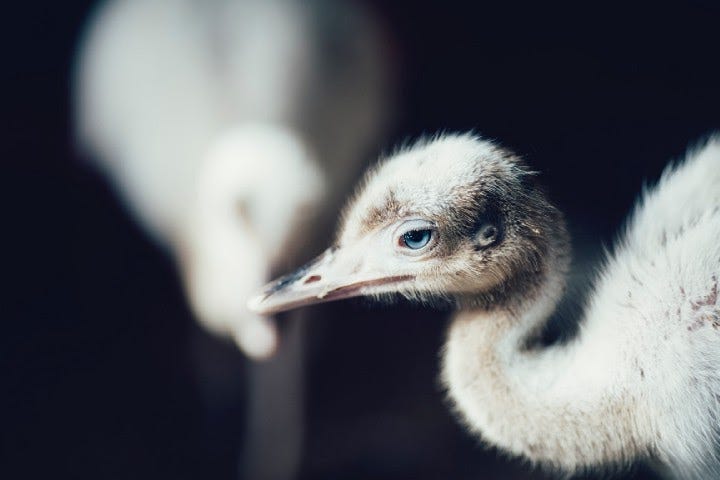
Some of these docs have their share of graphic footage, but many do not. Take your time to process what you see because the devastating truth of the cruelty behind our food is one of the hardest pills I’ve ever had to swallow.
Some footage is seriously disturbing, and once you see it, it’s not easy to forget. That’s the reason we watch it. Sometimes it’s difficult to learn new things but that doesn’t mean we should avoid it.
This is especially true when there is a victim involved and their destiny has to do with our choices as individuals. The majority of us have been born into a society that has made it normal to kill and eat the living, breathing, sentient beings that are no different from our companion animals.
But Meat Tastes Good
But why? Because of taste. I want you to know that I NEVER sacrifice taste as a vegan. Just today I had a vegan “tuna” sandwich, and the best bowl of vegan mac and cheese you could want for a lazy dinner. And it was simply scrumptious. I like to call myself a vegan chef. :)
I know, it might be overwhelming. Animal products make their way into everything! Becoming a conscious consumer takes practice at first, and don’t beat yourself up if you make a mistake. Just be aware and try your best.
So, where will you get your protein from?
Plant sources of protein
- Legumes: Chickpeas, white beans, cannellini beans, black beans, kidney beans, edamame, lentils, mung beans
- Veggies: Brussels sprouts, alfalfa sprouts, artichokes, spinach, mustard greens, sweet corn, broccoli, arugula, collard greens, watercress, asparagus, peas
- Nuts and seeds: Peanuts, hemp seeds, almonds, sunflower seeds, sesame, pistachios, pumpkin seeds, flaxseed, cashews, chia seeds, walnuts, brazil nuts
Plant sources of calcium
- Tofu, tempeh
- Fortified soy, almond, or oat milk (more calcium than cow milk) or fortified orange juice
- Collards, kale, broccoli, cauliflower, brussels sprouts, chia seeds, tahini, okra, almonds, almond butter, cabbage, sesame seeds, brown/white bread
- Grains like amaranth and teff
- Seaweed
- Fruit like dried figs, blackberries, raspberries, black currants
Plant sources of iron
Lentils, chickpeas, beans, tofu, cashews, chia seeds, kale, dried apricots and figs, raisins, quinoa, fortified breakfast cereal, brown rice, oatmeal, leafy greens, broccoli
B-12
B-12 is considered a vitamin, but it is actually a bacteria that is added to animals. It does not occur naturally. Surprisingly, most people are B-12-deficient, even those who eat meat.
It is advised that vegans take a B-12 supplement, although it can be easily found in fortified non-dairy milks and cereals as well as some soils that grow produce, not to mention that it’s found in nutritional yeast (which serves as a fantastic cheese substitute to dishes).
Dairy Alternatives
Milk (get your milks fortified with B-12 if possible)
- Soy milk has 8–9 grams of protein per serving, which is the same as dairy milk.
- Oat milk is the closest tasting alternative to whole milk. It’s also the most sustainable type of milk to grow because it is not a water-intensive crop. Fun Fact: Dairy farmers who are going bankrupt are switching to oat farming because it is so in demand and for good reason!
- Rice milk
- Hemp milk
- Almond milk
- Coconut milk
- Flax milk
- Sesame milk
- Cashew milk
- Macadamia milk
- Quinoa milk
Cheese
- Miyokos
- VioLife
- Kite Hill (their ricotta cheese is superb)
- Follow Your Heart
- Chao
- Go Veggie (get the vegan one)
- So Delicious
Ice Cream:
- So Delicious Dairy-Free (I’m not exaggerating when I say we have five of these in our freezer at a time—they go on sale for less than $3 and we stock up!)
- Ben and Jerry’s Dairy-free
- Halo Top Dairy-free
- Magnum Dairy-free
- Haagen-Dazs Dairy-free
- Vegan ReddiWip, Non-Dairy Whipped Cream (I recently used on my pancakes), Vegan CoolWhip, etc.
Yogurt
- So Delicious (live probiotics)
- Forager (live probiotics) (literally the best yogurt in the world)
- Kite Hill (live probiotics)
- Silk (live probiotics)
- Almond Dream
There are so many brands of non-dairy/vegan yogurt. These are just a few that I enjoy getting you started.
All vegan options for these products with the above brands, plus more!
Butter
Creamer
- Silk
- So Delicious, Natural Bliss
- Califa Farms
- Ripple Foods
Eggnog
Cream cheese
Salad dressing
Mayo
- Just Mayo—the best! (they have low sodium version)
- Hellman’s vegan mayo
- Follow Your Heart Vegenaise
Eggs
- Just Egg
- Follow Your Heart vegan egg
- Bob’s red mill egg replacer (for baking)
- Flax egg (for baking). Just add 1 tbsp flaxseed with 2 tbsp water and put aside for 5 minutes to coagulate and become a great binder. It’s my personal favorite—add black salt to scrambled tofu for sulfur taste
Mock meats
- Gardein
- Lightlife
- Field Roast
- Morning Star (check to make sure it’s vegan, as some of their products aren’t)
- Beyond Meat
- Impossible Meat
- Tofurky
- Boca Burger (check to make sure it’s vegan, as some of their products aren’t)
These brands offer deli slices, sausage, chicken nuggets, fish sticks, crab cakes, bacon, chopped meat, chicken patty, meatballs, wings, popcorn chicken, hot dogs, and more.
Reminder: You do not need to give up anything. Just make it vegan! Literally, anything can be made vegan, even steak.
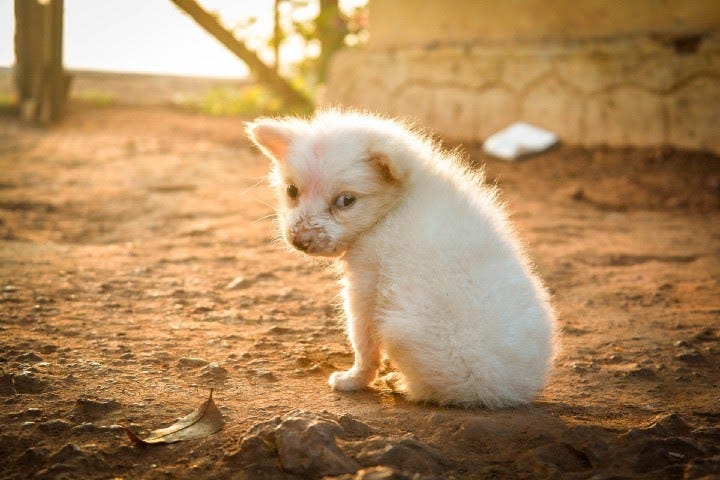
It has never been easier to go vegan than it is in 2020. Do it for yourself, and do it for the animals who truly deserve to live. When in doubt, ask yourself why you wouldn’t serve your companion animal to your family at the dinner table?
Take Your Time, Just Breathe
Going vegan doesn’t have to happen overnight, but you should definitely have an intention behind doing it. And don’t get mad at yourself if you aren’t the “perfect” vegan. There is no such thing.
We all make mistakes sometimes. We are just doing the best we can and spreading the word about how it’s very possible to live a life where we are conscious consumers and align our actions with our morals. It’s likely that you truly love animals.
It may be time for you to go vegan!
Tap into positivity at Live Life Now, my new blog✨If you liked this piece and wish to support me, you can buy me a kombucha here. : )


