
Homeless in an MMO (Part 2)
Examining MMO Housing/Halls and extensive systems in Guild Wars 2, Warframe, and Star Trek Online.
This is a continuation from Part 1, which can be found here:
Best Examples of Player Housing and Guild Halls
Now that we’ve established a foundation for the discussion, let’s see how other MMOs have managed the Player Housing and Guild Hall thing with some of the best examples that exist:
#1 Guild Wars 2
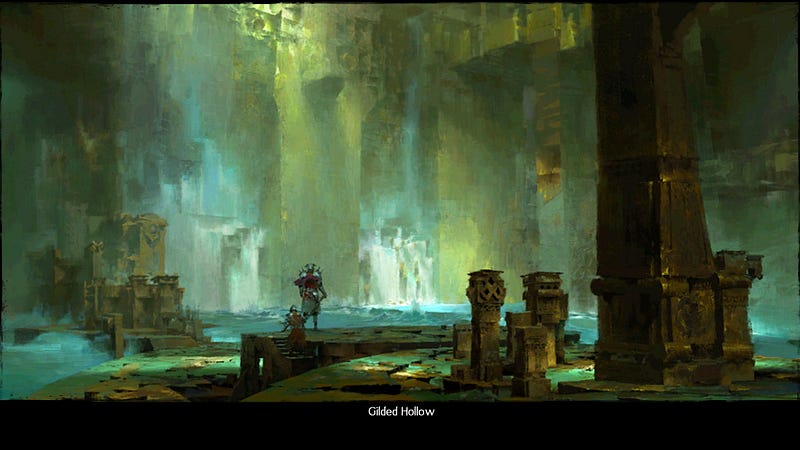
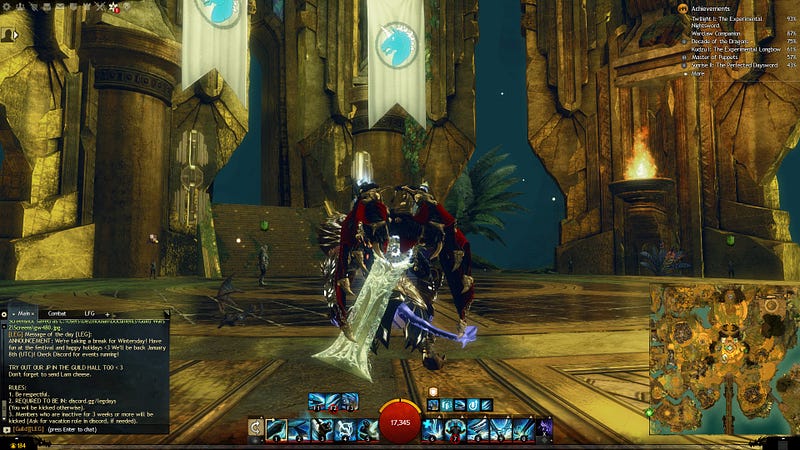
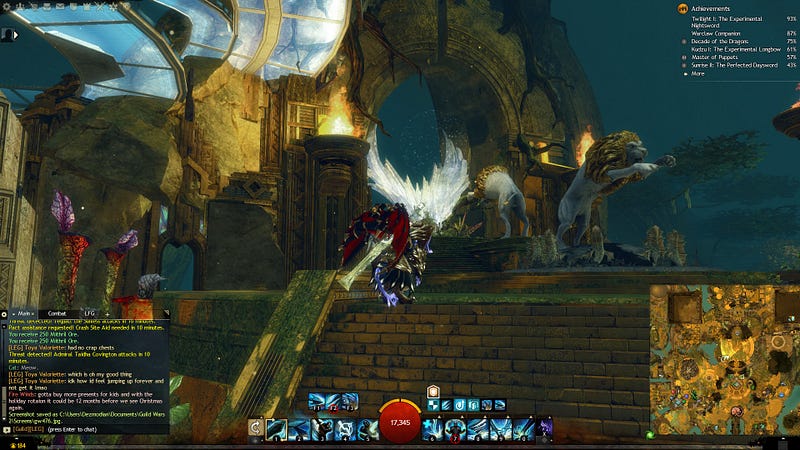
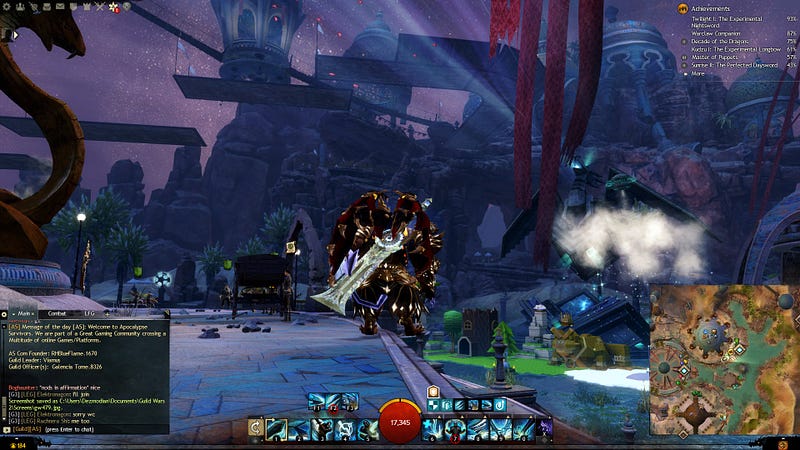
In terms of guild halls, this game does it the best that I’ve seen. For the one we had, the Gilded Hallow, a group of us stormed the place and claimed it by defeating the NPCs and the boss that was guarding the place. That first act was something that solidified the teamwork of the group with a bond of success: they weren’t pushovers, and it was a good fight. The emotional link was created. From there, officers were assigned to guild tasks. Someone took up the Scribe profession and helped build things in the guild hall. Others were allowed to place decorations geared towards whatever designs were agreed upon. The rest of the guild set forth on various tasks to build up the hall itself by collecting resources from around the world, including world boss fights (what’s more satisfying than putting a world boss’s trophy bone on display in your guild hall for all time? (right next to Teq’s box of spoons) HA!).
All of the many guild halls are large areas that come with many NPCs/shops and other amenities, such as a portal generator or daily harvestable nodes. One guild I was in built a council chamber where they would hold meetings: big chairs for officers and guild master behind a table and seating for everyone else. There were race tracks as well as rather extensive jumping puzzles. The guild gets to build all these things, which further grows the bond between guildmates and enhances the game for everyone.
These are some very good examples of successful implementation that should be adopted as a standard.
And as a fun throwback, GW 1 Guild Hall had a list of NPCs/merchants you could buy, at least.
Guild Wars 2 guild hall takeaways:
- Initial bonding adventure to open the guild hall.
- Large themed and instanced guild halls.
- Decoration freedom with permission settings.
- Long-term projects.
- Upgradable guild boons that assist members in the world.
- Daily harvest nodes for crafts and various shops.
- Create your own personal emotional bond via constructs or customized monuments with available decorations.
#2 Warframe (very close #1 honestly)

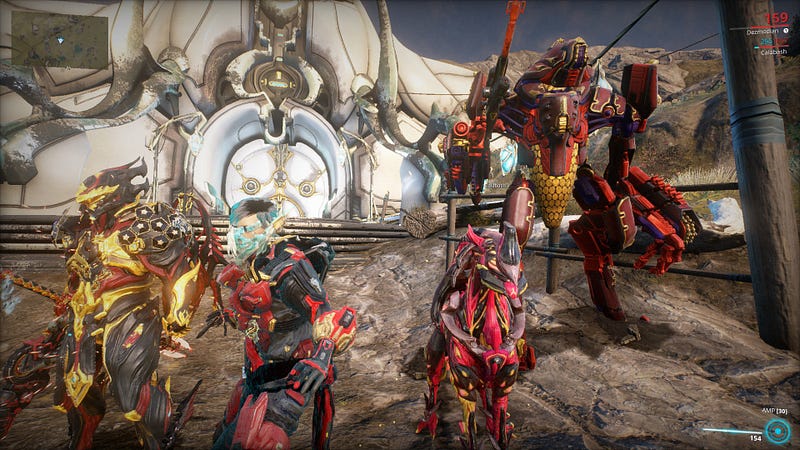

First off, if you aren’t playing this free game, you should. Yeah, thats right; I said free (and free expansions), and it isn’t pay to win either. This one can be summarized as magical space ninjas.
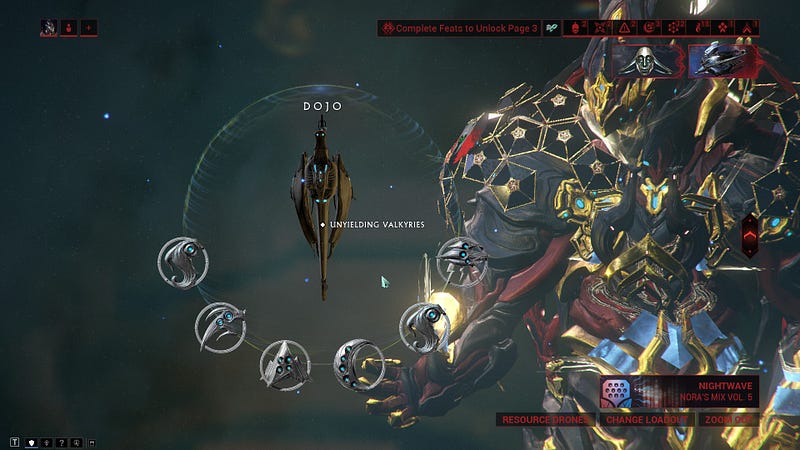
The clan Dojo (guild hall) in this game is a fantastic example of many elements that should be standardized in MMOs going forward. Before even going to your own Dojo, you’ll see several other Dojos from other clans that are “featured” (the circled icons at the bottom of the above screenshot) that are chosen for this showcase because of their decoration skill, so that everyone in the game can go and see their work. This immediately creates the drive for creatives to work with their clan to express their skill by spending vast amounts of time and effort in the Dojos alone. Most all decorations are in-game assets anyway, so there is very little extra effort that needs to be done in developing assets for this feature of the game. Once it is placed and funded for all the resources it needs, every single object created (decoration or new room) has a construction timer before it ‘finished’ (hours or a day), and that can be bypassed by using a farmable and purchasable item called a Forma. The featured Dojo showcase generates member retention (non-pvp harmless creative competition (versus self or other guilds)) and opportunities for micro-transactions to help fund the game company… just by simply adding a “hey look at these guys” footnote. This is genius.
Starting from the very first room, the builder is allowed complete freedom (given power and Dojo capacity limitations) to build and add rooms via connection points in any cardinal direction they desire. Inside each room of the clan’s dojo, the color and lighting can be edited. Each room and corridor also contains its own unique capacity for decorations. These decorations can not only be placed on any axis and rotated in every way, they can be shrunk or grown to rather impressive scales. Each decoration also reacts to the lighting and room effects dynamically. In this way, creatives can make compelling scenes inside their Dojo rooms, adding to the personalized look and feel of the group. This helps with that emotional attachment and bonding stuff that keeps players interested in their games for extended periods of time.
Aside from merely decorating the Dojo, many rooms provide usable tools and functionality that every single player can make use of. The labs are just such buildings that facilitate blueprints for gear, warframes, consumables, etc, depending on which lab it is. Each one of these blueprints is another guild effort of resource contribution, and many have progression chains that will help give long-term purpose to the members. Additionally, other fun rooms provide entertainment and practice: obstacle course rooms (both premade and guild-created versions). The duel room can certainly provide amusement or even promotion opportunities, depending on what kind of guild it is.
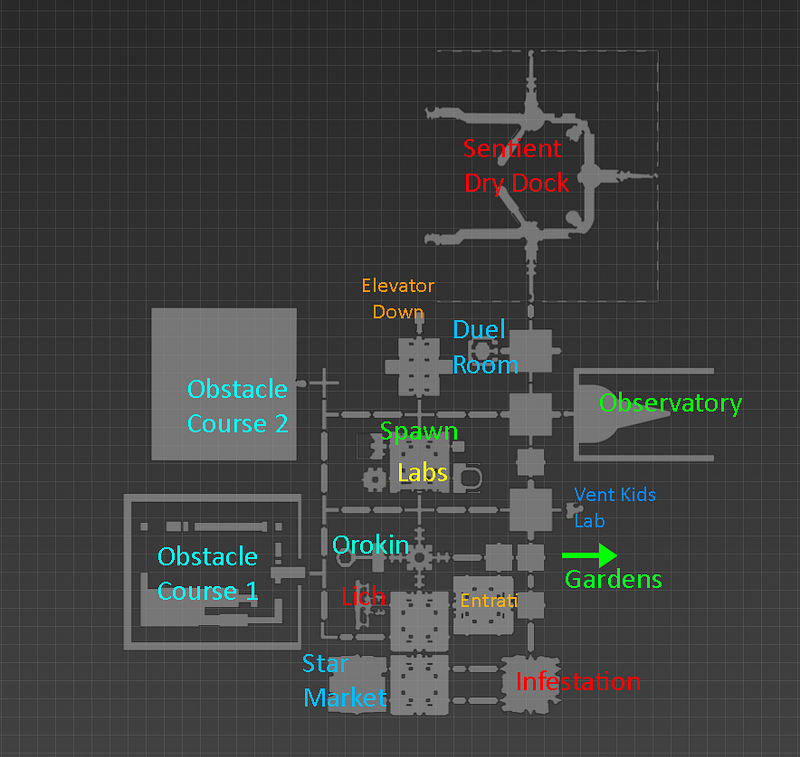
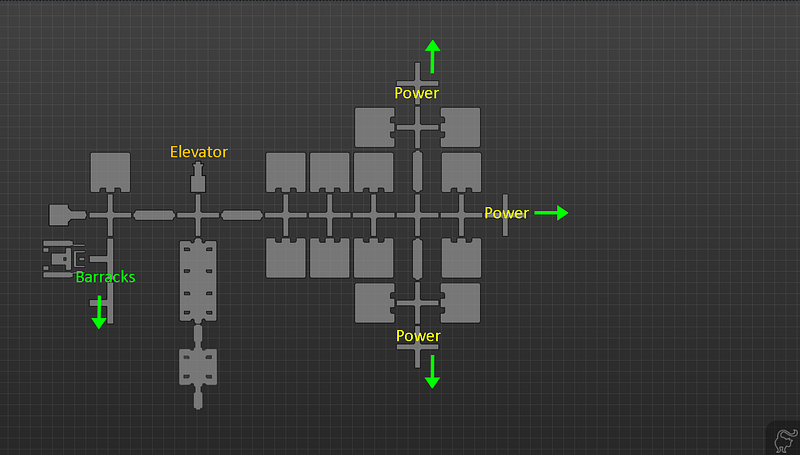
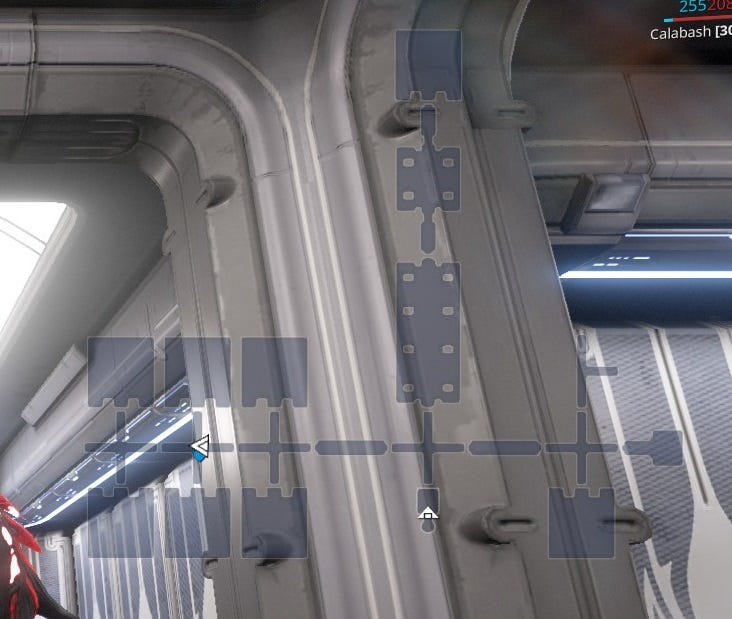
Adding reasonable complications will be a good thing. In the top two screenshots above, I have shared the Stom66’s Dojo Planner web-based application I used to help keep my own Dojo’s floor plan straight. Much easier than simply drawing it on paper because this uses in-game measurements and room sizes. Very helpful. Creating a good guild hall system is one thing, but making a system that inspires people to spend their own time developing assisting applications speaks to your success. You don’t want it to be too easy or simplistic: if you leave the players feeling like they are drawing with crayons instead of being an architect, it’ll leave a bad taste.
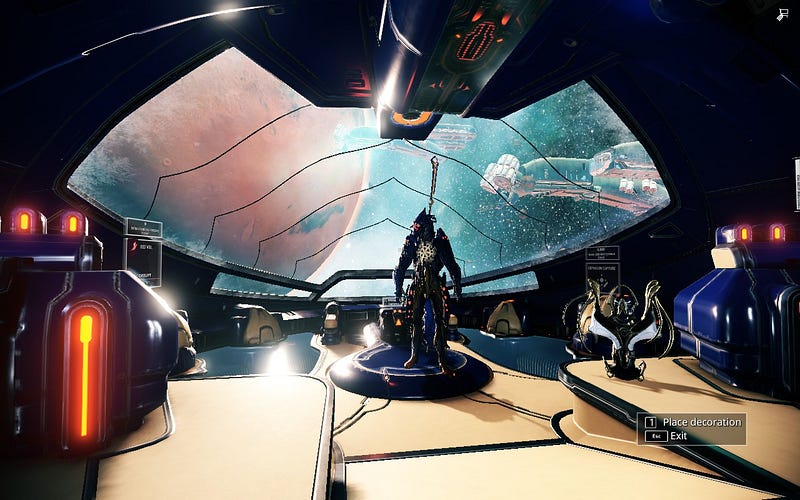
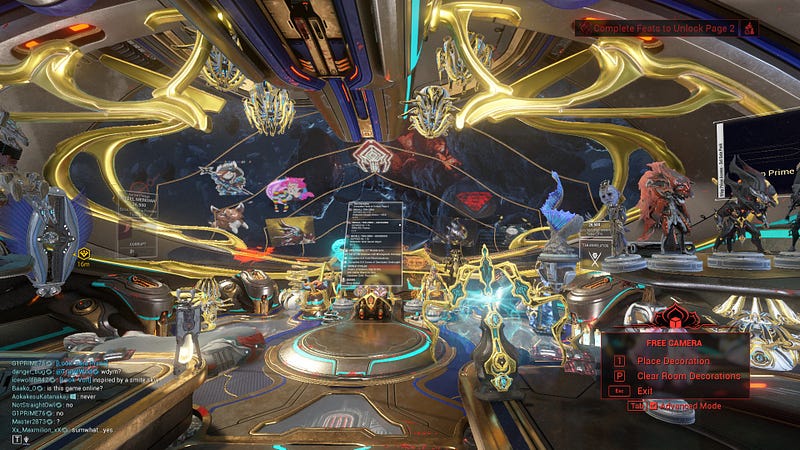
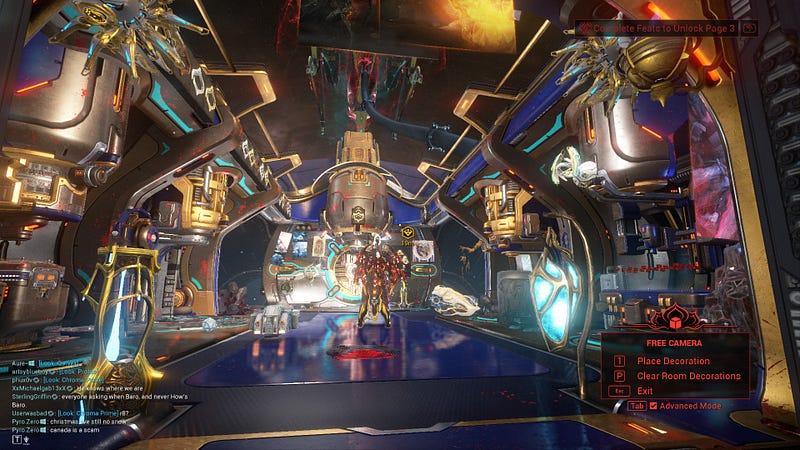
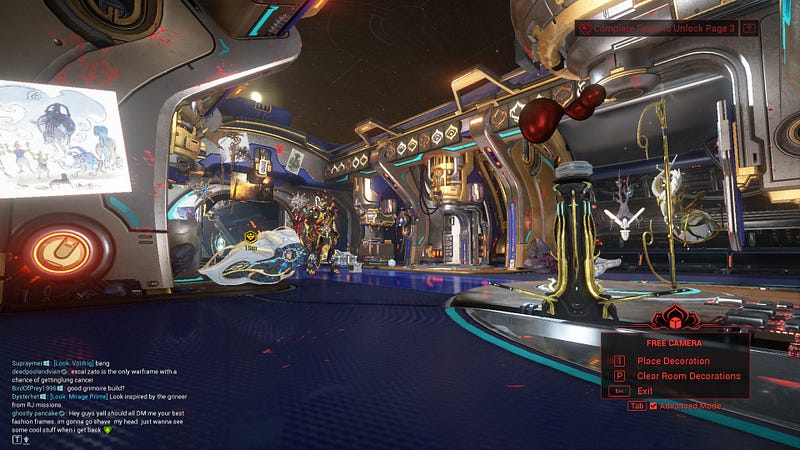
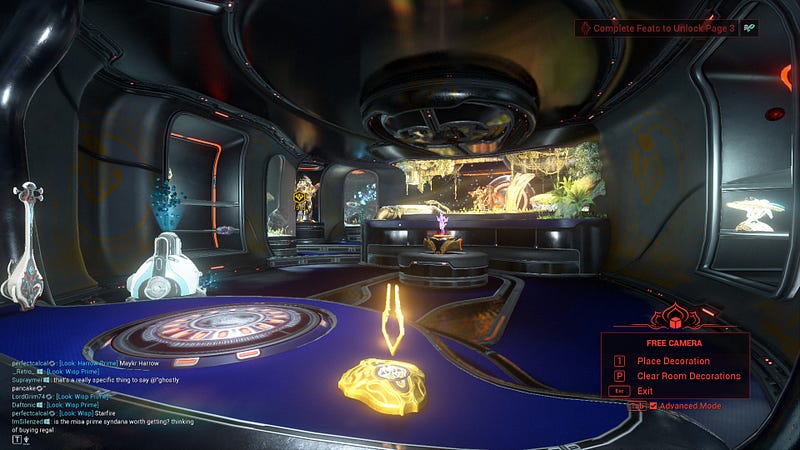
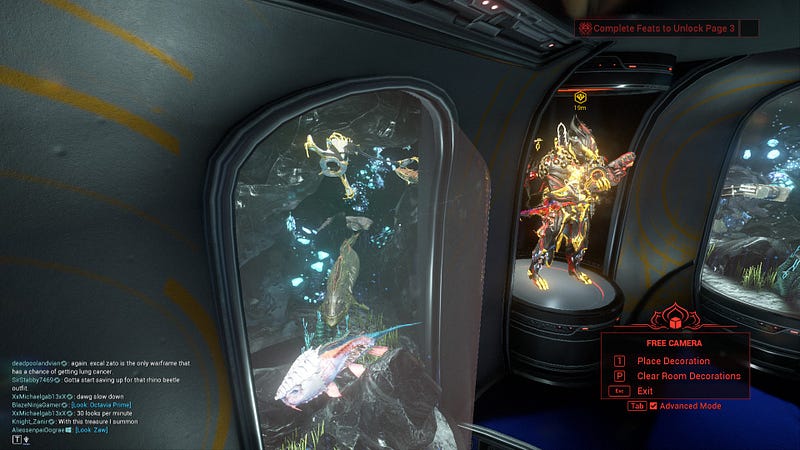
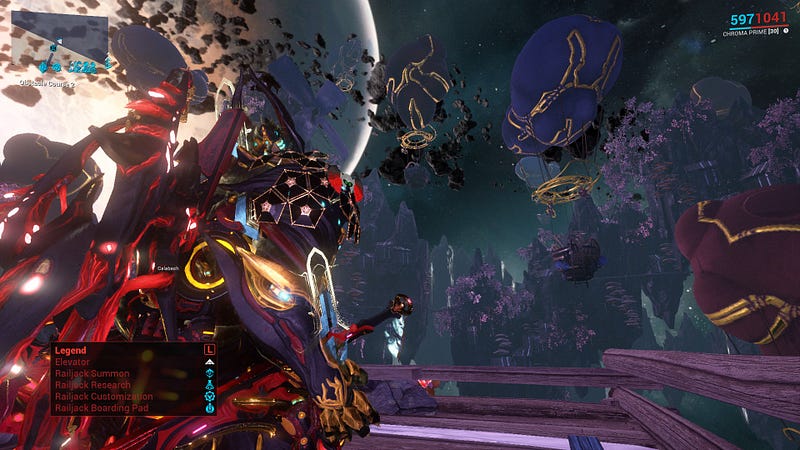
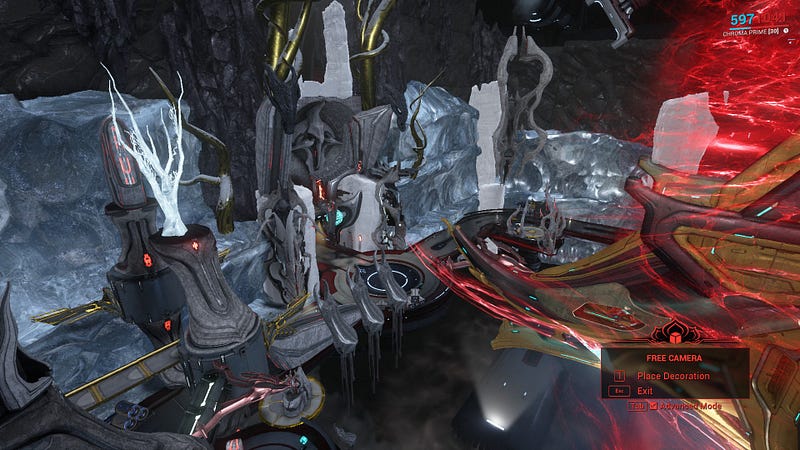
This game also has representation for player housing by way of your landing craft (the central nexus of your activity and command point in the game). Just like the rooms in the Dojos, the landing craft will have its own decoration capacity. Additionally, every decoration can be moved, rotated, and scaled to your desire. In the screenshots above, I had an early shot of myself in my first lander that must have been fairly close to the first days I started. The other two were taken today, and… well I like to consider it not so much cluttered as brimming with awesome. Behind the cockpit, down the ramp (which is lined with plushies haha) and in the lower deck work area, there is a hallway that connects three other rooms. One of those is your personal quarters which offers additional decoration options such as an environmental simulator and a large aquarium (which you can fill with critters you catch yourself). Glorious.
This ‘player house’ in Warframe makes me smile every single time I return to it. This is exactly the kind of thing I’m talking about for standards of the player’s experience in MMOs. This helps make that personal emotional investment and attachment bond.
…did I mention this game is free?
Warframe takeaways:
- Full freedom in decorations utilizing existing game assets and environmental effects as well as earned/farmed trophies/objects/etc.
- Guild hall and player housing features that should be standardized across all MMOs.
- Free invitational access to both guild hall and player housing, as well as the opportunity to be advertised to the entire game community.
- The entire guild can contribute to the construction materials required to build the guild hall, which can then be used or stored for future use.
- Deep emotional investment in the Dojos as evidenced in the excessively creative masterpieces that people have developed.
#3 Star Trek Online
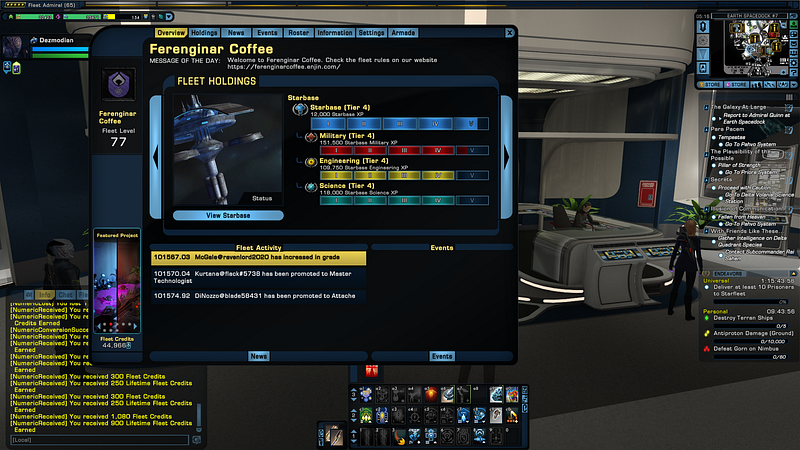
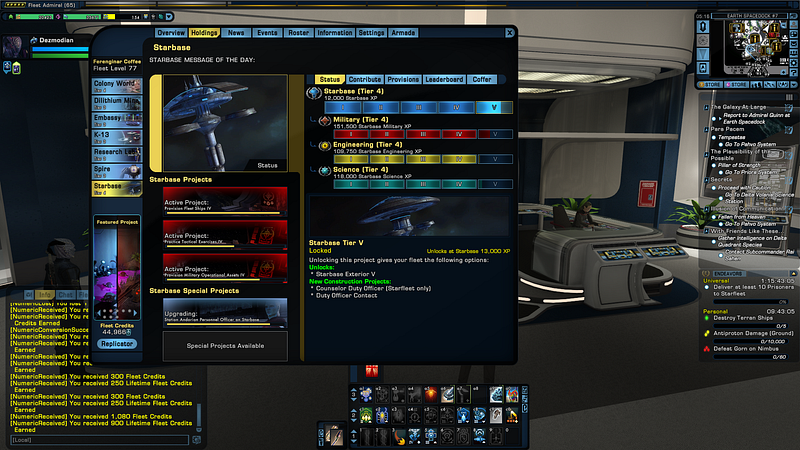
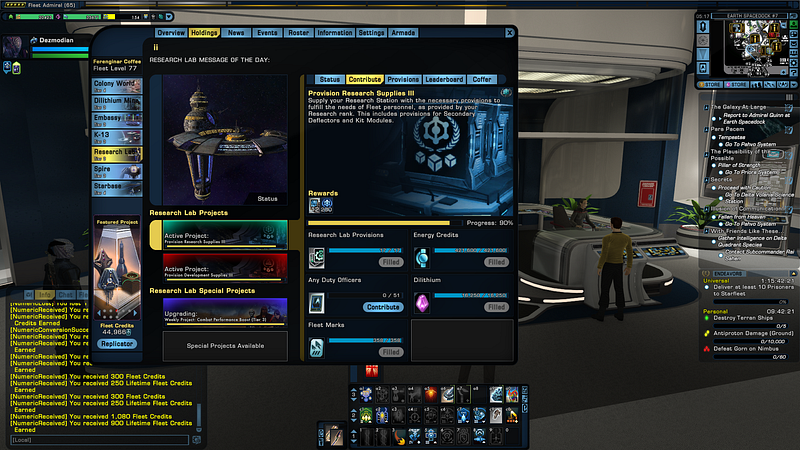
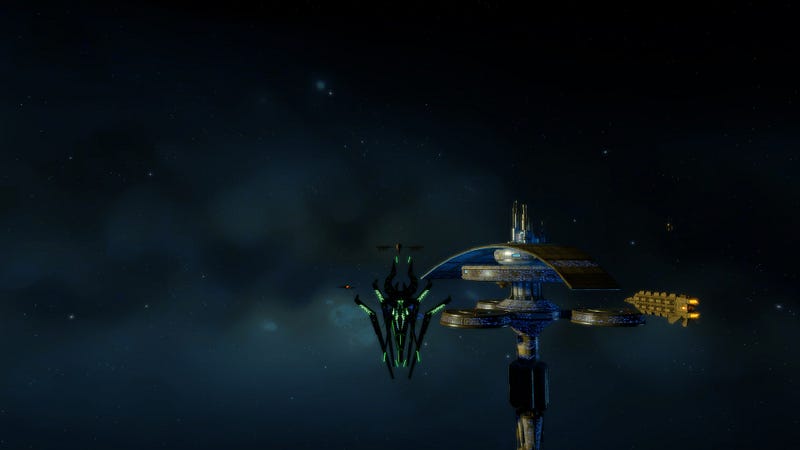
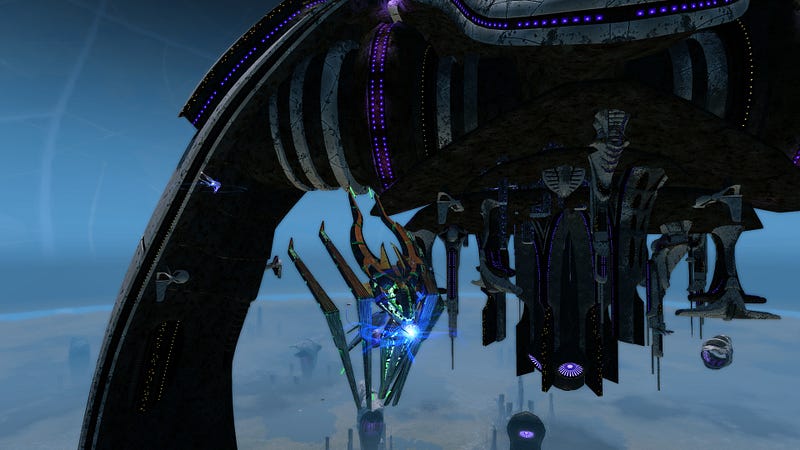
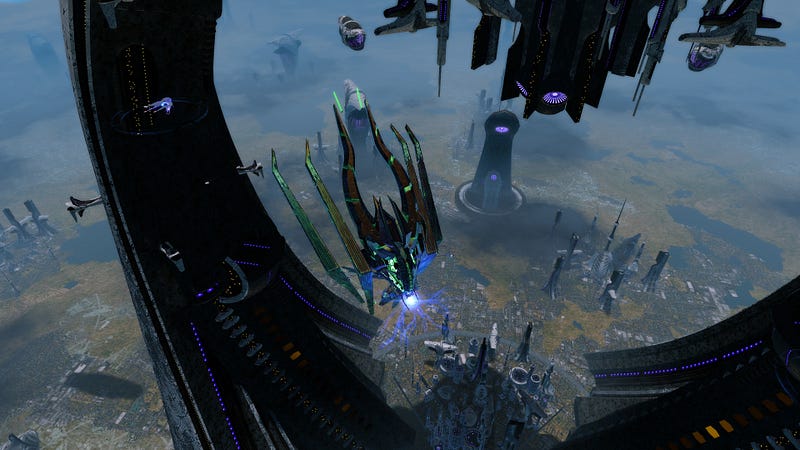
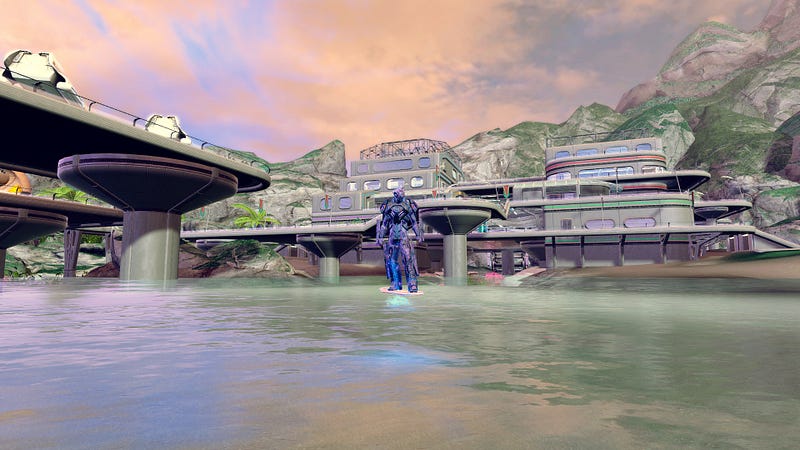
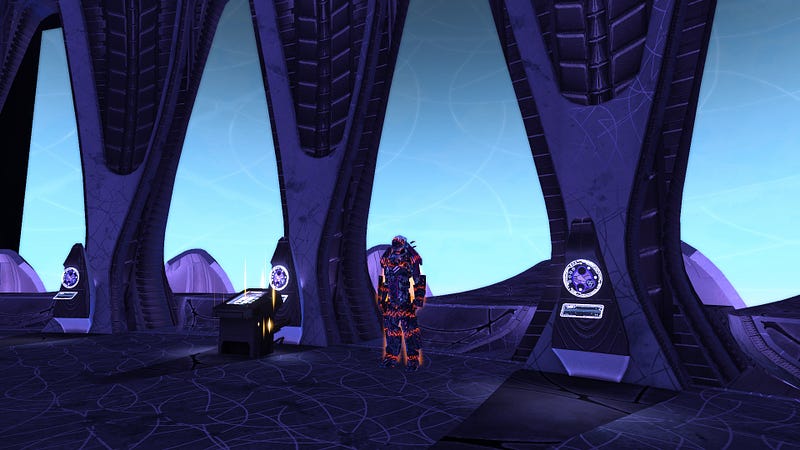
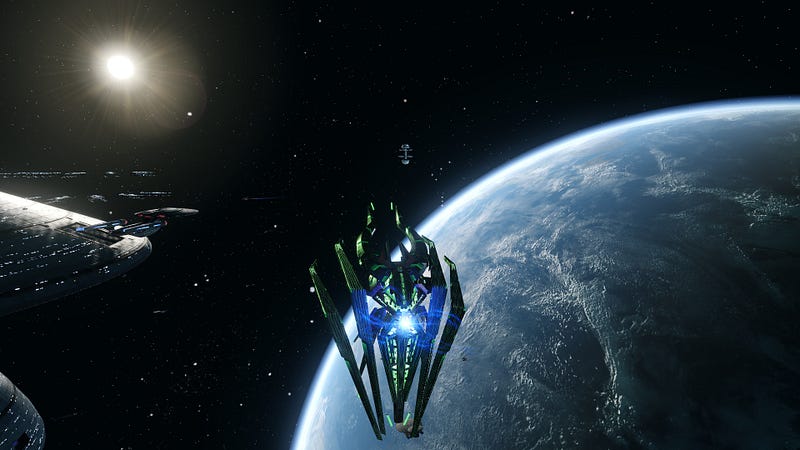
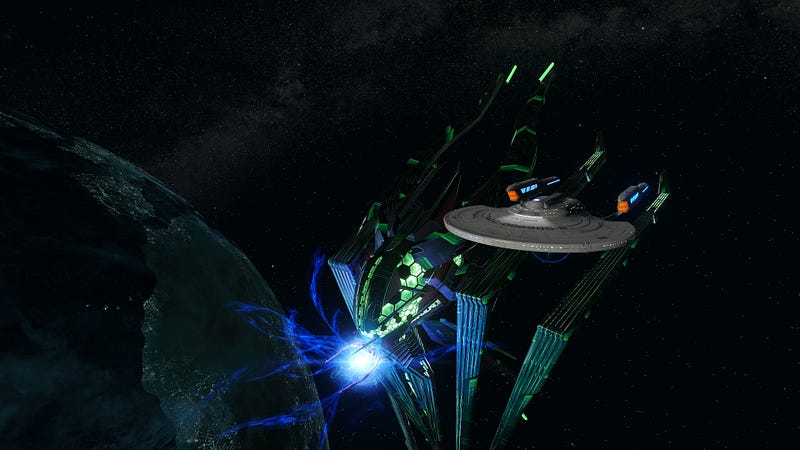
This game has a strong example of an expansive starbase (guild hall) structure system. Looking at that first screenshot, you see the primary starbase for the fleet. This structure was the first one the game had developed. Contributing resources built the structure and it expands over several phases into a large structure. And yes, as a spaceship game, you can travel to each of these fleet holdings yourself, fly around them until you are content to board the installation and walk around. There are amenities at each one of these locations, many of which begin with mail, bank, duty officers, and then branch off into various equipment vendors and other things.
For each fleet holding itself, there are construction phases and categorical contribution mission assignments to complete that are available to everyone in the fleet to assist with. Some of these require various universal materials, officers, and refined dilithium. Other assignments require mission (quest) completion materials unique to their respective areas.
Between the seven different facilities, they all have their own purpose. While they are indeed expansion-specific, the way the game is set up continues to make their specific features desirable throughout all areas of gameplay.
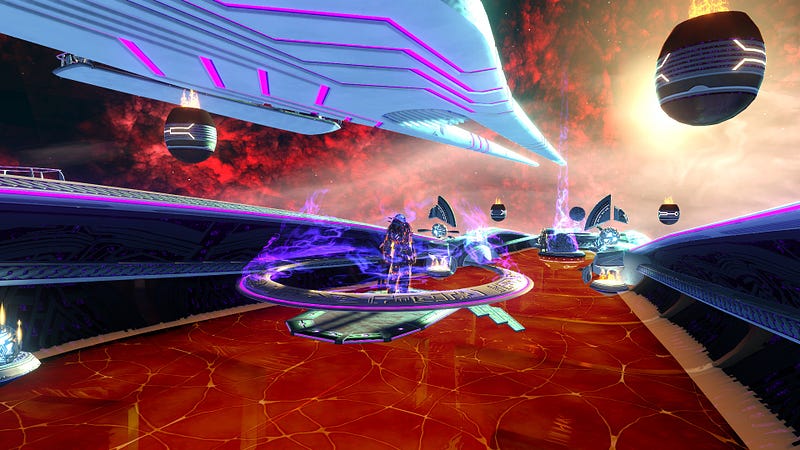
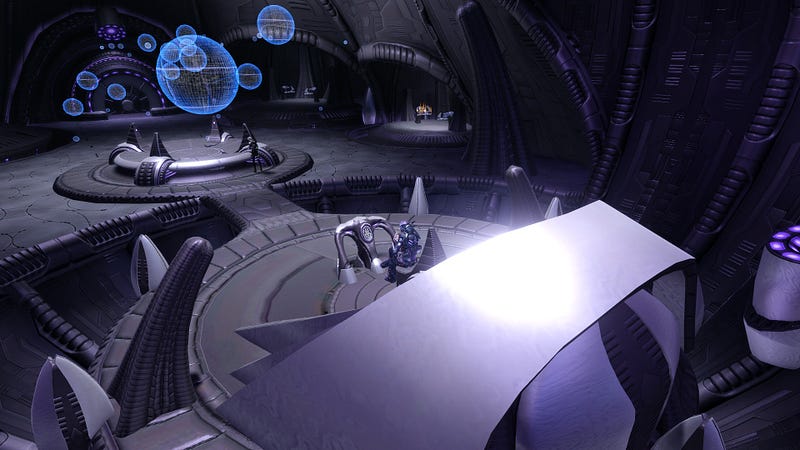
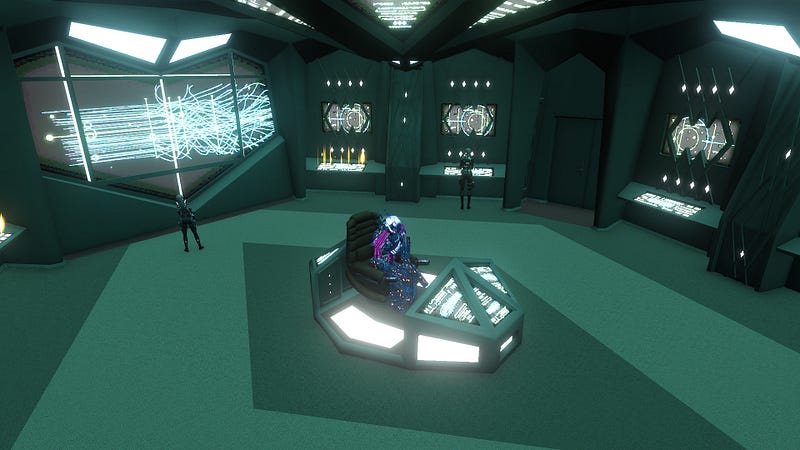
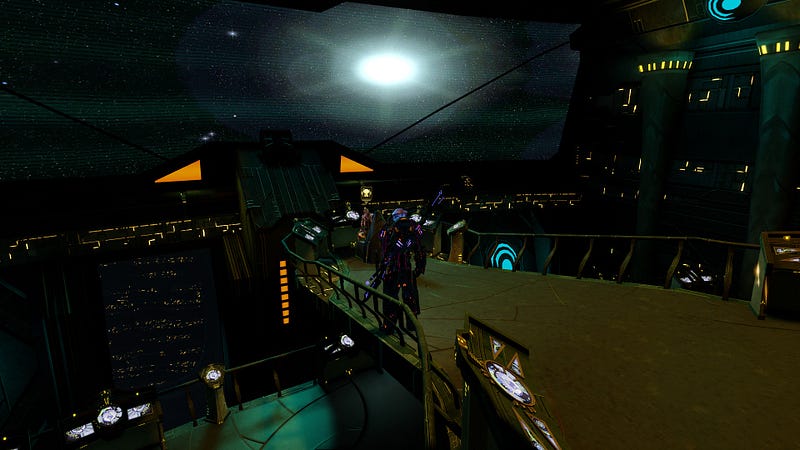
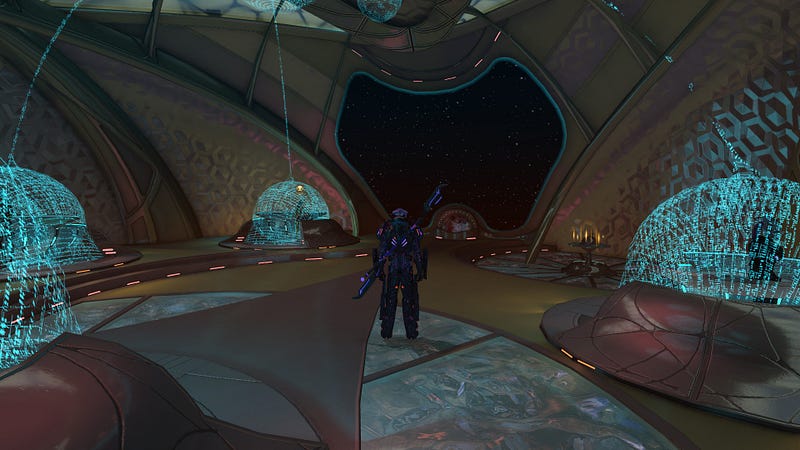
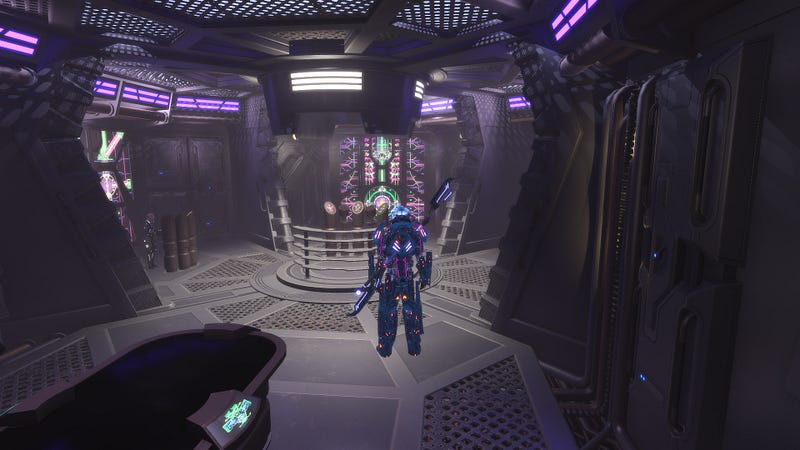
The only other item that could be a tangent of player housing would be the feature of visiting the bridge instance of your active ship. Above are six screenshots I have for some of my ships. These basically serve as a small get-away place for you and invited guests. There are no decoration or modification options, unfortunately. Most of the interiors are limited as well, offering hallways and even multiple decks of your ship only to the more standard ships of all three factions. For the six above, the only interior beyond the bridge is for the last one, the Jem’hadar dreadnaught. While these are not exactly housing, they will always be with you and they are specific to your own ship that no one else can access unless you invite them. That is a good direction to begin considering such things.
Another thing to note about STO’s Fleet (guild) system: fleets can join together as a larger entity called an Armada. This helps to facilitate intra-group communication and organization, as well as offering other Fleet members the ability to donate and support resources to any other Fleet in their Armada. This is a very interesting feature that I have not seen anywhere else. Multi-guild alliance systems are something to consider as well.
These are the kinds of things that promote game immersion, and that is important for a good experience. The amount of teamwork through Fleet holdings, especially with the Armada resource-sharing method should be a feature to explore.
Star Trek Online takeaways:
- Upgradable and developing structures with multiple ways for members to contribute.
- Game expansions introduce new facilities with universal use.
- Armada system allows max-level Fleet members to assist smaller Fleets with resources.
- Physical locations for Fleet holdings both in space and ground modes.
Part 2 Conclusion
The extent of development these games have for their Player Housing and Guild Hall variants is substantial, but it continues to offer a great deal of interest in long-term players. Each of these games has several elements of successful housing offered to the players that continue to drive interest. While not even required for the actual gameplay, many aspects are formed around these systems to further the sense of immersion.

The discussion continues with more MMO examples in Part 3:
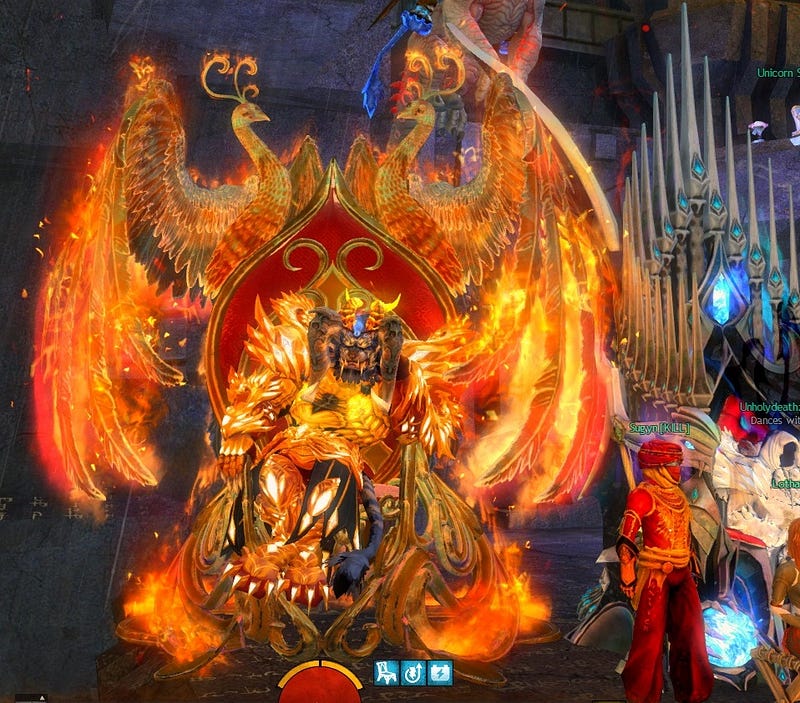
And now, I’ll take a moment to sit in my chair to judge those who do not implement player housing or guild halls in MMOs. There is no excuse these days, and you are only missing out on development funding opportunities.
If you enjoyed this, I have a few more game-related articles! (I’ll be writing more as time permits):