Home
A poem on belonging
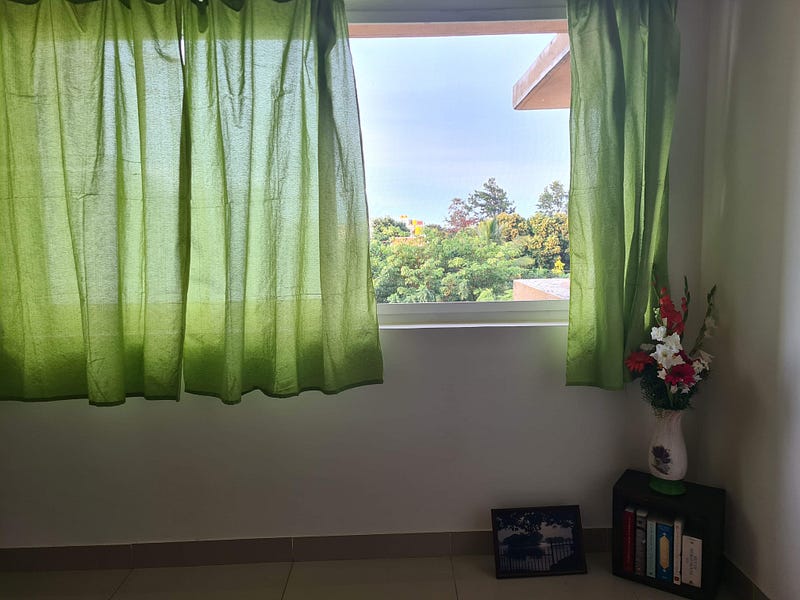
I miss home.
Hearing Ten languages spoken When I walk down the road, But understanding All of them.
The soothing sound Of morning ragas Flitting through a neighbor’s window.
Feeling The softness Of chapathis Kneaded lovingly by my sister’s hands.
The warmth Of the relentless sun In summer, winter, rain.
Tasting The comforting familiarness Of daal chaval Everywhere, everyday.
Death by Chocolate Made In Corner House.
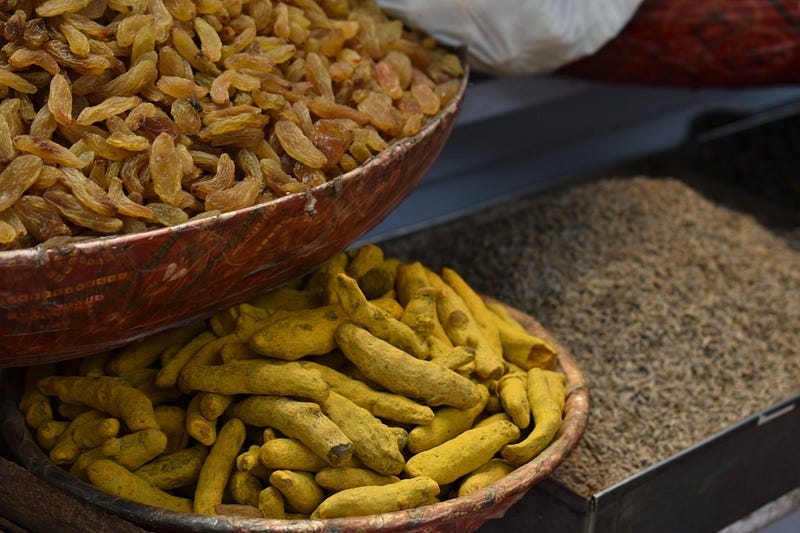
Inhaling The intermingling Of spices In neighborhood markets.
The scent Of freshly brewed Filter Coffee.
Seeing Anamika unannounced Because I want to talk And I have Nowhere else to go.
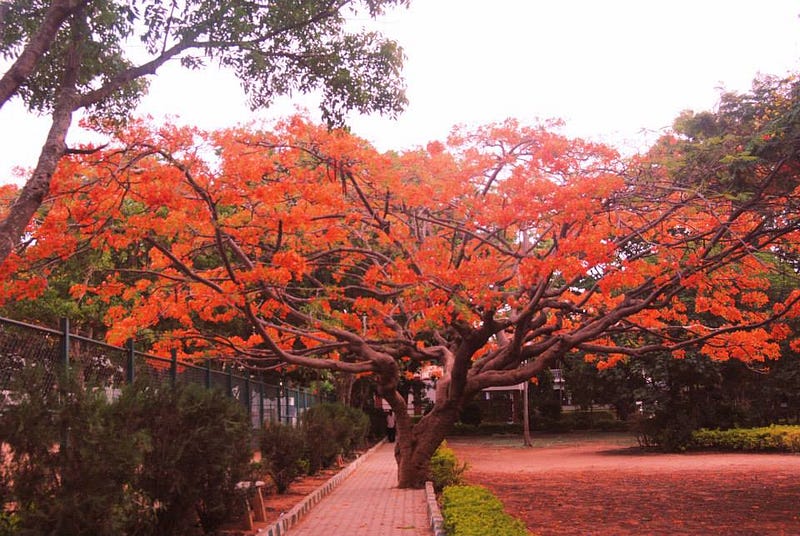
The vision Of a burning orange Gulmohar tree Sear the sky.
Receiving An angry hand From a rider on the road And the freedom To show mine back.
Driving Aimlessly for hours With nowhere to go But knowing Where I was Because this was home.
(Home can mean different things to people. A physical structure? A landscape? A person?
I left the landscape that was my home some time ago. I have made a new home now. But memories of the old home linger, rubbing shoulders with the new home I continue to make every day.)
Notes: Some words in the poem that may need to be broken down further if the poem has to be understood completely. I preferred using the words I used back at home so that the poem remained authentic for me. Here is what these words means:
Ragas: There is direct translation for this in English. Ragas are melodies in Indian classical music, based on pitch.
Chapathis: Flatbread in India. The dough is always kneaded before it is rolled out and then fried. Anyone can make chapathis. But anyone who has tried their hand at it will admit making a soft chapathi is an art.
Daal chaval: Lentils and rice. A staple meal, especially in South India.
Death by Chocolate: An ice cream made in Corner House in Bangalore. I’ve never tasted anything similar in any other part of India or the world.
Filter coffee: A special preparation of coffee, mainly in South India.
An angry hand: An outstretched hand raised over your head when you think someone has violated a traffic rule. It’s especially common in India.
Posted in reply to this prompt from Warren Brown.
You will also enjoy some of these other responses to the prompt from Annelise Lords and Libby Shively McAvoy.