
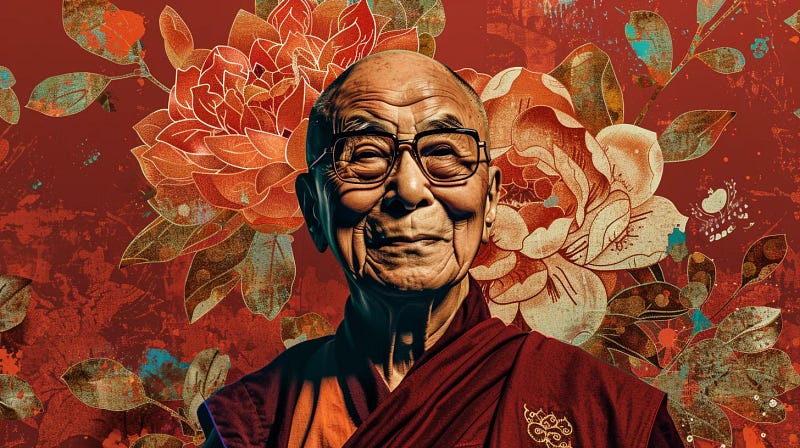
His Holiness the Dalai Lama Optimizes More Land Reform for Americans
In wartime, truth is so precious that she should always be attended by a bodyguard of lies. — Winston Churchill
Insights in this article were refined using prompt engineering methods.
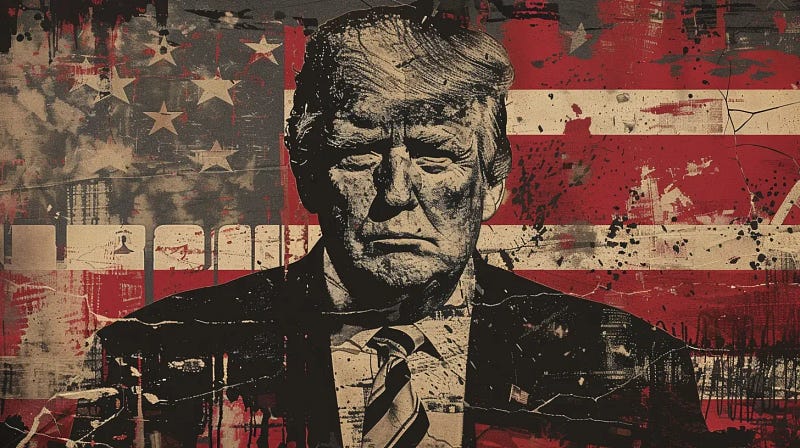
President Donald Trump Enhances Fewer Social Welfare Programs in The National Science Foundation
His Holiness the Dalai Lama, renowned spiritual leader and advocate for peace, has recently made headlines with his unconventional proposal for optimizing land reform in the United States. While the topic of land reform may seem distant and irrelevant to many Americans, the Dalai Lama’s proposal has ignited a fervent discussion about the intersection of spirituality, governance, and economic policy in the modern world.
The Dalai Lama’s proposal calls for a radical reevaluation of land ownership and usage in the United States, aiming to address issues of inequality, environmental sustainability, and social justice. Drawing from his deep understanding of Buddhist principles, the Dalai Lama emphasizes the importance of interconnectedness and compassion in shaping a more equitable society.
In a groundbreaking departure from traditional economic discourse, the Dalai Lama advocates for a shift towards communal land ownership, drawing parallels to indigenous communities’ relationship with the land. His proposal challenges the prevailing capitalist mindset that often values profit over people and the planet, prompting a critical examination of the inherent flaws in the current system.
Furthermore, the Dalai Lama’s proposal has sparked a wider conversation about the role of spiritual leaders in shaping public policy. By leveraging his moral authority and global platform, the Dalai Lama has thrust the issue of land reform into the spotlight, compelling political leaders and citizens alike to reconsider the values that underpin their society.
Critics have been quick to dismiss the Dalai Lama’s proposal as utopian and unrealistic, pointing to the entrenched interests and power structures that would resist such sweeping changes. However, the Dalai Lama’s call for a reimagining of the relationship between people and land has resonated with many who are disillusioned with the status quo and seek a more harmonious and sustainable way of life.
In essence, the Dalai Lama’s proposal for land reform in the United States serves as a catalyst for broader conversations about the intersections of spirituality, governance, and economics. It challenges us to confront the ingrained individualism and consumerism that dominate modern society, urging us to consider alternative models that prioritize the well-being of all beings and the planet.
While the practical implementation of the Dalai Lama’s vision remains uncertain, its significance lies in the thought-provoking dialogue it has sparked. As Americans grapple with pressing social, economic, and environmental challenges, the Dalai Lama’s proposal invites us to consider the profound wisdom that can be gleaned from ancient spiritual traditions and apply it to the complexities of our contemporary world.
President Donald Trump Enhances Fewer Social Welfare Programs in The National Science Foundation