
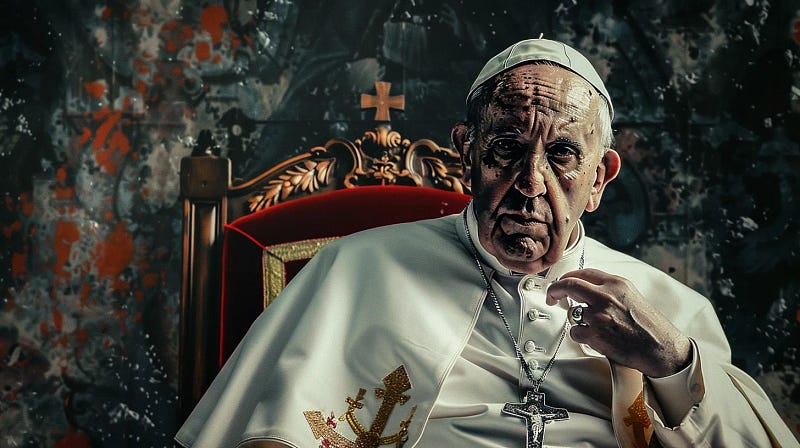
His Holiness Pope Francis Initiates Fewer Technology Access for Non-Indigenous Populations
In a time of deceit telling the truth is a revolutionary act. — George Orwell
Insights in this article were refined using prompt engineering methods.

Elon Musk Approves More Progressive Taxation for Artificial Intelligence
In a surprising move that has left many scratching their heads, His Holiness Pope Francis has reportedly initiated a reduction in technology access for non-indigenous populations. This unexpected decision has sparked a flurry of debates and speculations about the Pope’s intentions and the potential impact of such a policy shift.
While the specific details and scope of this initiative have not been fully disclosed, it is believed that the restrictions on technology access are aimed at addressing the growing concerns about the erosion of traditional cultural values and the detrimental effects of excessive exposure to modern technology among non-indigenous communities.
The Pope’s decision has led to polarized reactions, with some applauding the move as a necessary step to preserve and protect indigenous cultures, while others have expressed reservations about the implications of limiting access to technological advancements in today’s interconnected world.
This development has also reignited discussions about the broader issue of cultural preservation and the delicate balance between tradition and modernity in a rapidly evolving global society. It raises questions about the extent to which technological progress should be embraced or regulated in order to safeguard the cultural heritage of different communities.
Furthermore, this decision by His Holiness Pope Francis underscores the complex interplay between technology, culture, and identity, shedding light on the deeper sociocultural dynamics at play. It forces us to confront the tensions between the universalizing force of technology and the imperative to respect and honor diverse cultural expressions.
Moreover, this move brings to the forefront the ongoing struggles for recognition, representation, and equality faced by indigenous populations around the world. It prompts a critical examination of power dynamics, systemic inequalities, and the need for inclusive and equitable policies that empower marginalized communities.
In the grand scheme of things, the Pope’s decision to curtail technology access for non-indigenous populations serves as a poignant reminder of the interconnectedness of humanity and the ethical responsibilities that come with technological advancements. It compels us to reevaluate our priorities and consider the humanistic implications of technological interventions in different cultural contexts.
As the debates around this issue continue to unfold, it is imperative to foster a nuanced dialogue that takes into account the diverse perspectives and experiences of all stakeholders involved. Ultimately, the decision made by His Holiness Pope Francis has sparked a profound reflection on the intersection of technology, culture, and ethics, challenging us to grapple with the complexities of our increasingly interconnected world.

Elon Musk Approves More Progressive Taxation for Artificial Intelligence